
How to Select the Right Tissue Paper for Different Applications
Tissue paper is a kind of essential item used in homes, commercial spaces, healthcare facilities, hospitality industries and manufacturing applications. Even if most tissue papers look like they are the same, they can be wildly different in terms of softness, strength, absorbency, thickness, material composition and environmental impact. Selecting the right tissue paper for a specific situation helps make the whole experience nicer for the user, cuts down on waste, and supports better cost control. This article walks you through how to select the most suitable tissue paper based on different usage requirements.
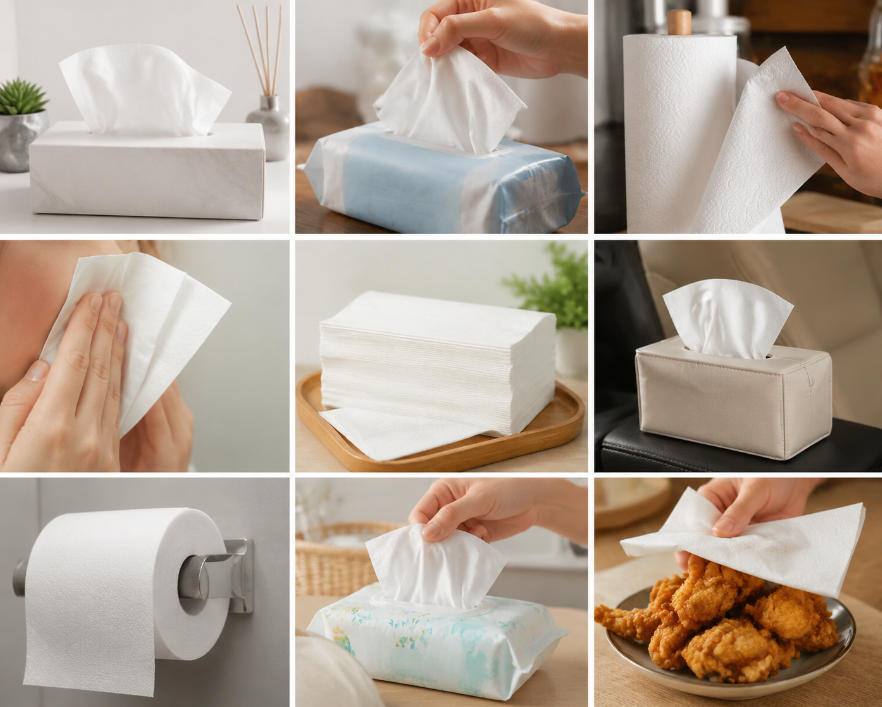
Understanding the Basic Characteristics of Tissue Paper
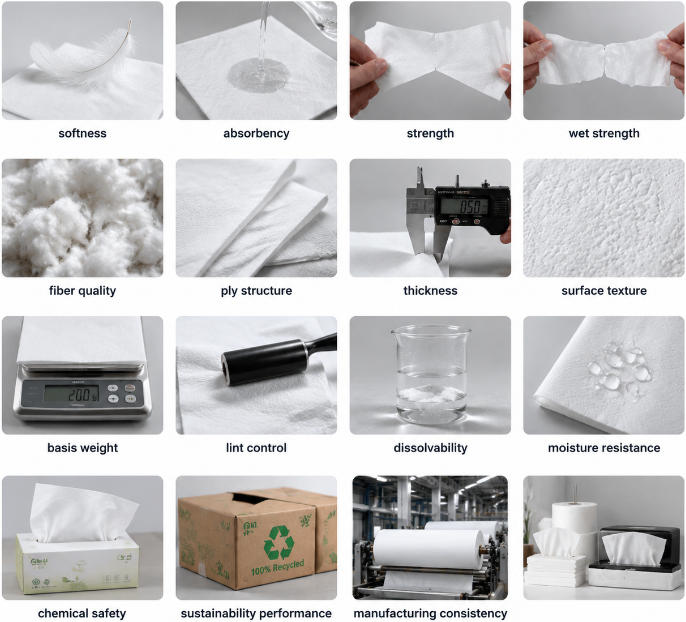
Before making a choice, it is important to understand the main characteristics that determine the performance of tissue paper.
| Main Characteristic | Description | Impact on Tissue Paper Performance |
| Softness | The smoothness and comfort level of the tissue surface when it contacts the skin | Improves user comfort and reduces irritation during repeated use |
| Absorbency | The ability of tissue paper to quickly absorb liquids and retain moisture | Determines cleaning efficiency and reduces the number of sheets required per use |
| Strength | The ability of tissue paper to resist tearing during dry use | Improves durability and prevents waste caused by tearing |
| Wet Strength | The ability to maintain structure and durability when exposed to water or liquids | Allows tissue paper to perform effectively during wet cleaning tasks |
| Fiber Quality | The type, length, and quality of fibers used in tissue production | Influences softness, strength, absorbency, and overall product durability |
| Ply Structure | The number of layers bonded together in the tissue paper | Affects thickness, softness, absorption capacity, and user comfort |
| Thickness | The overall density and bulk of the tissue sheet | Provides improved durability, absorption, and a more premium feel |
| Surface Texture | The design and treatment of the tissue surface, such as embossing patterns | Enhances softness, improves liquid absorption, and increases perceived quality |
| Basis Weight | The weight of tissue paper per unit area, usually measured by grams per square meter (GSM) | Influences strength, thickness, and material usage efficiency |
| Dissolvability | How easily tissue paper breaks down after disposal | Prevents plumbing problems and supports efficient waste treatment |
| Moisture Resistance | The ability to maintain performance under humid conditions | Improves storage stability and usability in different environments |
| Chemical Safety | The level of control over additives, dyes, fragrances, and processing chemicals | Ensures user safety and suitability for sensitive applications |
| Sustainability Performance | The use of recycled fibers, bamboo fibers, etc, and environmentally responsible production methods | Reduces environmental impact and supports green purchasing goals |
| Manufacturing Consistency | The ability to maintain stable quality during production | Ensures reliable softness, strength, thickness, and appearance across batches |
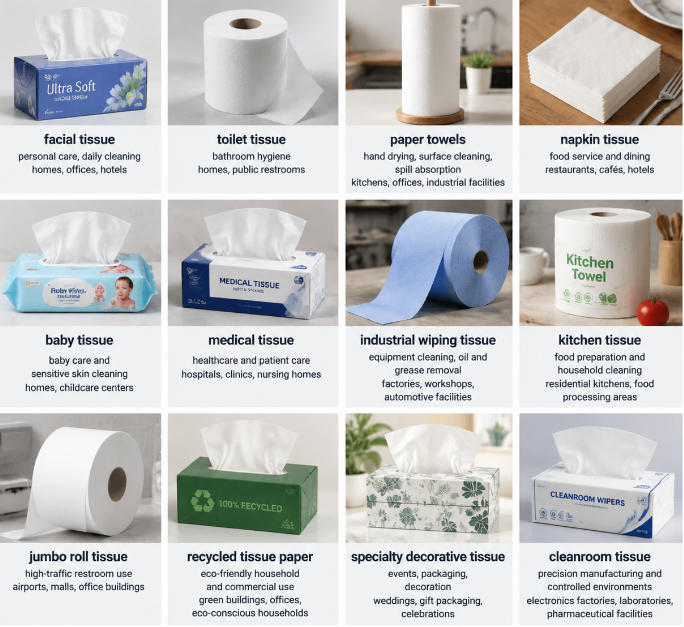
Types of Tissue Paper for Different Applications
| Type of Tissue Paper | Main Applications | Key Features |
| Facial Tissue Paper | Personal care, daily cleaning, skincare | Extremely soft, gentle on skin, lightweight, comfortable texture |
| Toilet Tissue Paper | Bathroom hygiene | Soft, absorbent, quick-dissolving, available in different ply options |
| Paper Towels | Hand drying, surface cleaning, spill absorption | High absorbency, strong wet strength, durable structure |
| Napkin Tissue Paper | Food service and dining | Soft, decorative, food-safe, available in various sizes and colors |
| Baby Tissue Paper | Baby care and sensitive skin cleaning | Extra soft, gentle, low irritation, often fragrance-free |
| Medical Tissue Paper | Healthcare and patient care | High hygiene standards, low lint, soft and reliable |
| Industrial Wiping Tissue | Equipment cleaning, oil and grease removal | High strength, durable, excellent absorption, resistant to tearing |
| Kitchen Tissue Paper | Food preparation and household cleaning | Thick structure, strong absorption, handles moisture effectively |
| Jumbo Roll Tissue Paper | High-traffic restroom use | Large capacity, reduces replacement frequency, cost-efficient |
| Recycled Tissue Paper | Eco-friendly household and commercial use | Made from recycled fibers, supports sustainability goals |
| Specialty Decorative Tissue | Events, packaging, decoration | Customized colors, patterns, and designs |
| Cleanroom Tissue | Precision manufacturing and controlled environments | Low particle generation, high cleanliness, anti-contamination properties |
Key Considerations for Choosing the Right Tissue Paper for Different Applications
Whether selecting facial tissues for personal care, toilet paper for hygiene facilities, napkins for dining services, or industrial tissue paper products for specialized tasks, understanding the key considerations is necessary.
1. For Household Use
Household use happens to be one of the biggest segments in the tissue paper market. In a home, different rooms call for different kinds of tissue paper in order to keep a good balance between comfort, efficiency, and overall cost.
Facial tissue, for example, should focus on softness and skin friendliness since it is used often on the more sensitive part of the face. Premium facial tissues usually use better-grade fibers, lotion layers, or surface treatments designed to reduce irritation during repeated contact and use.
When choosing toilet paper, people usually look at softness, strength, how well it breaks down, and whether it will agree with septic systems. The right toilet tissue should feel pleasant, yet dissolve efficiently after it is flushed. In places where there is heavy daily usage, stronger rolls and more absorbent variants can help cut down waste a bit.
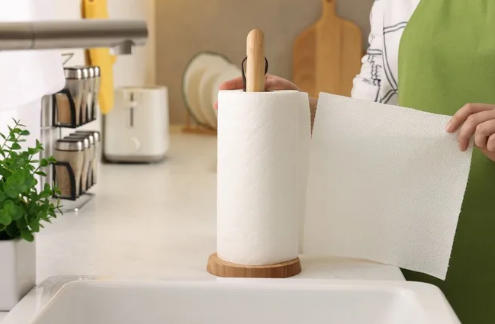
Kitchen paper towels need strong absorbency and wet strength because they end up used for wiping spills, cleaning surfaces, and dealing with food preparation steps. Often, thicker, multi-layer designs give better liquid uptake and longer-lasting durability, even with repeated blotting.
2. For Food Service and Hospitality
Restaurants, hotels, coffee shop, and catering operations often need tissue paper that matches their expectations, where look and cleanliness matter, and the customer experience is part of the equation.
Napkins used in dining environments should really be chosen according to the type of service. In casual restaurants people may go with economical single-ply or two-ply napkins, but luxury hotels and fine dining venues usually prefer thicker , softer napkins that add a premium feel.
When it comes to food-related use, tissue paper should match the proper hygiene and safety requirements. The materials need to be clean , odor-free, and safe for contact with food. White tissue paper is often favored because it gives a neat look, whereas colored or decorative napkin options might be picked to fit branding and event themes.
Hospitality operations should also think about packaging design and how easy it is to dispense. Individually wrapped tissues or controlled dispensing systems can help improve hygiene especially in public spaces like hotels, airports, and office buildings.
3. For Healthcare and Medical Applications
In healthcare settings, people typically expect tissue paper that meets higher hygiene standards, plus it needs to work reliably in day to day use. Hospitals, clinics, and nursing facilities often end up needing products that help with infection control and they also have to cope with frequent cleaning cycles, without falling apart.
For facial use, healthcare tissues should feel soft on skin, but still keep solid strength, so they do not tear too easily. If a patient has sensitivity issues, hypoallergenic properties might be chosen more often. In general, the goal is a balance between comfort and dependable performance.
When it comes to hand paper towels, medical environments usually require strong absorbency and durability. Disposable paper towels are frequently preferred because they can help limit cross contamination risk compared with cloth alternatives, even though the routine is already strict. Many tissue products made specifically for healthcare use are built around cleanliness, low lint generation, and consistent performance every time.
Packaging matters too, because tissues are stored between uses and handled in busy areas. Dispensers that are easy to access along with sealed packaging can protect the product from contamination before it is taken out. That way the tissue quality stays stable through the whole process.

4. For Commercial and Industrial Applications
In commercial and industrial settings people often select tissue paper products that stay useful even with heavy duty handling. Things like offices, factories, workshops, and public facilities can care about efficiency , durability, and also overall cost control.
When it comes to office bathrooms, the tissue paper usually has to hit that awkward midpoint between gentle feel and practical spending. Using high-capacity rolls, and bulk packaging choices can lower how often staff have to refill, and it can help operating costs in busy places.
For industrial wiping use cases, many customers want tissue products with greater strength and absorbency. These industrial tissues are frequently built for lifting oil, grease, chemicals, or other residue from equipment and work surfaces. They usually include reinforced structures so the sheet keeps its integrity during demanding tasks.
5. Environmental Impact and Sustainability
Sustainability has become a more and more important factor when selecting tissue paper. People and companies are paying closer attention to responsible sourcing, recycled materials, and environmentally friendly manufacturing methods.
Recycled tissue paper can help lessen reliance on new wood fibers and support waste reduction plans. Still, the texture and softness of recycled tissue products can vary a lot depending on the production technology.
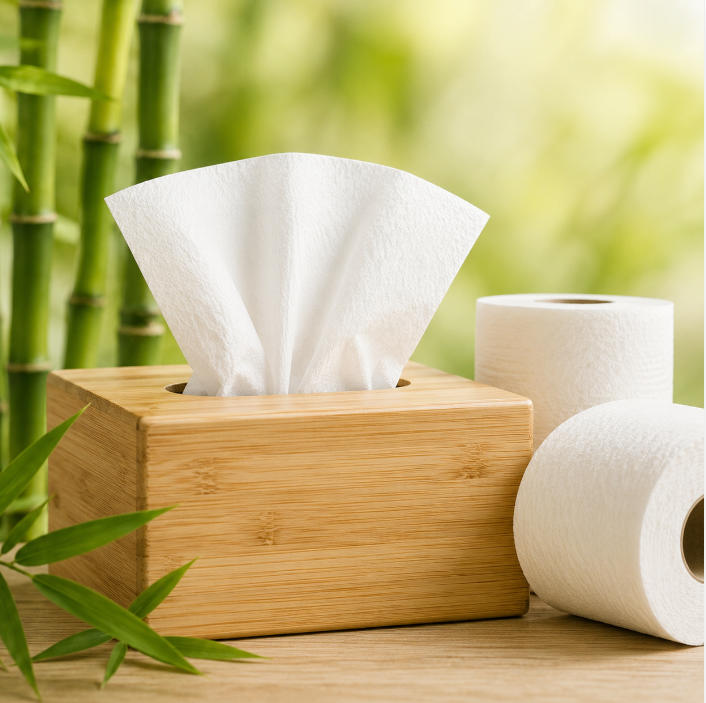
Bamboo tissue paper is a sustainable choice made from a fast-growing renewable resource. It helps reduce reliance on traditional wood pulp, supports forest conservation, and provides an eco-friendly alternative with good softness and strength.
Tissue paper made from responsibly managed forests may show certifications that signal sustainable sourcing practices. Organizations that want to improve environmental results should look at both the raw materials and the entire manufacturing process, not just one part.
Reducing on unnecessary use is also a key sustainability approach. Choosing tissue paper with the right strength and absorbency can help users reach the needed cleaning effect with less material.
6. Ply, Thickness, and Roll Design
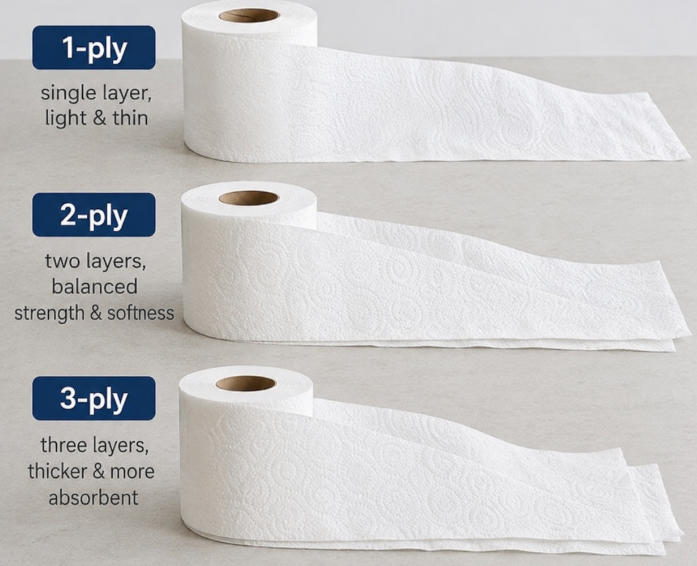
The number of layers, or plies, directly affects tissue paper performance. Single ply tissue is often more cost effective and fits simple needs, while two-ply, and then three-ply items tend to deliver more softness, better absorbency, and improved strength.
Heavier tissue paper, usually feels more comfortable and holds up longer, but it can cost more. The best decision really depends on what you use it for, and how often it gets used.
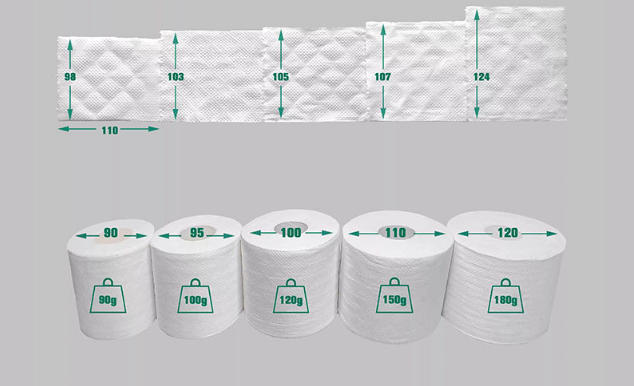
Roll size and sheet design in tissue paper also matter. Big rolls work well in busy commercial areas, where traffic is high, and smaller rolls can be more convenient for homes. Embossed patterns can raise softness, add perceived thickness, and help liquid absorption by giving extra surface space to interact with moisture.
| Application | Recommended Ply & Design Choice | Main Reason |
| Facial Care | Two-ply or three-ply soft tissue with embossed design | Provides gentle touch and reduces skin irritation |
| Bathroom Use | Two-ply or three-ply standard rolls or jumbo rolls | Balances comfort, strength, and cost efficiency |
| Kitchen Cleaning | Thick multi-ply rolls with high absorbency | Handles spills, moisture, and repeated wiping |
| Restaurants & Hotels | Premium two-ply/three-ply napkins or interfold tissues | Enhances customer experience and hygiene |
| Healthcare Facilities | Soft multi-ply tissue paper with controlled dispensing designs | Supports cleanliness, comfort, and infection control |
| Industrial Cleaning | Heavy-duty multi-layer rolls with strong wet strength | Withstands oils, grease, and demanding cleaning tasks |
| Public Facilities | Jumbo rolls or interfold systems | Reduces maintenance frequency and controls consumption |
7. Cost vs. Performance
Price counts, but the least expensive tissue paper is not always the most economical. Lower grade products may require more sheets each time, which can lead to greater overall use later on.
When comparing different tissue papers, buyers should really weigh cost along with performance bits like absorbency, durability, sheet size, and how often it gets used. A somewhat better product can end up being more sensible because it may reduce waste and, at the same time, improve satisfaction for people using it.
For businesses purchasing tissue paper in large quantities, it also helps to think about storage needs, how well it packs, plus how dependable the supplier is over time, because that can change operations when inventories get tight.
Summary
Selecting the right tissue paper means looking closely at the use case, performance expectations, hygiene requirements, and environmental objectives. For home users, softness and comfort may matter most, whereas commercial and industrial buyers often lean toward strength, efficiency, and cost management.
By looking at the differences between materials, ply structure, how well it absorbs, durability, and sustainability features, consumers and business folks can pick tissue paper products that give the best mix of quality and value. Choosing the right tissue paper doesn’t just make everyday life easier; it also helps with wiser resource management and higher user satisfaction across a range of uses.