
Quality Control in Tissue Paper Manufacturing
Quality control (QC) plays an important role in tissue paper manufacturing to ensure that the product meets the high standards in terms of performance and customer satisfaction. Tissue paper is a daily necessity for activities like tissue and napkin uses to industrial concerns such as wipes, which put quality first not only to meet consumer expectations, but also to be in close adherence to industry regulations and to minimize product defects. This article will go over some of the critical processes and techniques used to institute high-quality standards in tissue paper production.

Key Factors in Quality Control for Tissue Paper Manufacturing
This chart highlights the core factors that impact tissue paper quality throughout its manufacturing process.
| Key Factor | Description |
| Strength and Durability | Ensures the tissue paper can perform its intended function without tearing easily. |
| Softness | Measures the tactile feel of the tissue to ensure it is comfortable for consumers, especially in sensitive applications like facial tissues. |
| Thickness and Density | Ensures the tissue paper is neither too thin (compromising durability) nor too thick (increasing production costs). Also impacts absorbency. |
| Absorbency | Assesses the ability of the tissue paper to absorb liquids efficiently, important for napkins, wipes, and toilet paper. |
| Uniformity | Ensures the tissue paper is consistent in texture, thickness, and weight throughout the production batch. |
| Fiber Quality | Inspects the length, type, and moisture content of the fibers to prevent issues in strength and texture. |
| Visual Inspections | Identifies surface defects like holes, wrinkles, or inconsistencies that may affect the usability of the tissue. |
| Roll Quality | Ensures that the tissue rolls are evenly wound, preventing issues such as loose ends or tight rolls. |
| Packaging Integrity | Verifies that the packaging protects the tissue paper from contamination, moisture, and physical damage. |
| Environmental Impact | Assesses the sustainability of raw materials, energy usage, and waste management during production. |

Stages of Quality Control in Tissue Paper Manufacturing
From the moment raw materials enter the production line to the final packaging stage, each step of the tissue paper manufacturing process requires quality control to keep consistency in the products produced and eliminate any defects.

1. Raw Material Inspection
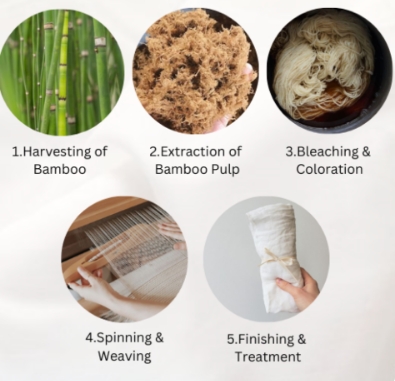
Creating fine quality tissues starts with raw material checks. Primary materials in tissue production are wood pulp (often obtained either from softwood or hardwood), recycled paper fibers and chemicals. Good quality raw materials are very important since they directly determine the final product’s different attributes of physical qualities like strength, softness, and absorbance.
Tissue paper manufacturers carry out multiple quality tests at this preliminary phase to ensure that the pulp is of the requisite identity and uniformity. The most important one involves the fiber lengths, that means long fiber leads to paper strength, while short fiber gives it an absorbent texture. Besides, moisture content, of course, must be watched very closely because excess water in the mix leads to troubles ranging from weak bonding to an uneven texture at production. Inconsistent raw materials from multiple sources might result in flaws in tissue paper, so thorough checks in this early stage become very important.
2. Production Line Monitoring
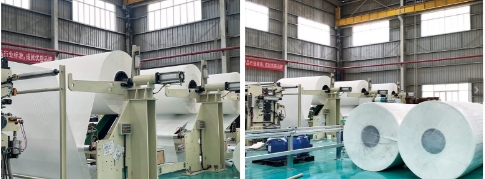
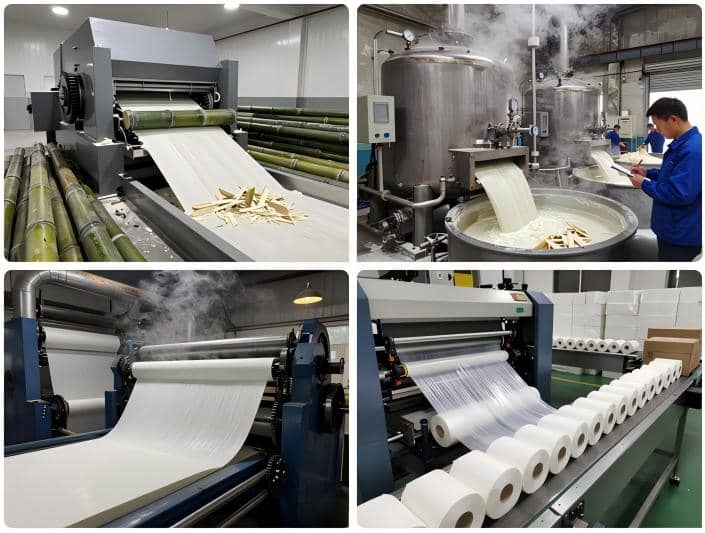
At this point, raw materials undergo processing through the production line. During this period, the critical characteristics of the tissue paper are determined. Given that the manufacturing of tissue papers undergoes there are a few key stages- pulping, refining, pressing, and drying. All are very strictly monitored.
Shredding and refining are crucial for making the fiber pieces into a slurry suitable for the production of paper. The problem of achieving the right balance between the critical elements of strength and softness is solved in the refining process, for if the fibers are over-refined, the paper would be weak, whereas under-refinement may result in an irritating and rough piece of paper without softness. This is a delicate stage for manufacturers, and for the creation of tissue paper that is just the right soft and strong for all intents and purposes, they need to keep in stride between the two factors.
Another significant aspect of production line monitoring centers around the calibration of the machines. Processing machines are equipped to control such issues as pressure, temperature, and speed – any variations within these parameters can lead to inconsistencies in paper thickness, texture, and weight. Regular calibration of these computer-controlled production machines is crucial to determine that the paper is, as desired, of consistent quality throughout its production process.
During this process, tensile strength testing is also performed to prove whether the tissue-paper product can withstand normal usage without tearing. The importance of this set of testing lies in specific products such as tissue papers and paper towels. This tissue paper must preserve their integrity under the influence of moisture.
3. Post-Production Testing
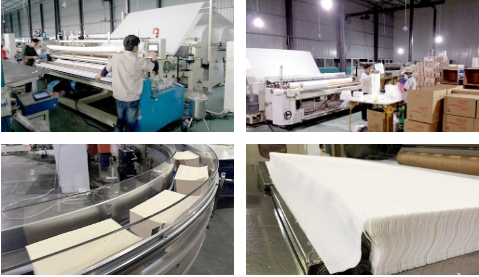
The actual rolled tissue is scrutinized at this stage for visual and functional characteristics needed to comply with the quality standards of the final product. This involved checks on checks of tissue aesthetics and functioning negativity.
Visual tests are crucial at this point. The quality control team scrutinizes the tissue for surface errors like holes, wrinkles, or discoloration. Such flaws may compromise the aesthetics and functioning of the tissue paper. Any roll that shows visible defects is discarded from the production line. They also perform checks on the texture and consistency of the paper. Tissue paper must be kept smooth and soft throughout. Any variation in texture and surface may cause performance degradation.
Another critical testing phase in post-production includes weight and thickness verification. Tissue paper within a roll has to meet certain weight and thickness requirements for it to be neither too thin that it would affect its strength and absorbency nor too thick that undue costs are offered. These successful checks repeated at certain intervals by manufacturers ensure that all the products from a certain production run measure up to the same specifications.
Also, at this point, absorbency tests are necessary, particularly for tissue product categories, such as tissues, service towels, and facial tissues. The ability to absorb moisture by the paper is one of the defining characteristics, and should the performance levels of this property vary from the expected, it indicates a flaw in the manufacturing process.
4. Packaging and Storage Inspection
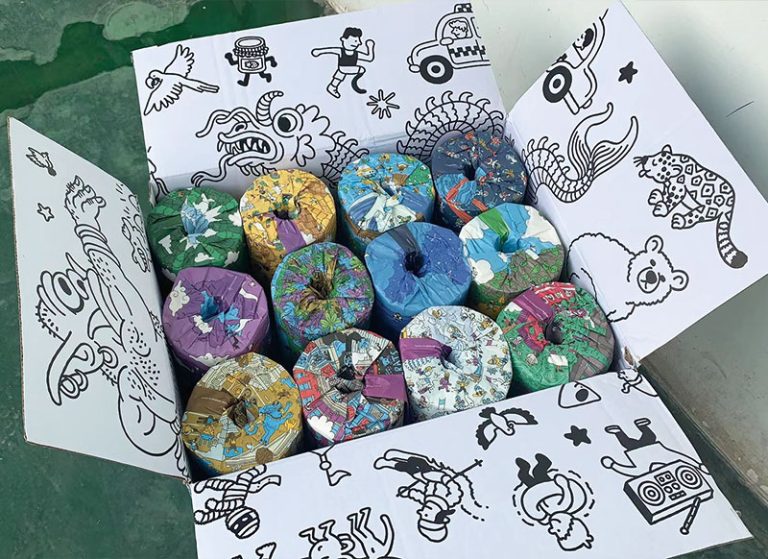
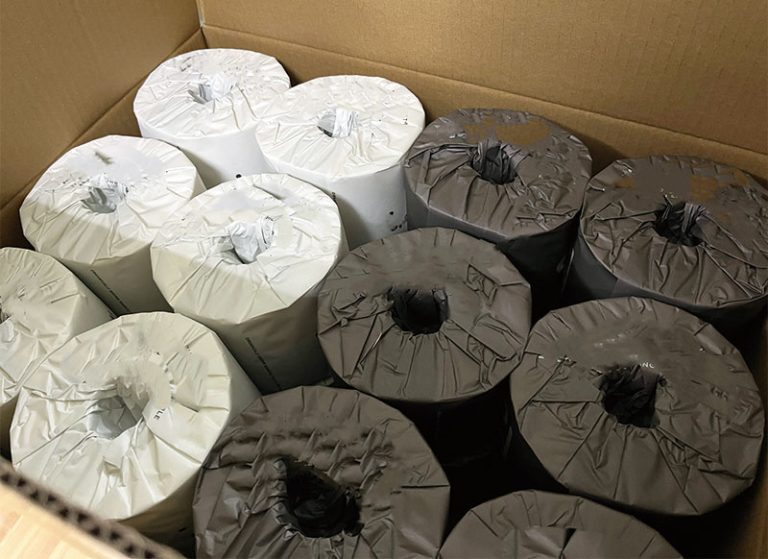
Packaging becomes an indispensable aspect of quality control when tissue paper gives the nod to post-production tests and moves to be wrapped up. Packaging will, after all, follow suit for sureness in safeguarding tissue from moisture, dirt, and some mechanical treatment. It is their turn; the quality control teams must check that the packaging materials are not defective and proper to ensure that the tissue is well protected for delivery and during storage.
Once tissue rolls are in this condition that they are ready for their next destination, they still undergo the evaluation where it is determined if the packaging is perfect. The roll has to be well-wound to finish up with a nice, even roll on the outside and which is neither excessively tight nor too loose as it would affect further usage. Sheet count checks must also indicate that the correct number of sheets is included.
Moreover, a detailed examination for moisture is undertaken during its stay at the warehouse. An abundance of moisture may percolate into the tissue paper rendering it wet, which adversely affects the tissue texture and its utility. It is imperative that the tissue is stored in such a controlled environment to protect and maintain its integrity until it is finally despatched for distribution.
5. Final Quality Check Before Shipping
A final quality check is performed before the tissue paper is sent for distribution. This final inspection aims to ensure that the quality of every single roll of tissue paper is good enough to be passed over to the consumers. The visual tests during this stage review are more thorough than inspections on previous occasions as each roll is assessed for any possible defects that might escape the earlier production stages.
At this stage, further feedback from the batches gone may also be considered. When a batch has shown a consistent problem in softness, absorbency, or strength, actions will be taken to recheck before the associated products leave the factory.
Challenges and Potential Solutions in Quality Control for Tissue Paper Manufacturing
| Challenge | Description | Potential Solutions |
| Inconsistent Raw Material Quality | Variability in the quality of fibers (wood pulp or recycled) can lead to inconsistent tissue performance. | Establish reliable supplier relationships, conduct rigorous testing of incoming raw materials, and use fiber blending to ensure consistency. |
| Moisture Control Variability | Fluctuating moisture content during production can impact tissue softness, strength, and drying efficiency. | Implement advanced moisture sensors and control systems to precisely monitor and adjust moisture levels throughout the manufacturing process. |
| Machine Calibration and Maintenance | Machines can drift from optimal settings, leading to variations in tissue thickness, weight, and quality. | Regularly calibrate machines, conduct preventive maintenance, and invest in automated systems that can adjust settings in real-time. |
| Texture and Softness Variability | Achieving consistent softness is challenging, particularly with varying raw materials and machine conditions. | Use advanced tactile testing equipment and adjust refining, pressure, and drying processes to optimize fiber bonding and paper texture. |
| Defects in Tissue Paper | Common defects include holes, wrinkles, spots, or uneven surface quality, which can lead to product rejection. | Implement automated vision systems for defect detection, perform frequent manual inspections, and adjust machine speed and tension to minimize defects. |
| Color and Brightness Inconsistency | Variations in color and brightness, particularly after bleaching, can affect product appearance. | Standardize bleaching processes, monitor whiteness using color sensors, and implement consistent chemical treatments to maintain uniform brightness. |
| Weight and Thickness Control | Ensuring consistent paper weight (gsm) and thickness can be difficult, especially with varying raw material qualities. | Employ automated systems to monitor and control paper weight, adjust pressure, and regulate the paper formation process. |
| Packaging and Handling Issues | Improper packaging can result in tissue damage or contamination during storage and transportation. | Invest in quality packaging materials, automate packaging processes, and conduct final product inspections to ensure secure packaging. |
| Environmental Regulations Compliance | Meeting environmental regulations regarding chemical use, waste management, and emissions can be complex. | Implement sustainable manufacturing practices, use eco-friendly chemicals, and set up effective waste recycling and water treatment systems. |
| Cost Efficiency vs. Quality | Balancing cost constraints while maintaining high-quality standards can be challenging. | Optimize production processes, reduce waste, and implement lean manufacturing principles to improve both quality and cost efficiency. |
Emerging Trends in Quality Control for Tissue Paper Manufacturing
In any sector of tissue paper production, improvements in quality translate into the higher demands for quality, sustainability, and efficiency. With advancements in technology, changing consumer preferences, and the growing focus on environmental impact, the future of quality control in tissue paper manufacturing looks poised for significant transformations.
1. Integration of Advanced Automation and AI
One of the most prominent trends in the future of quality control in tissue paper manufacturing is the integration of advanced automation and artificial intelligence (AI). These technologies will revolutionize the way quality is monitored and maintained throughout the production process.
A thorough gauge on the tissue paper qualities and faults is possible through AI-driven systems thanks to their edge cutting capabilities in terms of threshold precision and identification of anomalies. Researchers usually do this with artificial intelligence applications as they are core when it requires the assignment of critical tissue-paper-related objects such as marks, impurities, or undesired mass distribution. For instance, linear regression could improve the prediction of visible defects. Photoelectric control technologies, which may associate with spectrometer-like few frequencies, offer, however, another technical consideration.
The calibration of the machinery for all of the different assemblies can never be exceeded, whatever the needed settings are, with the benefits of micro-adjustment. From a suite of programmed steps, paper tissue is weighted and devolved by the calibration table. Pattern restoration in real time-cutting, adjustments, and settings on-demand; this alone keeps running, within the context of ongoing events and preparation, into calibration designs that consider tendencies associated with regulatory tendencies. Consequently, this keeps manifestly in currency base parameters that allow several such nature tests such as manual or automated acts, and integration, without going through the trouble of any other act.
2. Real-Time Monitoring and Predictive Analytics
In the future, quality control will move towards online monitoring and prediction analytics. More developed sensors and monitoring systems will now be integrated along the production line to capture the essential measures of quality during the production process, including thickness, tensile strength, moisture, absorption, and so much more.
Predictive analytics also helps manufacturers to predict possible problems and take corrective measures before any problems. In such a scenario, for example, in an inspection pattern that provides real-time data that suggests that the tissue paper will be defective, further product adjustments are taken immediately to fix for the detected issues before any waste and downtime are realized.
Continuous monitoring helps not only to improve quality but also to increase manufacturing yield, to intercept and sort out issues before they grow to an insurmountable limit.
3. Enhanced Sustainability Practices
Sustainability is becoming increasingly more important for the consumers and producers. Sustainability will be the main spotlight in the future in tissue paper manufacturing, which includes not only the procurement of raw materials but also production processes, including quality conduct.
Sustainable practices will be focused on future quality control, thereby promoting the use of more sustainable materials like recycled fibers or alternative fibers, such as bamboo, hemp, etc and sustainable production techniques. Manufacturers will also invest in closed-loop systems to minimize water and energy consumption, with the waste materials generated during the production of an application.

Improved technology in quality control means that there will be enhanced product-quality measurement, thereby decreasing waste during the production process. For instance, if one wishes to use eco-friendly packaging in tissue paper, the products can be packaged with minimal use of resources, thus minimizing the general volume of materials required.
4. Advanced Testing Methods for Customization
As consumers’ interest in bespoke cleaning paper products grows, how can a manufacturer apply some well-deserved recognition to its quality control system for unlimited possible product specifications? Future quality control tenets will foresee highly specialized testing methods that will be executed to ascertain the state of every tissue product coming out of fairly limited or rigorous uniqueness; such qualities might be fiber type, texture, scent, or other particular unique biological elements.
For instance, tissue paper made for specific hygiene products may require more stringent testing for absorbency, softness, or durability. Nonetheless, the contribution of future testing systems that can gauge these properties with precision and speed will be very important in ensuring the supply of any unique product. The expertise to follow top-quality practices in delivering tissue paper tailored as per personal requests will be a big characteristic that helps in meeting the demands of such niche markets.
5. Data-Driven Quality Control
Manufacturers are likely to rely more heavily on data-driven quality control, especially in years to come. This will be of major importance for purposes of product consistency and production efficiency. In this context, high volumes of data flowing from sensors, AI systems, and IoT devices will require advanced software for processing and interpretation.
Advanced analytical tools would help manufacturers spot change, keep track, and predict what could happen in order to optimize the quality control process. For instance, through data-driven findings, they may indicate the best possible mix of fiber length, moisture content, and machine settings that will result in softest, durable tissue paper.
This assimilation of data with the programs of quality control will aid companies in honing their strategies continually to adapt to changing consumer preferences or production challenges, rendering them more integrated and scalable.

Summary
Quality control in tissue manufacturing is a very complex process from the inspection of raw materials to final packaging. Through advanced technologies and rigorous testing methods, manufacturers can assure with certainty that their products are strong, soft and absorbent, while being environmentally friendly. These strategies, used in quality control, will be redone with evolving consumer demands, ensuring that tissue paper will remain a high-quality and trusted product in our everyday life.