
Multi-ply Toilet Paper: Performance Differences
Multi-ply toilet paper is widely used in homes, commercial spaces, and hospitality settings, mainly because of its improved comfort, strength, and absorbency compared with single-ply alternatives. But okay, not every multi-ply brand or type works the same. For example, the number of layers, the kind of fiber used, the way it’s made, and the surface design, all that stuff can really change how soft it feels, how long it lasts, how it behaves in the toilet, and even the whole day-to-day experience. When people understand these key differences, they can select the most suitable toilet paper based on comfort needs, budget realities, and environmental aims.
Understanding the Structure of Multi-ply Toilet Paper
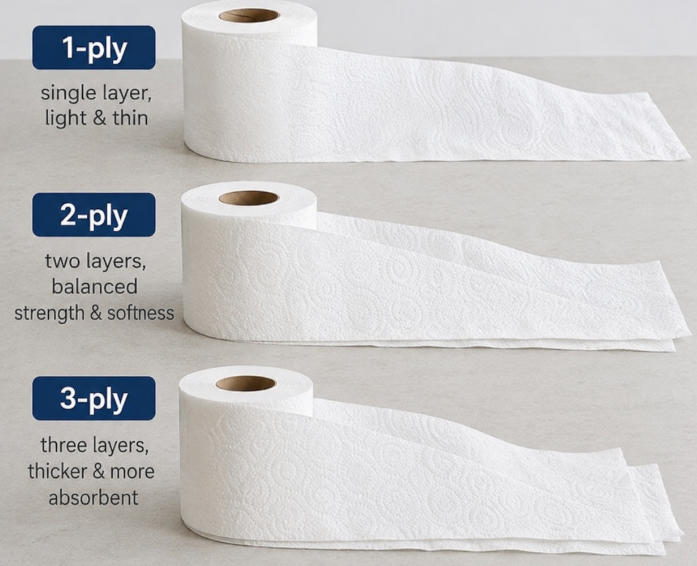
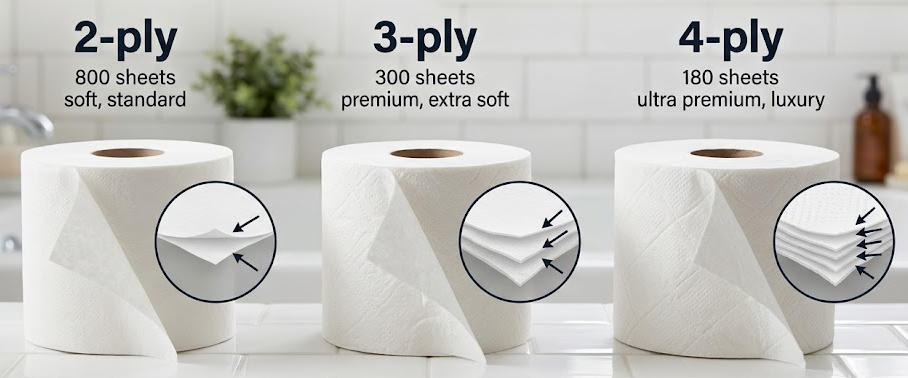
Multi-ply toilet paper is basically several tissue sheets combined into one continuous product. You’ll usually see 2-ply, 3-ply, and 4-ply options on the shelf. Each layer does its own job for the final result. In general, extra layers tend to add a bit more thickness, and that cushioning feeling. Still, it’s the manufacturing method that decides how smoothly the layers bond and how consistently they act together, like a coordinated surface.
So, the internal structure of multi-ply toilet paper tends to affect:
- Thickness and cushioning
- Absorption capacity
- Tear resistance
- Surface softness
- Dissolution speed after flushing
Higher ply counts often signal premium sure. Yet the real story is the mix of fiber materials, production processes, and design choices at the same time, not just the number on the package.
Key Performance Differences in Mult-ply Toilet Paper
1. Ply Count and Thickness
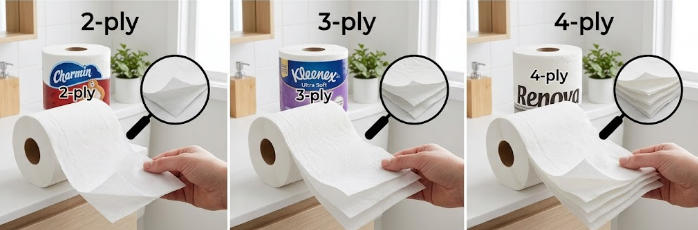
The number of layers is one of the most obvious differences between multi-ply toilet paper products.
| Ply Count | Structure Description | Thickness Level | Performance Characteristics | Common Applications |
| 2-Ply | Two tissue layers bonded together | Moderate thickness | Good balance of softness, strength, absorbency, and cost; provides improved comfort compared with single-ply products | Homes, offices, restaurants, schools, and everyday use |
| 3-Ply | Three tissue layers combined into one product | Higher thickness | Enhanced softness, cushioning, absorbency, and durability; offers a more premium user experience | Residential premium markets, hotels, healthcare facilities, hospitality applications |
| 4-Ply | Four tissue layers forming a thicker structure | Maximum thickness | Superior softness and comfort; high absorbency and strength; requires more raw materials and may dissolve more slowly | Luxury hotels, high-end residential use, premium tissue products |
2. Softness and Comfort
Softness is kinda one of the most important things when you choose toilet paper. The multi-ply construction helps softness a lot, because it makes a thicker, more flexible surface or what people often call a gentle feel. Of course, softness isn’t only about that, several other bits matter too, and they can be a little tricky:
- Fiber quality
- Layer bonding technology
- Embossing patterns
- Tissue density
- Surface smoothness
For example, premium multi-ply toilet papers usually use carefully processed fibers, this is done to get a smoother texture. On top of that, embossing tech can make things feel softer by adding small air pockets, they give extra cushioning, in a way that you kinda notice right away.
So yeah, higher ply counts often lead to a softer touch but a well made two-ply product can sometimes beat a badly manufactured higher-ply option.
3. Absorbency Performance
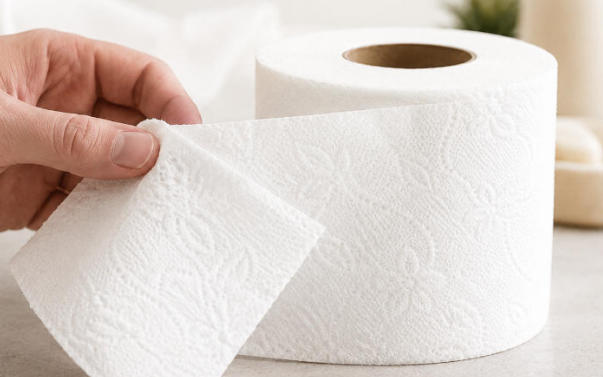
Absorbency is basically how well toilet paper manages to grip moisture while it’s being used.
Most multi-ply toilet paper tends to perform better in this area because, more layers means extra storage space for liquids, the added thickness helps it keep hold of moisture longer and the embossed or patterned texture can spread the liquid across the tissue more evenly.
In general, 3-ply and 4-ply options absorb more liquid than the two-ply versions. Still, the fiber composition is a huge factor too, not just the number of plies.
Virgin pulp fibers often deliver excellent absorption since they tend to be longer and more pliable. Recycled fibers can work well as well but they may need extra processing to reach a similar level of performance.
4. Strength and Durability
Strength is another noticeable difference between multi-ply toilet paper types. When the tissue is stronger, it tears less easily, and that improves user confidence.
Dry Strength
Dry strength means the ability of toilet paper to stay intact and maintain its structure before it even meets moisture.
Higher-strength multi-ply products usually offer:
- Better resistance to ripping
- Improved manageability
- More effective usage
Wet strength
Wet strength is basically how well the tissue holds up when it gets exposed to water.
A solid multi-ply toilet paper should keep enough sturdiness during actual use, while still being able to disintegrate cleanly after flushing.
Manufacturers usually tune this balance with a few things:
- Fiber selection
- Layer bonding techniques
- Controlled manufacturing run, pacing and conditions
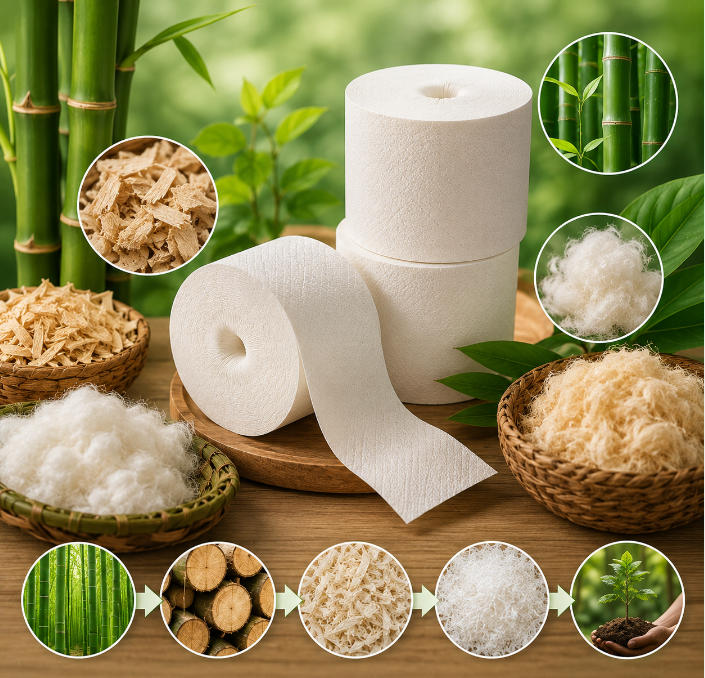
5. Fiber Materials
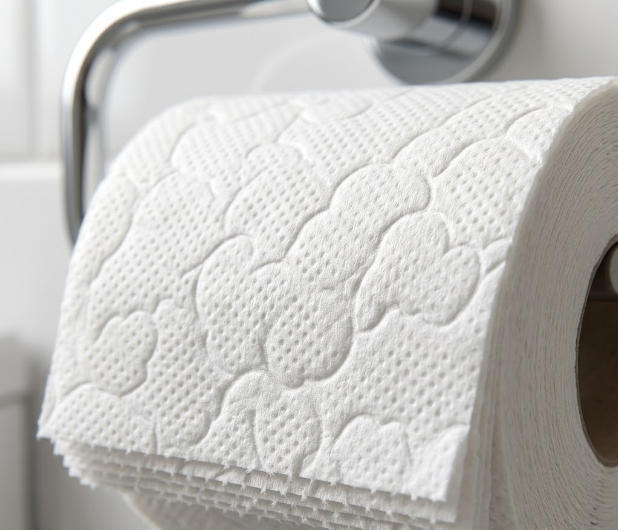
The raw materials used in multi-ply toilet paper strongly influence its quality and environmental impact.
| Fiber Material | Source Characteristics | Softness | Strength | Absorbency | Environmental Advantages |
| Virgin Wood Pulp Fiber | Made from newly processed wood fibers with longer and stronger cellulose structures | Excellent softness with a smooth and comfortable texture | High strength due to longer fibers and better fiber bonding | High absorbency and fast liquid absorption | Can support sustainable forestry when responsibly sourced |
| Recycled Paper Fiber | Produced from recovered paper materials that are processed and refined | Moderate softness; quality depends on recycling technology and fiber treatment | Good strength but generally lower than virgin pulp due to shorter fibers | Moderate absorbency; may require additional processing for improved performance | Reduces waste, saves resources, and supports circular economy practices |
| Bamboo Fiber | Made from rapidly renewable bamboo plants with natural cellulose properties | Soft texture with a smooth feel similar to premium tissue products | Good strength and flexibility when properly processed | Good absorbency due to fiber structure | Renewable resource with fast growth and lower dependence on traditional wood sources |
| Mixed Fiber (Virgin + Recycled/Bamboo Blend) | Combines different fiber types to balance performance and sustainability | Balanced softness depending on fiber ratio | Improved strength compared with fully recycled fibers | Good absorption with optimized fiber combinations | Reduces resource consumption while maintaining product quality |
| Alternative Plant Fibers | Produced from materials such as agricultural residues or specialty plant sources | Varies depending on processing technology | Depends on fiber length and treatment methods | Can provide acceptable absorption with proper manufacturing | Helps diversify raw material sources and reduce reliance on wood pulp |
6. Embossing and Layer Bonding Technology
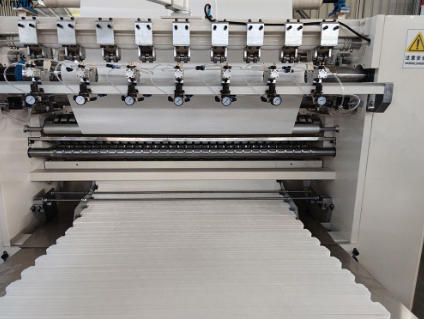
The manufacturing method changes how the multi-ply layers act together.
Embossing makes a texture or pattern right on the surface, and that helps with:
- Softness
- Thickness
- Absorption
- Visual appearance
Then the bonding methods, like the way layers are fused, influence:
- Layer stability
- Strength during use
- Product durability
When manufacturing is done well, several layers stay connected, yet they still break down rapidly after disposal.
7. Flushing and Dissolution Performance
One important difference with multi-ply toilet paper products is how quickly they go to pieces after flushing.
Some thicker options might feel nicer in hand, but they can dissolve more slowly, which is not always what you want.
A few things can affect that dissolving, like the fiber length, how strong the layers stick together, the paper density, and the manufacturing design, yes all of those matter.
For homes with older plumbing systems, or wastewater setups that are sensitive, it helps to pick a multi-ply toilet paper that has good dispersibility.
8. Cost and Application
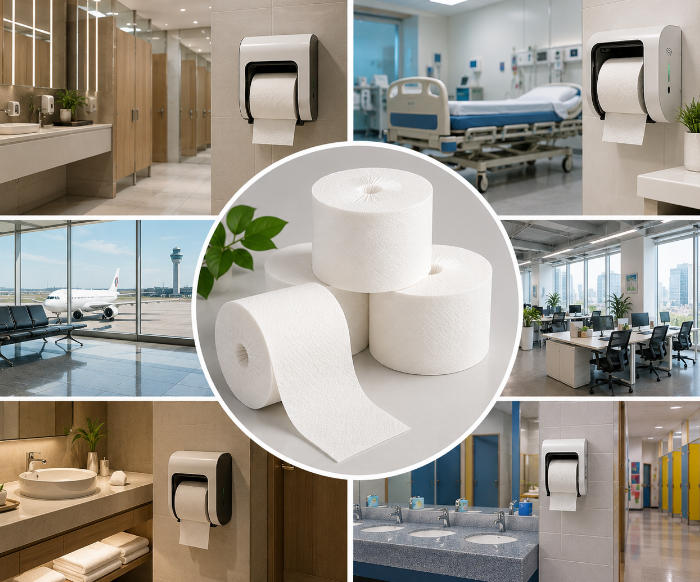
Different multi-ply toilet papers are designed for different usage environments.
| Multi-ply Toilet Paper Type | Cost Level | Material & Production Considerations | Performance Characteristics |
| 2-Ply Toilet Paper | Low to Medium | Requires fewer raw materials and has lower manufacturing costs compared with higher-ply products | Provides a good balance of softness, strength, absorbency, and affordability |
| 3-Ply Toilet Paper | Medium to High | Uses more fiber materials and additional processing steps to create extra thickness and comfort | Offers improved softness, cushioning, absorbency, and durability compared with 2-ply products |
| 4-Ply Toilet Paper | High | Requires more tissue layers, higher material consumption, and more advanced manufacturing processes | Provides maximum softness, thickness, and absorbency with a luxury feel |
Application-Based Selection
| Application Area | Recommended Multi-ply Type | Main Considerations |
| Household Daily Use | 2-ply or 3-ply | Requires a balance of comfort, softness, and reasonable cost |
| Hotels and Hospitality | 3-ply or 4-ply | Focuses on guest comfort, premium experience, and product quality |
| Offices and Commercial Facilities | 2-ply | Prioritizes cost efficiency, durability, and high usage frequency |
| Healthcare Facilities | 2-ply or 3-ply | Requires reliable strength, hygiene performance, and user comfort |
| Luxury Residential Markets | 4-ply premium products | Emphasizes maximum softness and high-end user experience |
| Eco-conscious Markets | Bamboo or recycled multi-ply products | Focuses on sustainable materials and reduced environmental impact |
9. Environmental Impact
Sustainability is turning into a big point when people choose toilet paper.
More layers can mean more raw materials, yet many tissue paper manufacturers are working on ways to lessen the environmental toll, including sustainable fiber sourcing, lighter tissue designs, reduced packaging, energy-efficient production, and better recycling processes.
The future direction for multi-ply toilet paper will be about improving performance while using fewer resources.
Key Factors to Consider for Choosing the Right Multi-ply Toilet Paper
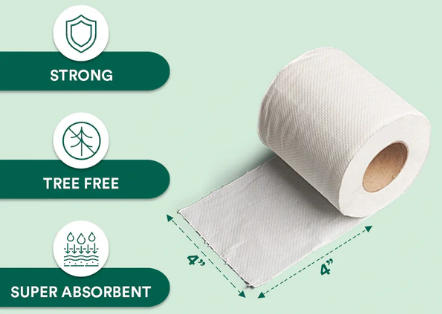
Selecting the right product depends on balancing comfort, performance, cost, and environmental considerations.
| Key Factor | What to Consider | Impact on Performance | Recommended Choice |
| Number of Plies | Choose between 2-ply, 3-ply, or 4-ply structures based on usage needs | More layers generally provide greater softness, thickness, and absorbency | 2-ply for daily use, 3-ply for premium comfort, 4-ply for luxury applications |
| Softness Level | Evaluate fiber quality, surface smoothness, and embossing technology | Higher softness improves user comfort and creates a premium experience | Select softer multi-ply tissue for homes, hotels, and high-end facilities |
| Absorbency Performance | Consider moisture-holding capacity and fiber structure | Better absorbency reduces paper consumption and improves efficiency | Choose higher-ply products with quality fibers for improved liquid absorption |
| Strength and Durability | Check resistance to tearing during dry and wet conditions | Stronger tissue provides better reliability and prevents breakage during use | Select reinforced multi-ply designs for high-frequency environments |
| Fiber Material | Compare virgin pulp, recycled fiber, and alternative fibers such as bamboo | Material choice affects softness, strength, sustainability, and texture | Use virgin pulp for premium performance and recycled/bamboo fibers for sustainability goals |
| Embossing Design | Consider patterns and layer bonding methods | Proper embossing improves thickness, softness, and absorption while maintaining layer stability | Choose products with advanced embossing technology for better performance |
| Flushing Performance | Evaluate how quickly the tissue breaks down after disposal | Good dispersibility helps prevent plumbing issues while maintaining strength | Select fast-dissolving multi-ply toilet paper for sensitive plumbing systems |
| Environmental Impact | Consider sustainable sourcing, recycled content, and packaging efficiency | Eco-friendly products reduce resource consumption and support sustainability goals | Choose responsibly sourced toilet tissue rolls or bamboo toilet paper when environmental performance is important |
| Cost Efficiency | Compare price, roll length, and consumption rate | Higher-priced products may provide better comfort but increase operating costs | Use 2-ply options for cost control and premium multi-ply options for enhanced experiences |
| Application Requirements | Match the product to residential, commercial, or hospitality use | Different environments require different balances of comfort, durability, and cost | Homes: 2–3 ply; offices: 2 ply; hotels: 3–4 ply |
Summary
- For everyday household use, a high-quality 2-ply or 3-ply toilet paper product often provides the best balance.
- Premium environments such as hotels and luxury facilities may prefer thicker multi-ply options, while commercial locations usually prioritize durability and cost efficiency.
Final Thoughts
The key differences in multi-ply toilet paper are shaped by ply count, fiber materials, manufacturing tech, absorbency, strength, softness, and environmental performance. When there are more layers, comfort and durability usually go up but the ideal option depends on the particular use case and what the user expects.