
How to Choose the Right Toilet Paper for Different Applications
Toilet paper is basically a daily necessity, used in homes, commercial buildings, healthcare facilities, hospitality, etc. Different applications of toilet paper products require different levels of softness, overall strength, absorbency, durability, and environmental performance. Selecting the right type of toilet paper can help with user comfort, it can lower waste, control operating costs, and make sure it’s compatible with plumbing systems.
Figuring out the specific needs for each application is essential when selecting toilet paper. Factors like how often it gets used, what people expect, the type of facility, maintenance needs, and sustainability targets, all steer you toward the best choice.
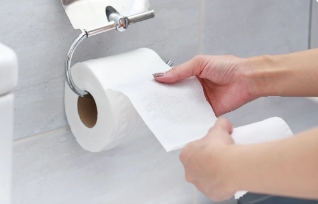
Understanding Different Types of Toilet Paper
Toilet paper is available in different types with various materials, ply structures, textures and production methods. Each type offers different benefits depending on the intended use.
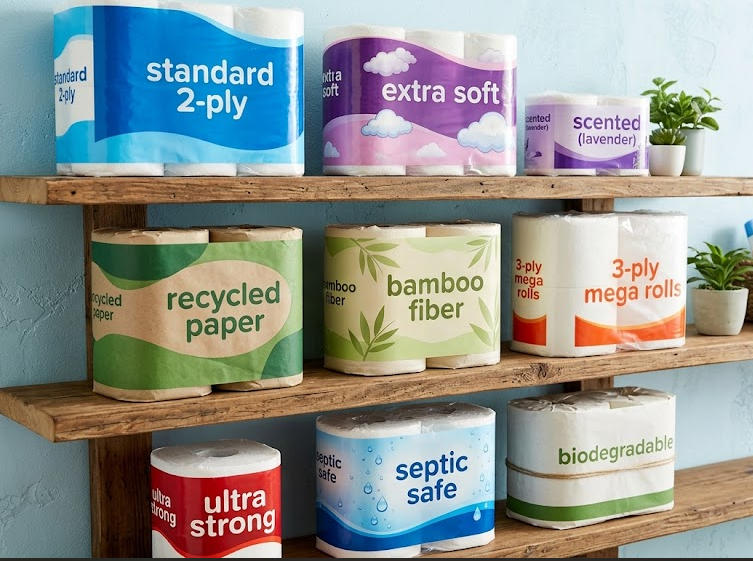
| Type of Toilet Paper | Main Material | Key Features | Advantages |
| Standard Virgin Pulp Toilet Paper | Fresh wood pulp fibers | Soft texture, good strength, reliable quality | Comfortable, smooth, and widely available |
| Recycled Toilet Paper | Recycled paper fibers | Made from recovered materials, eco-friendly production | Reduces resource consumption and environmental impact |
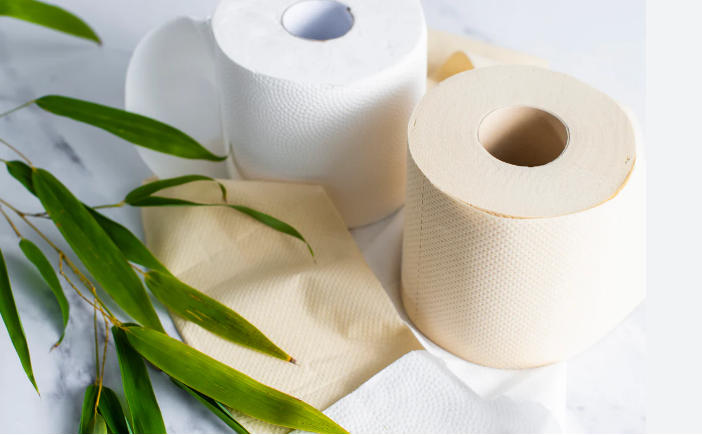
| Bamboo Toilet Paper | Bamboo fibers | Renewable material, soft and durable | Sustainable, biodegradable, and gentle on skin |
| Single-Ply Toilet Paper | Usually virgin pulp or recycled fibers | One layer of paper, lightweight design | Affordable, dissolves quickly, cost-effective |
| Two-Ply Toilet Paper | Two layers of paper fibers | Balanced thickness and softness | Better comfort, strength, and absorbency |
| Three-Ply Toilet Paper | Three layers of paper fibers | Thick, premium construction | Extra softness, high absorbency, luxurious feel |
| Ultra-Soft Toilet Paper | High-quality pulp fibers | Smooth surface and enhanced softness | Provides maximum comfort for daily use |
| Durable Toilet Paper | Reinforced paper fibers | Tear-resistant and highly absorbent | Uses fewer sheets and improves efficiency |
| Septic-Safe Toilet Paper | Fast-dissolving paper fibers | Designed to break down quickly in water | Helps reduce clogging risks and supports septic systems |
| Jumbo Roll Toilet Paper | Commercial-grade paper materials | Large roll size with more sheets | Reduces replacement frequency and maintenance costs |
| Fragrance-Free Toilet Paper | Natural paper fibers without added scents | No perfumes or artificial fragrances | Suitable for sensitive users and reduces irritation risks |
| Colored or Decorative Toilet Paper | Dyed paper fibers | Designed with aesthetic appearance | Adds decorative value for special settings |
Specific Requirements of Different Applications for Toilet Paper
1. Residential Bathrooms
Home bathrooms usually need toilet paper that keeps a steady balance between comfort, performance and the price you pay. Because family members use it every day, softness and general skin comfort are often the big priorities, not just how it feels in the moment but also how it holds up during regular routines.
Two-ply toilet paper is one of the more common choices for everyday household use. It gives a solid mix of strength along with comfort. That added layer helps with absorbency, and it also lowers the risk of tearing while using it. If a household wants a more refined experience, three-ply toilet paper can be a better option, it brings more thickness as well as a gentler texture.
In homes with children, elderly relatives, or anyone dealing with sensitive skin, fragrance-free and dye-free toilet paper can be really helpful. These options limit contact with unnecessary additives, and they tend to work well for regular, repeated use.
For large families, high-capacity rolls or products with more sheets per roll can make things easier day to day, because you are replacing it less frequently. If you also choose toilet paper with smart sheet usage, it can help steady household costs over time , without you having to think about it as much.
2. Hotels and Hospitality Facilities
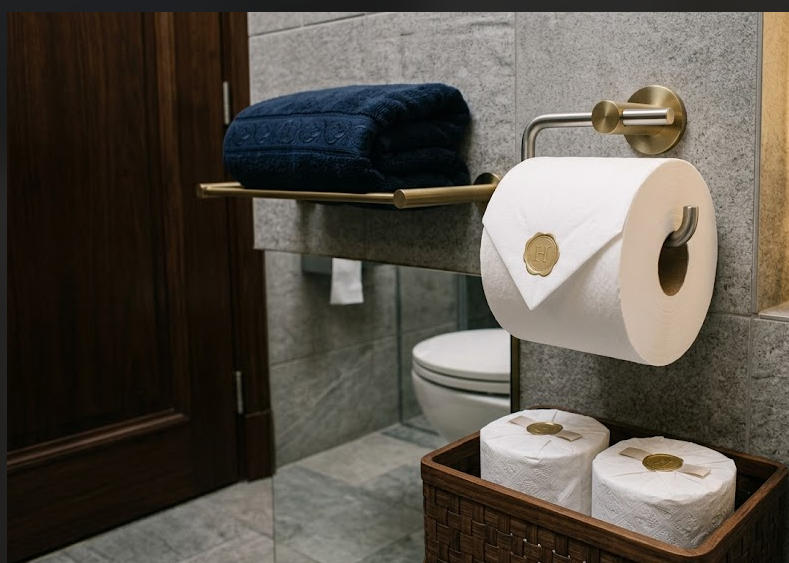
Hotels, resorts, and guesthouses really need toilet paper that matches higher expectations, especially around comfort and overall bathroom presentation. Many guests link bathroom quality with the rest of the service experience, so choosing the right product is part of customer satisfaction.
In hospitality settings, premium two-ply or three-ply toilet paper is frequently used, since it brings softness and durability plus a more refined feel. Better quality paper supports dependable performance, while also leaving a positive impression.
However, hotels really do need to balance operational efficiency, because nobody wants that constant scramble for restocking. Toilet paper should still have enough strength so it doesn’t fall apart, yet it should not guzzle product in a wasteful way. In practice, large-roll setups or controlled dispensing solutions can lower the maintenance load and make inventory management feel more reliable.
For hospitality operators aiming at environmentally responsible practices, recycled toilet paper or bamboo toilet paper can support sustainability goals while still giving guests an acceptable comfort level and performance.
3. Restaurants and Food Service Facilities
Restaurants and food service venues tend to see bathrooms used again and again, so they need toilet paper that is tough, practical in cost, and relatively easy to keep up with.
Commercial-grade toilet paper is commonly chosen, because it handles high traffic better and can reduce how often staff must replace supplies. Single-ply and two-ply choices are frequently used, depending on what customers expect and what the operating budget allows, in other words, the tradeoffs are clear.
Fast-dissolving toilet paper can also be helpful in restaurants, because when it gets used a lot, there is more chance of plumbing issues. Items made for quick breakdown help keep restroom service running smooth, and lessens messy downtime.
In addition, restaurants that focus on sustainability may select recycled paper products, as part of their environmental plans. They still aim to meet customer hygiene expectations, even if the materials come from reclaimed sources.
4. Offices and Commercial Buildings
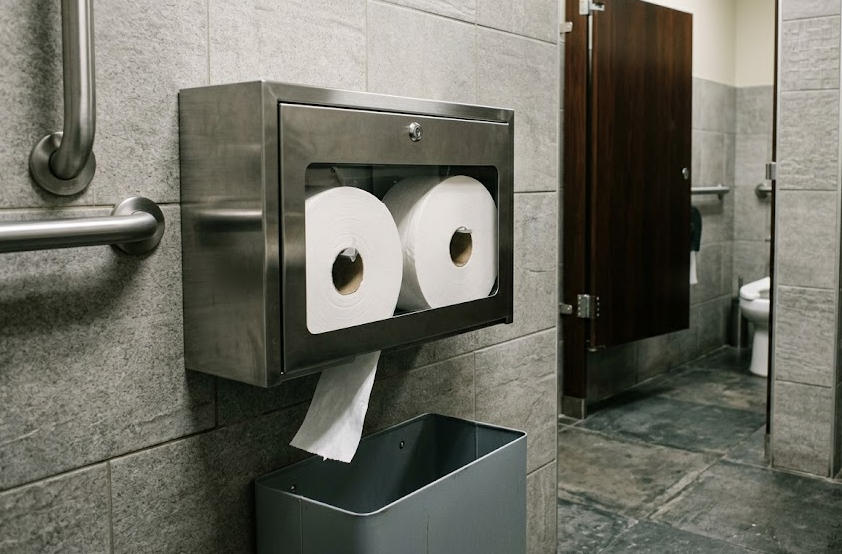
Office buildings, shopping centers, schools, and public facilities often need toilet paper that can handle frequent daily traffic. In places like these, cost control, dependable strength, and easy upkeep really matter.
Jumbo roll toilet paper is very common in commercial restrooms because the larger format means fewer swaps. That reduces labor expenses, and it keeps supplies available for everyone, without constant restocking.
Single-ply toilet paper is often picked for high-volume areas, because it gives an economical answer. That said facilities that want a bit more user comfort will sometimes go with a two-ply option, it tends to offer a nicer middle ground between cost and overall quality.
Dispensing systems should be thought about too when choosing toilet paper for commercial use. The right dispensers can help manage consumption, lower waste, and generally improve how the restroom is run.
5. Healthcare Facilities
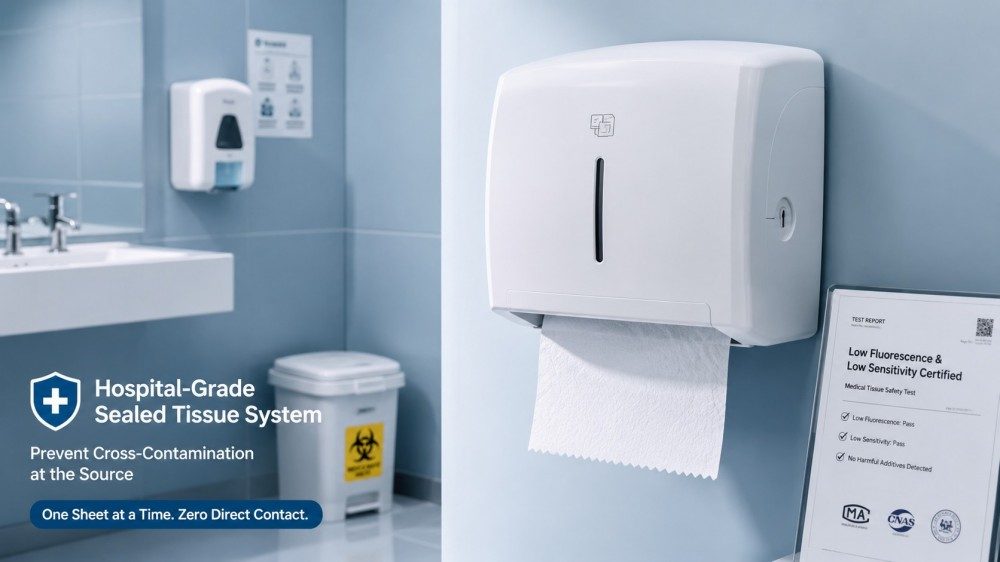
Hospitals, clinics, nursing homes, and other health care centers need toilet paper that follows strict hygiene standards and comfort expectations. Many patients have sensitive skin, or they may need the restroom more often, so softness and reliability matter more than usual.
In healthcare environments, fragrance-free toilet paper is commonly favored since it reduces the chance of irritation. A product that is strong and absorbent can support the user experience while also cutting down on excessive paper use.
Healthcare facilities also need products that help with efficient sanitation procedures, and it is not just about the toilet area. Easy-to-replace rolls, hygienic dispensing systems and reliable supply management are important when selecting toilet paper for medical environments.
6. Public Restrooms
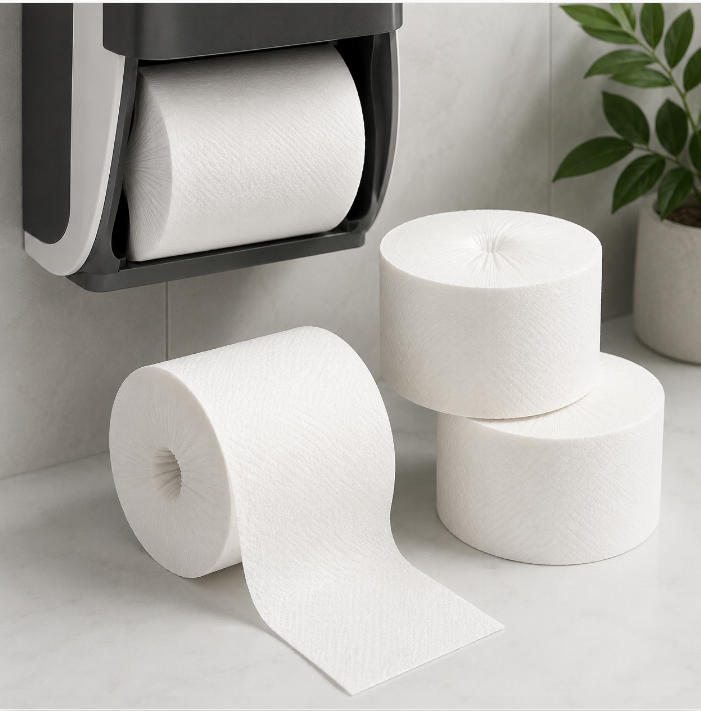
Public restrooms in transportation hubs, stadiums, and entertainment venues require products that can handle large numbers of users throughout the day.
Durability and cost efficiency are key factors in these applications. Commercial toilet paper with high sheet counts and strong construction helps reduce maintenance requirements and prevents frequent shortages.
Single-ply toilet paper is commonly used in high-traffic public areas because of its affordability and quick breakdown properties. In premium public facilities, stronger two-ply options may be selected to improve user satisfaction.
7. Septic Systems
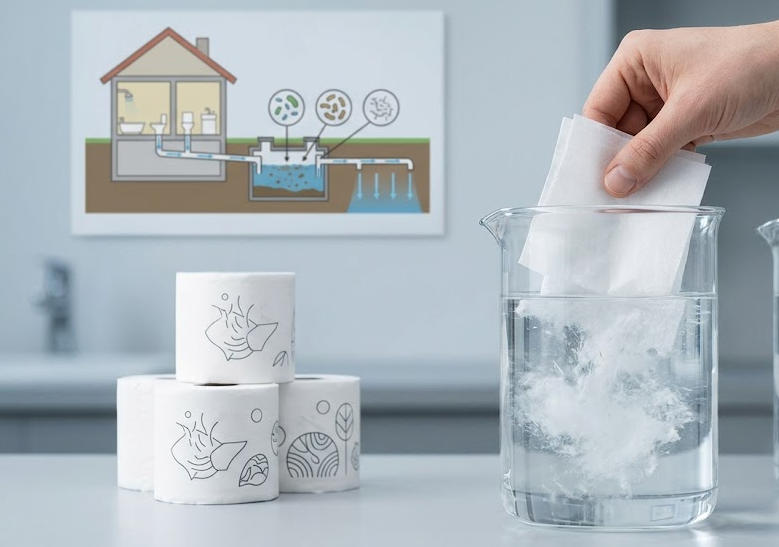
Homes and facilities using septic systems need toilet paper that dissolves easily to prevent blockages and maintain proper system performance.
Septic-safe toilet paper is specifically designed to break down quickly when exposed to water. Lightweight single-ply or fast-dissolving two-ply products are often suitable choices.
Users should avoid selecting toilet paper based only on thickness or softness, as some premium products may take longer to break down. Checking product specifications and septic compatibility can help prevent plumbing issues.
8. Sustainability
Sustainability has become an important consideration for many consumers and organizations. Eco-friendly toilet paper options focus on reducing resource consumption and minimizing environmental impact.
Recycled toilet paper helps reduce dependence on virgin wood pulp, while bamboo toilet paper offers a renewable alternative due to bamboo’s rapid growth cycle. These products are increasingly popular among environmentally conscious households, businesses, and hospitality providers.
When choosing sustainable toilet paper, users should consider the entire product lifecycle, including raw materials, manufacturing processes, packaging, and biodegradability.
Key Factors to Consider for Choosing the Toilet Paper
Selecting the right toilet paper requires evaluating several important factors.
| Key Factor | Description | Importance | Recommended Choice |
| Softness | Refers to the smoothness and comfort level of toilet paper during use | Improves user experience, especially for homes, hotels, and healthcare facilities | Premium two-ply or three-ply toilet paper with soft fibers |
| Strength | Measures the paper’s resistance to tearing when wet or dry | Reduces waste and ensures reliable performance | Strong two-ply or reinforced commercial toilet paper |
| Absorbency | Ability to absorb moisture effectively | Provides better cleaning performance and reduces the number of sheets needed | Thick, multi-layer toilet paper with high-quality fibers |
| Ply Count | Number of paper layers in each sheet | Influences softness, durability, and overall comfort | Single-ply for cost efficiency, two-ply for balance, three-ply for premium use |
| Material Type | The raw materials used to produce toilet paper | Affects softness, sustainability, and product performance | Virgin pulp for comfort, recycled fibers for sustainability, bamboo for renewable options |
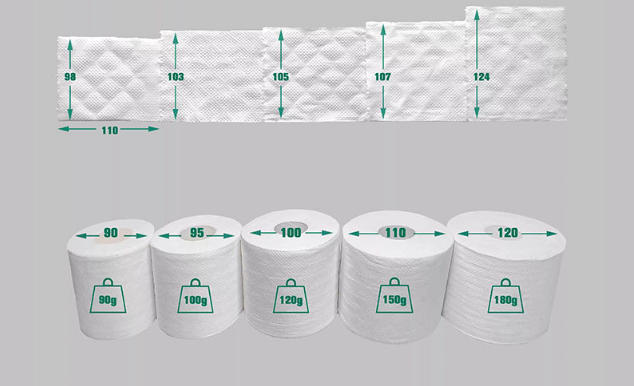
| Roll Size | Amount of paper contained in each roll | Determines replacement frequency and maintenance needs | Standard rolls for homes, jumbo rolls for commercial facilities |
| Skin Sensitivity | Suitability for users with sensitive skin or allergies | Reduces irritation caused by fragrances, dyes, or harsh materials | Fragrance-free and dye-free toilet paper |
| Usage Frequency | The amount of daily usage in a specific environment | Determines required durability and supply efficiency | High-capacity rolls for public facilities, comfortable rolls for homes |
| Cost Efficiency | Relationship between price, quality, and consumption rate | Helps control long-term purchasing costs | Products with high sheet counts and good performance balance |
| Dispenser Compatibility | Whether the toilet paper fits existing dispensing systems | Ensures smooth installation and easier maintenance | Compatible commercial rolls or standard household rolls |
Summary
Choosing the right toilet paper for different applications requires a careful balance between comfort, durability, cost, and sustainability.
- Residential users may prioritize softness and skin-friendly materials
- Commercial facilities often focus on efficiency and long-lasting performance.
- Hospitality businesses need products that enhance guest experiences
- healthcare facilities require gentle and reliable solutions.
Through understanding the requirements of each application, users can choose toilet paper that supports stronger hygiene, smoother everyday handling, and better overall value. The right choice means every environment, from home bathrooms to large public restrooms, has an appropriate solution for daily routines.