
Eco-friendly vs. Traditional Toilet Paper: How to Make a Choice
Toilet paper is an everyday necessity you can find in homes, offices, hotels, public facilities, etc. The growing environmental awareness has pushed consumers and organizations to reconsider what they choose. The argument between eco-friendly and traditional toilet paper revolves around things like sustainability, performance, cost, and the overall environmental impact. When you know the differences between the two options, people and businesses can make more grounded buying choices.
Understanding Eco-friendly Toilet Paper
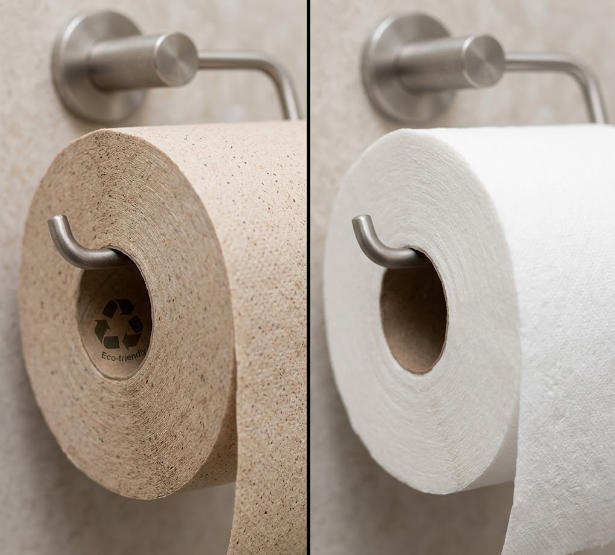
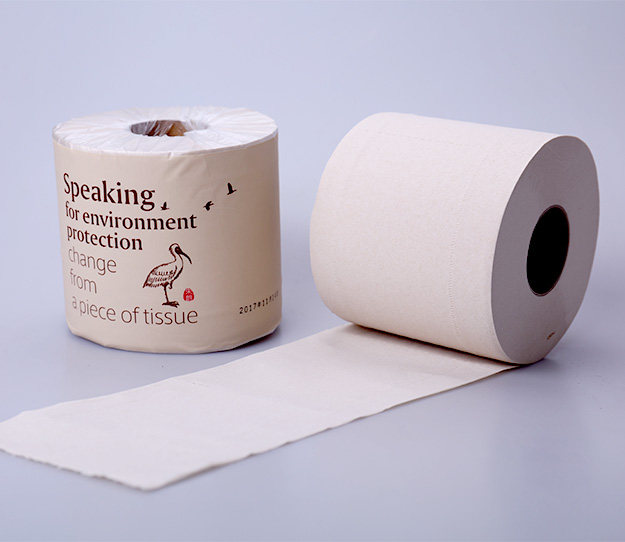
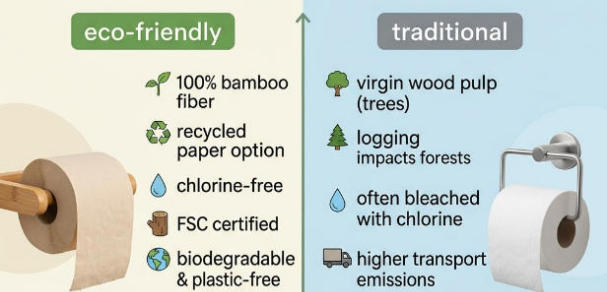
Eco-friendly toilet paper is usually made from renewable resources or recycled materials, like bamboo, sugarcane bagasse, or post consumer recycled paper. The production steps often skip chlorine bleaching and can reduce water and energy use compared with traditional wood pulp based toilet paper. Many makers also highlight biodegradable packaging, plastic free wrapping, and certifications that signal responsible forestry or sustainable sourcing practices.
Advantages
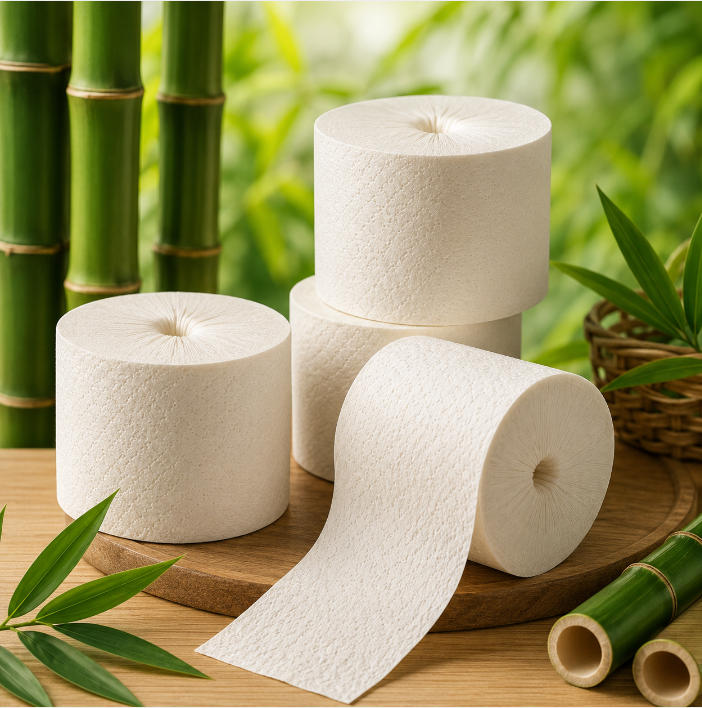
- Reduced Environmental Footprint: A primary advantage is the lower environental impact. Bamboo and recycled fibers lessen reliance on new virgin wood pulp, which can help slow deforestation, and protect natural habitats. Bamboo in particular grows fast and needs fewer resources to be cultivated .
- Lower Chemical Usage: More eco-friendly choices tend to skip tough substances like chlorine bleach and synthetic fragrances. As a result , there is less chemical runoff during production and the final paper may feel more considerate for people with sensitive skin.
- Biodegradability and Septic Safety: Most eco-friendly toilet papers are made to dissolve or break down sooner in water systems. This makes them more compatible with septic tanks and lowers the chance of annoying plumbing blockages.
- Sustainable Packaging: Many brands use packaging that is recyclable, compostable, or plastic-free. That means less household plastic waste overall, during everyday use.
Limitations
- Higher Cost: Eco-friendly toilet paper is often priced higher than regular options. The use of sustainable raw materials plus fair labor and ethical production standards usually add to manufacturing costs, and those add ons show up in what you pay at the store.
- Availability and Variety: Even though it is more common now, eco-friendly toilet paper can be less present in some places, or it might come with fewer options, like thickness , softness or different ply levels.
- Perceived Texture Differences: Some people notice differences in feel, firmness, strength, or absorbency compared to toilet paper made from virgin pulp. Even with improvements over the last few years, what feels right can still vary from one person to the next.
- Performance in Heavy Use Conditions: In some situations, eco-friendly options can break down more quickly. That is usually helpful for plumbing, but it may mean you need to use extra sheets per session depending on your own comfort preferences.
Types of Eco-friendly Toilet Paper
| Type | Raw Material | Advantages | Limitations |
| Bamboo Toilet Paper | Bamboo fibers | Highly renewable, soft texture, strong, biodegradable | Can be slightly more expensive than conventional options |
| Recycled Paper Toilet Paper | Post-consumer recycled paper | Reduces landfill waste, widely available, cost-effective | May be less soft than virgin pulp products |
| Sugarcane Bagasse Toilet Paper | Sugarcane waste fiber (bagasse) | Utilizes waste materials, sustainable, good strength | Limited availability in some regions |
| Hemp Toilet Paper | Hemp plant fibers | Very strong, fast-growing crop, minimal pesticides required | Higher production cost, less common in retail |
| Wheat Straw Toilet Paper | Wheat crop residue | Reduces agricultural waste, biodegradable, renewable | Texture may be rougher depending on processing |
Understanding Traditional Toilet Paper
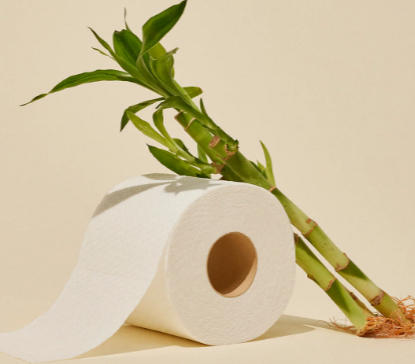
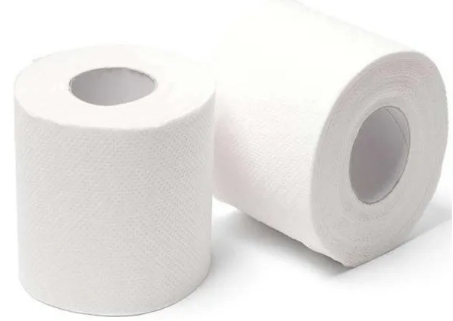
Traditional toilet paper is usually made by using wood fibers that come from softwood as well as hardwood trees, then those fibers get treated and processed, and after that they are bleached (often using methods that are chlorine-based or chlorine free), then they get formed into thin, soft sheets. Afterward the sheets are layered, like 1-ply , 2-ply, or 3-ply, to reach the level of strength and comfort people expect. Since this approach depends a lot on virgin pulp, the whole thing is closely tied to forestry management policies and to big industrial processing lines.
Advantages
- High Softness and Comfort: A big reason it stays popular is its softness. Virgin wood fibers tend to be longer and more consistent, this helps makers create smoother, more comfortable sheets.
- Strong and Reliable Performance: Traditional toilet paper often provides solid tensile strength, especially in multi-ply versions. It generally stays intact during use without easily tearing, so it feels dependable for everyday hygiene routines.
- Wide Availability: It is globally produced and widely available in nearly every retail environment, from supermarkets to convenience stores. Consumers also profit from a broad range of brands, ply levels, and pricing options, which can feel a little convenient overall.
- Cost-Effective Production: Large-scale industrial production keeps traditional toilet paper relatively affordable. The economies of scale, helps maintain competitive pricing compared with many eco-minded alternatives.
- Variety of Options: People can choose between scented or unscented types, embossed, ultra-soft, extra-strong, or lotion-enhanced versions depending on preference and budget, and sometimes availability in a local aisle.
Limitations
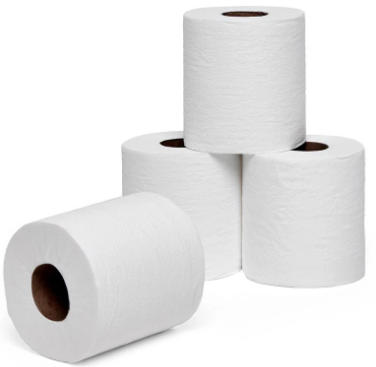
- Environmental Impact: A major concern is its reliance on virgin wood pulp, which can fuel deforestation if it is not responsibly sourced. Even when forestry is certified, the environmental footprint is generally higher than recycled, or bamboo-based alternatives.
- High Water and Energy Use: Manufacturing takes a lot of water and also uses energy, especially when they do pulping, bleaching, and then the drying parts.
- Chemical Processing Concerns: Some traditional toilet paper lean on chlorine based bleaching agents, and if that is not managed carefully they can end up forming harmful byproducts. Even with safer options, there is still chemical processing involved.
- Waste Generation: Conventional toilet paper is meant for one time use and then it ends up in household waste. After it is used it is not really reusable, or straightforward to recycle, so it keeps adding to the environmental burden.
- Septic System Sensitivity: Most of the time it is fine for plumbing, but thicker, or heavily treated options may break down more slowly, and that could add to minor clogs in systems that are more sensitive.
Types of Traditional Toilet Paper
| Type | Raw Material | Advantages | Limitations |
| Virgin Pulp Toilet Paper | Fresh wood pulp from trees | Soft, strong, widely available | Higher environmental impact due to deforestation and water use |
| Bleached White Toilet Paper | Virgin or mixed pulp treated with bleaching agents | Hygienic appearance, soft feel, consistent quality | Chemical processing increases environmental burden |
| Unbleached (Natural) Toilet Paper | Virgin wood pulp without bleaching | Fewer chemicals used, slightly more eco-friendly than bleached | Less soft, less visually appealing to some users |
| Quilted Toilet Paper | Layered virgin pulp sheets | Comfortable, highly absorbent | More expensive, higher resource consumption |
| Embossed Toilet Paper | Virgin pulp with patterned texture | Better grip, improved absorbency | Slightly higher manufacturing cost |
| Perfumed Toilet Paper | Scented virgin pulp | Pleasant smell, premium feel | May cause irritation for sensitive skin |
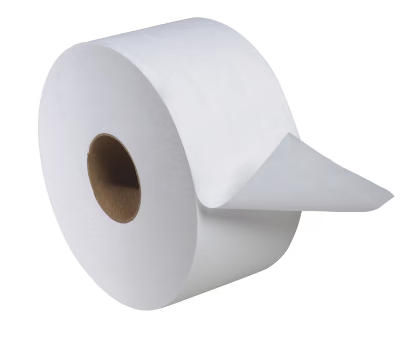
Key Comparisons Between Eco-friendly and Traditional Toilet Paper
| Aspect | Eco-friendly Toilet Paper | Traditional Toilet Paper |
| Raw Materials | Bamboo, recycled paper, sugarcane fibers, or other renewable sources | Virgin wood pulp from trees |
| Environmental Impact | Lower impact; reduces deforestation and resource use | Higher impact due to tree harvesting and industrial processing |
| Chemical Use | Often chlorine-free, fewer additives and fragrances | May involve bleaching agents and additional chemical processing |
| Softness | Improving, but can vary by brand and material | Generally very soft and consistent |
| Strength | Good, but may vary depending on fiber type | Typically strong and reliable, especially multi-ply |
| Cost | Usually higher due to sustainable sourcing | Generally more affordable due to mass production |
| Availability | Growing, but still limited in some regions | Widely available globally |
| Biodegradability | High; breaks down quickly and septic-safe | Moderate; depends on thickness and additives |
| Packaging | Often plastic-free or recyclable | Commonly uses plastic wrap or mixed packaging |
| Consumer Preference | Preferred by eco-conscious users | Preferred for comfort, price, and accessibility |
Key Factors to Consider for Choosing Between Eco-friendly and Traditional Toilet Paper
Deciding between eco-friendly and traditional toilet paper involves a balance act between environmental responsibility, comfort, costs, and daily practicality.
1. Environmental Impact
A big part of the conversation is environmental sustainability. Eco-friendly toilet paper is commonly made from recycled fibers, bamboo, or other renewable resources, which helps cut back on deforestation and reduces the appetite for raw wood pulp. It often uses less water, and uses less energy during the production stage, and it may also involve fewer severe chemicals.
Traditional toilet paper usually comes from virgin wood pulp. Even if many brands now follow careful forestry policies, the process still tends to lean more heavily on forest resources. That means it can raise pressures linked to habitat loss and overall environmental strain, more than eco-friendly options.
2. Comfort and Performance
Comfort matters a lot for everyday use. Traditional toilet paper is often linked with solid softness and steady consistency, particularly the premium virgin-pulp types that are made for a smooth feel and dependable absorbency, too.
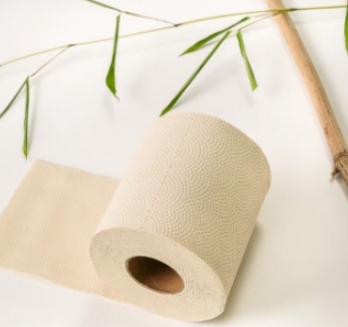
Eco-friendly toilet paper has gotten much better over recent years. Bamboo-based sheets, especially, can provide a gentle yet durable sensation, while recycled fiber options may end up with a bit more variation in texture depending on how the material is processed. Still, for some people, there might be small differences versus the premium traditional brands.
3. Cost and Affordability
Costs can strongly shape buying choices. Conventional toilet paper usually stays more affordable and easy to find because of large-scale manufacturing and already-established supply chains.
Eco-friendly toilet paper may cost more, particularly when it is premium bamboo-based or tied to certified sustainability brands. Still, once demand rises and production ramps up, the price difference is getting smaller in a number of places.
4. Availability and Accessibility
Traditional toilet paper is easy to find, mostly at supermarkets, convenience stores, and wholesale retailers across many regions. Its distribution network is pretty established, so buying in bulk or grabbing it last minute feels straightforward.
Eco-friendly choices are getting more within reach but they can be less common in tiny shops, or in non-urban areas. A lot of people end up using online platforms, or they look for specialty sellers, just to get a broader mix of responsible products.
5. Material Source and Transparency
The source of the materials also matters a lot. Eco-friendly toilet paper usually highlights transparency, like how much recycled content it includes, or it lists certifications related to sustainable bamboo harvesting.
Traditional toilet paper might come from responsibly managed forests, yet the transparency, it can change a lot from one brand to another, sometimes you only find partial info. People who care about sustainability usually check for certifications or straightforward eco labeling, when they’re comparing what to buy, in practice.
6. Chemical Use and Skin Sensitivity
Some consumers react to the chemicals involved in paper processing. Eco-friendly toilet paper often avoids chlorine bleaching artificial fragrances, and colored dyes so it becomes a calmer choice for sensitive skin. Regular toilet paper can still include similar additives depending on the brand. Even so, many modern products now provide hypoallergenic options or versions with fewer chemicals.
Summary
- Traditional toilet paper continues to offer excellent softness and widespread availability
- Eco-friendly toilet paper provide meaningful environmental benefits through renewable materials, recycled fibers and sustainable production practices.
Final Thoughts
Selecting between eco-friendly and traditional toilet paper is based on each person’s priorities, comfort, environmental responsibility, budget, and more. As manufacturing technology keeps getting advancing, the eco-friendly type is starting to look more and more competitive, not only for quality but also for affordability. For consumers and organizations trying to lessen their environmental footprint without losing performance, sustainable toilet paper options feel like a practical choice, and they are getting more popular each year.