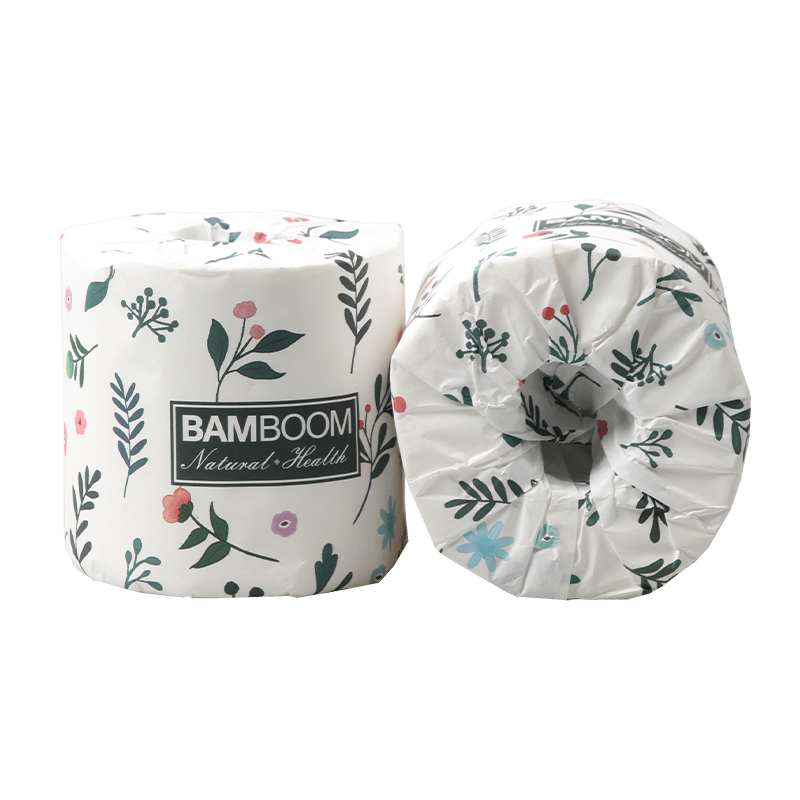
Softness vs. Strength in Toilet Paper
Toilet paper is a household necessity frequently used by everyone. However, customers are faced with a choice of getting offered good-quality softness vs. strength. While there are those who would say they prefer the super-soft kind to the ductile while others prioritize durability to avoid tearing during use. Tissue paper manufacturers have actually found a deft balance between the two traits so as to satisfy both sets of consumers, for variant fulfillment levels. Understanding differences between softness and strength in toilet paper would help promote a consumer’s perspicacity when making a choice for toilet paper purchase.
Why Softness is Important in Toilet Paper
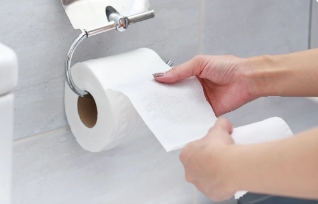
Softness is one of the most desirable features for many consumers because it directly affects comfort during use. People want the paper to “feel good” on the skin so the irritation is limited as much as possible, if not eliminated, as well as for a touch of luxury. Especially most important are those users with sensitive skins, children, and the elderly.
Factors that contribute to the issue of softness in toilet paper are:
- Fiber Quality: This is mainly to do with the softness of virgin wood pulp fibers in comparison to recycled ones. Virgin fibers tend to be softer because they are smoother and have undergone fewer mechanical damages during the course of processing.
- Ply Structure: Multi-layered toilet tissue paper definitely does feel good because of the extra layers providing the necessary cushioning and thickness.
- Embossing: Patterns of embossing in tissue paper are used to create good air pockets between the sheets that give a plush and softer feel.
- Chemical Treatments and Lotions : It should also be noted that a good quality brand of toilet paper includes a lotion or conditioner to impart a soft, gentle feeling to our delicate parts.
Soft toilet tissue has long been synonymous with luxury branding and posh bathroom experiences. However, extremely soft tissue can, if not engineered correctly, sometimes get more at the softness element, compromising tensile strength when wet.
The Importance of Strength in Toilet Paper
Strength is the award from the paper’s ability to resist tear while in use. Generally, a user looking for strength seeks a toilet paper that actually goes intact under heavy force while ensuring total absorption and using less tissue.
Strength is influenced by several manufacturing factors:
- Fiber Bonding: In mutual bonding between fibers tear resistance and durability are higher.
- Sheet Density: Denser paper structures make strength of papers through improved tensile strength while retaining absorbency.
- Wet Strength Technology: Certain papers are developed with a technology appointed to them, keeping their integrity, so they do not disintegrate even in wet conditions.
- Layer Construction: The addition of further piles, with all well-secured, can also improve strength.
Strong toilet paper can reduce waste in that lesser amount of sheets are needed. It is also less likely to disintegrate during alkali laundering conditions, which presents as a relevant hygiene factor in the opinion of many consumers.

Challenges in Balancing Softness and Strength of Toilet Paper
Achieving both softness and strength is one of the biggest challenges in toilet paper manufacturing.
| Challenge | Impact on Softness | Impact on Strength | Manufacturing Difficulty |
| Fiber Selection | Softer fibers improve comfort | Softer fibers may reduce durability | Choosing the right fiber blend |
| Recycled Fiber Usage | Recycled fibers can feel rougher | May weaken paper structure after repeated processing | Maintaining quality consistency |
| Ply Thickness Control | Thicker plies improve softness | Excessive thickness may reduce flexibility | Balancing bulk and density |
| Embossing Design | Embossing creates a cushioned texture | Deep embossing can weaken sheet integrity | Designing efficient patterns |
| Moisture Resistance | Softer tissues may absorb moisture quickly | Wet paper can tear easily | Maintaining wet strength without chemicals |
| Fiber Bonding Strength | Strong bonding can create stiffness | Weak bonding causes tearing | Preventing harsh texture |
| Manufacturing Speed | High-speed production may reduce texture quality | Rapid processing may weaken consistency | Maintaining uniform product quality |
| Sustainable Material Use | Eco-friendly fibers may initially feel rough | Some sustainable fibers are highly durable | Achieving comfort with green materials |
| Chemical Reduction | Fewer softening chemicals may reduce smoothness | Reduced additives may affect strength stability | Maintaining performance naturally |
| Cost Management | Premium softness increases production cost | Higher strength materials may also raise cost | Balancing affordability and quality |
| Absorbency Requirements | Softer paper often absorbs faster | Excessive absorbency can weaken structure | Maintaining balance during use |
| Consumer Expectations | Consumers expect luxury softness | Consumers also demand durability | Meeting conflicting demands |
| Septic Safety | Softer thicker paper may dissolve slowly | Strong paper may resist breakdown | Avoiding plumbing issues |
| Bamboo Fiber Processing | Bamboo fibers can initially feel coarse | Bamboo naturally offers high strength | Softening strong natural fibers |
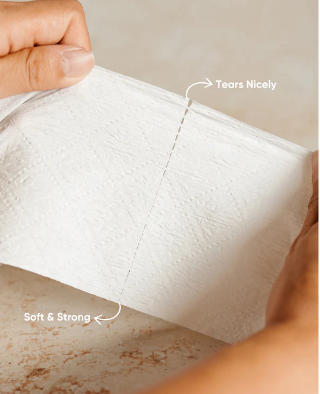
Comparing Softness and Strength in Different Types of Toilet Paper
| Toilet Paper Type | Softness Level | Strength Level | Advantages | Limitations |
| Single-Ply Toilet Paper | Low to Medium | Medium | Economical, septic-friendly | Less comfort and cushioning |
| Two-Ply Toilet Paper | Medium to High | High | Balanced softness and durability | Slightly higher cost |
| Three-Ply Toilet Paper | Very High | High | Luxurious feel, high comfort | Can be thicker for plumbing systems |
| Bamboo Toilet Paper | Medium to High | High | Eco-friendly, naturally strong | Some products may feel less soft |
| Recycled Toilet Paper | Medium | Medium | Environmentally friendly | Can feel rougher |
| Ultra-Soft Toilet Paper | Very High | Medium to High | Excellent comfort | May use more material |
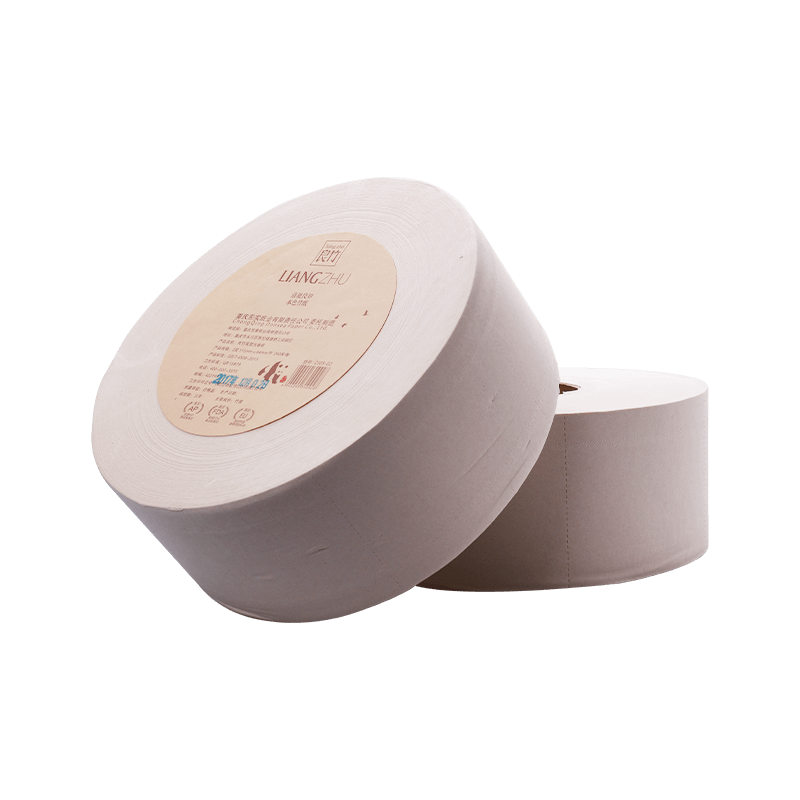
| Commercial/Industrial Toilet Paper | Low | Very High | Cost-effective, durable | Limited comfort |
| Septic-Safe Toilet Paper | Medium | Medium | Plumbing-friendly | May sacrifice thickness |
| Lotion-Infused Toilet Paper | Very High | Medium | Gentle on sensitive skin | Higher price |
| Coreless Toilet Paper | Medium | High | Space-saving, efficient | Texture may feel firmer |
| Air-Dried Premium Tissue | Very High | High | Exceptional softness and absorbency | Higher production cost |
| Hybrid Fiber Toilet Paper | High | High | Balanced sustainability and comfort | Limited availability |
Key Innovations in Balancing Softness and Strength of Toilet Paper
With advanced manufacturing technologies, innovative inventions in fiber engineering, and sustainable production methods, industry players have come up with ways to balance softness and strength in today’s toilet paper tissues.
1. Advanced Fiber Engineering
Advanced fiber engineering emerges as another milestone in creating equilibrium between softness and strength. Selecting the fibers and handling them in such a manner as to create tissues with hard and soft feels, companies have been able to compromise. Mostly, smaller fibers are used to make a softer product because they hold together better. Larger fibers are used for tensile, so the area can endure more tension.
A mix of fiber types has emerged as a principal requisite in the current-day industry practice of making toilet paper such that virgin wood pulp, bamboo fibers or recycled materials are processed in the proper combination to improve the performance of the overall sheet. Softening of fibers without damaging the basic fiber structure is the new motto of the industry and at present maintains a blend of comfort and durability.
2. Through-Air-Dried(TAD) Technology
TAD technology has brought about a revolution in the manufacture of high-end toilet paper. While hand pressing uses compression to put the fibers together, Through-Air-Dried technology uses hot air to dry the inner part of the paper. This preserves the bulk and the thickness or thus the tendency of the product to be soft, fluffy, and absorbent.
In remaining less compressed, the fibers allow their resulting tissue to cushion even more, although on today’s “soft is the new best” market, a thinner tissue with sufficient durability is sold out, especially on expensive high-end toilet paper products where softness is a major selling point. By treating a fiber quite differently, there are better controls over the fiber distribution and airflow to give strength without losing softness.
3. Multi-Ply Construction
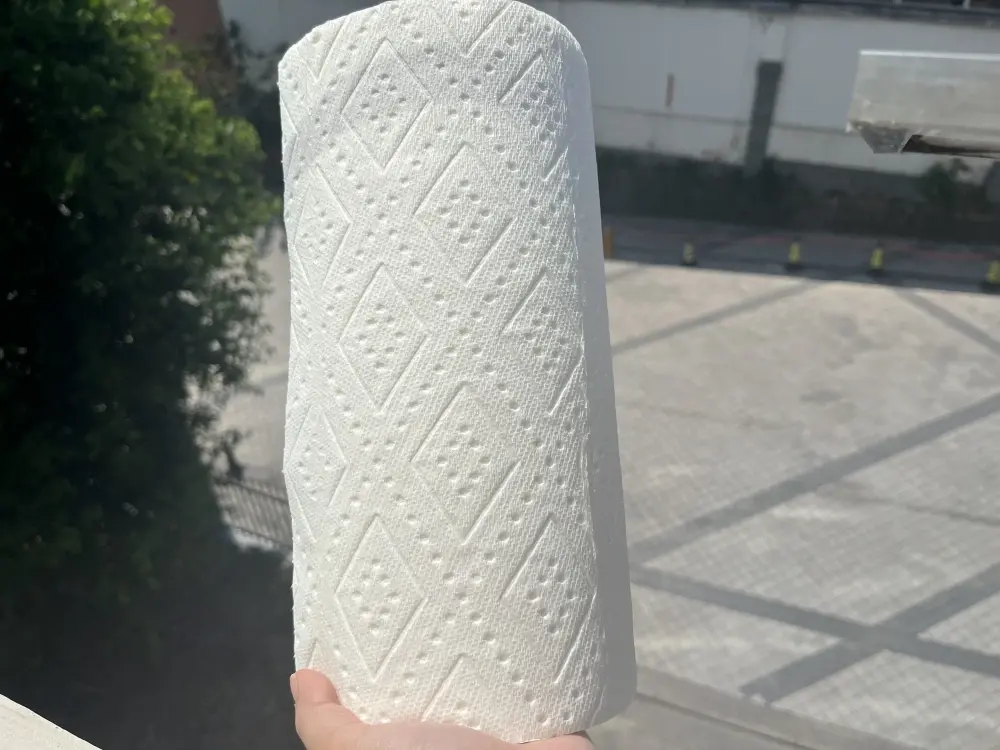
One of the other game-changers has been the utilization of advanced multi-ply construction processes, adding two or three layers of tissue, allowing the softness and strength to reside in each one. In most deluxe tissue paper products, the outer layers excel in skin comfort and softness, while the inner layers provide the strength and absorbency. Improved bonding technologies permit the layers to stay together quite firmly, yet the underlying substrate remains soft and comfortable. Thus, lightweight tissues can be manufactured, resistant to tearing yet still soft to touch.
4. Precision Embossing Technologies
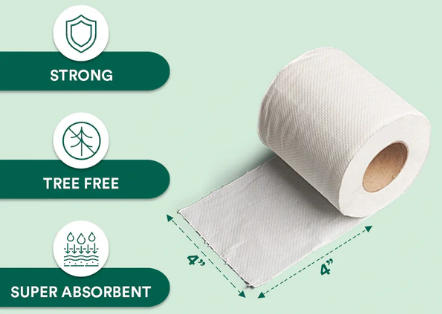
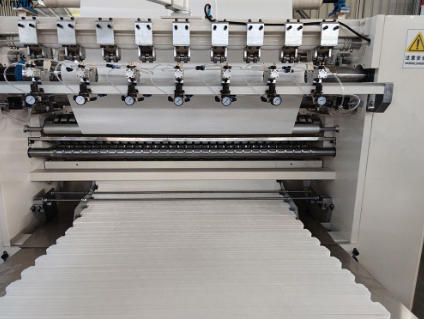
Embossing is a fundamental structural element in modern toilet paper design. Having given way to purely decorative patterns, the traditional embossing technique is utilized most effectively by the present precision-type embossing technologies to enhance the softness and strength of the product.
Small air pockets between layers of tissue are generated by micro-embossing, thus resulting in greater bulk and softness without dramatically reducing the sheet’s strength. Well-engineered embossing patterns are beneficial for improving flexibility and absorbency according to the way the tissue collapses under pressure. Embossing systems, which are computer-controlled, allow them to adjust to the weight of user application and create comfort textures while keeping fiber structure secure.
5. Innovative Chemical Treatments
Chemical advances have also done much to perfect the interplay of softness and tension in toilet paper. Nowadays, thanks to the interrogation of softening agents and interfiber friction strength, softening can be achieved without overly compromising physical strength. Wet-strength additives were the second most important breakthrough. They allow the tissue to hold its shape in the presence of wetness, and hence tear resistance during use, while still not destroying the fibers in the sewerage treatment process. Further revolutions in biodegradable and sustainable assistance are indicated in new chemical treatments, set to pave the way for much improved performance-to-sustainability ratios.
6. Sustainable Materials
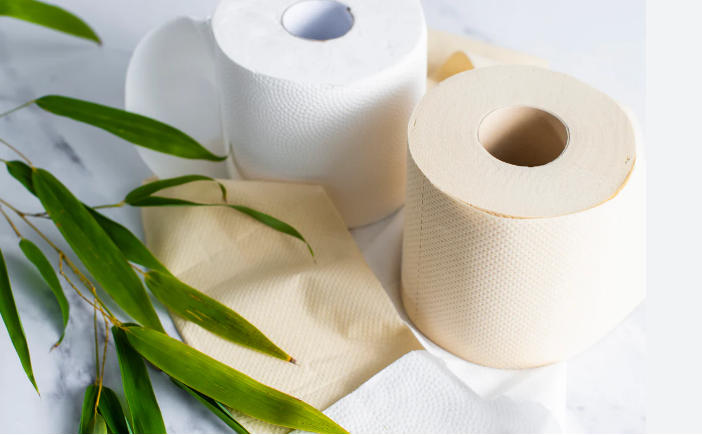
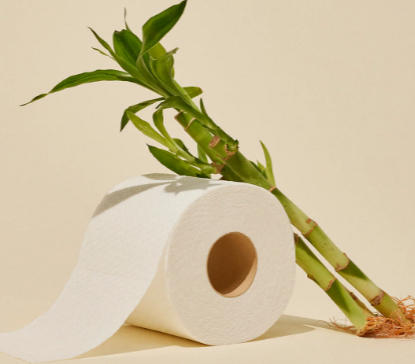
The current strides in toilet paper happen relative to sustainable goals. New advancements and innovative applications in the processing of eco-friendly materials like bamboo, wheat straw, and recycled fibers which combine to heighten tensile strength and softness, to a higher degree of efficacy.
Earlier generations of recycled toilet paper were often criticized for rough textures and weaker performance. Displays of modern pulping, cleaning, and refining have remarkably increased the quality of fiber practicality of sustainable products, making them more competitive against traditional premium tissue offerings. Especially, bamboo toilet paper has been up on the store shelves, slowly absorbing market share on the back of the bamboo fibers’ natural strong character and advanced processing methods to find their soft reflection.
7. Smart Manufacturing and Automation
Smart sensors and real-time monitoring systems allow manufacturers to continuously adjust fiber distribution, moisture levels, embossing pressure, and bonding processes during production. This level of precision helps maintain consistent softness and strength across large production volumes. In the longer run, AI and machine learning technologies can significantly help manufacturers optimize tissue formulations and production settings for greater efficiency and product performance.

Consumer Preferences and Market Trends in Softness and Strength of Toilet Paper
Consumer preferences vary based on personal priorities, household needs, and regional trends.
| Category | Consumer Preferences | Current Market Trends | Impact on Toilet Paper Development |
| Softness Preference | Consumers increasingly prefer ultra-soft toilet paper for comfort and skin sensitivity | Premium multi-ply products are growing in popularity | Manufacturers focus on softer fibers, lotion-infused tissue, and cushion-like textures |
| Strength Expectation | Users want toilet paper that remains durable during use without tearing | Demand for stronger wet-strength technology is increasing | Development of reinforced fiber structures and advanced embossing techniques |
| Balance Between Softness and Strength | Consumers prefer products that combine comfort with reliability | Hybrid formulations balancing softness and tensile strength are becoming mainstream | Brands invest in innovative pulp blends and layered designs |
| Eco-Friendly Demand | Buyers increasingly seek sustainable and biodegradable products | Bamboo toilet paper and recycled fiber products are expanding rapidly | Companies develop eco-friendly materials without compromising softness or durability |
| Sensitivity and Hygiene | Consumers value hypoallergenic and fragrance-free options | Growth in dermatologically tested and chemical-free toilet paper | Manufacturers reduce additives and improve skin-safe formulations |
| Premium Product Demand | Many consumers associate higher quality with greater softness and thickness | Luxury and hotel-grade toilet paper segments are expanding | Introduction of ultra-premium multi-layer products with enhanced texture |
| Cost-Conscious Purchasing | Some consumers prioritize affordability over premium softness | Private-label and value-pack products continue to grow | Manufacturers optimize production efficiency while maintaining acceptable quality |
| Convenience and Packaging | Consumers appreciate easy-storage and longer-lasting packaging | Compact rolls and mega-roll packaging are trending | Companies redesign packaging for convenience and sustainability |
| Online Shopping Influence | Consumers increasingly compare reviews and performance online | E-commerce sales for household tissue products are rising | Brands emphasize product ratings, digital marketing, and subscription services |
| Health and Sustainability Awareness | Consumers pay attention to environmental certifications and sourcing | FSC-certified and plastic-free packaging trends are expanding | Producers adopt greener manufacturing processes and transparent sourcing practices |
| Regional Preferences | Preferences vary by region based on cultural and economic factors | Premium softness dominates in developed markets, while affordability leads in emerging markets | Companies customize product lines for different regional demands |
| Innovation Expectations | Consumers are open to improved tissue technologies | Smart manufacturing and advanced embossing technologies are becoming common | Continuous R&D investment in texture engineering and fiber optimization |
Final Thoughts
The debate between toilet paper softness and strength underscores the balance between comfort and performance where softness means comfort and luxury to users while strength means use worthiness. In numerous contemporary categories, tissue paper products have successfully sought to address both needs. Expectations are evolving, and savvy toilet paper manufacturers are seeking to produce more highly engineered tissue solutions that host softness, strength, sustainability, and the overall value offered by a single product.