
Innovations in Sensitive Skin Toilet Paper
People with sensitive skin experience irritation, dryness, itching and discomfort because conventional toilet paper products fail to meet their needs. Manufacturers develop innovative sensitive skin toilet paper solutions for consumers now understand their personal hygiene needs along with their skin health requirements. The innovations achieve their goals through product development which creates soft materials that use hypoallergenic components and produce chemical-free toilet paper products while achieving better moisture control through eco-friendly production methods.
The Growing Demand for Sensitive Skin Toilet Paper
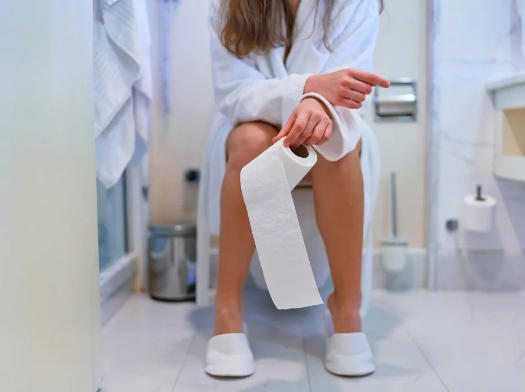
People who have sensitive skin conditions now experience higher rates of skin issues because of their allergies and dermatological conditions and environmental factors and changes in their daily activities. Consumers have begun to examine the ingredient composition and production techniques of personal care items such as toilet paper. Tissue paper manufacturers have responded to this market shift by developing products that protect people from skin irritation while delivering essential product performance features.
The demand exists particularly among people who have eczema and hemorrhoids and allergies and need post-surgical care and caregivers who handle infants and elderly patients with delicate skin. The pace of innovation within this industry has experienced a substantial increase as a direct result.
Key Technical Advancements in Sensitive Skin Toilet Paper
1. Ultra-Soft Fiber Technology
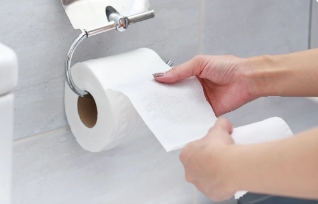
The very vital contribution has been the softness and itchy materials present in a truly vital invention known as ultra-soft-fiber technology. Manufacturers have been using smaller, smoother fibers that can reduce the friction facing the skin.
Thus, advanced techniques now develop toilet paper that is gentler to the touch but still as durable as it should be. Some of these products appear in five or more layers depending on the case of soft-touch fibrous materials to enable the dispersion of tension. Lowering the risk of micro-abrasions and irritation is one explanation for this.
There are many soft-grade embossing technologies in many high-end products that further increase the absorbency with little impact on the higher softness.
Finally, where fiber integration is concerned, only the finest blend, ranging from virgin pulp to bamboo to plant-based fibers, are allowed to be tender and pleasing.
2. Hypoallergenic and Fragrance-Free Formulas
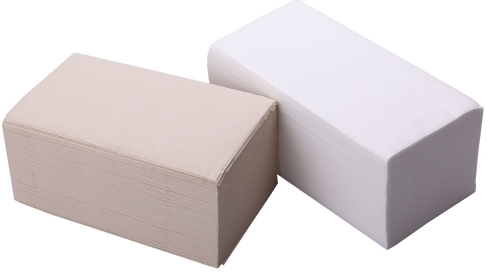
Mostly containing fragrances, dyes, or bleach residues; these are harsh substances that could easily aggrieve sensitive skin when exposed. Consequently, today, mandates to produce hypoallergenic varieties rendering less possibility of irritation are now enforced.
Modern sensitive toilet papers cannot have the following components:
- Artificial fragrances
- Dyes and colorants
- Chlorine bleach
- Formaldehyde-containing additives
- Harsh chemical softener
These products undergo dermatological testing to ensure compatibility with sensitive skin. Fragrance-free and lotion-free formulations are particularly beneficial for individuals prone to irritation or allergic reactions.
3. Bamboo-Based Toilet Paper Innovations
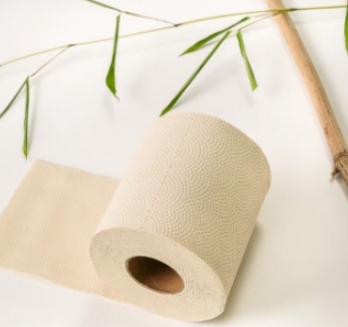
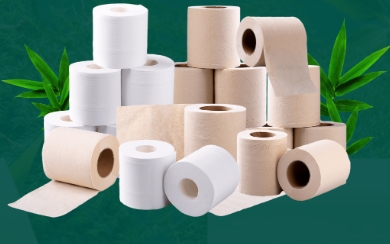
Bamboo toilet paper has come out as one of the most innovative trends in the personal hygiene industry. Bamboo fibers exhibit excellent textures-softness almost similar to luxury fabrics and much gentler than many commonly used paper qualities. Naturally, they are germ-retarding.
Bamboo pulp processing techniques are being refined by manufacturers to produce toilet paper with improved softness and durability while preserving the environment. Bamboo grows fast and requires much less water and pesticides then traditional trees, so it is considered an eco-minded option that will attract health-conscious consumers.
Another great innovation making blending possible is the merging of bamboo with other plant-based fibers to create better comfort and strength.
4. Lotion-Infused and Moisturizing Technologies
Moreover, among the major solutions today, specific moisture-enhanced toilet paper working as a soother or providing superior moisture to sensitive skin was created. It did not only include lotions; yet these lotions were properly blended with ingredients like aloe vera, vitamin E, chamomile, or coconut oil.
The lotions are properly distributed without leaving any excessive oily residue thanks to modern-day production techniques. Moreover, some manufacturers use delicate micro-coating technologies for the application of an extra-thin film of active moisturizing ingredients; thus, one feels a soothing relief to the bottom without any risk of breakage to the paper itself and without causing any plumbing nightmares. Such advancements are particularly useful for anyone dealing with dryness, irritation, or frequent wiping stinging sensation.
5. Chlorine-Free and Chemical-Free Processing
A common thing shown in processing with conventional toilet paper that really distresses most of people with sensitive skin is the bleaching phase that has phenomenally raised skin issues among such consumers. For the sake of these feelings, many companies have introduced chlorine-free treatment techniques.
Elemental chlorine-free (ECF) and totally chlorine-free (TCF) bleaching methods are known to drastically cut residues exposed to chemicals in paper manufacturing, ensuring softer, safer paper. Some manufacturers are even looking to get rid of all unneeded additives, resorting to purified water-based systems for production. Everyone with a fear-sensitive skin might enjoy the effective progress of chemical-free manufacturing, which, in turn, supports environmental sustainability.
6. Enhanced Absorbency and Reduced Friction Design
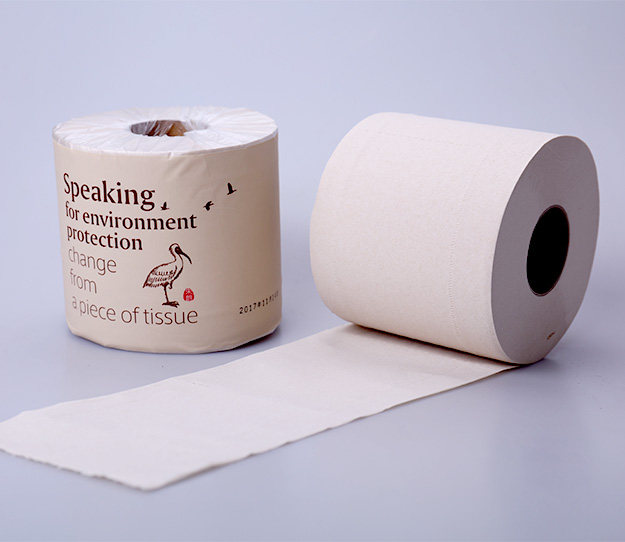
The new texture engineering expands the manufacturers’ absorbency potential while cutting down on the amount of rubbing required. A highly absorbent tissue paper helps reduce pressure sores due to repeated friction.
By applying complex embossing patterns and layered structures, manufacturers grow the size of product turnovers across the capability to retain the liquid, while retaining the cushion-like softness. Some new formulations allow cushion pockets or air-filled layers to aid in faster cleaning and enhanced user comfort.
Particularly important are the improvements meant for persons with conditions that make their skin more susceptible to irritation.
7. Dermatologist-Tested and Medically Oriented Products
Many toilet paper brands now collaborate with dermatologists and healthcare professionals during product development. Clinical testing helps manufacturers better understand skin sensitivity and optimize product performance.
Some innovations include:
- pH-balanced toilet paper
- Dermatologist-approved formulations
- Medical-grade softness standards
- Products designed for post-surgical care
- Toilet paper suitable for eczema-prone skin
8. Sustainable Innovations Supporting Skin Health
Sustainability and skin sensitivity are increasingly linked in product development. Eco-conscious consumers often prefer products with fewer chemicals, minimal processing, and biodegradable materials.
| Sustainable Innovation | Description | Contribution to Skin Health | Environmental Benefit |
| Recycled Fiber Softening Technologies | Advanced processing methods that improve the softness of recycled toilet paper. | Creates gentler textures suitable for delicate skin while maintaining hygiene standards. | Encourages recycling and reduces deforestation. |
| Plant-Based Softening Agents | Replacement of petroleum-based chemical softeners with natural plant-derived alternatives. | Provides a softer and less irritating surface for sensitive skin users. | Supports renewable raw materials and lowers chemical dependency. |
| Plastic-Free Packaging | Use of recyclable paper wraps and biodegradable packaging materials instead of plastic. | Reduces the risk of contamination from chemical packaging materials. | Minimizes plastic waste and environmental pollution. |
| Water-Efficient Manufacturing Systems | Implementation of advanced production technologies that reduce water consumption. | Cleaner manufacturing processes may reduce unwanted residues in final products. | Conserves water resources and improves sustainability in production. |
| Biodegradable Toilet Paper | Development of toilet paper designed to break down naturally after disposal. | Often produced with fewer harsh chemicals, making products gentler on sensitive skin. | Reduces landfill waste and improves environmental compatibility. |
| Sustainable Bamboo and FSC-Certified Sourcing | Responsible sourcing of raw materials from certified sustainable forests or bamboo farms. | Ensures cleaner and safer raw materials for skin-friendly products. | Promotes forest conservation and responsible resource management. |
| Low-Residue Manufacturing Technology | Advanced purification and processing systems that reduce residual chemicals and dust. | Helps minimize irritation, itching, and discomfort for sensitive skin users. | Improves production efficiency and lowers industrial waste generation. |
9. Smart Packaging and Hygiene Improvements
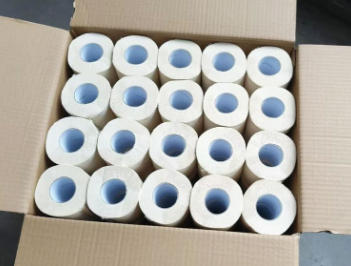
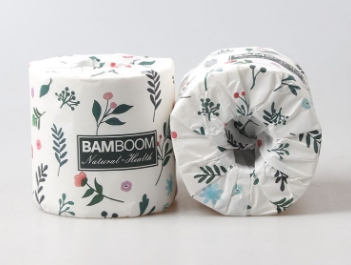
Packaging innovation is also helping towards better skin protection- and hygiene. The individual wrapping of the rolls, moisture protective packaging, and then antimicrobial storage technologies help in keeping the product clean, and therefore, lessen the risks of contamination. Some companies are moving ahead to even provide the consumer with a QR-enabled transparency system that can enable them to trace the source and process of the product ingredients in addition to dermatological test details. The consumer trust was being enhanced by these innovations and were started to strengthen the standards for greater hygiene.
Future Directions in Sensitive Skin Toilet Paper
The future of sensitive skin toilet paper innovation will focus on combining biotechnology, sustainability and personalized comfort.
| Future Direction | Description | Benefits for Sensitive Skin Users |
| Bio-based Softening Technologies | Development of plant-derived softening agents to replace synthetic chemical softeners in toilet paper manufacturing. | Provides gentler contact with the skin while reducing the risk of irritation caused by harsh chemicals. |
| Advanced Biodegradable Materials | Use of innovative biodegradable fibers and eco-friendly materials that maintain softness and strength. | Offers improved comfort while supporting environmental sustainability and reducing chemical exposure. |
| Personalized Toilet Paper Solutions | Custom-designed toilet paper tailored for different skin conditions, sensitivities, or medical needs. | Enhances comfort and minimizes irritation for users with eczema, allergies, or post-surgical sensitivity. |
| Probiotic-Enhanced Hygiene Paper | Incorporation of skin-friendly probiotic technologies into toilet paper products. | Helps support healthy skin balance and may reduce irritation caused by harmful bacteria. |
| AI-Driven Manufacturing Optimization | Use of artificial intelligence to monitor softness, absorbency, and fiber consistency during production. | Ensures more reliable quality and consistently gentle products for sensitive skin users. |
| Smart Moisture-Control Technology | Development of toilet paper with improved moisture retention and balanced hydration properties. | Reduces dryness and friction during use, helping protect delicate skin. |
| Antimicrobial Natural Fibers | Integration of naturally antimicrobial fibers such as bamboo and other plant-based materials. | Improves hygiene while avoiding aggressive chemical antibacterial treatments. |
| Dermatologist-Guided Product Development | Closer collaboration between manufacturers and medical professionals in product design. | Creates safer and more clinically tested solutions for sensitive skin conditions. |
| Sustainable Packaging Innovations | Use of recyclable, compostable, and plastic-free packaging materials. | Supports eco-conscious consumers while maintaining product cleanliness and safety. |
Final Thoughts
Sensitive skin toilet paper innovations provide a fundamental hygiene and have increasingly become a highly personalized care product sector. The present technological advancements have brought the integration of bamboo material, perfumed and chemical-free formulation, moisturizers, and compound-free production, paving the way in creating new products offering optimal comfort and protection for sensitive skins.
As the environmental and medicinal performances slowly dominate research in industries, sensitive skin toilet papers started to emit a need for sustainable products, and consumer needs became myriad. From any technology considered, these papers certainly should, in due course, become softer, safer, and more environment-friendly-some more kinds of softness to cater to the wider needs of the modern-day-consumer.