
Toilet Paper vs. Paper Towels: Understanding the Differences and Making the Right Choice
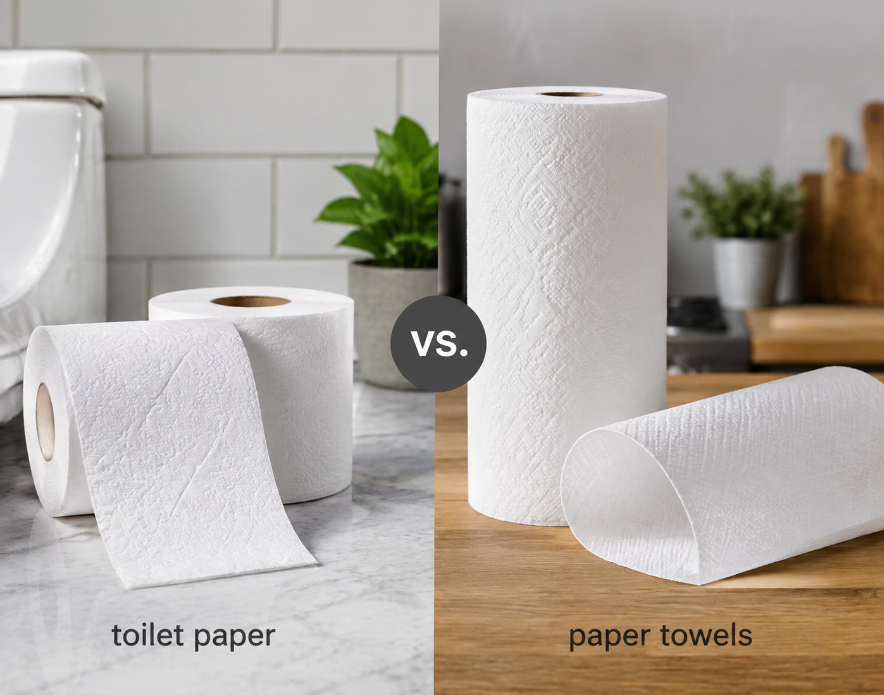
Toilet paper and paper towels are both everyday household paper products, but really they’re set up for kinda different uses. Toilet paper is about bathroom hygiene; it breaks down fast after disposal, and you just move on. Paper towels, though, are more for wiping, drying, and gulping up liquids, especially when stuff gets messy. Knowing what’s different between these two helps people choose better for home stuff, public places, and environmental considerations.
Understanding Toilet Paper
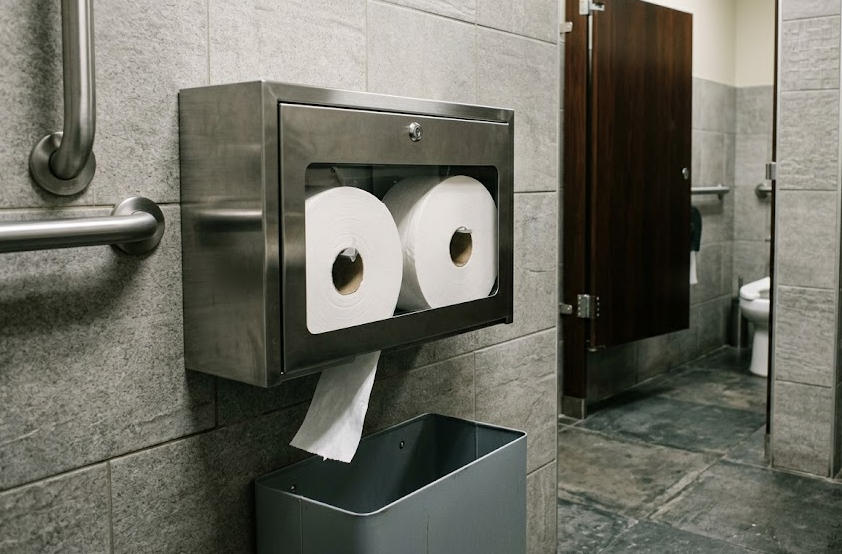
Toilet paper is a soft, lightweight paper product that’s mainly for bathroom hygiene. It’s made to feel comfortable while also breaking apart quickly when flushed through plumbing systems. Typically, toilet paper comes from wood pulp, recycled paper fibers, or a mix of both.
The key traits of toilet paper include softness, flexibility, absorbency, and fast disintegration. Together, these help reduce the risk of plumbing trouble while keeping things comfy for the user.
Common Types
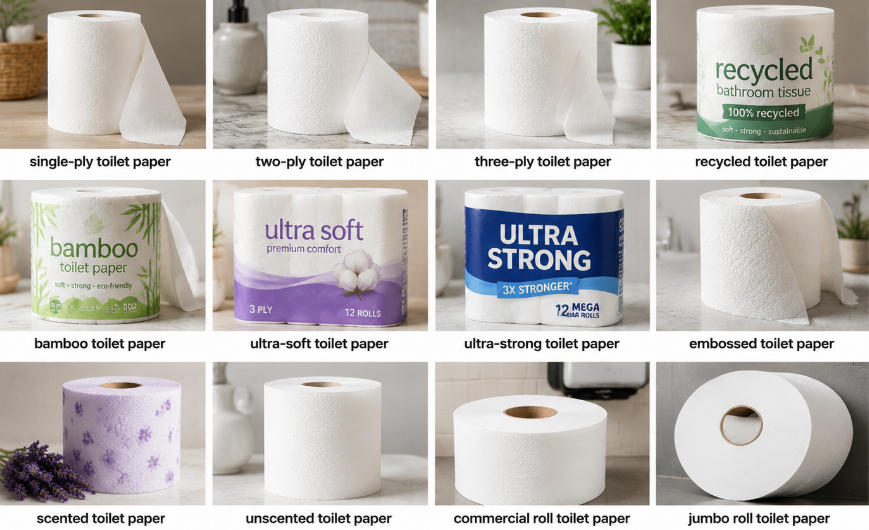
| Type of Toilet Paper | Description | Key Features |
| Single-Ply Toilet Paper | Toilet paper made from one layer of paper fibers | Lightweight, economical, breaks down quickly |
| Two-Ply Toilet Paper | Toilet paper made by combining two layers of paper | Balanced softness, strength, and absorbency |
| Three-Ply Toilet Paper | Premium toilet paper with three layers for extra comfort | Softer texture, higher thickness, improved durability |
| Recycled Toilet Paper | Made from recycled paper fibers instead of entirely new pulp | Eco-friendly, reduces resource consumption, sustainable option |
| Bamboo Toilet Paper | Made from bamboo fibers, a fast-growing renewable material | Renewable, soft texture, lower dependence on traditional wood pulp |
| Ultra-Soft Toilet Paper | Designed with enhanced softness through refined fibers and processing | Gentle feel, high comfort, skin-friendly |
| Ultra-Strong Toilet Paper | Manufactured with stronger fiber bonding for improved durability | Tear-resistant, reliable performance, better wet strength |
| Embossed Toilet Paper | Features textured patterns pressed into the paper surface | Improved softness, thickness, and absorbency |
| Scented Toilet Paper | Toilet paper infused with fragrance | Provides a fresh scent and enhanced bathroom experience |
| Unscented Toilet Paper | Free from added fragrances and perfumes | Suitable for sensitive users, reduces potential irritation |
| Commercial Roll Toilet Paper | Large rolls designed for public and business facilities | High capacity, fewer replacements, cost-effective |
| Jumbo Roll Toilet Paper | Extra-large rolls for high-volume usage | Longer-lasting, reduces maintenance frequency |
| Luxury Toilet Paper | Premium products using high-quality fibers and advanced processing | Maximum softness, comfort, and appearance |
Understanding Paper Towels
Paper towels are absorbent paper products that are used most for cleaning and drying jobs. Unlike toilet paper, paper towels are built to hold their strength even when they get wet, so they can deal with spills, grease, moisture, and the sort of heavy cleanup that happens when you really don’t want to scrub.
Paper towels show up a lot in kitchens, offices, restaurants, and industrial settings. Their design often uses stronger fibers and a kind of textured embossing pattern. That pattern improves liquid absorption, so they soak up more and wipe cleaner, at least in normal real-life use.
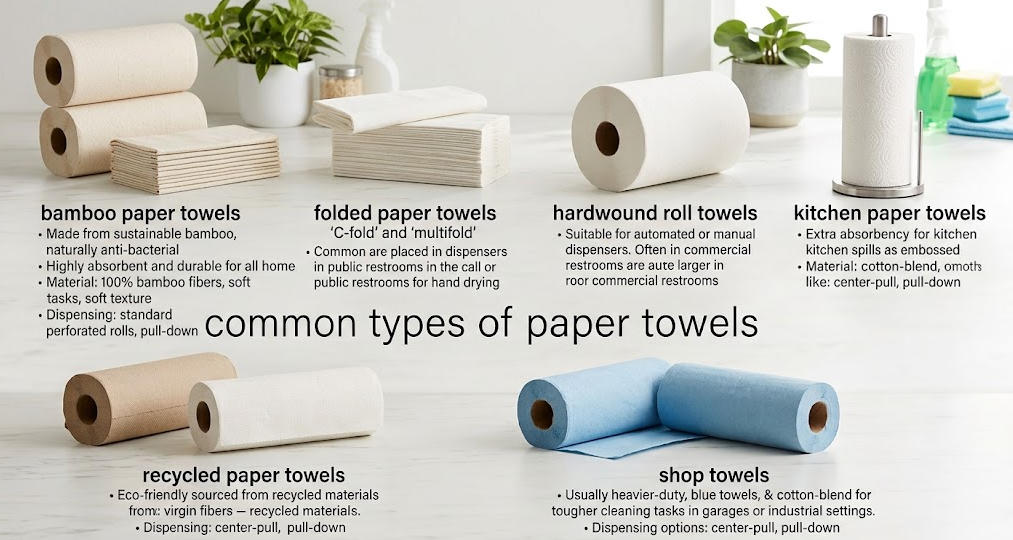
Common Types
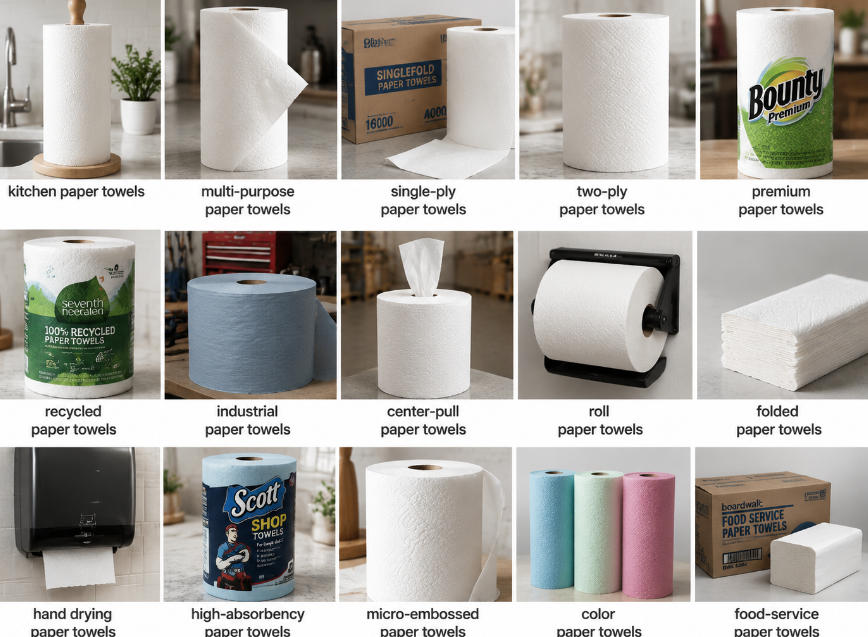
| Type of Paper Towels | Description | Key Features |
| Kitchen Paper Towels | Household paper towels designed for everyday kitchen cleaning | High absorbency, good strength, effective for wiping water and grease |
| Multi-Purpose Paper Towels | General-use paper towels suitable for various cleaning tasks | Balanced absorbency, durability, and convenience |
| Single-Ply Paper Towels | Paper towels made from one layer of paper fibers | Lightweight, economical, quick to use, lower absorbency |
| Two-Ply Paper Towels | Paper towels made from two bonded layers | Better softness, strength, and liquid absorption |
| Recycled Paper Towels | Paper towels produced from recycled paper materials | Environmentally friendly, reduces raw material consumption |
| Industrial Paper Towels | Heavy-duty paper towels designed for industrial cleaning | High strength, grease resistance, and durability |
| Center-Pull Paper Towels | Paper towels dispensed from the center of a roll | Easy one-at-a-time dispensing, reduced waste |
| Roll Paper Towels | Continuous rolls of paper towels used with dispensers | Convenient, high capacity, suitable for frequent use |
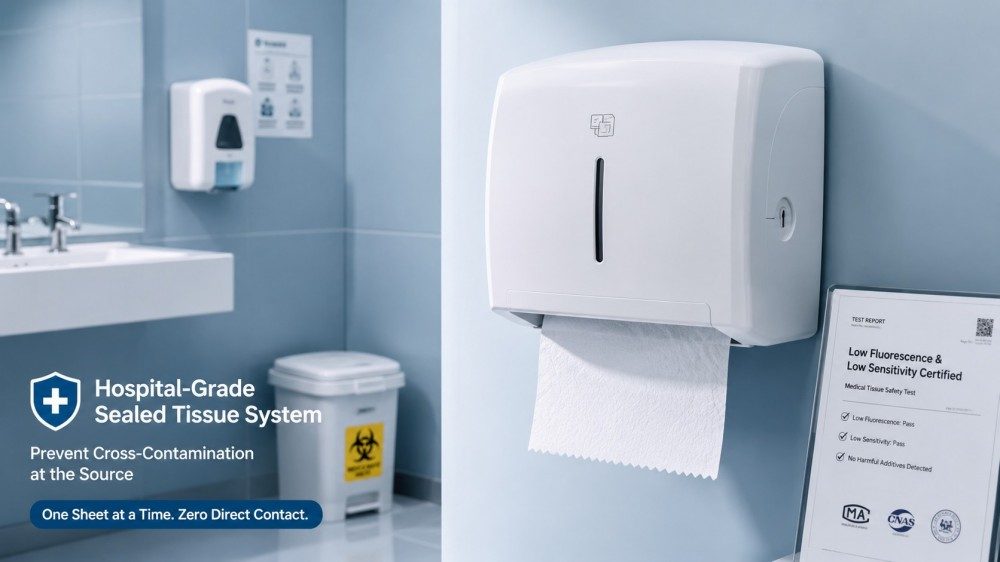
| Folded Paper Towels | Pre-cut sheets folded for dispenser use | Controlled dispensing, hygienic handling, easy storage |
| Hand Paper Towels | Paper towels specifically designed for drying hands | Fast absorption, soft texture, hygienic alternative to air dryers |
| High-Absorbency Paper Towels | Specialized towels designed to absorb large amounts of liquid quickly | Maximum liquid retention, strong wet performance |
| Micro-Embossed Paper Towels | Paper towels with textured surface patterns | Improved absorption, softness, and cleaning efficiency |
| Food-Service Paper Towels | Paper towels designed for restaurants and food handling areas | Durable, hygienic, suitable for food-related cleaning |
Key Differences Between Toilet Paper and Paper Towels
1. Purposes and Applications
The most important difference between toilet paper and paper towels is their intended purpose, yes. Toilet paper is manufactured specifically for personal hygiene in bathrooms. It’s mainly meant to give a soft, comfortable way to clean after using the toilet, and it should break down quickly after flushing too.
Paper towels, on the other hand, are made for wiping and drying work. You usually see them in kitchens, offices, restaurants, workshops, and other places where liquid absorption and surface cleanup matter. Since they have a firmer structure, paper towels can deal with spills, grease, moisture, and grime more effectively than toilet paper.
Since these products are created for different jobs, swapping one for the other can lower performance and sometimes cause real issues. For instance, if paper towels are flushed, they can raise the chances of clogged pipes, because they are not made to dissolve as quickly as toilet paper.
2. Material and Manufacturing Process
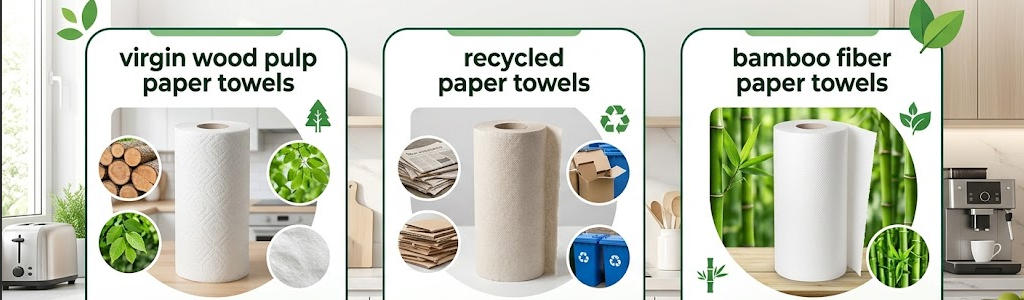
The materials and the way things are produced for toilet paper and paper towels are not the same. Each product really needs its own kind of performance profile, so the choice of raw pulp changes. Toilet paper is usually made from soft wood pulp, or recycled fibers, or alternative stuff like bamboo. In production the fibers are treated and then formed so they end up with a smooth, light texture and that gives the comfort people want, plus flexibility.
Paper towels need a tougher fiber makeup because they must hold their shape when they get wet. Many tissue paper manufacturers use longer fibers, add thicker layers, and apply embossing techniques in order to boost strength, and also to support better absorption. The surface patterns you see on a lot of paper towels matter too, they help with liquid retention and they also make cleaning more effective, at least in practical use.
So the manufacturing differences explain why toilet paper feels softer and breaks apart with less effort, while paper towels stay stronger and more durable over time.
3. Strength and Durability
Paper towels are generally more sturdy than toilet paper. Their main task is to absorb liquids and lift grime from surfaces, so they have to keep their structure even when they get soaked. A good paper towel can hold moisture without immediately ripping or shredding, which makes it useful for heavier cleaning duties.
Toilet paper is intentionally made to be less durable. The fact that it breaks down quickly is a key part of its design, because that helps it move through plumbing channels more easily. If toilet paper were built with the same strength as paper towels, it could trigger clogs and wastewater trouble
Because of this durability gap, paper towels work better for cleaning situations, while toilet paper is more appropriate for bathroom hygiene.
4. Absorbency and Moisture Handling
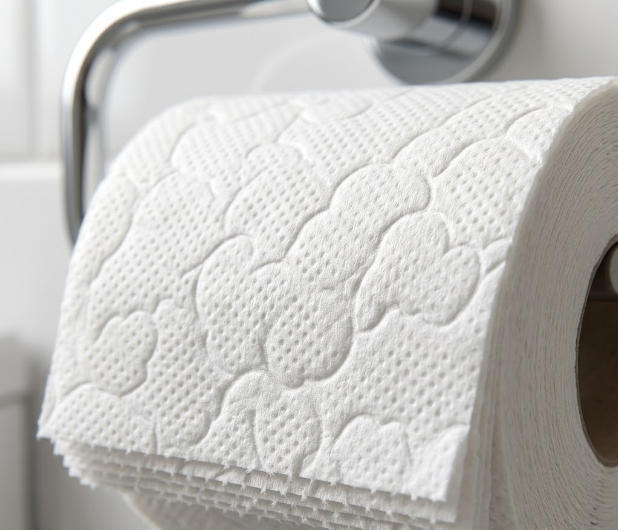
Absorbency is also one of the big differences between the two products. Paper towels are engineered to take in large amounts of liquid fast. With their thicker layers and slightly textured surfaces, they can capture water oil, and other fluids pretty effectively, you know.
Toilet paper does have absorbent properties too, but its main purpose is not for cleaning up spills. It is made for personal hygiene instead of heavy moisture management. If you use toilet paper to wipe up a spill, you might need more sheets, and sometimes it can leave residue because the paper breaks apart quickly.
For tasks like wiping kitchen counters, drying hands, or tackling accidental puddles, paper towels work better since they have higher absorbency.
5. Softness and User Comfort
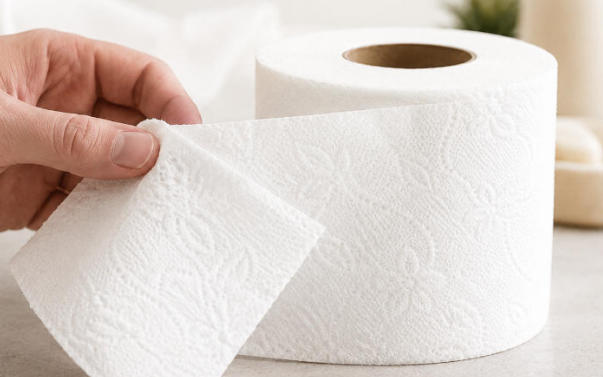
Toilet paper puts more focus on softness, because it touches sensitive skin directly. Manufacturers often create premium toilet paper products with multiple layers, smooth faces, and gentler textures, just to make it more comfortable.
Paper towels lean more toward functionality than that soft, cushiony feel. Sure some newer paper towels use a better texture, but still the point is quick cleaning, not personal comfort. In other words you might notice them feeling a bit more stiff, even if they are marketed as upgraded.
This distinction is why toilet paper is typically chosen for the bathroom, while paper towels are taken for home use and commercial cleanup tasks.
6. Breakdown Speed and Environmental Impact
One of the key differences between toilet paper and paper towels is what happens after disposal, especially how fast they break down. Toilet paper is built to dissolve quickly when it meets water, so blockages are less likely in plumbing systems. It also fits better with wastewater treatment, because it can disperse sooner.
Paper towels are manufactured to stay strong even when wet. Because of that, they break apart much more slowly, and they should generally go into waste bins instead of being flushed.
From an environmental perspective, both products require careful consideration. Traditional toilet paper production can eat up large amounts of wood resources, even though recycled and bamboo-based alternatives tend to be more sustainable options. Paper towels may end up creating more waste because they are often used a single time then tossed away, which adds up.
Consumers can lower environmental impact by picking responsibly sourced products, using less than needed, and thinking about reusable solutions whenever practical.
7. Cost and Efficiency
The cost difference between toilet paper and paper towels depends on how they end up being used. Toilet paper is usually consumed daily but is relatively inexpensive since it is lightweight, and it is made for a specific job.
Paper towels can become pricier over time because cleaning tasks often demand several sheets. In commercial places like offices, and restaurants, high-volume paper towel use can push up operating expenses in a noticeable way.
However, using the correct paper product can improve efficiency more than most people realize. Toilet paper performs best in bathrooms, while paper towels provide better value when strong cleaning ability is required, or when moisture absorption matters.
Summary Comparison Chart
| Comparison Aspect | Toilet Paper | Paper Towels |
| Main Purpose | Designed for personal hygiene and bathroom use | Designed for cleaning, drying, and absorbing spills |
| Primary Application Areas | Bathrooms, homes, hotels, and public restrooms | Kitchens, offices, restaurants, workshops, and commercial spaces |
| Material Structure | Made with softer, lightweight fibers for comfort and quick breakdown | Made with stronger fibers for durability and moisture resistance |
| Strength | Softer but less durable, especially when wet | Stronger and able to maintain structure when wet |
| Absorbency | Provides moderate absorbency for personal hygiene | High absorbency for liquids, grease, and cleaning tasks |
| Softness | Prioritizes softness and skin comfort | Prioritizes cleaning performance rather than softness |
| Thickness | Usually thinner and designed for easy disintegration | Usually thicker with multiple layers for better absorption |
| Wet Performance | Breaks apart quickly when exposed to water | Remains intact longer when wet |
| Flushability | Designed to dissolve quickly and be safely flushed | Not recommended for flushing because it can cause blockages |
| Cleaning Ability | Limited cleaning performance due to delicate structure | Excellent for wiping surfaces, removing dirt, and handling spills |
| Durability | Lower durability to support fast breakdown | Higher durability for repeated wiping and heavy-duty tasks |
| Environmental Considerations | Sustainable options include recycled and bamboo toilet paper | Environmental impact can be reduced through recycled materials and controlled usage |
| Cost Efficiency | More economical for bathroom hygiene | Better value for cleaning tasks requiring strong absorption |
| Improper Use Risks | May tear easily when used for heavy cleaning | Can cause plumbing problems if flushed |
| Overall Advantage | Comfort, hygiene, and quick biodegradability | Strength, absorbency, and cleaning efficiency |
Why Choosing the Right Paper Product is Important
Selecting between toilet paper and paper towels is not just a matter of preference. Each type has been developed to solve a specific problem. If toilet paper is used for heavier cleaning, the results may be poor. If paper towels are used in toilets, there can be plumbing risks, too.
A clear understanding of product differences helps households and businesses improve hygiene, cut down on unnecessary waste, and keep better control over costs. When the paper matches the use case, users tend to get steadier performance and more responsible consumption.
How to Choose Between Toilet Paper and Paper Towels
The best choice depends on the specific task you have at hand.
Choose toilet paper when you need:
- Bathroom hygiene
- Softness and comfort
- Easy flushing and quick breakdown
- Everyday personal use
Choose paper towels when you need:
- Strong cleaning performance,
- High liquid absorption,
- Surface wiping,
- Spill control
For many households and businesses, using both products together is the most practical fit, for convenience, hygiene, and efficiency.
Final Thoughts
Toilet paper and paper towels might look similar, but they do work in completely different ways, honestly. Toilet paper is made for comfort, hygiene, and rapid breakdown, while paper towels are made for strength, absorbency, and cleaning ability.
Picking the right option does more than improve daily comfort. It also helps cut waste, guard plumbing systems, and encourages more sustainable consumption habits. By understanding their differences, each product can be used where it performs best.