
How to Choose the Right Kitchen Paper Towel for Your Home
Kitchen paper towels are one of the most frequently used household products. They help with cleaning spills, wiping surfaces, drying hands, handling food prep and just keeping the kitchen hygiene decent, you know. Still, there are so many options to look at, depending on material, thickness, absorbency, size, and the overall environmental impact, that selecting the right one can feel a little tricky. Usually, the best choice depends on your household routine, how you cook, your budget, and what you care about in terms of sustainability.
Why Choosing the Right Kitchen Paper Towel is Important
A kitchen paper towel is made to deal with a broad range of duties, like absorbing liquids, lifting grease, scrubbing countertops, and supporting a hygienic cooking space. But not every towel behaves the same. Some varieties soak up moisture fast, yet they tear or weaken sooner. Others stay tough and hold up better, though they may feel less comfortable, or they may not be the most eco-minded option.
Picking the wrong paper towel can make you use extra sheets, because you end up going back and forth to finish the job. With a better kitchen towel, though, you usually get an easier time: it absorbs more liquid, holds up against tearing and rips, and gives a cleaner result with fewer sheets.
What to buy depends on how you actually use it at home, like daily wipe downs, food prep routines, tougher kitchen work, or even if you aim for a more eco-minded lifestyle.
Key Factors to Consider for Choosing the Right Kitchen Paper Towel
When you understand what really affects kitchen paper towel performance, you can choose a product that cleans more efficiently, wastes less, and stays convenient in day-to-day use.
1. Understanding Different Materials of Kitchen Paper Towels
The material of a kitchen paper towel directly affects its performance, texture, and environmental characteristics.
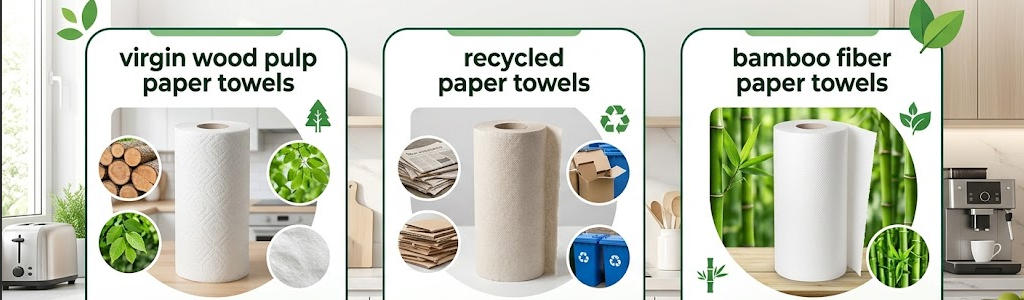
| Material Type | Main Features | Advantages | Suitable Applications |
| Virgin Wood Pulp Kitchen Paper Towels | Made from fresh wood cellulose fibers with a smooth and uniform structure | Excellent softness, high absorbency, strong durability, reliable quality | Everyday kitchen cleaning, wiping countertops, drying hands, absorbing spills |
| Recycled Fiber Kitchen Paper Towels | Produced from recovered paper materials and processed recycled fibers | More environmentally friendly, reduces waste, helps conserve resources, often more affordable | General cleaning tasks, light to medium kitchen use, eco-conscious households |
| Bamboo Kitchen Paper Towels | Made from rapidly renewable bamboo fibers with a strong fiber structure | Sustainable, biodegradable, durable, good absorbency, less dependence on wood resources | Green homes, food preparation, daily wiping, surface cleaning |
| Sugarcane Bagasse Kitchen Paper Towels | Made from fibers left after sugarcane processing | Uses agricultural waste materials, renewable, reduces waste from farming industries | Sustainable households, general kitchen cleaning |
| Mixed Fiber Kitchen Paper Towels | Combination of virgin pulp, recycled fibers, or plant-based fibers | Provides a balance between strength, softness, cost, and sustainability | Everyday household use requiring balanced performance |
| Premium Cellulose Fiber Kitchen Paper Towels | Made with refined cellulose fibers and advanced processing technology | High absorbency, excellent softness, strong wet performance | Heavy kitchen use, premium cleaning applications |
| Plant-Based Alternative Fiber Kitchen Paper Towels | Produced from renewable plant sources such as agricultural fibers | Supports sustainable production, reduces reliance on traditional wood pulp | Environmentally focused homes, daily cleaning tasks |
Comparison of Kitchen Paper Towel Materials
| Material | Absorbency | Strength | Softness | Environmental Performance |
| Virgin Wood Pulp | Excellent | Excellent | Excellent | Moderate |
| Recycled Fiber | Good | Moderate to Good | Moderate | High |
| Bamboo Fiber | Excellent | Very Good | Good | High |
| Sugarcane Bagasse | Good | Good | Moderate | High |
| Mixed Fiber | Good | Good | Good | Moderate to High |
| Premium Cellulose Fiber | Excellent | Excellent | Excellent | Moderate |
| Plant-Based Alternative Fiber | Good | Moderate to Good | Moderate | High |
Selecting the correct material for kitchen paper towels really depends on what you care about most in your household. Virgin pulp towels are a good fit for people who want maximum softness and strong performance, while bamboo and other plant-based towels can feel more aligned with sustainable living. Then there are recycled and mixed-fiber options, which usually give a practical middle ground, balancing environmental benefits, cost, and everyday cleaning ability, without making things overly complicated.
2. Evaluating Absorbency and Liquid Holding Capacity
Absorbency is one of the most important things to notice in kitchen paper towels because the main job is to soak up moisture effectively. A solid towel should take in water, oil, and other liquids quickly, and still keep its structure as you use it.
Many high-quality kitchen paper towels rely on improved fiber layouts and multi-layer construction to make liquid absorption better. This kind of design makes extra room within the fibers, so the towel can carry more moisture without turning into something that’s easily saturated.
For households that cook often, absorbency matters a lot, like more than people think. When you deal with grease, wipe down cooking surfaces, and handle big spills, you really want paper towels that take in liquids fast and do it efficiently. If you select a very absorbent option, you can end up using fewer sheets each time. That usually works out more economical over time.
3. Considering Strength and Durability
Strength decides how the kitchen paper towel actually behaves when the cleaning gets serious. A towel that is not strong can rip once it gets wet, then you are stuck with little leftover bits, and you need extra sheets to finish the job.
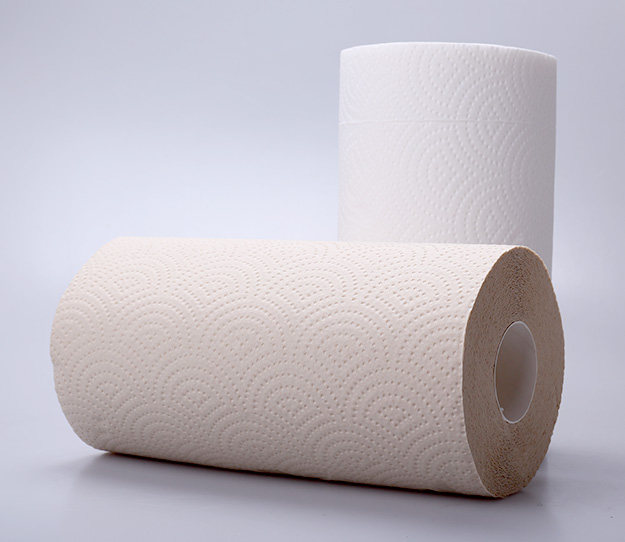
Durable kitchen paper towels tend to be made with sturdier fibers and they often include embossed textures. Those raised patterns help the towel hold onto liquids while also giving better cleaning results.
When you’re wiping kitchen appliances, cleaning countertops, removing food residue, or dealing with damp surfaces, durability really matters. You want a strong paper towel, which helps you clean more effectively without having to constantly swap out sheets.
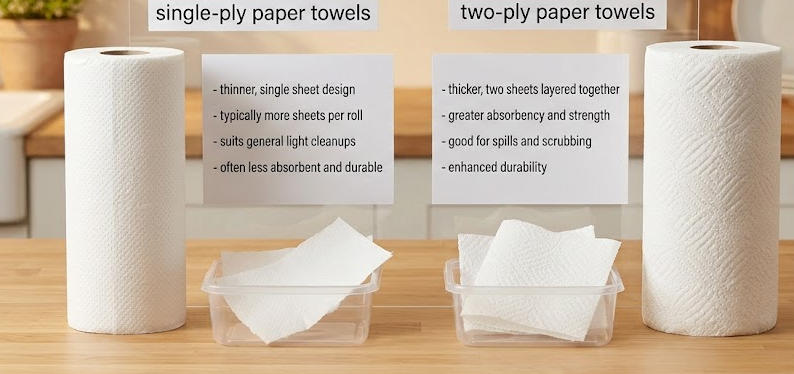
4. Choosing the Right Thickness and Ply
The thickness of a kitchen paper towel affects its absorbency, softness, and overall performance.
| Thickness / Ply Type | Structure Characteristics | Applications |
| Single-Ply Kitchen Paper Towels | Made with one layer of paper fiber; lightweight and thinner construction | Light wiping, drying hands, cleaning small spills, everyday simple tasks |
| Two-Ply Kitchen Paper Towels | Made with two layers of paper bonded together; balanced thickness | Most household kitchen tasks, wiping countertops, cleaning spills, food preparation |
| Three-Ply Kitchen Paper Towels | Made with three layers for increased thickness and liquid retention | Heavy cooking, grease removal, larger spills, frequent kitchen cleaning |
| Multi-Ply Premium Kitchen Paper Towels | Multiple layers combined with advanced fiber technology and embossed designs | Heavy-duty cleaning, professional-style kitchen use, demanding applications |
| Thick Embossed Paper Towels | Increased thickness with textured surface patterns | Cleaning appliances, removing stains, wiping wet surfaces |
| Ultra-Thin Economy Paper Towels | Minimal thickness designed for cost efficiency | Low-usage kitchens, quick wipes, basic cleaning |
Comparison of Performance in Thickness and Ply
| Ply Level | Absorbency | Strength When Wet | Softness | Cost Efficiency |
| Single-Ply | Moderate | Low to Moderate | Moderate | High for light tasks |
| Two-Ply | Good | Good | Good | Best overall balance |
| Three-Ply | Very Good | Very Good | Very Good | Suitable for higher-performance needs |
| Multi-Ply Premium | Excellent | Excellent | Excellent | Best for heavy-duty use |
For most homes, two-ply kitchen paper towels do a pretty nice job in the balance between price, resistance, and liquid soaking. When the task is simple, one ply paper towel can be enough for wiping counters and quick clean-ups. Meanwhile, three-ply paper towels and other premium multi-ply choices tend to fit better in households that cook a lot, deal with bigger messes, or need stronger wiping power.
5. Selecting the Appropriate Size and Roll Format
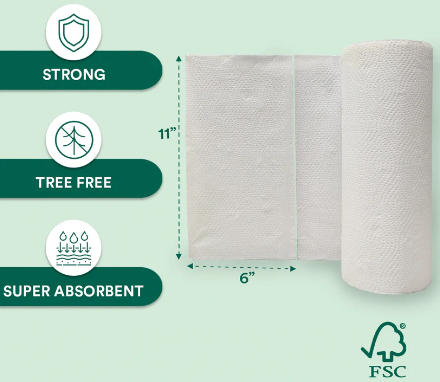
The size of each paper towel influences convenience and consumption.
| Size / Roll Format | Characteristics | Advantages | Limitations |
| Standard Size Sheets | Common sheet dimensions designed for general household use | Balanced coverage, easy to handle, widely available | May require multiple sheets for very large spills |
| Large-Size Sheets | Larger surface area per sheet with more cleaning coverage | Handles bigger spills, reduces the number of sheets needed, improves efficiency | Takes up more storage space and may cost more per roll |
| Half-Sheet Perforated Rolls | Rolls include additional perforations that allow users to tear smaller sections | Reduces waste, provides flexibility for small and large tasks | Smaller pieces may not be suitable for heavy cleaning |
| Full-Size Roll Format | Traditional roll design with standard-length sheets | Convenient, easy to store, suitable for most households | May create more waste if full sheets are used for small tasks |
| Jumbo Rolls | Larger rolls with more sheets and longer usage time | Requires fewer replacements, economical for high consumption, convenient for busy kitchens | Requires more storage space and larger dispensers |
| Compact Rolls | Smaller roll diameter with fewer sheets per roll | Space-saving, easy to store in small kitchens, lightweight | Needs more frequent replacement |
| Select-a-Size Rolls | Adjustable perforations allow users to choose different sheet sizes | Helps control usage, reduces unnecessary waste, cost-effective | Usually available at a higher price than standard rolls |
| Extra-Long Rolls | Extended roll length with more sheets than regular formats | Longer-lasting, fewer roll changes, convenient for frequent users | Larger size may not fit all holders or storage spaces |
Comparison of Kitchen Paper Towel Sizes and Roll Formats
| Format Type | Cleaning Coverage | Waste Control | Storage Convenience | Best For |
| Standard Sheets | Moderate | Moderate | Excellent | Everyday household tasks |
| Large Sheets | High | Good | Moderate | Large spills and heavy cleaning |
| Half-Sheet Rolls | Moderate | Excellent | Excellent | Flexible daily use |
| Jumbo Rolls | Very High | Good | Low | High-consumption households |
| Compact Rolls | Low to Moderate | Moderate | Excellent | Small kitchens |
| Select-a-Size Rolls | Adjustable | Excellent | Good | Households seeking efficiency |
| Extra-Long Rolls | High | Good | Moderate | Frequent users |
Also, think about the roll format and size because it changes how often you replace them and how easy they fit in your space. For many kitchens, select a size or standard 2-ply rolls, which give the best trade-off between ease of use and less waste. Jumbo and extra-long rolls work better when cleaning demands are high, like with frequent spills or heavier daily use.
6. Ensuring Food Safety and Kitchen Suitability
Kitchen paper towels are often used near food, so safety matters more than people assume. Towels labeled for kitchen use should be made with appropriate materials and meet the hygiene requirements expected for food-related environments.
Food prep usually means doing little things like soaking up extra oil from fried foods, letting fresh produce dry, or wiping down surfaces that get hit with ingredients. In those moments, paper towels should be free of extra additives, sharp fragrances, or any materials that could mess with food safety.
Picking kitchen-specific paper towels helps because the product is made for regular home cooking spaces, and not for random uses.
7. Balancing Sustainability and Environmental Impact
People are thinking more about the environment when they choose everyday items. A lot of consumers now look for kitchen paper towels that cut down on resource use, while still staying effective.
There are options using bamboo fibers or recycled materials, and they can act like a greener alternative to standard paper towels. Also some makers pay attention to responsible sourcing, smaller packaging, and better production practices to reduce the environmental footprint.
Still, sustainability needs to be thought about alongside performance. A paper towel that soaks up poorly or rips too fast can cause more usage, and that reduces the greener impact. The best option is usually one that mixes responsibly sourced materials with a capable cleaning touch.
8. Comparing Softness and Cleaning Performance
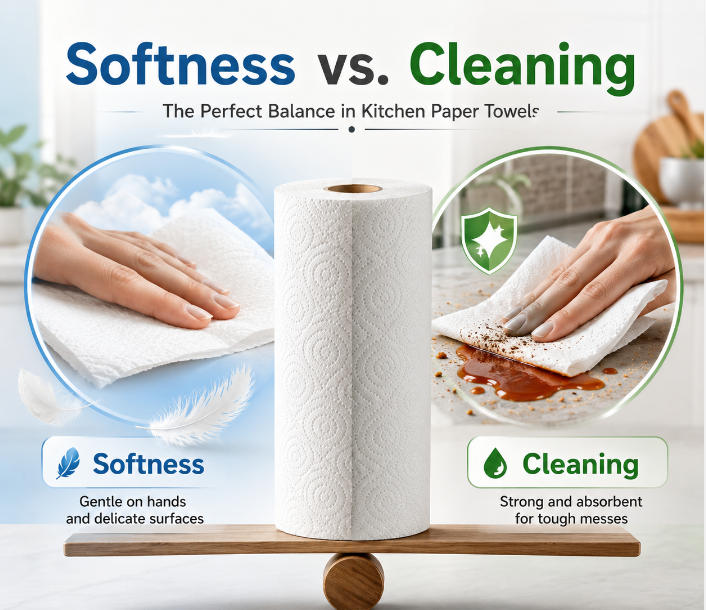
Softness matters for user comfort, in particular when paper towels are used often for drying hands or for working with fragile surfaces. A gentler paper towel can feel nicer during use, and it may lower the risk of scratching sensitive materials.
Still, comfort is not the only deciding factor. Some products that feel very soft may lack the necessary strength for heavier cleanup. A good kitchen paper towel should blend a soft surface with adequate durability and strong absorption.
For most households, a product that is pleasant to the touch but stays sturdy when wet tends to deliver the best overall results.
9. Choosing According to Household Needs
In every home, kitchen paper towels get used in a different way, so the right option comes down to lifestyle and the way you clean. If people in the household cook a lot, they might need thicker, more absorbent towels to deal with grease, sauces, and all those everyday splashes. In a smaller household where kitchen use is lighter, you can often lean toward more economical choices that still deliver basic performance for wiping and cleanup.
How often you use them, what you prepare, how much storage room you have, and your environmental preferences should all shape the decision. Picking a paper towel that fits what you really do can stop overspending and also limit extra material waste.
10. Finding the Best Balance Between Price and Quality
Price is an important consideration, but the cheapest option is not always the most cost-effective. Cheaper paper towels may end up costing more in practice because you go through more sheets to finish the same job, mainly due to weaker absorption or reduced durability.
A better kitchen paper towel can cost more at the start, but it might deliver steadier worth thanks to improved cleaning results and less usage. When people compare brands, they should look at how the price, number of sheets, absorbency, and durability fit together instead of just staring at the package cost.
Summary
For most homes, a strong and absorbent two-ply kitchen paper towel made from quality fibers provides an effective balance between convenience and affordability.
Households seeking environmentally friendly options can consider bamboo or recycled kitchen paper towels.
Final Thoughts
Selecting the right kitchen paper towel takes a bit of thought about material, thickness, size, safety, sustainability, etc. The right option is usually one that matches what your household uses, while still giving dependable scrubbing results and keeping waste lower. If you pay attention to what you actually need, and then compare the product features carefully, you can end up with a kitchen paper towel that makes everyday tidying more straightforward, more effective, and a bit more hygienic.