
How Manufacturers Improve Wet Strength in Kitchen Paper Towels
Kitchen paper towels should work in both dry and wet moments. When you wipe a counter, clean a mess, or handle a spill, the paper towel should not split or crumble. For manufacturers, improving wet strength is therefore an important part of producing durable and reliable kitchen paper towels.

What is Wet Strength in Kitchen Paper Towels
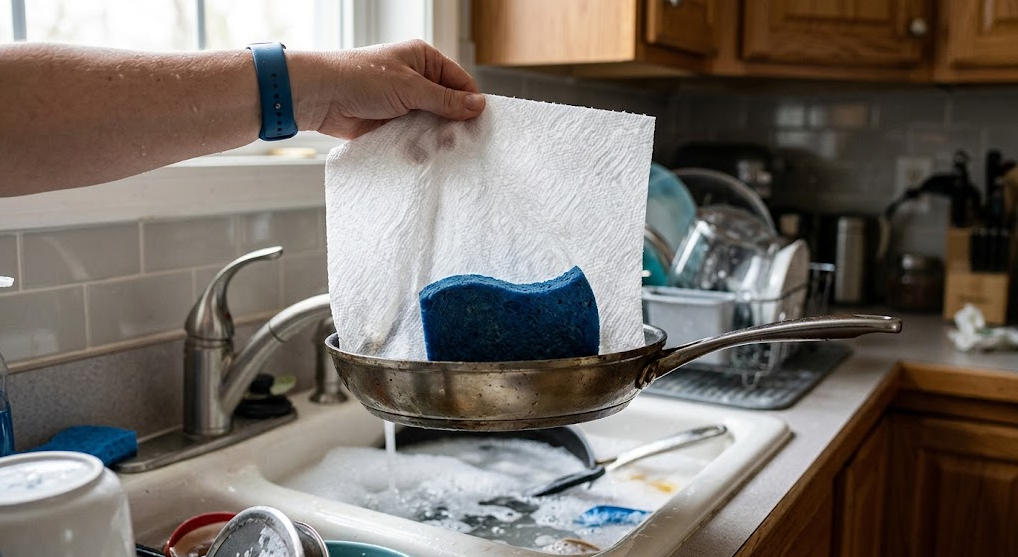
Wet strength is the ability of a towel to hold its shape after it soaks up water or other liquids. Dry strength is about performance when the sheet stays dry. Wet strength is about what happens once the fibers have absorbed moisture and feel saturated.
A towel with solid wet strength can take in liquid and still stay together during use. That includes wiping, squeezing, and everyday handling. To raise this trait, manufacturers usually combine several steps, such as fiber choice, refining, chemical add-ons, making the sheet, and converting into the final towel.
Key Factors Affecting Wet Strength in Kitchen Paper Towels
| Factor | Description |
| Fiber Type | The type and quality of cellulose fibers used in production |
| Fiber Length | Refers to the average length of cellulose fibers |
| Fiber Refining | Mechanical treatment that modifies fiber surfaces and bonding properties |
| Fiber Bonding | Strength of the connections between individual cellulose fibers |
| Wet-Strength Agents | Chemical additives designed to maintain fiber bonding after exposure to water |
| Pulp Composition | Combination of hardwood, softwood, bamboo, recycled, or other fibers |
| Basis Weight | Amount of paper material per unit area |
| Sheet Density | Compactness of the fiber network |
| Sheet Formation | Uniformity of fiber distribution throughout the sheet |
| Moisture Content | Amount of moisture remaining in the paper during processing and storage |
| Drying Conditions | Temperature, drying rate, and moisture control during production |
| Creping | Process used to create flexibility and bulk in tissue paper |
| Ply Structure | Number and arrangement of tissue layers |
| Embossing | Pattern pressed into the paper surface |
| Chemical Treatment | Use of strengthening, softening, or other functional additives |
| Storage Conditions | Temperature and humidity during storage |
Key Strategies for Improving Wet Strength in Kitchen Paper Towels
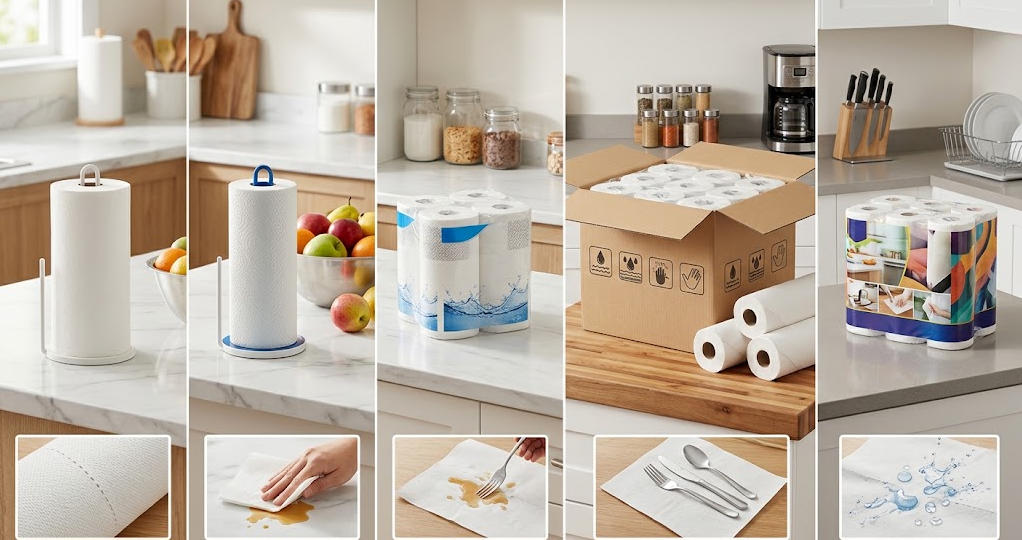
Improving wet strength involves more than simply adding strengthening chemicals. Fiber selection, refining, chemical steps, forming the sheet, drying, embossing, and checks during quality control all affect the final performance of kitchen paper towels.
1. Selecting Suitable Paper Fibers
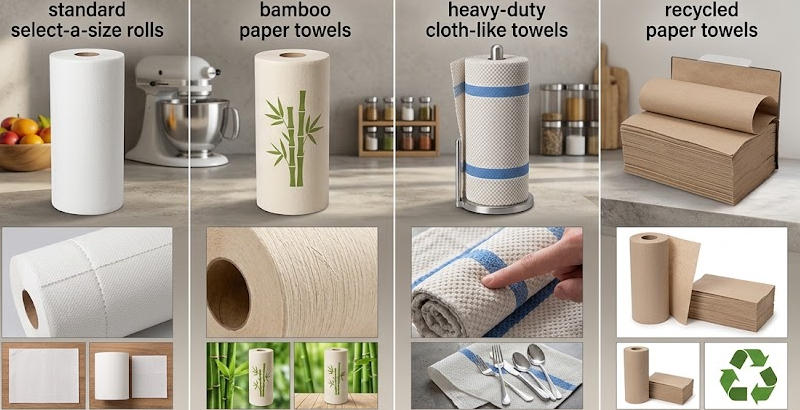
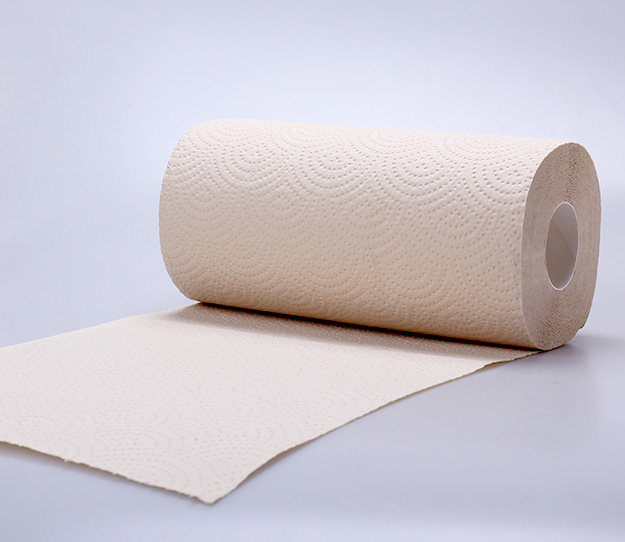
The choice of fiber material has a major influence on wet strength. Common sources include wood pulp, bamboo pulp, recycled fibers, or mixtures of cellulose fibers.
| Paper Fiber | Main Characteristics | Strength | Absorbency | Softness | Application |
| Virgin Wood Pulp | Clean, consistent cellulose fibers with good quality control | High | High | High | Premium kitchen paper towels |
| Hardwood Pulp | Shorter fibers that provide a smooth and soft sheet structure | Moderate | High | High | Soft and absorbent kitchen towels |
| Softwood Pulp | Longer fibers with strong fiber-to-fiber bonding | High | Moderate–High | Moderate | Strong and durable kitchen towels |
| Bamboo Pulp | Renewable cellulose fiber with good strength and absorbency | High | High | Moderate–High | Bamboo kitchen paper towels |
| Recycled Paper Fiber | Made from recovered paper products and processed for reuse | Moderate | Moderate | Moderate | Economy and recycled-content towels |
| Mixed Wood Pulp | Combination of hardwood and softwood fibers | High | High | High | Balanced strength, softness, and absorbency |
| Recycled+Virgin Fiber Blend | Combines recycled fibers with stronger virgin fibers | Moderate–High | Moderate–High | Moderate–High | Cost-conscious and sustainable products |
| Bamboo+Wood Pulp Blend | Combines bamboo characteristics with wood-pulp performance | High | High | High | Premium and sustainable kitchen paper towels |
Cellulose fibers that are longer and tougher can help fibers bond to each other. That support can keep the towel’s structure steadier when it is wet. In many cases, virgin pulp is used when softness and absorbency must also stay high, while strength still matters.
Bamboo pulp is another option. Its fibers can offer a useful mix of strength and absorbency if the pulp is treated correctly.
Manufacturers blend fiber types on purpose. They do this to reach a better balance of wet strength, absorbency, softness, bulk, and cost. Relying on just one fiber source is not always the best path.
2. Optimizing Fiber Refining
Refining changes the physical traits of cellulose fibers before the paper is made. When refining is done in a controlled way, it can increase fiber fibrillation. It can also expand the bonding contact between fibers.
Producers manage how hard and how long they refine. Too much refining can lower bulk and reduce absorbency. It can also make the sheet feel overly tight or dense. The aim is to build enough bonding to support wet performance while keeping the soft feel and absorbent nature people expect from kitchen towels.
3. Using Wet-Strength Agents
Wet-strength agents are one of the clearest ways to raise wet performance. These additives support stronger bonding inside the sheet. The bonds are meant to keep working once the fibers are exposed to water.
Common wet-strength options include resin-based additives, such as polyamide-epichlorohydrin (PAE) resins. Based on the target specs, makers change both the type and the amount of wet-strength chemicals while making the paper.
The recipe has to be managed closely. If too many chemicals are added, the sheet may feel less soft. It can also change how well it absorbs water, how it breaks down, and what it costs to produce.
4. Controlling Fiber Bonding
Strong fiber-to-fiber contact is a key driver of kitchen paper towel strength. To reach the right results, manufacturers work on pulp prep, fiber spread, the moisture level, and the drying setup. They aim for a paper sheet with the needed internal layout.
When bonding is strong, the towel can keep its shape even after it gets wet. Still, manufacturers must avoid making the sheet overly tight. Kitchen towels need to soak up liquids fast, so a too-dense structure is a problem.
5. Optimizing the Drying Process
Drying choices shape the final strength and feel of tissue. Teams control the temperature, the water level, the drying pace, and the machine settings. The goal is a mix of strength, softness, bulk, and good absorbency.
Through-air drying (TAD) technology used in kitchen paper towels, can create highly absorbent and bulky structures while maintaining useful strength characteristics. Conventional drying methods can also be optimized depending on the product design and equipment configuration.
6. Designing the Paper Structure
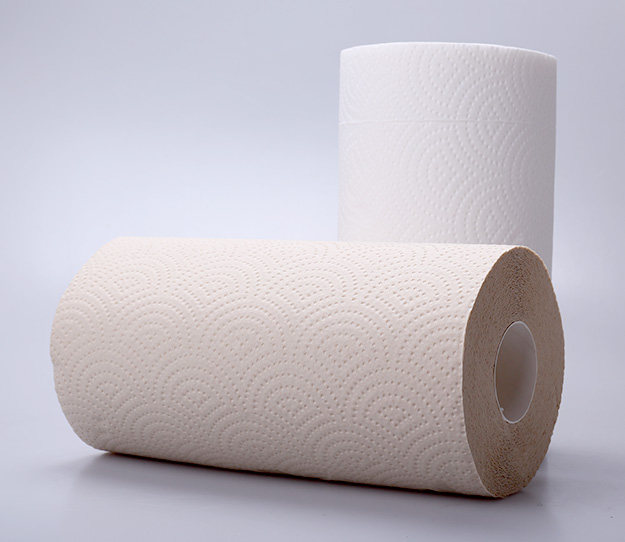
Wet strength does not come from chemicals only. The physical layout of the sheet matters a lot too.
Manufacturers can change basis weight, fiber direction, sheet density, creping effects, and embossing patterns. These choices shape how the towel acts during use. If the sheet is designed well, stress is spread across the whole area. Then a small weak spot is less likely to turn into fast tearing.
7. Using Appropriate Creping Technology
Creping is a key step in tissue making. It can raise bulk and flexibility. It also supports the usual soft feel.
But creping must be matched with strength needs. Too much disruption can cut strength. Too little creping can leave the product stiff and less pleasant to the touch.
When creping is done with care, it can help balance wet durability with comfort for users.
8. Optimizing Ply Structure
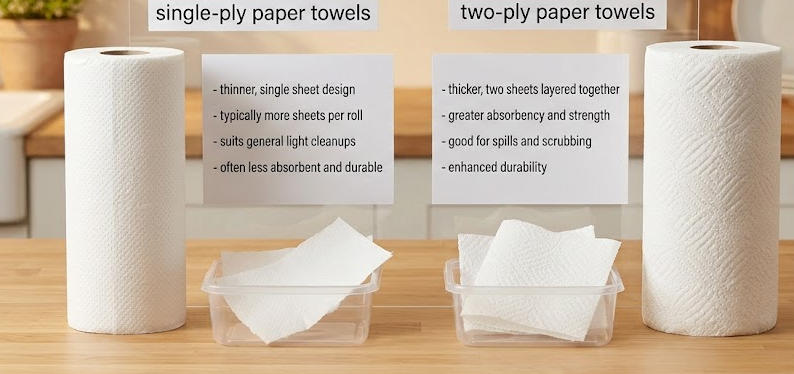
Kitchen paper towels are often made with two or more plies. Using multiple layers can improve thickness, strength, and the ability to hold liquid.
Tissue paper manufacturers may use different fiber mixes in each ply. One layer can focus on strength. Another can support softness and absorbency.
Layer bonding is also important. The plies must stay attached when the towel is handled while wet.
9. Improving Embossing Design
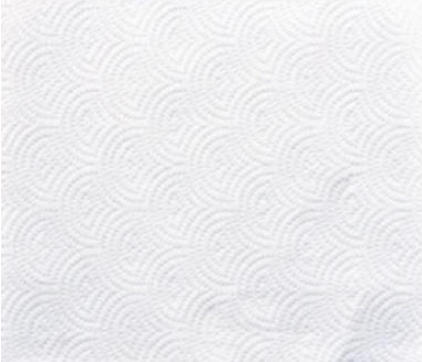
Embossing makes kitchen paper towels form a raised, three-dimensional look. If the design is done well, it can add bulk, make the sheet look better, and help tie more than one ply together.
The embossing depth and the shape of the pattern matter a lot. Too much embossing can form thin spots, or it may lower the usable strength of the towel. Too little embossing may not give any real support.
10. Balancing Wet Strength with Absorbency and Softness
Increasing wet strength is not simply a matter of adding more strengthening agents. Kitchen paper towels must satisfy several performance requirements simultaneously.
| Performance Requirement | Manufacturing Consideration |
| Wet strength | Fiber selection, bonding, and wet-strength additives |
| Absorbency | Fiber structure, porosity, and sheet density |
| Softness | Fiber quality, refining, creping, and chemical treatment |
| Dry strength | Fiber bonding and sheet structure |
| Bulk | Basis weight, embossing, and drying technology |
| Tear resistance | Fiber orientation and structural design |
| Cost efficiency | Raw materials, chemical dosage, and production efficiency |
A successful product therefore requires a balance between strength and other properties rather than maximizing wet strength alone.
11. Conducting Wet-Strength Testing
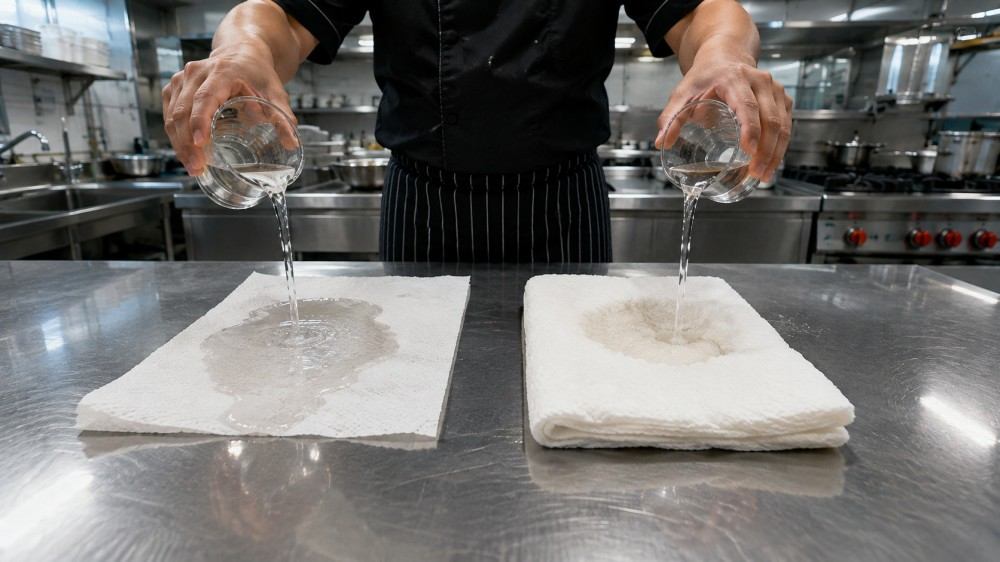
Kitchen paper towels are checked in controlled trials to see how they behave when wet. A common step is to test tensile strength after the sample is soaked with water.
Teams may also test how fast the towel absorbs, how much water it holds, and how it resists tearing. Softness and general durability are also part of the check. With those results, manufacturers can change pulp blend, chemical amounts, refining steps, and the way the sheet is built.
Quality checks are very important, especially for commercial items and private-label towels. Each batch has to perform in a similar way.
12. Optimizing the Manufacturing Process
Modern tissue paper manufacturers now use process monitoring and automated control. They watch things like pulp consistency, moisture level, basis weight, chemical dosing, and machine speed. This helps keep wet-strength results in the right zone.
Process tuning can also cut down on wasted raw material and chemical use. That can support the required performance while keeping production spending under control.
Final Words
Wet strength in kitchen paper towels is improved by multiple steps. Fiber choice, refining, wet-strength additives, fiber bonding, and drying all play a role. Sheet design and embossing matter too, and testing is used to confirm results. The hard part is holding wet durability at a good level without giving up absorbency, softness, bulk, or cost efficiency.
For consumers and commercial users, using the kitchen paper towels at home or at work, strong wet performance helps with spills, cleaning tasks, liquid pickup, and rough kitchen jobs. For manufacturers, it is important to carefully balance material selection and production approach so the paper towels stay dependable and perform well.