
How to Select Fibers for Tissue Paper Manufacturing
Fiber selection is a pretty critical decision in tissue paper manufacturing because the fibers directly decide the softness, strength, absorbency, durability, and overall quality of the end result. Whether producing facial tissues, toilet paper, kitchen towels, or industrial wipes, manufacturers still need to choose fiber material carefully, so they can hit the right performance level while also keeping costs under control and meeting sustainability goals.
Lately, the demand keeps climbing for high-quality tissue paper products that are also more environmentally friendly, so selecting the right fiber combination more important than ever. A proper fiber selection approach typically looks at raw material traits, product requirements, manufacturing processes, and also the environmental considerations.
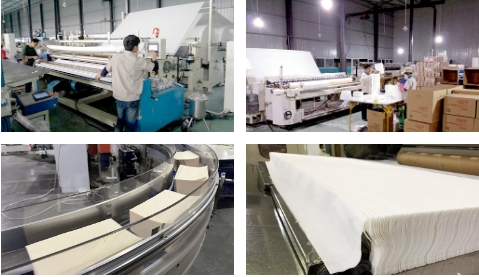
Why Fiber Selection in Tissue Paper Manufacturing is Important
Fibers are the main, basic building blocks of tissue paper. In the paper-making process, the fibers end up making a network structure, and that structure decides the physical behavior of the tissue sheet. So yeah, different fiber types can bring different results for softness, strength, and absorbency, depending on what the manufacturer wants.
The correct fiber mix lets manufacturers reach a careful balance between comfort and performance. For instance, facial tissues really depend on extra-soft fibers for skin comfort, while kitchen towels need sturdier fibers that can handle moisture along with mechanical stress, better than the delicate ones.
If fiber selection is done poorly, tissue paper products might end up with a rougher surface, weaker strength, lower absorbency, or they might even cost more to produce. So, manufacturers should really assess the fiber characteristics with some care before they even start production.
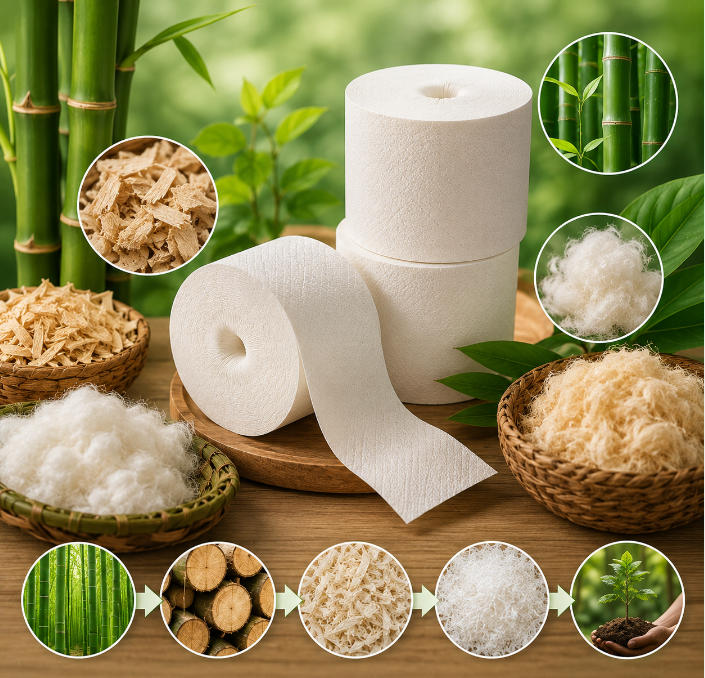
Common Types of Fibers Used in Tissue Paper Manufacturing
| Fiber Type | Source | Main Characteristics | Advantages |
| Virgin Wood Pulp | Fresh wood fibers from softwood and hardwood trees | High purity, consistent quality, good fiber strength, excellent softness | Provides superior softness, strength, absorbency, and cleanliness |
| Softwood Pulp | Trees such as pine and spruce | Long fibers with strong bonding ability | Improves tensile strength, tear resistance, and durability |
| Hardwood Pulp | Trees such as eucalyptus and birch | Shorter fibers with smooth texture | Enhances softness, smoothness, and surface quality |
| Recycled Fiber | Recovered paper products processed into new pulp | Shorter fibers due to repeated recycling cycles | Reduces raw material consumption, supports sustainability, lowers environmental impact |
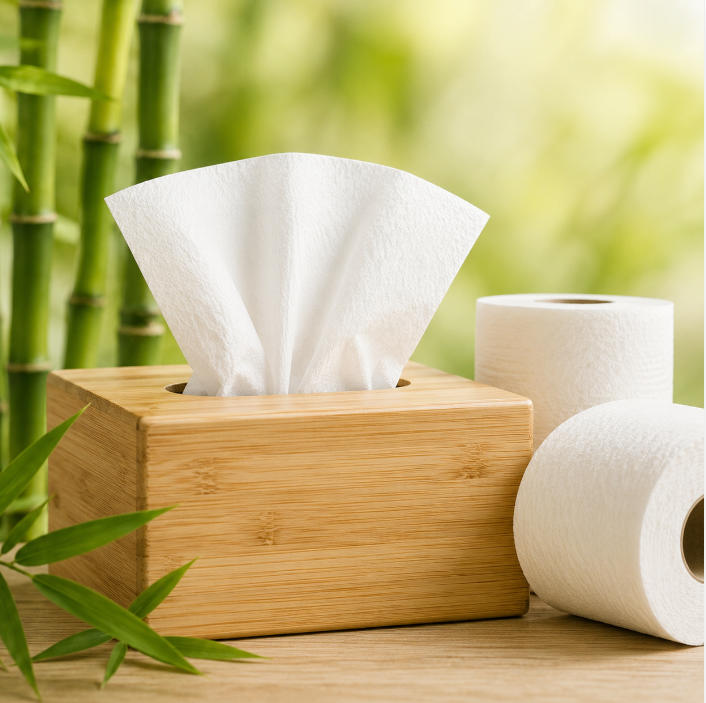
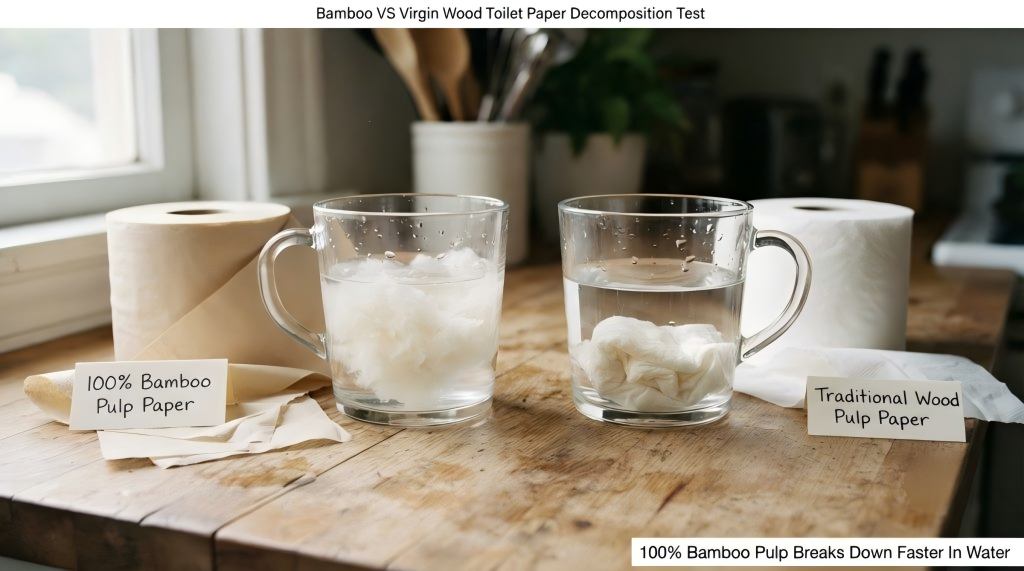
| Bamboo Fiber | Bamboo plants | Renewable fiber with good strength and softness | Fast-growing resource, sustainable, environmentally friendly, naturally soft |
| Sugarcane Bagasse Fiber | Residue from sugarcane processing | Non-wood fiber with renewable characteristics | Utilizes agricultural waste and reduces dependence on wood pulp |
| Wheat Straw Fiber | Agricultural waste from wheat production | Lightweight plant-based fiber | Provides alternative raw material and supports waste utilization |
| Rice Straw Fiber | Rice farming residues | Renewable agricultural fiber source | Helps reduce agricultural waste and supports sustainable production |
| Mixed Fiber Blends | Combination of different fiber sources | Customized fiber properties based on blending ratios | Balances softness, strength, absorbency, cost, and sustainability |
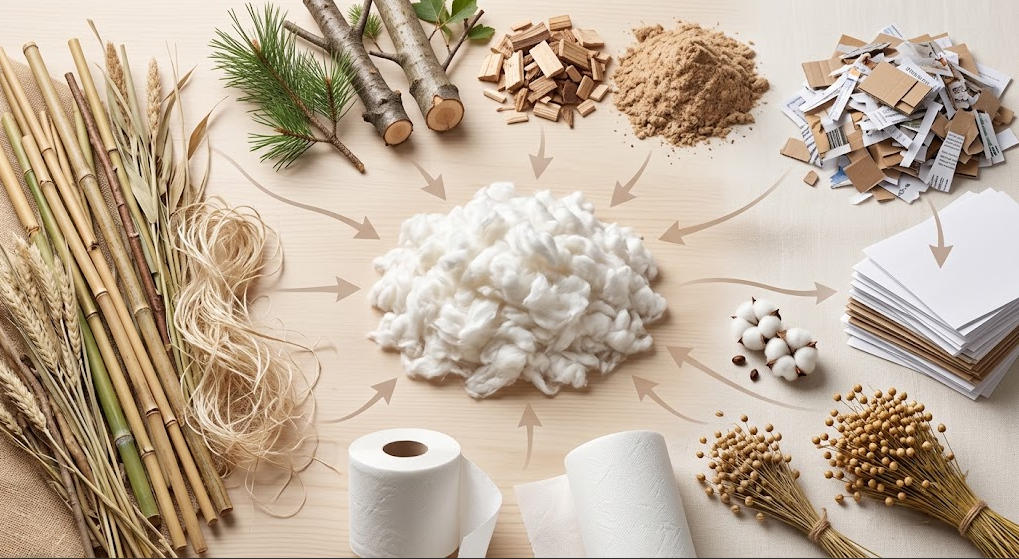
Key Factors to Consider When Selecting Fibers for Tissue Paper Manufacturing
Selecting the right fibers really means you have to look at quite a few factors at once, like how the raw material behaves, what the product needs, what production technology will be used, and also the environmental impact.
1. Fiber Type and Raw Material Source
When you start choosing fibers, the type and origin of that raw material are usually the first things to check. Each fiber source brings its own strengths, and those strengths then shape the final tissue feel and performance in a practical way.
Virgin wood pulp is common in tissue manufacturing because it tends to deliver high purity, a soft hand, and solid strength. Softwood pulp, for example, contains longer fibers which helps with tensile strength and durability. Hardwood pulp, on the other hand, has shorter fibers that often increase softness and a smoother surface. A lot of higher-end tissue items rely on a blend of the two fiber types, so the end result lands in a more balanced, dependable performance range.
Recycled fibers are still one more important option, especially for manufacturers trying to boost sustainability. They help reduce the need for virgin resources, and also back recycling systems. Still, recycled fibers tend to have shorter lengths and weaker strength, because they have already gone through processing cycles.
Alternative fibers like bamboo, and agricultural residues too, are being used more and more. These renewable materials bring environmental advantages, and they can help manufacturers build more sustainable tissue products.
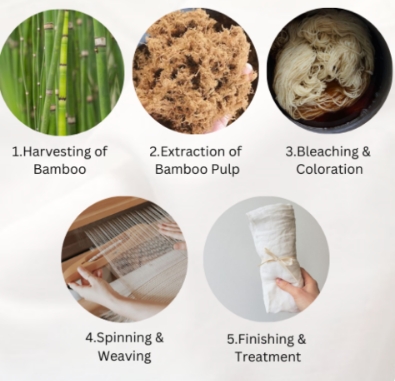
2. Fiber Length and Strength
Fiber length is a major driver for tissue paper strength and durability. Longer fibers make stronger linkages inside the paper structure, so the sheet handles tearing better, plus it resists mechanical stress more effectively.
Softwood fibers are usually longer than hardwood fibers, which makes them useful for roles that need more strength, like kitchen towels and industrial wipes. Yet, if you lean too hard into long fibers, softness can drop a bit, so many makers end up blending long fiber length with short fiber length to hit the right equilibrium.
Shorter fibers help create smoother surfaces and better hand feel, in practice, they give that gentle feel people notice right away. By managing the proportion between different fiber lengths, tissue manufacturers can end up with products that feel comfortable and still hold up over time.
3. Fiber Softness and Flexibility
Softness is one of the main quality markers for a lot of tissue items, especially facial tissues and premium toilet paper. The fiber network, the ability to bend, and the surface behavior all affect how soft a tissue feels in your fingers.
Flexible fibers can help make a more even and gentle paper feel, and the overall structure tends to look better. They also increase surface smoothness, which usually leads to better user comfort. Hardwood fibers are often chosen for softness, mainly because their structure is shorter, finer, and easier to work with.
Manufacturers need to find a balance between softness and strength in tissue paper since chasing too much comfort can weaken the tissue durability.
4. Absorbency Performance
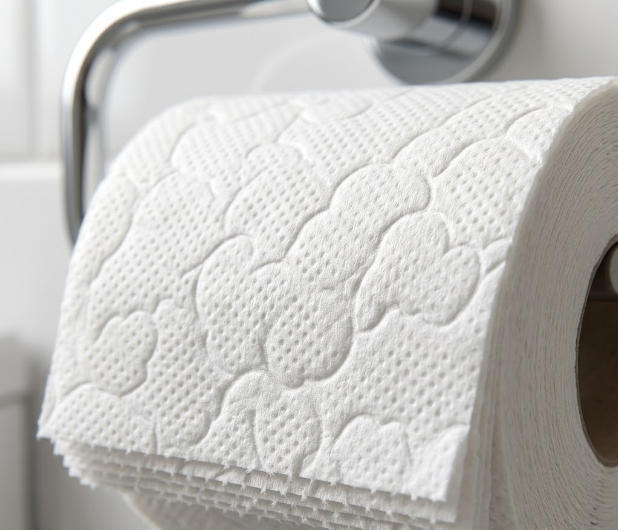
Absorbency matters a lot for tissue paper uses, especially in kitchen towels. The fibers picked should let the sheet take in liquids quickly, while also holding moisture in a steady way.
Fiber porosity, surface area, and bonding traits all affect absorbency. Fibers with the right arrangement form small internal gaps inside the sheet, so liquids can be trapped and stored.
Manufacturers often tweak fiber blends and refining operations to boost absorbency, but without lowering strength or smoothing quality.
5. Fiber Purity and Cleanliness
Fiber purity is crucial for making safe and top-quality tissue paper products. This gets especially noticeable with facial tissues, baby tissues, and any other items that end up in direct touch with skin.
In general, high-quality virgin fibers offer great cleanliness plus steady performance. Recycled fibers, on the other hand, demand advanced washing and processing approaches, so impurities get taken away and the end result stays within an acceptable level.
Choosing clean, dependable fiber materials supports better look of the product, improves safety, and also enhance trust from consumers.
6. Tissue Paper Application Requirements
The intended application of tissue paper should guide fiber selection decisions. Different products require different performance characteristics.
| Tissue Paper Application | Required Fiber Characteristics | Recommended Fiber Types | Reasons for Selection |
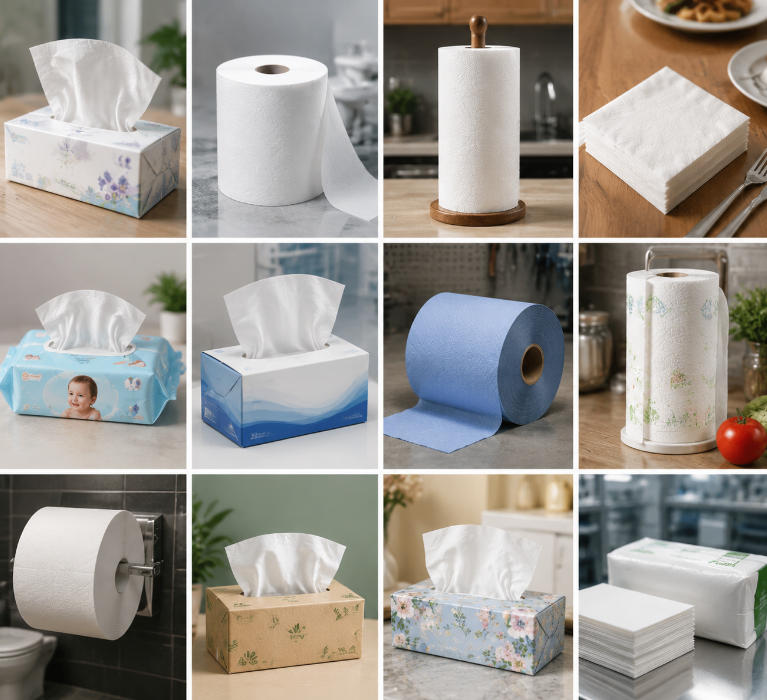
| Facial Tissue | High softness, smooth texture, good flexibility, high purity, gentle on skin | Hardwood pulp, softwood pulp blends, premium virgin pulp, bamboo fiber | Provides a soft touch, excellent comfort, clean appearance, and sufficient strength for daily facial use |
| Toilet Paper | Balanced softness, moderate strength, good absorbency, rapid disintegration | Hardwood pulp, softwood pulp, recycled fiber blends, bamboo fiber | Creates a comfortable texture while maintaining durability and easy breakdown after disposal |
| Kitchen Paper Towels | High absorbency, strong wet strength, tear resistance, durability | Softwood pulp, virgin wood pulp blends, reinforced fiber mixtures | Longer and stronger fibers improve liquid absorption and performance during cleaning tasks |
| Paper Napkins | Softness, absorbency, good folding strength, pleasant surface feel | Hardwood pulp, virgin pulp blends, recycled fiber | Provides comfort, attractive appearance, and sufficient strength for food service applications |
| Industrial Wipes | High strength, durability, chemical resistance, repeated-use performance | Long-fiber virgin pulp, specialty fiber blends, synthetic-cellulose blends | Strong fibers help withstand mechanical stress and demanding industrial environments |
| Baby Tissue Products | Ultra-soft texture, high purity, skin safety, low irritation potential | High-quality virgin pulp, bamboo fiber, refined hardwood pulp | Ensures gentle contact with sensitive skin and maintains cleanliness |
| Medical and Hygiene Tissues | High cleanliness, strength, absorbency, consistent quality | Virgin wood pulp, specialty purified fibers | Provides reliable performance and meets strict hygiene requirements |
| Eco-Friendly Tissue Products | Renewable sourcing, lower environmental impact, acceptable softness and strength | Bamboo fiber, recycled fiber, agricultural residue fibers | Supports sustainable production while reducing dependence on traditional wood resources |
| Commercial Restroom Tissue | Cost efficiency, acceptable softness, durability, bulk performance | Recycled fiber, mixed fiber blends, hardwood pulp | Offers economical production while maintaining required user performance |
| Premium Luxury Tissue Products | Maximum softness, superior smoothness, high absorbency, premium appearance | High-grade virgin hardwood and softwood pulp blends, bamboo fiber | Delivers enhanced comfort, softness, and high-end product quality |
7. The Right Fiber Blend Ratio
Most tissue paper products use a combination of different fiber types rather than a single fiber source. Fiber blending allows manufacturers to optimize product performance while controlling costs.
The following chart provides common fiber blending strategies in tissue paper manufacturing.
| Fiber Blending Strategy | Key Benefits | Applications |
| Softwood + Hardwood Pulp Blend | Balances strength and softness; improves tissue durability while maintaining a smooth feel | Premium facial tissues, toilet paper, high-quality napkins |
| Virgin Pulp + Recycled Fiber Blend | Reduces raw material costs and environmental impact while maintaining acceptable performance | Household tissues, commercial tissues, eco-friendly tissue products |
| Hardwood Pulp Dominant Blend | Provides excellent softness, smoothness, and gentle surface texture | Facial tissues, premium toilet paper, personal care tissues |
| Softwood Pulp Dominant Blend | Improves tensile strength, tear resistance, and wet performance | Kitchen towels, industrial wipes, heavy-duty tissue products |
| Bamboo Fiber + Wood Pulp Blend | Enhances sustainability while maintaining softness and strength | Eco-friendly tissues, sustainable toilet paper, green consumer products |
| Recycled Fiber + Bamboo Fiber Blend | Improves environmental performance and reduces dependence on virgin wood resources | Sustainable household tissues and environmentally focused products |
| Agricultural Fiber + Virgin Pulp Blend | Utilizes agricultural waste while improving strength and consistency | Specialty tissues and sustainable paper products |
8. Manufacturing Process Compatibility
The fiber choice has to align with what the tissue paper production process can actually handle. Various manufacturing technologies affect how fibers act during forming, pressing, drying, and creping, and they do it in different ways.
Factors like refining intensity, chemical additives, machine pace, and drying conditions can shift the final tissue quality. A fiber may work wonderfully with one production setup, but when you move it to another line, the same fiber might not deliver comparable results.
Tissue paper manufacturers should really look at fiber performance together with what the process needs, in order to keep production stable, and to also get consistent quality, which is the point in the end.
9. Cost and Availability of Fibers
The cost of raw material is a big deal in tissue manufacturing. Premium fibers can raise product quality, but they can also raise production expenses.
Manufacturers need to judge how the fiber cost links up with what the product requires. Sometimes using optimized fiber blends can deliver the target performance and still keep the pricing competitive.
But the availability of fibers, and how steady the supply is, matters just as much. If manufacturers can reliably get the needed raw materials, production keeps running and they can avoid supply disruptions.
10. Sustainability and Environmental Impact
Environmental factors now matter more during fiber selection. Consumers and businesses are paying greater attention to sustainable options, so manufacturers are encouraged to choose greener feed-stocks and raw materials.
Important sustainability factors include:
- Responsible sourcing of wood fibers
- Increased use of recycled materials
- Development of renewable alternative fibers
- Reduction of energy and resource consumption
Selecting environmentally responsible fibers helps tissue manufacturers improve their sustainability performance and meet market expectations.
Fiber Testing and Quality Evaluation
Before moving into large-scale production, manufacturers should run detailed testing to judge performance properly. Lab analysis can measure useful properties such as tensile strength, softness, absorbency, bulk, and fiber bonding ability.
Doing this testing helps uncover the most suitable fiber combinations, and lets producers tune their production conditions. It also supports that the final tissue product meets quality standards and matches customer expectations.
Summary
Selecting the right fibers for tissue paper manufacturing needs a careful evaluation of product needs, fiber properties, production technology, cost considerations, and sustainability goals. Virgin wood pulp, recycled fibers, bamboo and agricultural-derived fibers all bring their own benefits, and usually the strongest outcomes show up when the fiber mix is fine-tuned or well balanced.
When tissue manufacturers select fibers strategically, they can reach great tactile softness, solid tensile strength, good wet absorbency, and solid environmental outcomes while still staying competitive in a market that keeps changing.