
What Determines Toilet Paper Manufacturing Costs: Understanding the 10 Key Factors
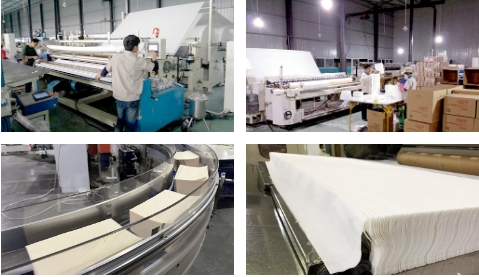
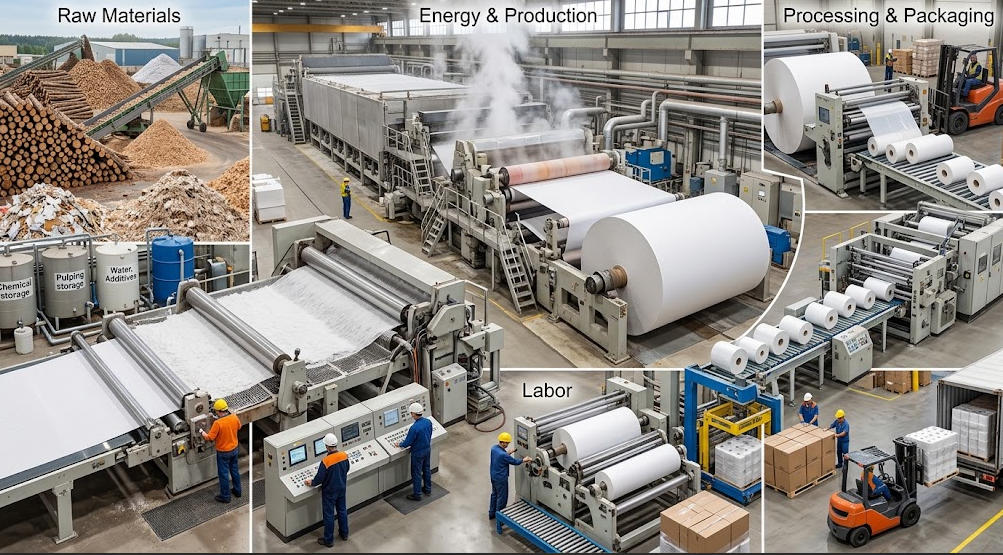
Toilet paper manufacturing involves a complex production process. First comes preparing raw inputs. Then papermaking happens. After that, the sheet gets converted into the final rolls or packs. Next is packaging. Finally the product goes out for distribution. Even though people use toilet paper every day, its manufacturing cost is influenced by many factors. Pulp costs matter. Energy use matters too. Production speed and yield also play a role. Market demands and required product specs also can shift the costs. When tissue paper manufacturers understand these factors, they can tighten output, limit waste, and stay competitive.
Why Understanding Toilet Paper Manufacturing Costs is Important
Knowing toilet paper manufacturing costs lets a plant spot the biggest spending areas. It also helps teams raise production efficiency and choose smarter plans. When a factory checks inputs like raw materials and energy, plus equipment running time and packaging handling, it can often cut avoidable losses. It can also keep product quality steady. Cost tracking can guide pricing choices and support competitiveness. It can also push factories toward more careful production in a market that keeps changing.
Key Factors Affecting Toilet Paper Manufacturing Costs
1. Raw Material Selection and Pulp Costs
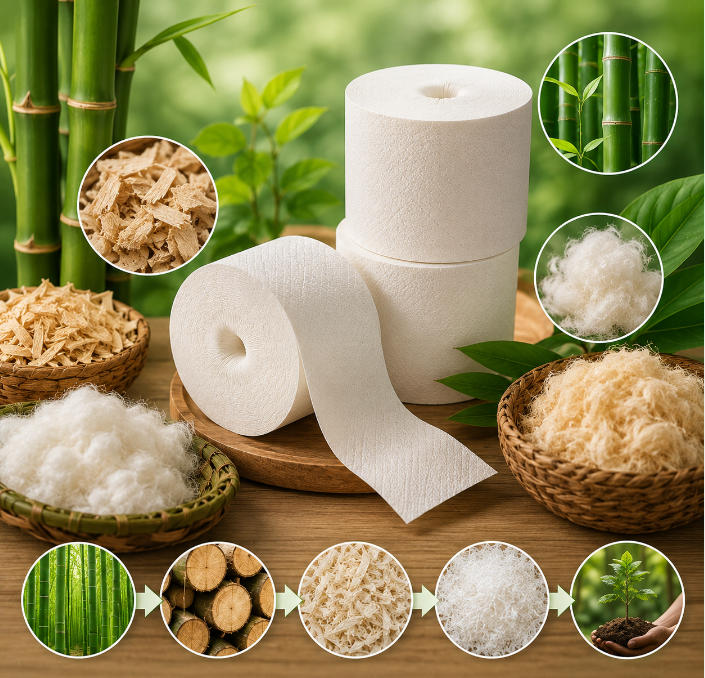
Raw materials are one of the most significant factors affecting toilet paper manufacturing costs. The primary materials used in production include virgin wood pulp, recycled paper pulp, and alternative fibers such as bamboo pulp.
| Raw Material | Description | Cost Impact | How Affecting Cost |
| Virgin Wood Pulp | High-quality pulp made from fresh wood fibers, commonly used for premium toilet paper due to its softness, strength, and absorbency. | High cost and one of the largest contributors to production expenses. | Wood prices, forestry regulations, pulp supply, transportation costs, and global market demand. |
| Recycled Paper Pulp | Processed from recovered paper materials and used for economical or eco-friendly toilet paper products. | Generally lower cost than virgin pulp but may require additional processing. | Collection costs, recycling efficiency, cleaning processes, and quality requirements. |
| Bamboo Pulp | Alternative fiber material used for the production of sustainable bamboo toilet paper. | Medium to high cost depending on availability and processing technology. | Bamboo supply, fiber processing methods, environmental certifications, and production scale. |
| Mixed Fiber Pulp | A combination of virgin pulp, recycled pulp, or other fibers to balance quality and cost. | Helps manufacturers control costs while maintaining acceptable product performance. | Fiber ratio, raw material prices, product grade, and customer requirements. |
| Softwood Pulp | Long-fiber pulp that improves paper strength and durability. | Can increase costs but improves product quality and tear resistance. | Tree species, pulp production methods, and supply availability. |
| Hardwood Pulp | Short-fiber pulp that provides smoothness and softness to tissue products. | Usually combined with softwood pulp to achieve desired texture and performance. | Hardwood availability, processing costs, and market conditions. |
| Bleaching Chemicals | Chemicals used to whiten pulp and improve product appearance. | Adds additional processing costs to production. | Chemical prices, environmental regulations, and treatment requirements. |
| Additives and Functional Materials | Includes softeners, strength enhancers, lotions, fragrances, and other special ingredients. | Increases costs for premium or specialty toilet paper products. | Product features, formula requirements, supplier prices, and market positioning. |
| Packaging Materials | Plastic film, paper wrapping, cardboard boxes, and labels used for finished products. | Affects the final product cost, especially for branded and customized packaging. | Material type, printing design, sustainability requirements, and order quantity. |
Price changes for pulp can hit expenses fast. So can the quality level and where the pulp is sourced from. On top of that, shifts in worldwide pulp availability, energy price swings, and new environmental rules can change raw material costs.
2. Production Equipment and Technology Investment
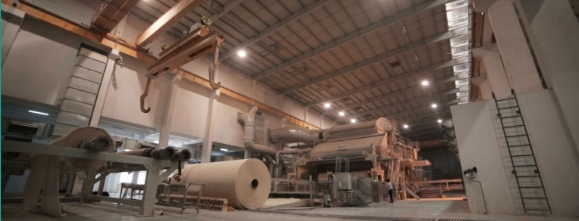
To make modern toilet paper, plants use a range of machines. These can include tissue-making machines, rewinding machines, embossing units, perforating systems, and packaging gear.
Fast automated lines often need a large upfront budget. Still, they can lower costs over time. They usually help by running more efficiently, cutting waste, and reducing the amount of manual work needed. Machines with stronger control systems can keep product results more stable. They can also help use less energy and less material.
Plants that run older or weaker machines may pay more daily. Slower line speed can raise costs. Extra maintenance can add cost. Material losses can also rise when equipment is not efficient.

3. Energy Consumption During Manufacturing
Energy is another major cost driver in toilet paper making. The work needs electricity and heat at several points. Pulp preparation uses energy. Drying takes more power. Paper forming and converting also add to the load.
Drying is often the heaviest energy step. The process must remove a lot of water from the web. If electricity or fuel prices climb, total manufacturing costs can climb with them.
Some factories respond by upgrading to energy-saving machines. Others add heat recovery systems. Some also look at renewable energy options to lower operating expenses and reduce environmental impact.
4. Labor and Workforce Expenses
Even with automation, factories still have to pay for labor. Human work shows up in tasks like running lines, checking product quality, fixing equipment, handling packaging, and managing warehouse work.
Labor cost is not the same everywhere. It depends on where the plant sits, how trained the staff is, and how much the site relies on automation. A factory that uses more automation may spend less on headcount, but it still needs skilled people to keep the systems running and handle repairs.
2. Manufacturing Scale and Production Efficiency
How big a manufacturer is can change the cost per roll. Big plants often get benefits from scale. They can buy raw inputs in large lots, keep machines running with fewer stops, and split fixed expenses across more output.
Smaller and mid-sized firms can end up paying more per unit. That can happen because their output is lower and their buying power is weaker. Better scheduling, less idle time, and higher machine run time can reduce total costs.
3. Packaging Material and Design Costs
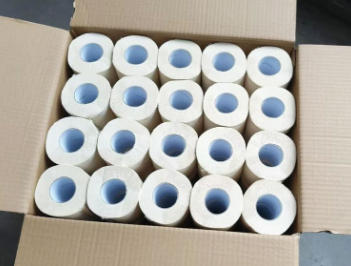
Packaging adds a real share to toilet paper expenses. Typical options include plastic film, paper wrap, cardboard cartons, and printed labels.
The cost shifts with the packaging style. It also changes based on print work, how complex the design is, and any environmental rules tied to materials. Brands in the premium range may spend more on good-looking packs, recycled-friendly materials, and custom layouts to raise perceived value.
More buyers now look for greener choices. That can push manufacturers toward plastic-free packaging for toilet paper rolls, which may also change production costs.
4. Quality Control and Product Standards
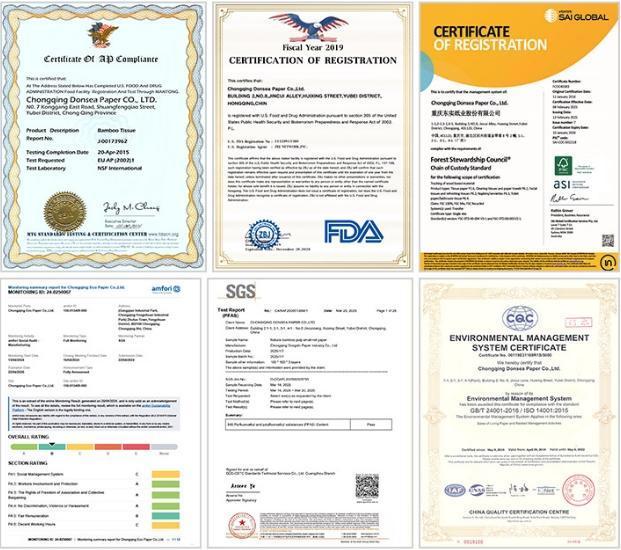
To keep quality steady, manufacturers must fund tests and inspections. They track key factors such as softness, absorbency, strength, thickness, hygiene checks, and moisture levels for achieving strict toilet paper quality standards.
If a company wants higher-grade toilet paper, it often needs better raw inputs and more careful processing. It also means stricter checks at each step. These measures cost more, but they lower defect rates and can make customers feel more confident about the product.
5. Transportation and Logistics Costs
Transportation is another item that shapes the final cost. Toilet paper is light, yet it takes up a lot of space. That makes storage and transport efficiency more important than people might expect.
Logistics costs cover moving raw materials to the plant, shipping finished goods to storage sites, and sending orders to retail partners. Plants that are closer to major suppliers or close to big markets can have an advantage.
Smaller packaging choices, tighter warehouse routines, and smarter transport picks can all help cut logistics spending.
6. Environmental Regulations and Sustainability Requirements
Environmental rules are starting to affect toilet paper costs more and more. Compliance tied to sewage treatment, air emissions, timber sourcing, and recycling can lead to extra spending.
Companies that try greener toilet paper manufacturing methods often have to pay for approved paper sources, cleaner production tools, and safer packaging. These changes may raise expenses in the short term. Still, they can help the brand image and match what buyers want from eco-friendly products.

7. Market Demand and Product Positioning
Who the product is for also changes how much it costs to make. Basic budget toilet paper is built to keep output costs low. Premium lines can add extra softness, more than one layer, scent, patterned embossing, or upgraded packaging.
Premium brands usually pay more for materials, equipment, and promotion. In return, they may earn better margins because buyers perceive extra value.
Summary Toilet Paper Manufacturing Cost Chart
| Cost Category | Main Components | Importance in Total Cost |
| Raw Materials | Virgin pulp, recycled pulp, bamboo pulp, additives | Very High |
| Energy Consumption | Electricity, steam, heating, drying operations | High |
| Equipment Investment & Maintenance | Tissue machines, rewinders, embossing units, repairs, spare parts | High |
| Labor Costs | Machine operators, technicians, quality inspectors, packaging workers | Medium |
| Packaging Costs | Plastic film, paper packaging, cardboard boxes, labels | Medium |
| Transportation & Logistics | Raw material shipping, warehousing, product distribution | Medium |
| Quality Control | Product testing, inspection systems, monitoring processes | Low to Medium |
| Environmental Costs | Wastewater treatment, recycling systems, sustainable materials | Low to Medium |
| Production Scale | Factory capacity, machine utilization, production volume | High Influence |
Cost-Efficiency Techniques for Toilet Paper Manufacturing
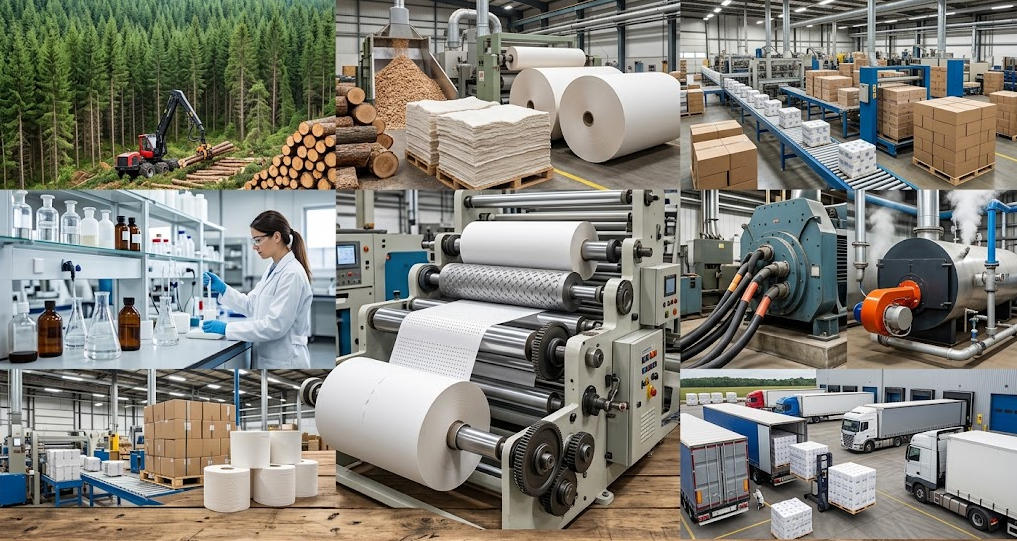
The most effective cost-efficiency strategies in toilet paper manufacturing focus on optimizing raw materials, improving automation, reducing energy consumption, minimizing waste, and increasing production efficiency.
| Cost-Efficiency Technique | Implementation Methods | Cost Reduction Benefits |
| Optimize Raw Material Usage | Select suitable pulp combinations for toilet paper production, improve fiber utilization, reduce material waste, and use recycled fibers when appropriate. | Lowers raw material expenses, which are usually the largest manufacturing cost. |
| Improve Production Automation | Use automated tissue machines, smart control systems, and robotic packaging equipment. | Reduces labor costs, increases production speed, and improves consistency. |
| Upgrade Energy-Efficient Equipment | Install efficient motors, improved drying systems, heat recovery units, and energy monitoring systems. | Reduces electricity and fuel consumption during production. |
| Reduce Paper Waste | Optimize cutting patterns, control production parameters, and recycle production scraps. | Improves material efficiency and decreases unnecessary losses. |
| Increase Production Capacity | Improve machine utilization rates, reduce downtime, and optimize production scheduling. | Lowers the cost per roll through economies of scale. |
| Implement Preventive Maintenance | Regularly inspect machines, replace worn parts early, and monitor equipment performance. | Reduces unexpected downtime and expensive repairs. |
| Optimize Water Management | Use water recycling systems, improve wastewater treatment, and reduce water consumption during pulp processing. | Decreases water-related operating costs and supports sustainability. |
| Improve Quality Control Systems | Apply automated inspection technologies and real-time production monitoring. | Reduces defective products, waste, and reprocessing costs. |
| Optimize Packaging Design | Use lightweight packaging materials, reduce unnecessary packaging layers, and improve packing efficiency. | Lowers packaging material and transportation expenses. |
| Strengthen Supply Chain Management | Build stable supplier relationships, purchase materials strategically, and improve inventory control. | Reduces raw material price risks and storage costs. |
| Adopt Sustainable Materials | Use certified pulp, recycled fibers, and renewable materials such as bamboo pulp. | Can reduce resource consumption and improve long-term cost efficiency. |
| Train Employees and Improve Workflow | Provide technical training and optimize production procedures. | Improves productivity and reduces operational errors. |
Summary
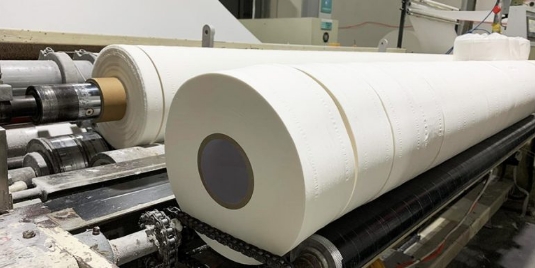
Toilet paper manufacturing costs come from many parts at once. Prices for pulp and other inputs matter. Machines and upgrades matter too. So do power use, worker pay, how fast the line runs, packing choices, quality demands, shipping, and any sustainability work. When manufacturers handle these factors well, they can cut costs without dropping quality and meeting changing consumer expectations.
As the toilet paper industry continues to develop, automation, intelligent manufacturing systems, and sustainable production technologies will become increasingly important for controlling costs and achieving more cost-effective, environmentally responsible toilet paper manufacturing.