
How to Choose the Right Hand Paper Towel for Your Business
Selecting the right hand paper towel for your business matters. It helps keep the workplace clean. It can also make hand drying easier for users. Plus, it can lower daily operating costs. This is true whether you run an office, restaurant, hotel, school, health setting, or a shop and plant floor. The right hand paper towel choice can make a significant difference in restroom cleanliness and maintenance efficiency.
There’re various types of hand paper towels. They vary by material, size, and dispenser style. Still, the purchase price is not the only thing to check. You also need to look at absorbency, durability, dispenser compatibility, sustainability and supplier reliability, all affect total value over time. When you look at these factors together, it is easier to choose paper towels that fit your business needs.

Understand Your Business’s Hand Paper Towel Needs
Before selecting a product, evaluate how and where hand paper towels will be used. Different businesses have different traffic levels, hygiene expectations, and maintenance requirements.
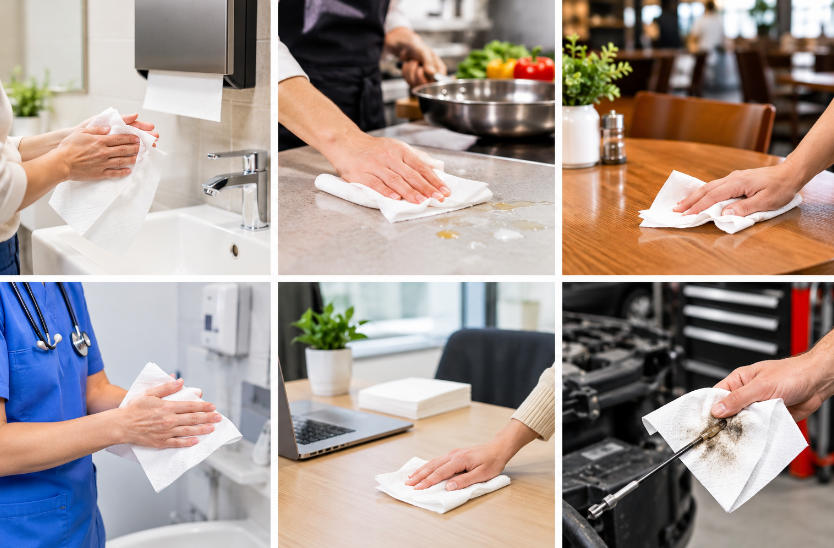
For example, a small office might lean toward low cost and easy storage. A busy restaurant may need towels that soak up a lot and stay stocked during the day. Hotels often care about a softer feel and a more polished look. Factories may focus more on tough sheets and steady supply.
Daily foot traffic is a key factor. High traffic areas usually need quick dispensing and less frequent refilling. If you estimate how many times people will use the towels each day, you can pick the right capacity and plan what quantity to order.
Key Steps of Choosing the Right Hand Paper Towel for Your Business
1. Choose the Right Type of Hand Paper Towel
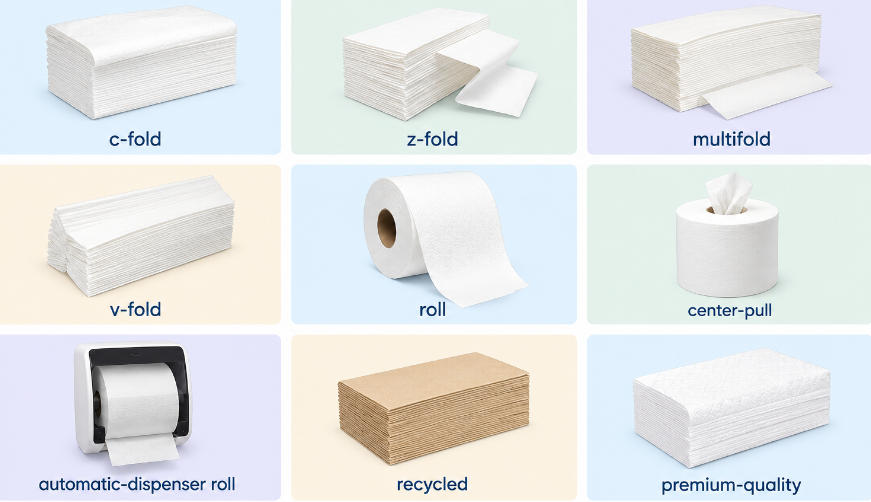
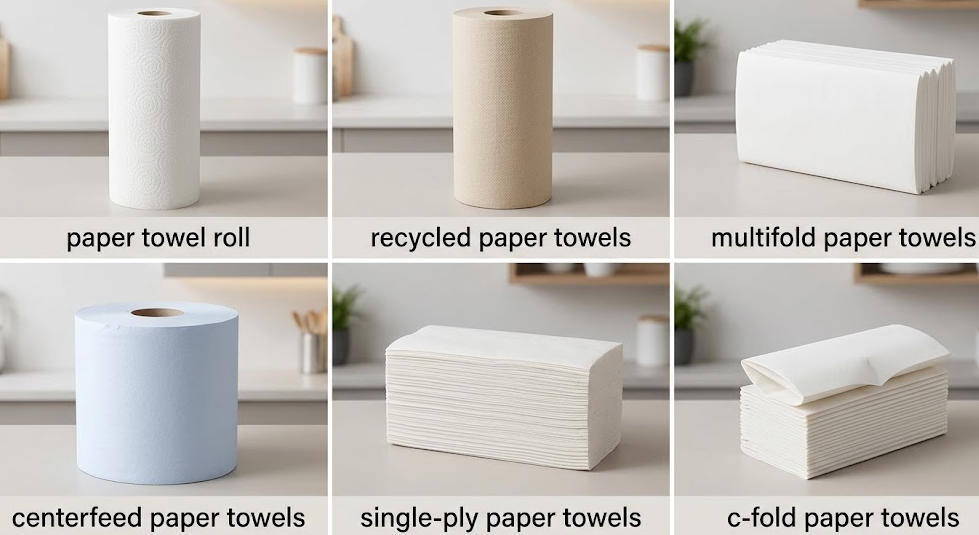
Hand paper towels are available in several formats, each designed for different dispensers, usage patterns, and commercial environments. Selecting the right type can improve convenience and help control consumption.
Different Types of Hand Paper Towels
| Type of Hand Paper Towel | Main Features | Advantages | Common Applications |
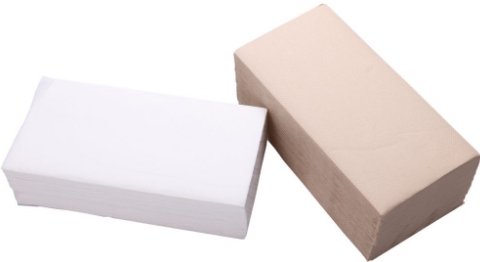
| C-fold paper towels | Folded into a C-shaped design and stacked in a dispenser | Easy to store, simple to use, and widely available | Offices, schools, restaurants, public restrooms |
| Z-fold paper towels | Z-shaped folds that can support interleaved dispensing | Convenient dispensing and potential reduction in paper waste | Commercial restrooms, clinics, office buildings |
| Multi–fold paper towels | Folded into multiple sections for compact storage and dispensing | Space-efficient, convenient, and suitable for controlled dispensing | Hotels, shopping centers, schools, busy restrooms |
| V-fold paper towels | Folded into a V shape, often designed for interleaved dispensing | Compact design and convenient sheet access | Offices, small businesses, public washrooms |
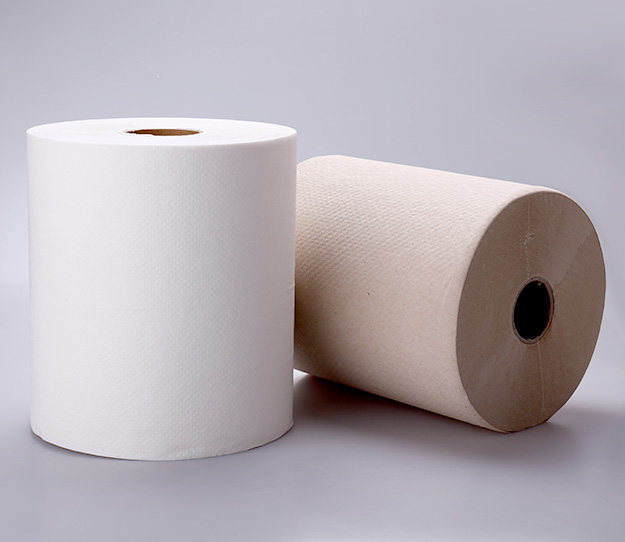
| Roll paper towels | Continuous paper supplied in rolls | High capacity, fewer refills, and suitable for frequent use | Restaurants, factories, airports, commercial kitchens |
| Center-pull paper towels | Paper is dispensed from the center of a roll | Convenient access and reduced need to touch the dispenser exterior | Workshops, food service areas, industrial facilities |
| Automatic-dispenser roll towels | Roll towels dispensed through a sensor-operated or automated mechanism | Touch-free dispensing, portion control, and convenient use | Hospitals, hotels, airports, high-traffic facilities |
| Premium-quality paper towels | Often designed for improved softness, absorbency, or wet strength | Enhanced user comfort and potentially fewer sheets per use | Hotels, corporate offices, premium hospitality venues |
For most commercial restrooms, multifold or Z-fold paper towels are practical choices when compatible dispensers are available. For high-traffic facilities that need fewer refills, roll paper towels may be more suitable. Always compare absorbency, actual consumption, dispenser compatibility, and total cost before purchasing.
2. Evaluate Absorbency and Drying Performance
Absorbency is important for hand paper towels used in public spaces. If the towel soaks up water well, users may need fewer sheets to dry. That can cut waste and reduce how fast you go through rolls or stacks.
Still, strong absorbency is only part of the story. A towel can soak well but tear too easily. In a high-use restroom, that kind of sheet will cause problems. You want a towel that holds up while wet.
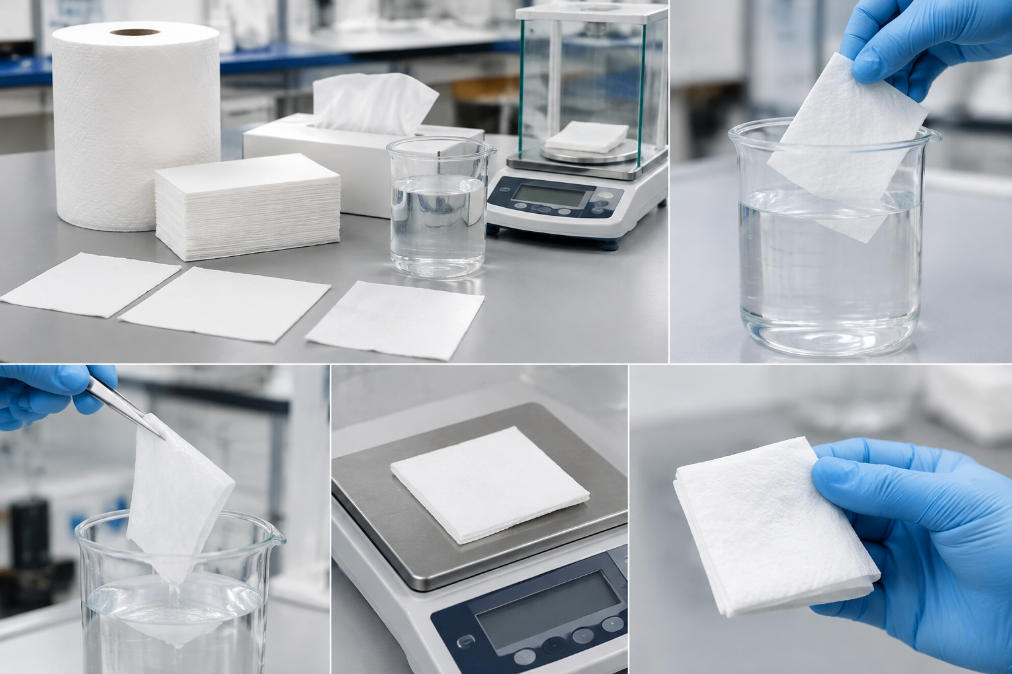
Compare paper by looking at three areas. It should take in moisture, keep its strength when damp, and feel comfortable during use. If you can, test sample towels in your own facility. That usually tells you more than labels and sales claims.
Also watch how many sheets people grab each time. Even if a towel costs more, it may still be the cheaper option if it helps people dry with fewer sheets.

3. Consider Paper Quality, Softness, and Strength
Hand paper towel quality changes how people feel and how much they go through. When a business compares options, it should look at softness, thickness, strength, and how the towel is built.
In places like hotels, offices, and restaurants, softer towels can make the area seem more pleasant. In healthcare settings, hygiene matters a lot. For that reason, towel selection should match the facility cleaning plan and infection control rules.
Durability matters too. If a towel tears fast or falls apart, people get annoyed and they often use more. A good towel should stay together during drying, while still soaking up water for the job it is meant to do.
Virgin pulp and recycled paper towels can both work. The best pick depends on the product details and what the facility wants most. Do not assume one type is always better. Compare how each one performs, what it is certified for, and how it is meant to be used.
4. Check Dispenser Compatibility
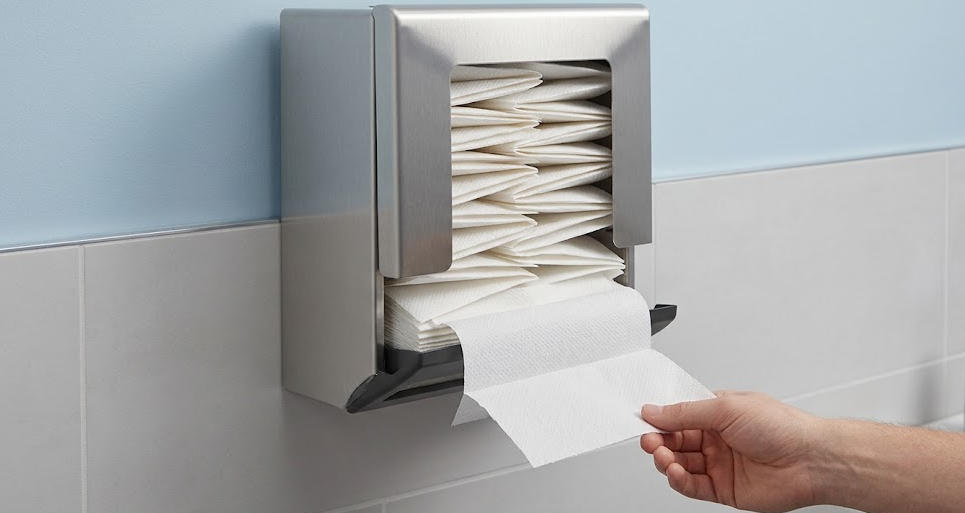
A good hand towel can still be a poor fit if it does not work with the dispenser you have. For this reason, dispenser fit should be checked before buying a large quantity.
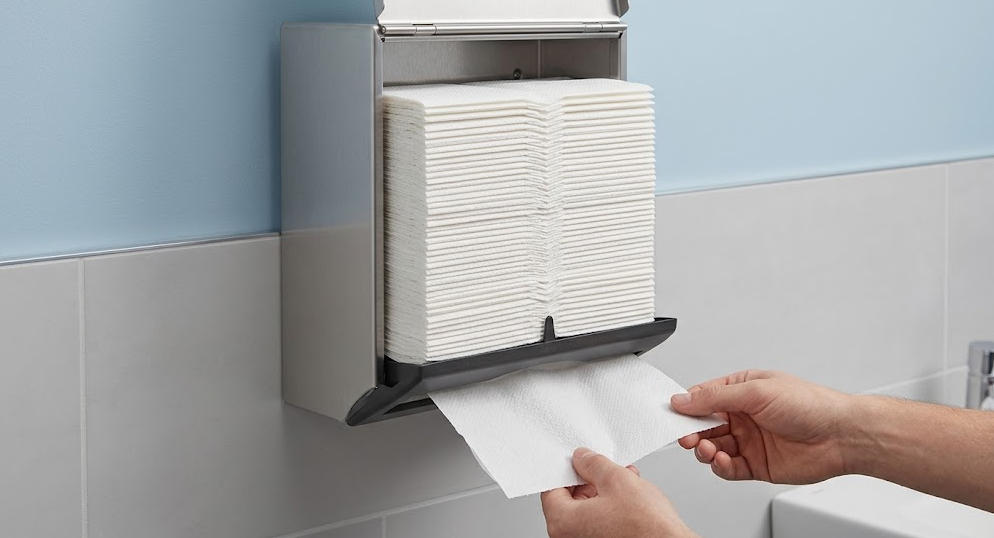
Look at the towel folded size, the full unfolded size, the sheet thickness, the roll width, and the core size when that applies. If you use folded towels, the dispenser must handle that exact fold and the sheet size. For rolls, confirm the roll moves out smoothly and does not get stuck or fight the mechanism.
The dispenser setup also affects hygiene and waste. When dispensing is controlled, it can reduce the number of sheets people take at once. Touch-free dispensers may also lower how often people contact shared surfaces.
If your business has many bathrooms or sites, using the same dispenser style can make buying and restocking easier. It can also help with upkeep. Still, switching to a new dispenser should be weighed against installation costs, longer-term savings, and whether the system matches towels you can actually buy.
5. Compare Cost Per Use Instead of Purchase Price
Cost matters when businesses buy hand paper towels in bulk. But the cheapest case or pack does not always mean the lowest total cost in daily use.
A better way is to figure out the cost per hand-drying session. This should include the buy price, how many sheets are actually usable, how many sheets get used per person on average, and any differences in real performance.
For example, a lower-priced towel may require three sheets per use, while a more absorbent alternative may require only two. Even if the second product costs more per sheet, it could provide better value when measured by actual consumption.
Businesses should also consider related expenses, including dispenser maintenance, storage, delivery, labor for replenishment, and waste disposal. Products that last longer between refills may reduce maintenance demands in high-traffic facilities.
Reviewing consumption data over several weeks can help identify which product delivers the best balance of performance and total operating cost.
6. Consider Hygiene and User Convenience
Hand paper towels should fit the hygiene routines of your business. In shared bathrooms and other public wash areas, simple dispensing and straightforward disposal can make day-to-day use smoother.
Single-sheet dispensing can reduce waste and lower the chance of people touching more towels than they need. Touch-free dispensers can be useful too, especially during peak hours when many people share the same space.
In food service and healthcare, the towel choice should match required hygiene steps and any rules set by the site. Companies should also keep dispensers clean, refill supplies on time, and place waste bins where they are easy to reach.
Comfort and practicality matter as well. If towels are hard to pull, they jam often, or they run out quickly, staff and guests get annoyed fast.
7. Evaluate Sustainability and Environmental Impact
More buyers now pay attention to environmental factors when choosing commercial paper products. If you want to cut your environmental impact, review the materials, how items are made, what is said about the process, the packaging, and any listed certifications.
Towels made with recycled content or bamboo fiber may reduce how much new fiber is needed, based on what is used and how it is produced. Towels made from virgin pulp can still fit sustainability goals when the pulp is sourced responsibly.
Check for certifications that are trusted and verified by outside groups. Also look for clear details on recycled content or responsible sourcing. Fiber sourcing labels such as FSC or PEFC can be relevant, when they apply. For recycled content, seek recognized recycled-content certification.
Do not skip consumption when looking at “green” claims. A towel that works well with fewer sheets may lower total paper use over time. Good dispenser choice and controlled dispensing can also reduce waste, as long as drying needs are still met.
Be cautious with vague marketing terms like “eco-friendly” or “green”.
8. Match the Product to Your Industry
Different industries have different operational priorities, so the best hand paper towel for one business may not be ideal for another.
| Industry | Recommended Paper Towels | Key Requirements | Why They Are Suitable |
| Offices and Corporate Buildings | Multifold or Z-fold paper towels | Cost efficiency, absorbency, neat presentation | Provide convenient hand drying while helping manage daily consumption and maintenance. |
| Restaurants and Food Service | Z-fold, multifold, or roll paper towels | Reliable absorbency, wet strength, frequent availability | Support frequent hand drying in busy restrooms and staff handwashing areas. |
| Hotels and Hospitality | Premium-quality multifold or C-fold paper towels | Softness, appearance, absorbency | Help create a comfortable, clean, and professional guest experience. |
| Hospitals and Healthcare Facilities | Compatible, high-quality folded or roll paper towels | Reliable dispensing, hygiene procedures, consistent supply | Support established hand-hygiene practices when paired with appropriate dispensers and procedures. |
| Schools and Universities | Multifold or Z-fold paper towels | Durability, economical pricing, easy maintenance | Suit shared restrooms with regular student and staff traffic. |
| Shopping Centers and Retail Stores | High-capacity roll or multifold paper towels | Frequent-use performance, refill efficiency, consumption control | Help facility teams maintain restrooms used by large numbers of visitors. |
| Factories and Warehouses | Strong folded or roll paper towels | Wet strength, durability, dependable supply | Meet routine hand-drying needs in demanding workplace environments. Specialized industrial wiping tasks may require separate products. |
| Airports and Transportation Hubs | High-capacity roll towels or controlled-dispensing multifold towels | High volume, efficient refilling, reliable dispensing | Reduce refill frequency and support busy public washrooms. |
| Gyms and Fitness Centers | Absorbent multifold or roll paper towels | Fast drying, convenient access, frequent replenishment | Accommodate repeated use by members and staff throughout the day. |
| Beauty Salons and Spas | Soft, absorbent folded paper towels | Comfort, cleanliness, consistent quality | Provide a pleasant hand-drying experience for clients and employees. |
| Industrial Laboratories | Low-lint paper towels where appropriate | Material compatibility, cleanliness, task-specific performance | May suit certain controlled work areas, subject to laboratory protocols and contamination requirements. |
| Environmentally Focused Businesses | Recycled-content or certified responsibly sourced paper towels | Verified environmental claims, acceptable absorbency, waste reduction | Help align purchasing with sustainability goals without overlooking practica |
Choose hand paper towels according to your industry’s traffic level, hygiene requirements, available dispenser systems, and budget. High-traffic facilities often benefit from high-capacity roll towels or efficient multi-fold dispensing, while hotels and premium service businesses may prioritize softness and presentation.

9. Select a Reliable Hand Paper Towel Supplier
Picking the right towel is only one part of buying. A solid supplier helps keep quality steady, delivery more predictable, and stock available over time.
Compare suppliers by looking at product variety, production rules, pricing clarity, minimum order amounts, and delivery timing. If your site buys more than one kind of paper towel, it can help to find a supplier that sells several towel formats. That can make ordering easier and reduce storage issues.
Before you place a big order, request samples and get the technical details in writing. Also ask what the paper is made from and what paper certifications it holds. For repeat buys, confirm the supplier can keep the same specs each time.
If you expect steady or high demand, talk through volume pricing, packaging styles, and planned supply timing. A supplier that knows how commercial users work can help match products to both daily needs and cost limits.
Donsea Paper manufactures hand paper towels for commercial spaces and everyday business use. Their customers include offices, hotels, restaurants, healthcare sites, and public washrooms. The focus is on clean, strong towel performance with good absorbency and durability, while still keeping costs in check. Whether you want large quantities or tailored paper product options, Donsea Paper aims to provide steady quality and support long-term orders.
10. Test Products Before Making a Final Decision
Before you standardize a hand paper towel company-wide, run a small test. Pick two or three options that fit your use case, and try them where people will actually use them.
Watch how the towels come out of the dispenser. Note how many sheets people take. Check how fast the paper soaks up water and whether it stays intact while drying. Also check how often the dispenser runs low. Ask users if they notice any issues.
During the trial, it helps to track cost per use. Do not only compare the case price. Cost per use often shows the real value over time.
After you review the results, choose the option with the best mix of performance, cleanliness support, user comfort, sustainability, and total cost. Revisit the choice from time to time. Traffic levels, pricing, and business needs can change.
Common Mistakes to Avoid When Selecting Hand Paper Towels
| Common Mistake | Why It Important | How to Avoid It |
| Focusing only on purchase price | Low-cost towels may have poor absorbency, increasing consumption and overall costs. | Compare performance and cost per hand-drying occasion. |
| Overlooking absorbency | Users may need multiple sheets to dry their hands effectively. | Test different products under normal usage conditions. |
| Choosing the wrong fold type | Incompatible folds can cause dispensing problems and unnecessary waste. | Check whether the facility requires C-fold, Z-fold, multifold, or roll towels. |
| Ignoring paper strength | Weak towels may tear when wet and leave paper residue. | Evaluate wet strength and durability before purchasing. |
| Assuming thicker towels are always better | Greater thickness does not necessarily mean better absorbency or value. | Compare actual drying performance, sheet size, and ply count. |
| Neglecting dispenser compatibility | Incorrect dimensions can cause jams, difficult dispensing, and maintenance issues. | Verify sheet dimensions, fold patterns, and roll specifications. |
| Failing to consider traffic volume | Low-capacity products may require frequent refilling in busy facilities. | Estimate daily users and average consumption. |
| Ignoring industry-specific requirements | General-purpose towels may not suit specialized hygiene or operational needs. | Review facility procedures and applicable standards. |
| Overlooking sustainability | The product may not support the company’s environmental objectives. | Check recycled content and credible sourcing certifications. |
| Purchasing without testing samples | Product performance may differ from expectations. | Conduct a trial with employees or cleaning staff. |
| Ignoring total operating costs | Frequent refilling, excessive waste, and maintenance can increase expenses. | Calculate cost per use and include labor and storage costs. |
Final Words
Selecting the right hand paper towel means reviewing product type, absorbency, material quality, sheet size, dispenser fit, sustainability, and total daily cost. The suitable option is the one that meets your hygiene needs while providing reliable performance and manageable long-term expenses.
First, list your business setting and estimate how much you will use each day. Then compare several products, test their drying performance, confirm dispenser compatibility and assess supplier reliability before making a bulk purchase.
If you pick options based on how well they work, not only on cost, you can improve restroom cleanliness, cutting down on waste of paper and simplifying maintenance. People who use the facilities should notice a smoother, more pleasant experience.