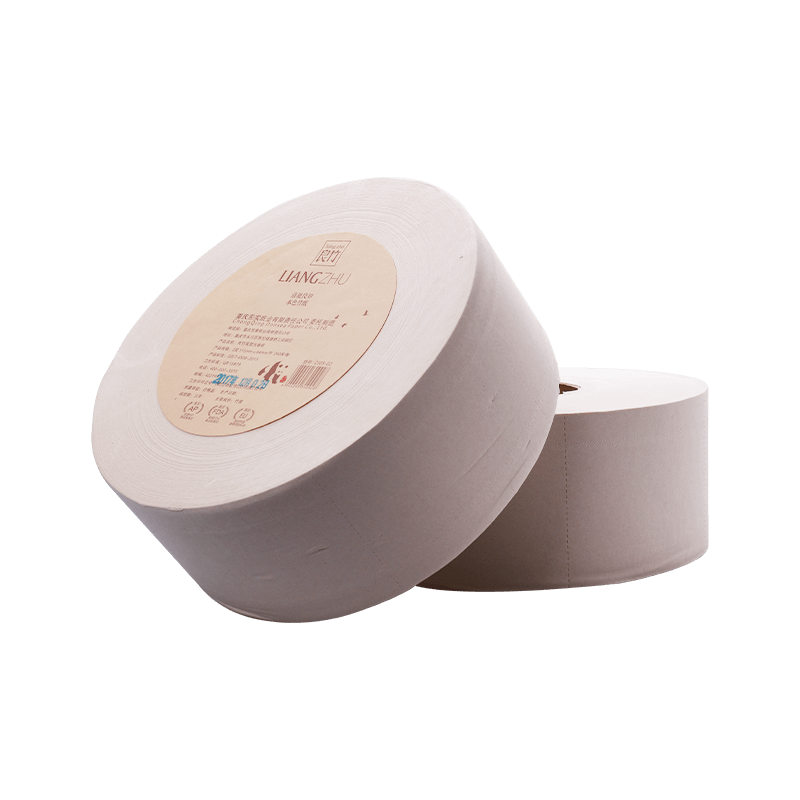
How to Balance Softness and Durability of Tissue Paper
Tissue paper serves as an essential daily requirement which people use throughout their homes and workplaces and industrial settings across the globe. The product requires two main properties, which includes softness and durability, to achieve its performance because its design needs these two essential elements to function. Softness provides users with comfortable experiences while durability protects the product’s strength and operational capabilities through its entire lifespan. The tissue paper manufacturing process needs ongoing research because it requires scientists to develop products which achieve both softness and strength requirements.
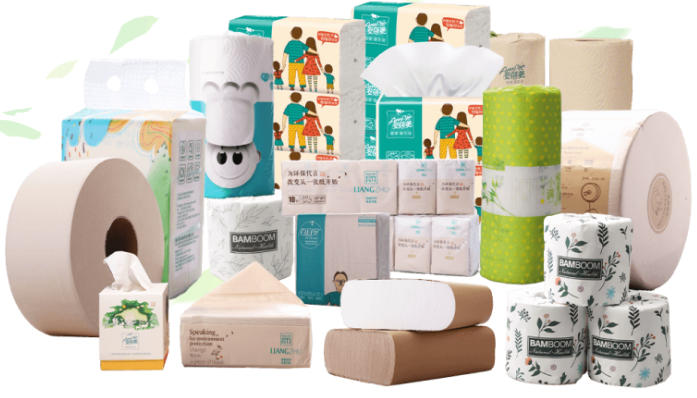
Understanding the Importance of Softness in Tissue Paper
Softness is a defining characteristic of tissue paper, particularly for products used in direct contact with the skin, such as facial tissues and toilet paper. It enhances user comfort and minimizes irritation, making it especially important for sensitive applications.
Key Factors Influencing the Softness of Tissue Paper
This chart highlights the main technical and material factors that determine how soft tissue paper feels, helping manufacturers optimize product quality for different applications.
| Factor | Description | Impact on Softness |
| Fiber Type | Use of virgin pulp or recycled fibers | Virgin fibers are longer and smoother, resulting in higher softness |
| Fiber Length | Length and uniformity of fibers | Longer, uniform fibers create a smoother and more flexible texture |
| Refining Process | Mechanical treatment of fibers during production | Over-refining reduces softness; optimized refining improves feel |
| Sheet Bulk | Thickness and air content within the tissue structure | Higher bulk increases cushion-like softness |
| Drying Technology | Methods such as Through-Air Drying (TAD) vs. conventional drying | TAD enhances softness by preserving fiber structure |
| Chemical Softeners | Additives applied to improve tactile properties | Increase smoothness and reduce stiffness |
| Embossing Patterns | Surface patterns pressed into tissue | Enhances perceived softness and flexibility |
| Layer Structure (Ply) | Single-ply or multi-ply construction | Multi-ply tissues feel softer due to layered cushioning |
| Moisture Content | Residual moisture level in finished tissue | Proper moisture improves softness; too dry feels rough |
| Surface Treatment | Coatings or finishing processes | Improves smoothness and skin-friendly feel |
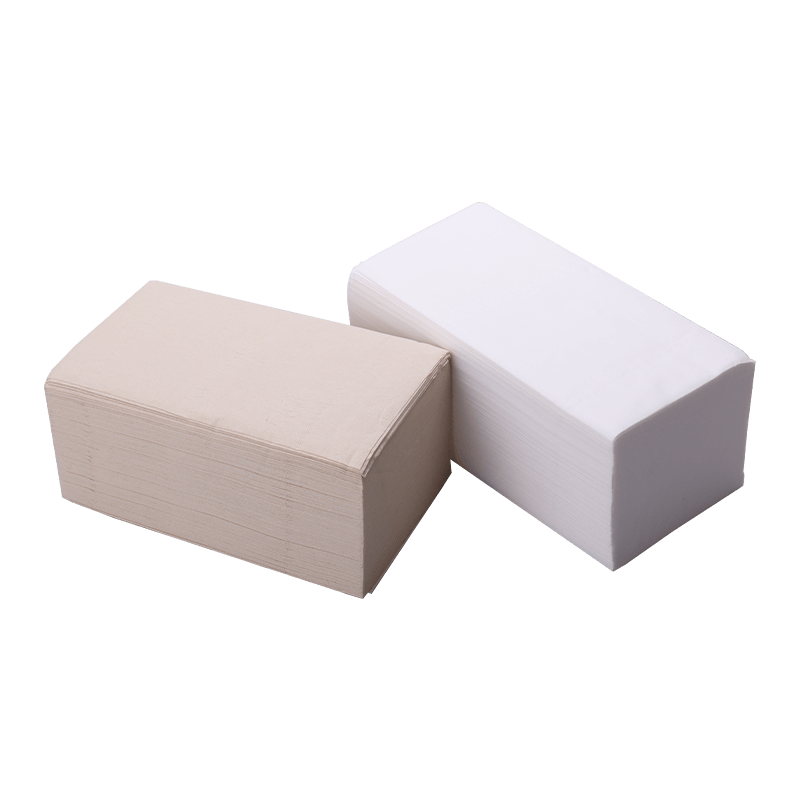
The Role of Durability in Tissue Paper
Durability determines how well tissue paper performs under stress, such as wiping, scrubbing, or absorbing liquids. It is particularly critical for products like paper towels, napkins, and industrial wipes.
Key Factors Influencing the Durability of Tissue Paper
This chart provides the primary structural, material, and processing factors that determine the durability of tissue paper, helping tissue paper manufacturers design products that maintain strength under both dry and wet conditions.
| Factor | Description | Impact on Durability |
| Fiber Strength | Intrinsic strength of the pulp fibers used | Stronger fibers improve resistance to tearing and breaking |
| Fiber Length | Average length of fibers in the sheet | Longer fibers enhance tensile strength and structural integrity |
| Fiber Bonding | Degree of inter-fiber bonding within the sheet | Higher bonding increases overall strength and durability |
| Sheet Density | Compactness of the fiber network | Denser sheets provide greater mechanical strength |
| Wet Strength Additives | Chemical agents added to maintain strength when wet | Prevents disintegration during use with liquids |
| Ply Structure | Single-ply or multi-ply construction | Multi-ply tissues offer improved strength and tear resistance |
| Basis Weight | Mass of paper per unit area | Higher basis weight generally increases durability |
| Manufacturing Process | Techniques such as pressing and drying | Optimized processes enhance fiber bonding and sheet strength |
| Embossing Design | Pattern and depth of embossing | Can improve strength distribution but excessive embossing weakens it |
| Additives and Binders | Strengthening chemicals or binders used in production | Reinforce fiber network and improve durability |
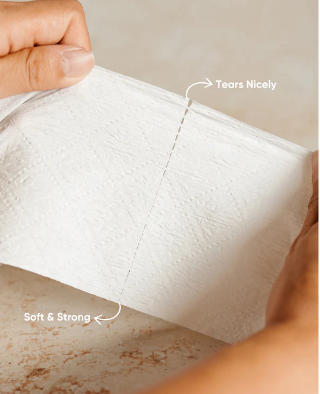
Different Tissue Paper Types Require Different Balances of Softness and Durability
This chart provides how different tissue paper products are engineered with varying priorities, ensuring that the balance between softness and durability aligns with their specific applications.
| Tissue Product Type | Primary Use | Softness Requirement | Durability Requirement | Balance Characteristics |
| Facial Tissues | Skin contact (face, nose) | Very High | Moderate | Prioritizes gentle feel; sufficient strength to avoid tearing during light use |
| Toilet Paper | Personal hygiene | High | Moderate | Needs to be soft yet strong enough for use, while still being flushable |
| Paper Towels | Cleaning spills and surfaces | Moderate | Very High | Emphasizes strength and absorbency; softness is secondary |
| Napkins | Dining and light cleaning | Moderate to High | Moderate to High | Balances comfort with enough strength to handle food and moisture |
| Kitchen Paper Towels | Heavy-duty cleaning and wiping | Low to Moderate | Very High | Focuses on durability and wet strength for repeated use |
| Industrial Wipes | Industrial cleaning and maintenance | Low | Extremely High | Designed for maximum strength, abrasion resistance, and minimal tearing |
| Pocket Tissue Paper | Portable personal use | High | Moderate | Combines softness with adequate strength for convenience and portability |
| Luxury Tissue Products | Premium hygiene and hospitality use | Extremely High | Moderate | Emphasizes superior softness with acceptable durability for a premium experience |
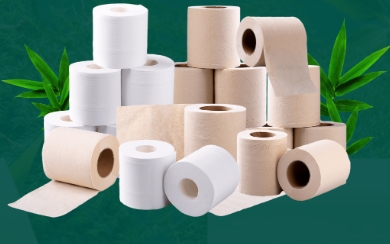
Technologies for Achieving the Balance of Softness and Durability of Tissue Paper
The modern tissue paper industry is driven by the challenge of delivering products that are both soft to the touch and strong in performance. One can recall that enhancing one of the properties has always come at the cost of the other. However, continuous advancements in manufacturing technologies and materials have opened the gates of opportunity in almost all cases for producers. Eventually, through some downright innovative ways and setups, the achievement of tissue products for both softness and durability is a permissible possibility.
1. Multi-Ply Engineering for Functional Layering
Multiples of layers in tissue paper are considered to be a beneficial aspect in balancing softness and strength. Rather than using a single layer, manufacturers of these multiple-ply toilet papers combine from two to four layers with particular functions upon each. The softness and strength in the outer layer rely upon finer, more flexible fibers to produce a smoother surface. More strength against potential tear exists in the inner layers coming due to a more sagacious combination of fiber bonding and greater structural integrity.
Different plies are added separately by this layered way, each contributing uniquely to the overall performance of the tissue. Thus, a harmonious combination of both goes into the final product, when it is gentle and soft but strong anyhow for tearing.
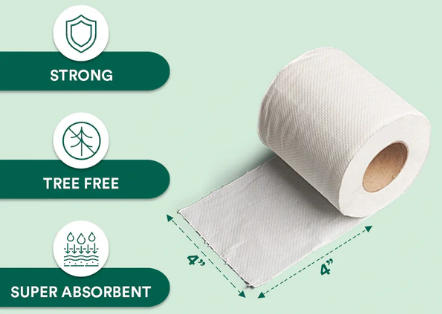
2. Through-Air drying (TAD) Polyester
One of the significant advances in tissue technology nowadays is Through Air Drying(TAD). It operates under very different principles from the traditional drying method, in that the TAD method uses hot air to dry the sheet in the absence of any significant mechanical pressure. This leaves the fibers in their virtually natural form, making the sheet bulky and very open.
Therefore, the increased bulk and width and fluff that leads to softness have a higher impact on it. On the other hand, preserving a good network of fibers on the sheet ensures strength, thus benefiting this method. This versatile action makes TAD as most suitable for premium tissue products, especially those requiring high absorbancy and strength.
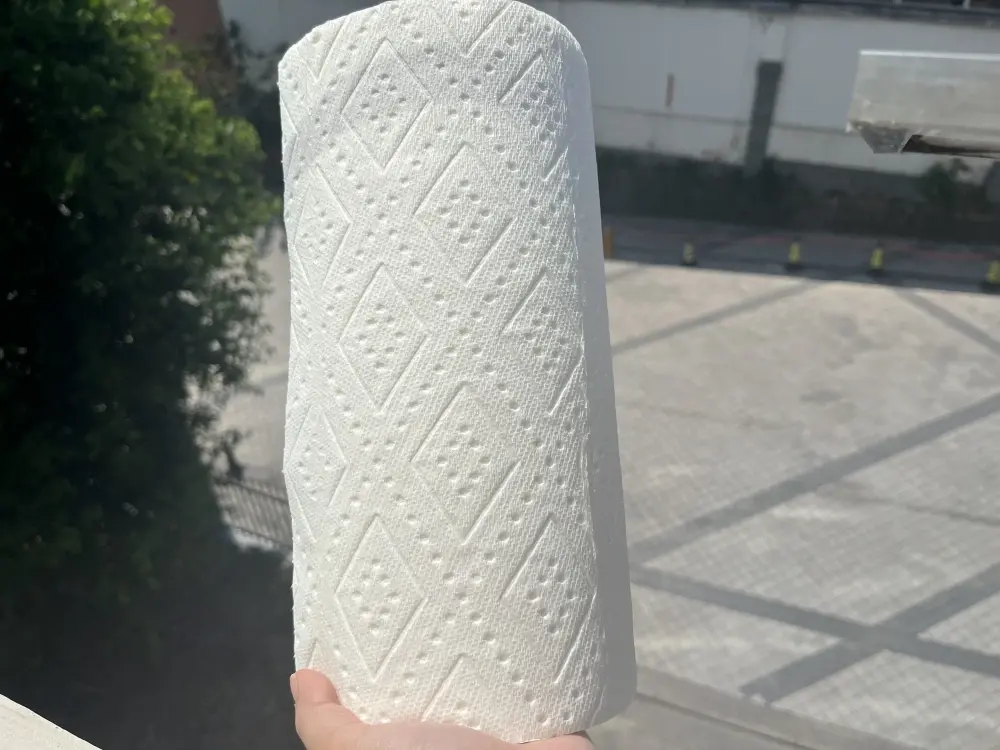
3. Advanced Fiber Treatments and Refining Techniques
Composite fibers must integrate the right fragile versus the strong balance. Modern rationale for the control of momentum intervenes to make some cracks in dividing the bounds of the fiber forming fiber, while also making sure that it retains necessary strength. Modulation of energy doses towards refining parameters could lead to conducive production of feathers in such a way that it serves the basic requirement of being somewhat soft, yet still showing enough binding force for building up the strength.
In the process of changing the interfaces more and more enzymes and chemicals are used.” Thus it quotes that before conditioning of the fibers lies the need to simultaneously control fiber defense and also allow for greater conformability and bonding so as to begin bridging the soft strength gap.
4. Chemical Additives
The use of specific chemical additives has become a very essential strategy in tissue engineering. Softeners are employed to smooth the textile feel of the paper, lessen stiffness sensations, and improve smoothness. Strength additives, be it bond strength, dry strength, or wet strength additives, help strengthen the fiber matrix and make sure the tissue paper retains its integrity under stress, especially in moist conditions.
The balancing act is therefore in balancing the application of these additives as too much of one will negatively affect the other property. Thanks to the advancements in chemical formulations, one can wield much more precise control so that there is the simultaneous improvement of the softness and toughness.
5. Embossing and Surface Structuring Technologies
The thin fiber layer not only is important for embossing to create a high visual appeal but further works as an essential foundation for tissue strength properties. In fact, the embossed patterns in tissue paper will further be a consequence if the reliefs were to weaken. Also, the relative softness of the tissue allows these patterns to be pressed into the surface relatively easily, permitting an almost break-free tissue, asy to handle, accommodating folding at ease for long paper since the fibers pack uniformly in the process. Embossing shall tear or break up if structures on the document are not backed up properly for durability, by being open-faced on the opposite sides.
Expressive strategies were developed for use in strengthening principles, and an improvement was made in the technology of production. Improved design methods to help significantly in patterness increased. This allowed for instantaneous monitoring of production patterns in order to make resulting products stronger, thereby, improving the comfort they provided. Controlled embossing depth and pattern geometry ensures that the tissue paper retains its structural integrity while delivering a soft and pleasant feel.
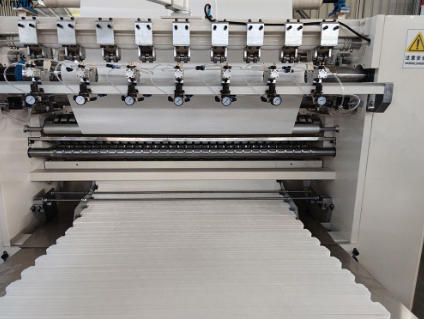
6. Optimized Fiber Blending and Material Selection
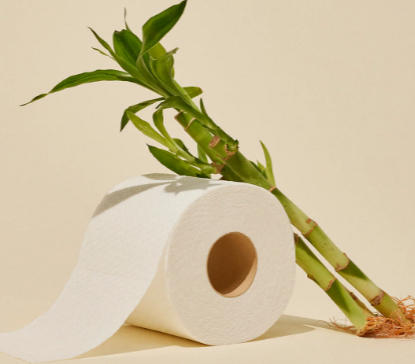
It is very important to select and blend fibers properly in order to achieve a desirable point of balance. The product can be given a fair balance by mingling different types of fibers. Quite often, the tradition consists of mixing strong softwood fibers in the form of pulp with some tough mechanical hardwood fibers. When softness is sought in the end product, it is considered that the degree of the same would have to be augmented, and consequently the quantity of hardwood fibers in the formula would have to be set back. Bamboo fibers are gradually gaining popularity as an ecologically friendly replacement fiber. Bamboo fibers are getting famous as they are naturally strong and soft to the point of smoothness. Thus, bamboo fiber, when properly processed, contributes to the tensile strength and softness. Its vigor for rewaxing makes it easier for environmentally freindly production. Across various ratios, bamboo, together with conventional fibers, would seriously combine to produce over-tissue performs well and yet claims to be sustainable.
Final Thoughts
In the tissue paper manufacturing industry today, operating a balancing act between softness and durability of the products, quite a crucial one at that, poses a rather difficult task. While softness would provide comfort and overall user satisfaction, merely ensuring durability would guarantee the desired level of performance. Current advances in fiber selection, manufacturing technology, and product design are, for example, enabling producers to achieve both key attributes in a single product.