
How Consumer Preferences Shape Toilet Paper Innovation
Toilet paper is a daily essential product that a lot of people use, but the industry around it keeps moving forward anyway. Lifestyles are changing, with more environmental awareness, health worries, and the simple need for better comfort shaping how toilet paper is designed, manufactured and marketed. Nowadays, toilet paper innovation is not only about being soft or strong. Producers are trying to answer wider consumer expectations with sustainable materials, newer production methods, stronger hygiene-related features, and options that feel more tailored for different households.
Consumer preferences have become a major driving force behind the transformation of the toilet paper industry. As buyers become better informed and more picky too, tissue paper manufacturers have to adjust their approach, meeting fresh expectations while still juggling performance, cost, and environmental responsibility at the same time.
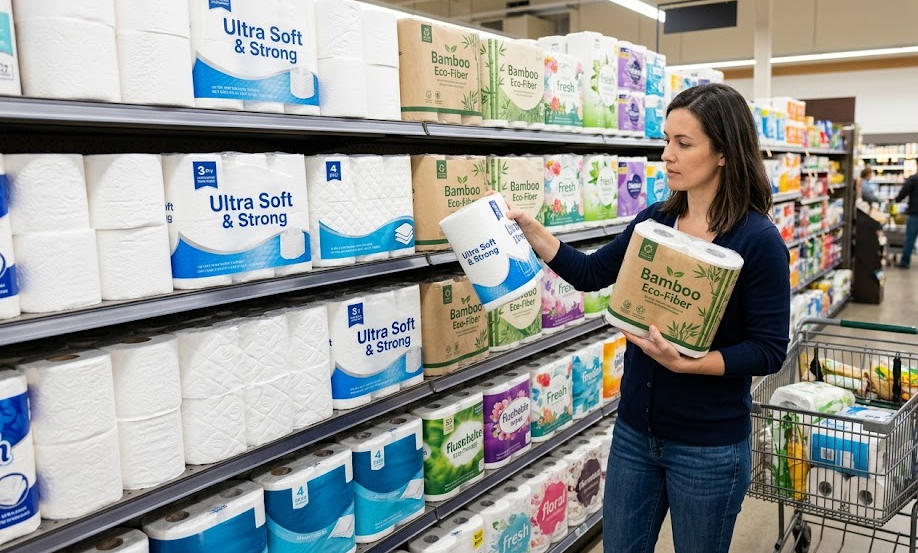
The Evolution of Consumer Preferences in Toilet Paper Products
Traditional toilet paper was mostly meant to do one job: basic cleaning. Manufacturers usually prioritize softness, durability, and low price. But once people started worrying more about personal cleanliness, nature protection, and overall product quality, toilet paper shifted into a more specialized kind of item.
| Evolution Stage | Consumer Preferences | Main Product Features | Innovations Driven by Demand |
| Traditional Stage | Basic functionality and affordability | Simple single-ply or standard toilet paper, acceptable softness and strength | Mass production methods, cost-efficient manufacturing, improved availability |
| Comfort-Focused Stage | Greater softness and better user experience | Multi-ply structures, thicker sheets, improved texture, higher absorbency | Advanced fiber processing, embossing technology, premium toilet paper designs |
| Quality and Performance Stage | Stronger, more durable, and efficient products | Strong sheets, better wet strength, reduced paper usage, longer-lasting rolls | Optimized fiber structures, improved paper-making technologies, high-performance materials |
| Hygiene-Conscious Stage | Safer, cleaner, and skin-friendly products | Fragrance-free options, hypoallergenic toilet paper, lotion-infused varieties | Skin-friendly additives, improved quality control, enhanced production hygiene standards |
| Convenience-Oriented Stage | Easier storage, usage, and purchasing | Larger rolls, compact packaging, bulk packages, subscription options | New packaging formats, e-commerce-friendly designs, efficient distribution systems |
| Sustainability-Focused Stage | Environmentally responsible products | Recycled toilet paper, bamboo toilet paper, plastic-free packaging for toilet paper rolls | Sustainable fibers, renewable materials, eco-friendly manufacturing processes |
| Personalization Stage | Products matching specific lifestyles and preferences | Premium collections, family-focused products, sensitive-skin solutions | Customized product lines, targeted marketing, consumer-driven product development |
| Technology-Driven Stage | Higher quality, transparency, and smarter production | Consistent quality, traceable materials, innovative features | Smart manufacturing, AI-based quality inspection, digital supply chain management |
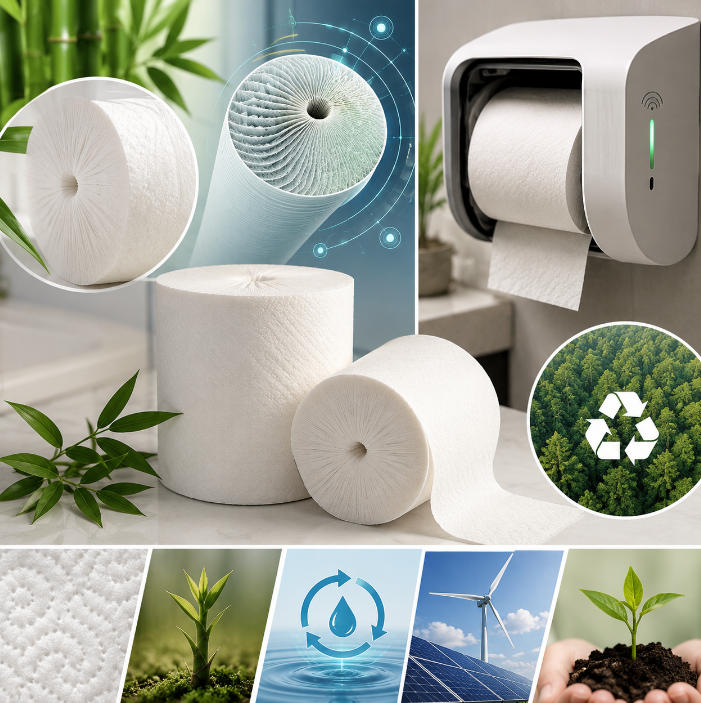
Key Consumer Preference Factors Influencing Toilet Paper Innovation
1. The Growing Demand for Comfort and Premium Experiences
One of the major drivers behind toilet paper innovation is the consumer focus on more comfort. In the past, toilet paper was often treated as a simple household requirement, but now many people see it as part of personal care, and also home wellness routines.
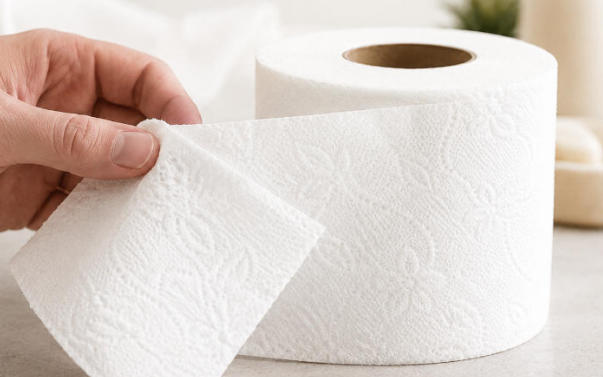
Because of that change, manufacturers are pushing to upgrade softness, thickness, and the overall user feel during everyday use. Multi-ply toilet paper, quilted textures, embossed surface patterns, and premium fibers now show up more frequently, these features are meant to deliver a smoother, calmer experience. With more advanced manufacturing methods, companies are able to make toilet paper that feels gentler while still holding durability and absorbency in place.
People are showing more interest in toilet paper that hits this sweet spot between luxury and practicality. Instead of just grabbing the cheapest option, a lot of households will pay extra for better-made toilet paper, the kind that feels more comfortable and works more efficiently.
2. Stronger Focus on Environmental Sustainability
Environmental issues have become one of the main forces behind how toilet paper gets developed. As more people think about deforestation, waste reduction, and climate change, they are starting to favor products that reduce their footprint.
| Sustainability Area | Environmental Challenges | Sustainable Innovations | Benefits |
| Raw Material Selection | Traditional toilet paper production relies heavily on virgin wood pulp, which can contribute to deforestation and resource depletion | Use of recycled fibers, bamboo fibers, and other renewable plant-based materials | Reduces pressure on forests, conserves natural resources, and lowers environmental impact |
| Recycled Toilet Paper | Paper waste often ends up in landfills, increasing resource consumption | Advanced recycling technologies that improve fiber quality and usability | Supports circular economy practices and reduces waste generation |
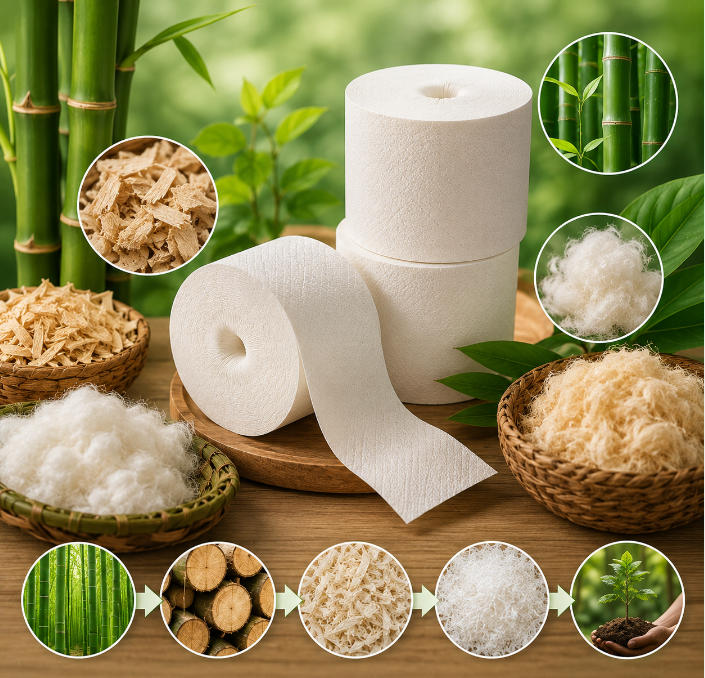
| Bamboo Toilet Paper | Slow-growing trees require longer periods to regenerate | Bamboo fibers used as a fast-growing renewable alternative | Requires fewer resources, grows quickly, and provides a sustainable fiber source |
| Responsible Forestry Practices | Unsustainable logging can damage ecosystems and reduce biodiversity | Use of responsibly sourced wood pulp and certified forestry programs | Helps protect forests and promotes sustainable resource management |
| Water Conservation | Paper manufacturing requires significant water usage | Water recycling systems and improved production processes | Reduces water consumption and minimizes wastewater discharge |
| Energy Efficiency | Traditional paper manufacturing can consume large amounts of energy | Energy-efficient machinery, renewable energy integration, and optimized production lines | Lowers carbon emissions and improves manufacturing sustainability |
| Eco-Friendly Manufacturing | Production waste and emissions can increase environmental impact | Smart manufacturing systems, waste reduction technologies, and cleaner production methods | Improves resource efficiency and reduces environmental footprint |
| Sustainable Packaging | Plastic packaging contributes to pollution and waste problems | Recyclable paper packaging, biodegradable materials, and reduced packaging designs | Reduces plastic waste and supports environmentally responsible consumption |
| Chemical Reduction | Some processing chemicals may affect water quality and ecosystems | Cleaner bleaching methods and reduced chemical usage | Produces safer products and reduces environmental pollution |
| Waste Reduction | Manufacturing scraps and household waste contribute to landfill pressure | Improved production efficiency, lightweight designs, and optimized roll sizes | Minimizes material waste and improves resource utilization |
| Carbon Footprint Reduction | Transportation and production contribute to greenhouse gas emissions | Local sourcing, efficient logistics, and lower-carbon manufacturing processes | Helps reduce overall greenhouse gas emissions |
| Consumer Awareness | Lack of sustainability information can make it difficult for consumers to choose eco-friendly products | Environmental labels, sustainability certifications, and transparent supply chains | Helps consumers make informed purchasing decisions and encourages greener markets |
3. Hygiene Awareness Encouraging New Product Features
Health and personal cleanliness concerns have also influenced toilet paper innovation. Consumers increasingly expect solutions that help maintain cleanliness and support everyday personal care, so the market keeps moving toward specialized toilet paper formats.
Manufacturers have introduced products with features like better absorbency, improved cleanliness, and skin-friendly materials. Some toilet papers are made with lotions, aloe vera, or other mild components, to cut down on irritation and still keep the feeling of comfort.
For many shoppers, sensitive skin is now a major concern. Because of that, hypoallergenic toilet paper and fragrance-free versions are getting more attention among people who want items with fewer additives and a lower chance of skin discomfort.
In certain markets, manufacturers are also trying out technologies that boost hygiene results, like antibacterial treatments and more advanced fiber structures. These changes show that customers are expecting more than basic functionality from everyday products.
4. Personalization and Changing Lifestyle Needs
Modern consumers seem to have wildly different preferences, and the toilet paper manufacturers are now answering with more specialized product categories. In practice, each household has its own set of priorities too like softness, strength, how big the environmental footprint is, cost efficiency, and general convenience, all mixed together.
For instance, households with children may go for toilet paper that is tougher and more absorbent, while people who care about the planet might lean toward recycled paper or bamboo-based options. Then you have premium buyers who want a luxury experience, extra softness and even decorative-looking designs.
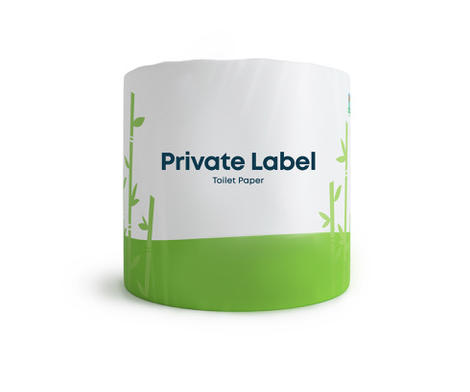
That range in demand has pushed companies to widen their product lineup, instead of only selling the usual standard roll. Private label brands, premium collections, and specialty toilet papers help businesses target specific consumer groups more effectively.
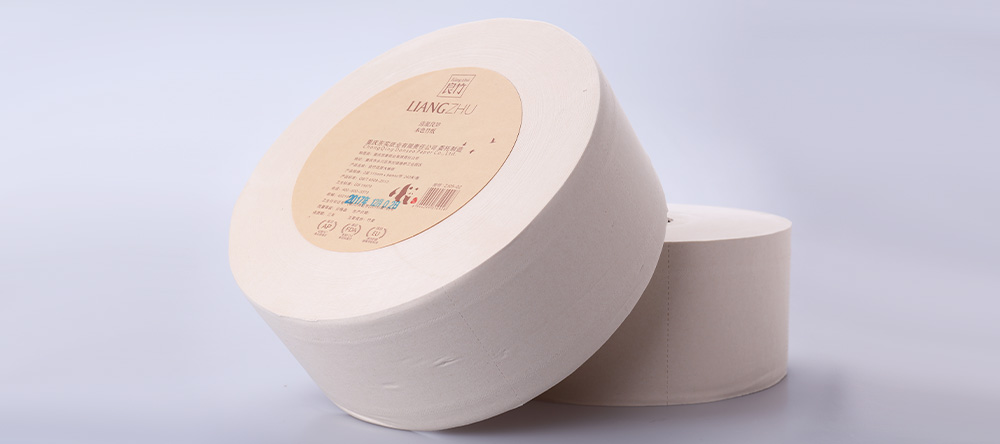
Convenience is one more factor that seems to be pushing innovation. Consumers are leaning more toward items that feel easy to store, buy and use, day to day. You see jumbo toilet rolls, more compact wrapping, and also in the subscription-based way of purchasing; these changes show up because people are shopping differently lately.
5. Demand for Customized Product Choices
Modern shoppers are not all the same, so one toilet paper item cannot meet the needs of every home. Because of that, producers have been building more specialized categories instead of relying on just one standard choice.
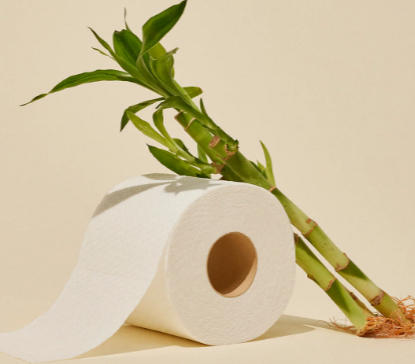
Some people mainly want softness and a luxury vibe, while others care most about sustainability or a lower price. Families often go for strong sheets that absorb a lot, buyers who are more eco-minded might pick recycled or bamboo-based options.
As a result, you get multiple segments growing, like premium toilet paper, eco-friendly toilet paper, products made for sensitive skin, and value-focused household packs.
Customization is becoming a real trend too. Manufacturers are trying out different textures, various sheet designs, fragrances and packaging styles, in order to attract certain buyer groups and to make the brand feel more distinct.
6. The Influence of Packaging and Brand Image
People do not just select a toilet paper based on performance alone and they also react to the packaging and the brand identity. As toilet paper gets linked to lifestyle choices more and more, the way it looks has turned into a notable innovation area.
Many brands rely on packaging as a signal, sustainability , premium quality, or values that feel family-friendly. When designs are clean, made with recyclable materials, and they carry plain environmental labels, consumers can more easily match what they see with what they want.
Meanwhile, clever branding has helped companies stand out in a crowded market. Distinctive visuals, personalized packaging, and confident brand messaging can shape loyalty, and they can tip the purchasing decision in their favor.
The Role of Technology in Meeting Consumer Expectations for Toilet Paper
Technology development is crucial for matching the modern consumer expectations. With advanced manufacturing equipment for toilet tissue, producers can raise product quality while also speeding up production efficiency, which is a big deal for keeping up with demand.
| Technology Area | How It Works | How It Support Toilet Paper Innovation | Benefits |
| Advanced Fiber Processing Technology | Optimizes the arrangement and treatment of paper fibers during manufacturing | Produces softer, stronger, and more absorbent toilet paper with improved texture | Enhances product performance while maintaining material efficiency |
| Embossing Technology | Creates patterns and textures on toilet paper sheets using specialized rollers | Improves softness, thickness, appearance, and absorbency | Provides better user comfort and premium product experiences |
| Multi-Ply Manufacturing Technology | Combines multiple paper layers into a single sheet structure | Creates thicker and stronger toilet paper products | Improves durability, absorbency, and comfort |
| Smart Paper-Making Machines | Uses automated control systems to monitor and adjust production parameters | Enables precise control of paper thickness, moisture, and fiber distribution | Ensures consistent quality and reduces production errors |
| Artificial Intelligence (AI) Quality Inspection | Uses AI algorithms and cameras to identify defects during production | Detects uneven surfaces, tears, printing issues, and quality problems | Improves product reliability and reduces waste |
| Automation and Robotics | Uses automated equipment for production, packaging, and handling | Improves manufacturing speed and packaging efficiency | Reduces labor requirements and improves operational consistency |
| Biodegradable Material Technology | Develops materials that break down more easily after disposal | Creates eco-friendly toilet paper and sustainable packaging solutions | Helps reduce waste accumulation and environmental pollution |
| Smart Packaging Technology | Applies automated packaging systems and sustainable packaging materials | Supports recyclable packaging, compact designs, and efficient product distribution | Reduces packaging waste and improves consumer convenience |
| Data Analytics and Consumer Insights | Analyzes market data and consumer behavior trends | Helps manufacturers develop products based on preferences such as softness, sustainability, and hygiene | Enables faster innovation and more targeted product development |
| Digital Supply Chain Technology | Uses digital tools to manage sourcing, inventory, and distribution | Improves tracking of raw materials and sustainable sourcing practices | Increases transparency and supports responsible manufacturing |

Summary
When it comes to toilet paper innovation, consumer preferences are basically the engine. People want more comfort, stronger hygiene, greener raw materials, and choices that feel more personal. Because of this, what used to be a simple household item has become a continuously evolving industry.
From bamboo fibers and recycled materials to updated manufacturing methods and more premium designs, each new option mirrors what people value at the moment. And as environmental concerns and lifestyle expectations keep climbing, toilet paper manufacturers will need to keep adjusting in order to deliver products that fit today’s needs while also backing a more sustainable future.