
How to Choose the Right Facial Tissue Paper
Facial tissue paper is like a daily must-have product for personal hygiene, skincare, tidying up, and general home care. Even if lots of facial tissues look the same, they can end up feeling quite different, like in softness, strength, absorbency, how good the material is, and even their environmental footprint. Selecting the right facial tissue paper really comes down to knowing the product details, and then matching those details to what you actually need. For example, for sensitive skin, everyday use, travel days, or family routines, the right choice can make things more comfortable and more convenient.
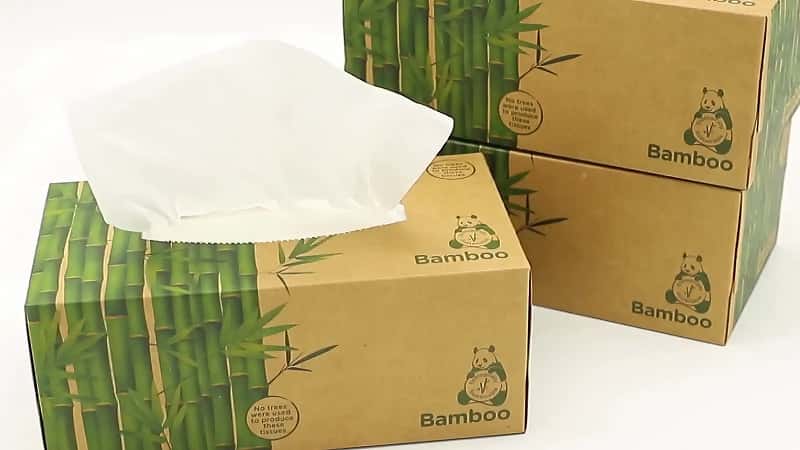
What Determines the Performance of Facial Tissue Paper
Before choosing facial tissue paper, it is important to consider several key characteristics that determine performance.
| Key Characteristic | Description | Impact on Facial Tissue Paper Performance |
| Softness | Refers to the smoothness and gentle feel of the tissue surface when in contact with skin | Provides comfort during facial wiping and helps reduce skin irritation, especially for sensitive users |
| Absorbency | The ability of facial tissue paper to quickly absorb liquids such as water, sweat, or nasal discharge | Improves cleaning efficiency and reduces the number of sheets needed per use |
| Strength | The ability of tissue fibers to maintain structure during dry and wet use | Prevents tearing and improves reliability during frequent wiping |
| Fiber Quality | Determined by the type of pulp used, such as virgin wood pulp or recycled fibers | Influences softness, durability, cleanliness, and overall tissue performance |
| Ply Structure | The number of tissue layers combined together, commonly one-ply, two-ply, or three-ply | Affects thickness, softness, absorbency, and user comfort |
| Thickness and Bulk | The physical volume and density of the tissue sheet | Provides a softer feel, better absorption capacity, and improved handling performance |
| Wet Strength | The ability of tissue paper to remain intact after absorbing moisture | Reduces tearing during use with water or other liquids |
| Surface Smoothness | The texture and finishing quality of the tissue surface | Enhances skin comfort and minimizes friction during repeated use |
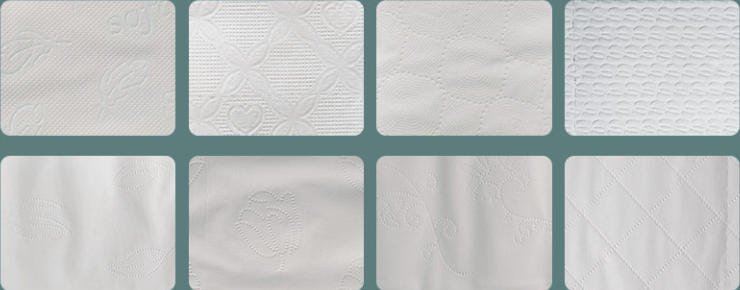
| Embossing Design | Patterns pressed into tissue layers during manufacturing | Increases softness, improves thickness, and enhances liquid absorption by creating more surface area |
| Cleanliness and Hygiene | Refers to production quality, material safety, and contamination control | Ensures the tissue is safe for direct contact with the face and sensitive areas |
| Moisture Content | The amount of moisture retained in the tissue material | Affects softness, flexibility, and storage stability |
| Sheet Size | The dimensions of each tissue sheet | Determines usability, coverage area, and consumption efficiency |
| Chemical Additives | Additional ingredients such as lotions, aloe vera, or fragrances | Can improve comfort and functionality but should be carefully selected for sensitive skin users |
Understanding Facial Tissue Paper Materials
The material used to produce facial tissue paper plays an important role in its softness, durability, and performance.
| Facial Tissue Type Based on Materials | Material Source | Key Characteristics | Common Applications |
| Virgin Wood Pulp Facial Tissue | Fresh wood fibers from sustainably managed forests | Smooth texture, high purity, strong fiber structure | Premium household tissues, hotels, healthcare facilities |
| Recycled Fiber Facial Tissue | Recovered paper fibers processed into new tissue products | Uses recycled materials and reduces resource consumption | Eco-conscious homes, offices, public facilities |
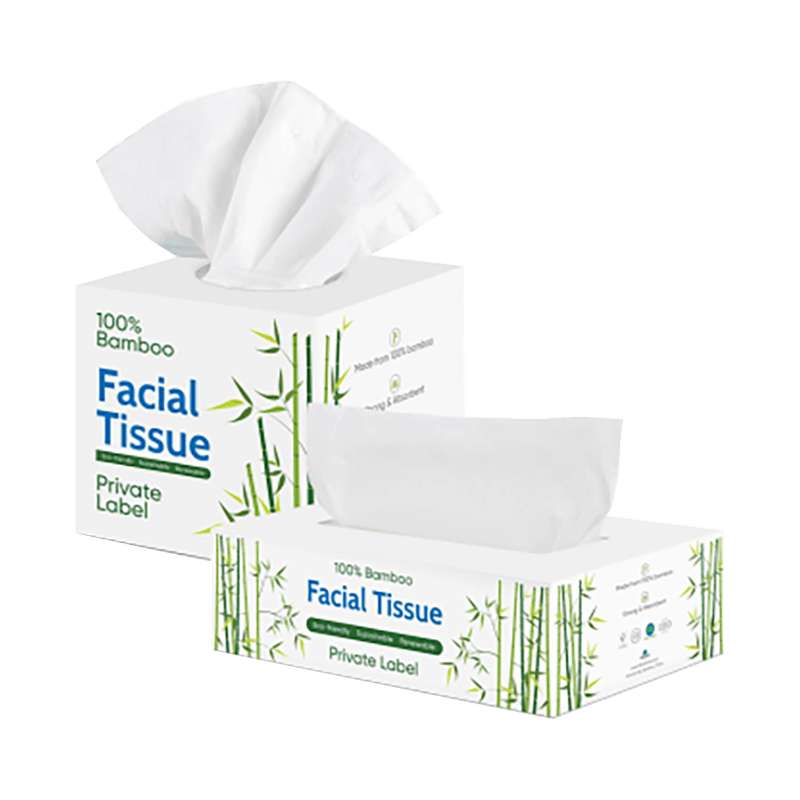
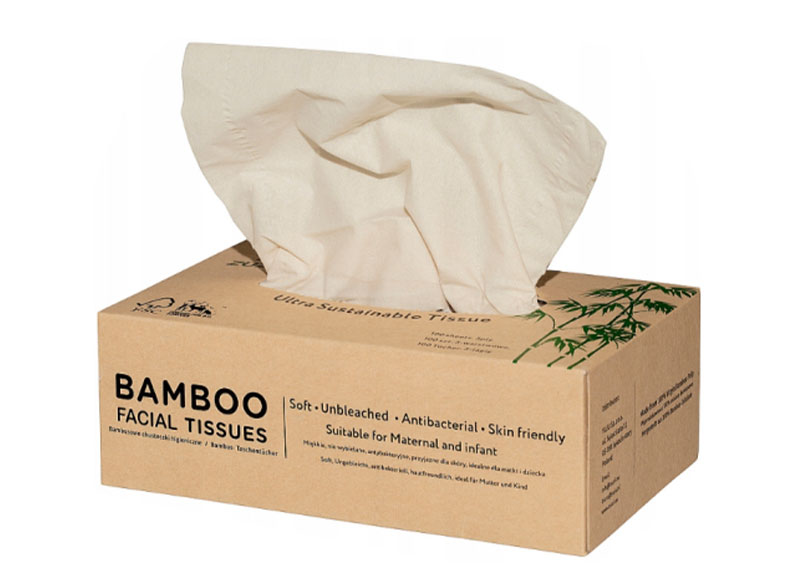
| Bamboo Facial Tissue | Bamboo fibers processed into pulp | Renewable material with natural fiber strength | Green household products, environmentally focused consumers |
| Sugarcane Bagasse Facial Tissue | Fibrous residue left after sugar extraction | Plant-based alternative fiber with good absorbency | Sustainable tissue products, eco-friendly packaging markets |
| Mixed Fiber Facial Tissue | Combination of virgin pulp, recycled fibers, or plant-based fibers | Balanced performance between softness, strength, and cost | General household and commercial use |
| Bamboo-Virgin Pulp Blend Facial Tissue | Combination of bamboo fibers and wood pulp | Combines softness with improved durability | Premium sustainable facial tissues |
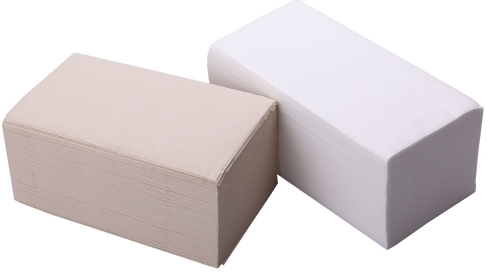
| Cotton Fiber Facial Tissue | Natural cotton fibers or cotton blends | Extremely soft and smooth fiber structure | Luxury tissues, skincare applications |
Key Considerations for Choosing the Right Facial Tissue Paper
1. Softness and Skin Comfort
Softness is one of the most important traits for facial tissue paper since it s often used on sensitive places like the face, nose, and eyes. If the tissue feels harsh or the quality is low, it can create irritation or discomfort, especially when you keep using it during colds, allergies, or even routine skincare tasks.
Premium facial tissues usually go through special processing methods that make the fibers more yielding, and the surface feels more even. A few options also contain soothing additives, for example, a light lotion, or aloe vera, to lessen friction and give extra comfort.
In homes with children, older relatives, or anyone with sensitive skin, picking an soft facial tissue can help prevent scratchy reactions and make daily use feel calmer.
2. Absorbency and Strength
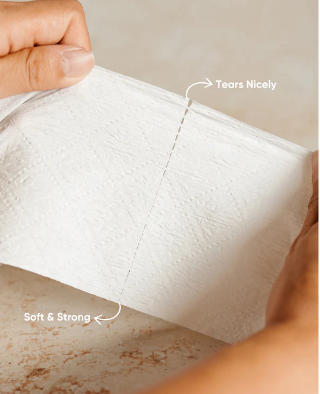
A decent facial tissue should do a real job with liquid absorption, but still stay strong enough while you’re using it. If it’s weak, it can tear faster when moisture hits it, and if it doesn’t soak well, you may end up using more than one sheet just to get the job done.
How absorbent it is can depend on several things like fiber structure, overall tissue thickness, embossed textures, and the way it is made during production. Usually, multi-layer facial tissues give better liquid take in, and they tend to last longer than single-layer versions.
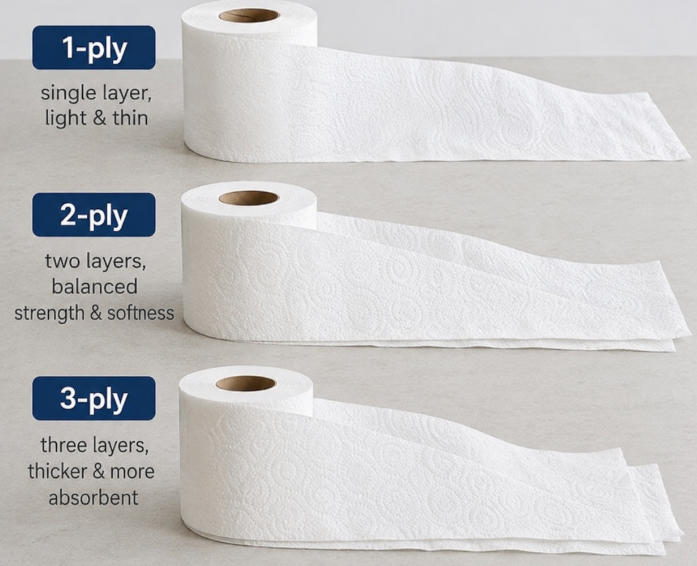
Another factor is the number of plies. Two-ply and three-ply tissues are common because they manage a good compromise between softness, sturdiness, and cost. If the tissue is thicker, it often feels more comfortable and absorbs more, while a thinner option can be enough for light daily routines.
3. The Appropriate Ply Number
Facial tissues typically show up as one-ply, two-ply, or three-ply. Choosing the right ply number comes down to your own preference and what you want it for.
Single-ply facial tissues tend to be lightweight and economically priced, so they work well for spots where there is a lot of usage, like offices or public buildings.
Two-ply facial tissues are perhaps the most common household option, mainly because they deliver enough softness, dependable strength, and solid absorbency. They work for everyday face washing, wiping up small messes, and general sanitation needs.
Three-ply facial tissues usually feel thicker and more comfortable. Many people reach for them in allergy season, during cold and flu time, or when they want a more upscale experience.
4. Safety and Quality Standards
Because facial tissues touch the skin directly, safety and quality requirements should be looked at, very carefully. Good facial tissue manufacturers typically follow firm production rules, in order to keep everything clean, durable, and reliably consistent in performance.
Consumers should try to choose facial tissue products made with safe materials, and they should steer away from tissues that include extra additives that might lead to skin sensitivity. Fragrance-free facial tissue paper are often suggested for people with sensitive skin, because extra perfume notes may raise the chance of irritation for some individuals.
Also, quality certifications, and manufacturing done in a responsible way can signal that a facial tissue product actually meets specific safety plus environmental expectations.

5. Environmental Considerations
Sustainability is becoming more important when selecting facial tissue paper. Many shoppers pay closer attention to how tissue items impact forests, energy use, and the amount of waste that ends up generated.
Eco-friendly facial tissues may rely on recycled fibers, responsibly sourced wood pulp, or sustainable production methods. Items that carry certification from well known environmental organizations can give extra assurance about responsible sourcing.
Packaging also plays a role in environmental impact, since some manufacturers use recyclable packaging or reduced plastic designs to minimize waste, you know, less litter in the long run.
Choosing an environmentally responsible facial tissue does not always mean giving up quality. Modern manufacturing technologies can help sustainable products keep softness and maintain real performance.
6. Different Applications
Different environments may require different types of facial tissues.
| Application | Recommended Facial Tissue Features | Key Considerations |
| Household Use | Soft texture, good absorbency, 2-ply or 3-ply structure, skin-friendly materials | Should provide comfort for daily facial cleaning, wiping, and personal hygiene |
| Sensitive Skin Care | Ultra-soft fibers, lotion-infused options, fragrance-free materials, low-irritation design | Reduces friction and helps prevent discomfort during frequent use |
| Cold and Allergy Season | High absorbency, strong wet strength, thicker multi-ply construction | Needs to handle frequent wiping without tearing or causing skin irritation |
| Office Environments | Balanced softness and durability, cost-effective packaging, reliable quality | Should provide economical performance for high-frequency use |
| Schools and Educational Facilities | Durable, economical, easy-to-dispense packaging | Requires large-volume supply and consistent quality for students and staff |
| Restaurants and Hospitality | Soft appearance, good strength, hygienic packaging, premium feel | Enhances customer experience while supporting cleanliness standards |
| Healthcare Facilities | High hygiene standards, strong absorbency, safe materials, low-lint properties | Must support frequent cleaning needs and user comfort |
| Public Facilities | Cost efficiency, moderate strength, bulk packaging options | Focuses on reducing consumption costs while maintaining basic hygiene |
| Travel and Outdoor Use | Compact packaging, lightweight design, durable sheets | Should be convenient to carry and resistant to damage during transportation |
| Baby and Child Care | Extra-soft fibers, gentle materials, fragrance-free options | Requires maximum comfort and reduced risk of skin irritation |
| Beauty and Personal Care | Smooth surface, soft texture, low lint, high cleanliness | Helps prevent irritation during makeup removal and skincare applications |
| Industrial and Workplace Use | Strong structure, practical absorbency, economical supply | Designed for general wiping and hygiene maintenance rather than premium comfort |
7. The Comparison of Cost and Long-Term Value
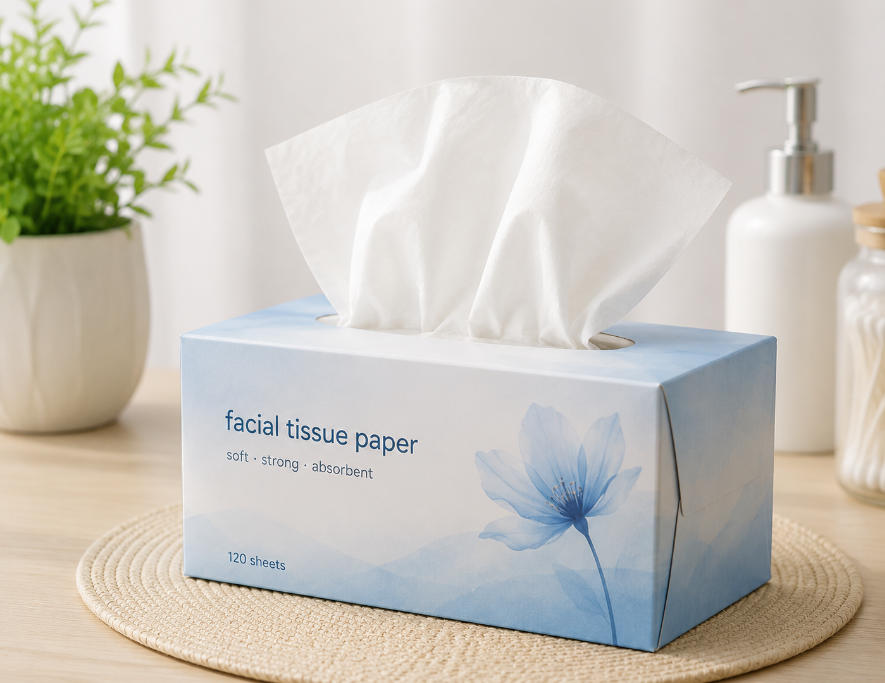
Price is an important factor when purchasing facial tissue paper, but the lowest-cost option is not always the most economical. Low-quality tissues may require more sheets per use, increasing overall consumption.
A slightly higher-priced tissue with better softness, strength, and absorbency can provide better value because fewer sheets may be needed. Evaluating sheet size, ply number, packaging quantity, and performance can help consumers make a more informed purchasing decision.
Final Thoughts
Choosing the right facial tissue paper is more than just grabbing the most affordable option. You have to look at softness, absorbency, compliance with safety standards, environmental footprint, and the specific purpose, etc, which all shape how it feels day to day.
Whether it is for homes, high-traffic commercial spaces, or more specialized settings, the best facial tissue should deliver a gentle touch, dependable results, and solid production practices. If people take time to weigh these points, they can pick facial tissue paper that fits their hygiene routine while still keeping comfort, budget, and sustainability in a sensible balance.