
Softness vs. Sustainability in Bamboo Tissue Paper
As consumers become more aware of environmental issues, bamboo tissue paper is turning into a popular alternative to the usual wood-pulp tissues. Bamboo is broadly seen as a renewable resource that grows fast, and it generally needs fewer agricultural inputs than many other conventional fiber sources. At the same time, people still expect tissue products to feel exceptionally soft and provide real comfort. These give bamboo tissue paper manufacturers a key question: basically, how to balance softness and sustainability in bamboo products, without lowering performance or causing extra environmental harm.
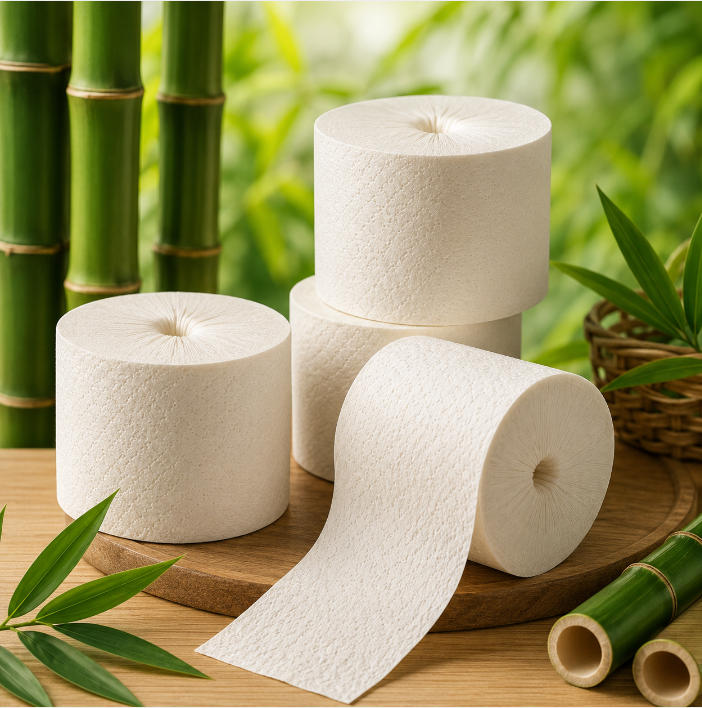
The Importance of Softness in Tissue Paper
Softness plays a crucial role in the overall feel of tissue paper, like really, it ends up being part of the user experience. When it is used as facial tissue, toilet paper, or napkins, these products touch the skin directly and they are expected to give comfort. Many consumers tie softness to quality, luxury, and better overall performance. A softer tissue tends to reduce friction against the skin, so it feels easier during frequent use ,and also less likely to trigger irritation.
Because of those expectations, softness has turned into a main purchasing point. Even people who care a lot about the environment may pause before choosing bamboo tissue products if they think they will feel rougher than the usual options. So, manufacturers need to make sure bamboo tissues still feel pleasant to the touch, while also keeping their ecological benefits intact.
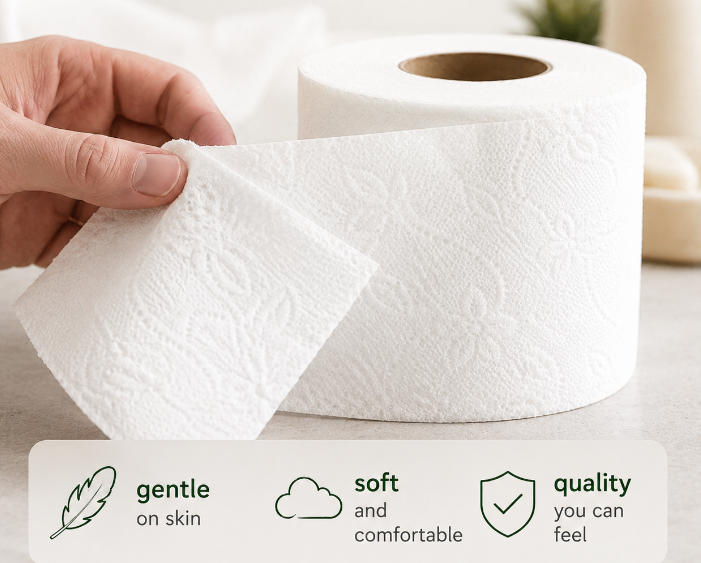
The Sustainability Advantages of Bamboo
Bamboo offers several environmental advantages that make it an appealing raw material for making tissue. Compared with a lot of the tree species used for paper manufacturing, bamboo can reach maturity within a few years, and then it regenerates naturally after harvesting. That quick maturation helps ease the strain on forests too, and it supports more sustainable fiber production.
Also, growing bamboo tends to use less water and fewer chemical inputs than many conventional crops. The extensive root system helps block soil erosion, while at the same time supporting carbon sequestration. Because of those traits, bamboo keeps earning its reputation as an eco-friendly resource, and it matches with the rising customer preference for sustainable products.
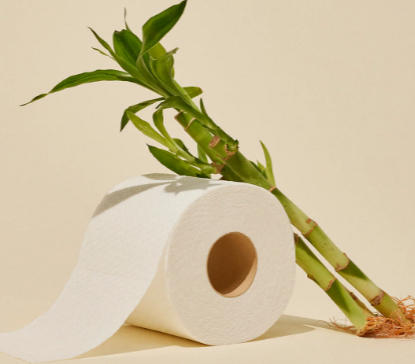
Challenges in Balancing Softness and Sustainability of Bamboo Tissue Paper
While bamboo provides significant environmental advantages, producing ultra-soft bamboo tissue paper can present technical and sustainability challenges.
| Challenge | Impact on Softness | Impact on Sustainability |
| Natural Bamboo Fiber Structure | Bamboo fibers are naturally stronger and coarser than some wood fibers, making it more difficult to achieve a silky-soft texture. | Minimal processing preserves the natural fiber properties and reduces environmental impact. |
| Intensive Fiber Refining | Refining breaks down fibers and improves softness and smoothness. | Additional refining requires more energy and can increase the carbon footprint of production. |
| Chemical Softening Treatments | Chemical additives can significantly enhance tissue softness and comfort. | Increased chemical usage may raise concerns about environmental impact, wastewater treatment, and biodegradability. |
| Multiple-Ply Construction | Additional plies improve softness, thickness, and cushioning. | More raw material is required, increasing resource consumption and production costs. |
| Fiber Blending | Mixing bamboo with softer fibers can improve tactile performance. | Blended fibers may reduce the percentage of renewable bamboo content and complicate recycling processes. |
| Water Consumption During Processing | Enhanced washing and pulping processes can produce softer fibers. | Higher water usage can reduce the overall sustainability benefits of bamboo tissue production. |
| Energy-Intensive Manufacturing | Advanced softening and embossing technologies improve product feel. | Increased energy demand can contribute to higher greenhouse gas emissions if renewable energy is not used. |
| Consumer Expectations | Consumers often expect bamboo tissues to be as soft as premium virgin-pulp tissues. | Meeting these expectations may require additional processing that can compromise environmental goals. |
| Cost Constraints | Premium softening technologies can create higher-quality products. | Sustainable production methods and advanced technologies can increase manufacturing costs. |
| Maintaining Strength While Increasing Softness | Excessive softening can weaken tissue structure and durability. | Manufacturers must carefully balance fiber treatment to avoid waste and maintain product efficiency. |
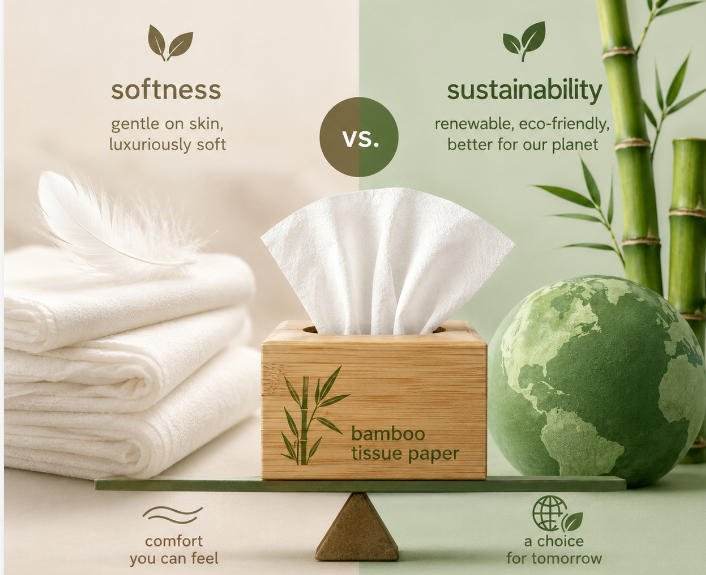
Technological Innovations in Balancing Softness and Sustainability of Bamboo Tissue Paper
Ongoing technological innovations are helping bridge the gap between softness and sustainability, so manufacturers can deliver products that meet both expectations in a way that feels more balanced.
1. Advanced Pulping Technologies
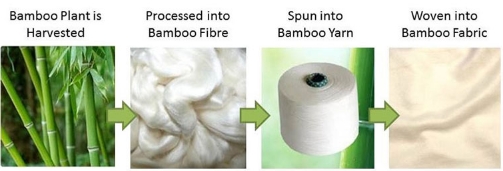
One of the most important innovations in bamboo tissue paper production is the rise of advanced pulping technologies. Traditional pulping methods can be rather harsh on bamboo fibers, and they often rely on large amounts of chemicals and energy. New pulping processes are built to split the fibers more efficiently, while also keeping their natural framework intact.
Better pulping techniques reduce fiber breakdown, and they also help form smoother fibers that support a softer end result. At the same time, these technologies tend to use less water and fewer reagents, which helps manufacturers lower their environmental impact while still keeping product quality stable.
2. Enzyme-Based Fiber Treatment
Enzyme technology is being used more and more as a sustainable alternative to the usual chemical treatments. In practice, specialized enzymes selectively modify the surface of bamboo fibers, and in turn, they make the fibers feel softer and also more flexible, without doing too much mechanical refining.
Since enzymes are biodegradable and they function under relatively gentle processing conditions, this can cut down on chemical use and overall energy demands quite a bit. With this kind of processing, manufacturers are able to boost softness while also supporting cleaner manufacturing practices that are more environmentally friendly.
3. Optimized Fiber Refining Systems
Refining fibers is a key step in tissue manufacturing; it affects softness, strength and absorbency. Traditional refining systems can take a lot of energy, and they can also over-process the fibers, which weakens the sustainability improvements that people expect.
Modern refining systems use more advanced control methods and monitoring tools to push the refining process closer to optimal. In practice, they make fine adjustments to the refining intensity by looking at fiber characteristics, and then the desired softness happens while energy use stays low. The end result tends to be stronger product performance and more manufacturing efficiency overall.
4. Innovative Tissue Structure Engineering
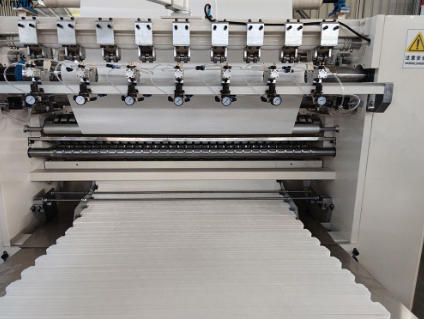
Softness is not just about the fiber properties. The actual physical layout of tissue paper also matters a lot for how it feels to people. Tissue manufacturers are now leaning on more sophisticated sheet forming, plus engineering techniques, to raise softness, without needing extra raw material.
Advanced embossing patterns actually form tiny air pockets inside the tissue, which boosts bulk and gives that extra cushioning, while still keeping the overall construction light. With multi-layer tissue structures, producers can place fibers more deliberately, so the surface ends up softer but the sheet still keeps strength and absorbency. The end result is improved comfort for the consumer without pushing fiber use beyond what’s necessary.
5. Sustainable Fiber Blending Technologies
Another key innovation is the careful blending of bamboo fibers together with other sustainable fiber sources. Newer fiber analysis and blending technologies let manufacturers fine tune which combinations they use, in order to lift softness while still meeting environmental responsibility goals.
By controlling fiber composition very precisely, producers can strike that balance between softness, durability, and sustainability. When they choose complementary fibers that are responsibly sourced, product performance can improve while bamboo still delivers its renewable benefits.
6. Water-Efficient Manufacturing Processes
Water conservation is now a big concern in the tissue industry. Newer plant setups use closed-loop water recycling systems , which cut down freshwater use a lot during tissue making.
With improved filtration units and water treatment approaches, the process water can be purified and then used again more than once. This helps lessen the environmental footprint, but it also supports better resource efficiency across the whole manufacturing cycle. When water use is kept minimal, producers can raise the sustainability standing of bamboo tissue goods , all while still keeping strong quality during production.
7. Energy-Efficient Production Equipment
Moving to energy-efficient manufacturing machinery is assisting tissue manufacturers in lowering their carbon footprint. Today’s tissue machines rely on automation enhancements, high-efficiency motors, and smarter process controls that adjust energy usage during production.
Real time monitoring systems often spot chances for energy savings and help keep product quality steady, with less drama in between. if manufacturers lower the energy needs while still respecting softness requirements, they can hit both financial goals and environmental objectives.
8. Artificial Intelligence and Smart Manufacturing
Artificial intelligence plus data analytics are being worked into tissue paper production more and more. In fact, smart manufacturing platforms continually scan the output logs, check fiber characteristics, and adjust processing settings.
With these methods, producers can reach a repeatable softness profile using fewer resources and producing less waste. Predictive upkeep also boosts equipment reliability, cutting stoppages and supporting overall production efficiency. As AI driven technologies keep improving, they are expected to take on an even larger part in keeping product performance aligned with sustainability.
9. Eco-friendly Additives and Chemical Innovations
Researchers are working on more eco-friendly additives that boost softness while not bringing in harmful substances into the production steps. Bio-based softening agents, pulled from renewable resources, are starting to look like a credible alternative for the usual chemicals.
With these new additions, the tactile feel gets better, and at the same time biodegradability stays intact, plus environmental worries stay pretty low. In practice, using them helps the industry with its bigger push toward sustainable tissue products, ones that still match what consumers expect for everyday comfort, and generally.
Future Outlook of Soft and Sustainable Bamboo Tissue Paper
The future of soft and sustainable bamboo tissue paper is expected to be driven by innovations that simultaneously enhance comfort and environmental performance.
| Future Trend | Description | Expected Impact on the Industry |
| Carbon-Neutral Production Facilities | Manufacturers will invest in renewable energy and carbon reduction strategies. | Reduced carbon footprint and stronger sustainability credentials. |
| Closed-Loop Water Management | Water recycling and treatment systems will become standard in tissue manufacturing plants. | Significant reductions in freshwater consumption and wastewater discharge. |
| Development of Bio-Based Additives | Eco-friendly softening agents derived from renewable resources will gain wider adoption. | Enhanced product softness while maintaining biodegradability. |
| Sustainable Packaging Innovations | Plastic-free, recyclable, and compostable packaging solutions will become more common. | Reduced packaging waste and improved environmental performance. |
| Enhanced Supply Chain Transparency | Digital tracking and certification systems will provide greater visibility into bamboo sourcing. | Increased consumer trust and regulatory compliance. |
| Expansion of Premium Eco-Luxury Products | Consumers will continue seeking products that combine sustainability with superior comfort and quality. | Growth of premium bamboo tissue product segments. |
| Increased Focus on Circular Economy Practices | Manufacturers will emphasize waste reduction, recycling, and resource recovery throughout production. | Improved resource efficiency and reduced environmental impact. |
| Customization and Product Differentiation | Specialized bamboo tissue products for sensitive skin, healthcare, hospitality, and premium markets will emerge. | Expanded market opportunities and stronger brand differentiation. |
| Global Market Expansion | Growing environmental awareness and sustainability regulations will increase bamboo tissue adoption worldwide. | Continued growth in production capacity and international demand. |
Final Thoughts
The debate between softness and sustainability in bamboo tissue paper is not necessarily a choice between two competing priorities. With continuous technological innovations and careful manufacturing practices, the tissue paper sector is showing more and more that both goals can land at the same time. As what shoppers expect keeps shifting, bamboo tissue paper seems well set to provide the comfort people want while also backing a more responsible future.