
OEM vs. Custom Tissue Paper for Brands: Which Solution is Better
Whether used for wrapping products, filling gift boxes, protecting luxury items, or giving retail packaging a more polished feel, branded tissue paper can shape how customers see a company. When choosing branded tissue paper, most of the time they run into two main options: OEM tissue paper and fully custom tissue paper. Even though both options let a company add its own packaging identity, they do not work the same way in customization depth, production steps, overall price, and where the paper is best used. Getting clear on how OEM and custom tissue paper differ can really help brands select the suitable packaging solution.
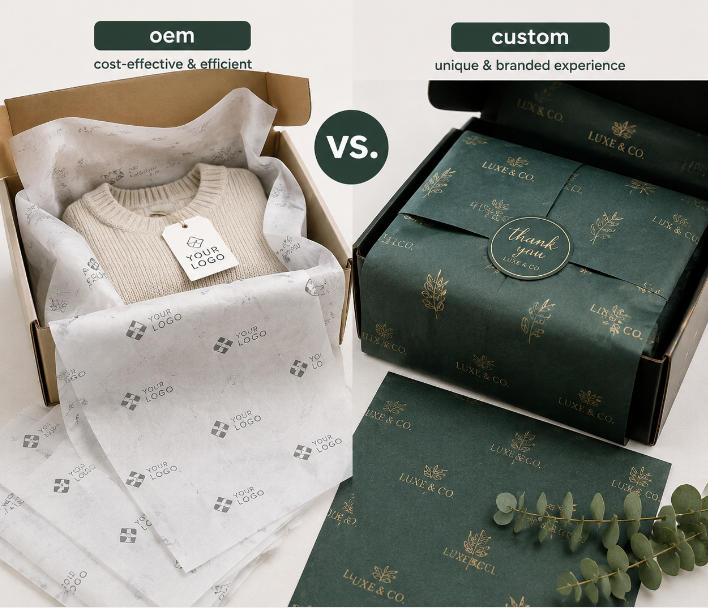
Understanding OEM Tissue Paper for Brands
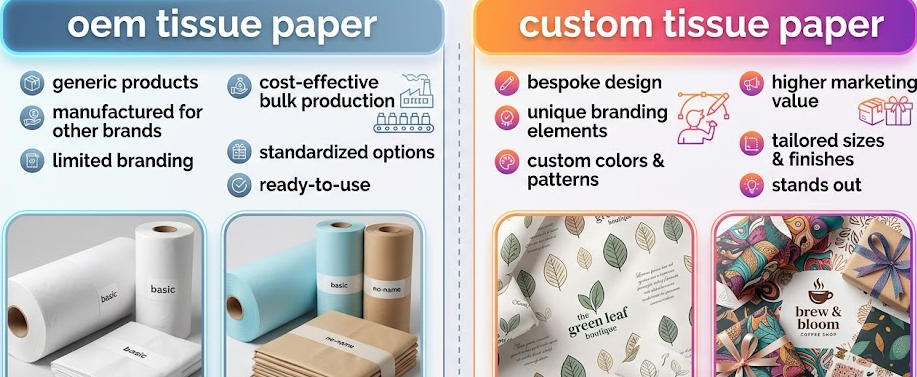
OEM, which stands for Original Equipment Manufacturing, means the items are made by a supplier using the brand’s specifications. In the tissue paper market, OEM usually means you choose from a manufacturer’s existing tissue paper materials, sizes, colors, and printing choices, then the supplier produces it under your branding guidelines.
With OEM tissue paper, brands usually partner with a seasoned supplier that already has its own set up manufacturing processes, so the whole thing is smoother. The company may ask for particular touches like logo printing, standard shades, sheet sizes, packaging formats, or paper thickness, while still leaning on the supplier’s know how for the actual production.
OEM tissue paper is often used by businesses that want branded wrapping but they do not need a fully one of a kind layout. It lands on a middle ground between personalization and speed, so it works well for startups, retailers, online e-commerce companies, and other organizations that require wrapping materials in moderate to large volumes.
One of the biggest advantages of OEM tissue paper is faster production, like you already have the basics ready. Since tissue paper manufacturers use standard materials and equipment, the start up steps are usually simpler than building an entirely new tissue paper product. That means brands can get finished goods more quickly and keep the packaging supplies steady, even when orders change.
OEM solutions are also often more cost-effective. The manufacturer can work with their existing production system so tooling costs and development expenses drop a lot. If a brand wants a professional look without investing heavily in customized manufacturing, OEM tissue paper becomes a practical option, not just a convenient one.
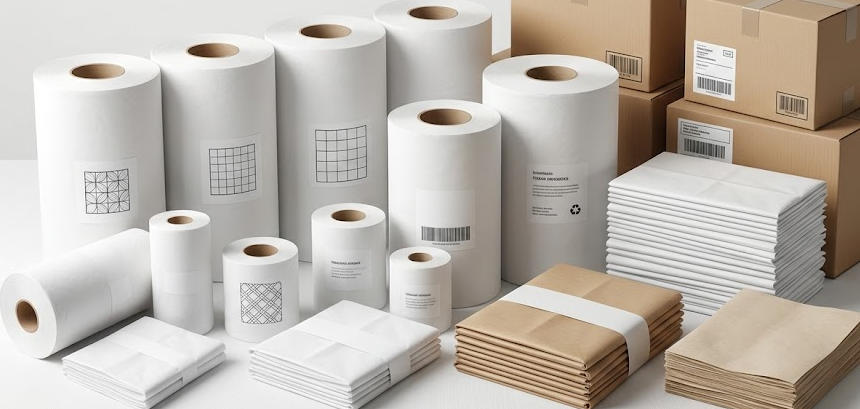
Understanding Custom Tissue Paper for Brands
Custom tissue paper really focuses on putting together a packaging product that is built around a brand’s specific needs. Rather than grabbing an existing option and adapting it, companies can steer more of the process, including the paper material, the texture feel, color pairings, printed designs, special finishes and even the small packaging details that people rarely notice but still remember.
With custom tissue paper, a brand can line up the packaging look with its visual identity, much closer than standard versions. Luxury fashion brands, cosmetics makers, jewelry businesses, and premium gift companies often go with fully customized tissue paper because the packaging is a key part of brand positioning.
For instance, a company might select recycled tissue paper to underline sustainability commitments, build a distinctive color palette to stay inside its branding rules, or develop exclusive patterns that customers quickly connect with the brand. In that way, custom choices can turn ordinary tissue paper into an actual marketing tool.
The main advantage of custom tissue paper is that it gives you design flexibility, and honestly, this is where brands feel the most freedom. They are not forced to stick with standard supplier options, and can build packaging that supports certain campaigns, seasonal collections, product releases, or those special occasions.
That said, fully custom tissue paper typically needs more time, and a bit more investment. Coming up with unique materials, trialing colors, reviewing proofs, and setting up specialized production methods can push manufacturing costs upward. Also the minimum order quantities may end up being higher compared with OEM solutions.
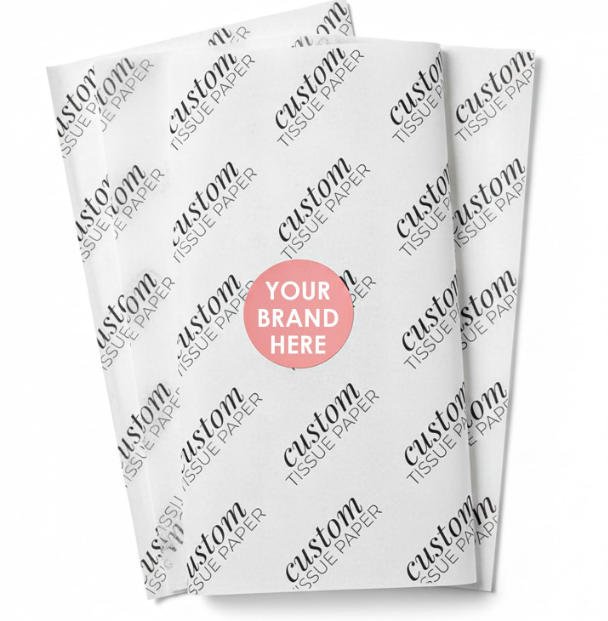
Comparison Between OEM and Custom Tissue Paper
| Feature | OEM Tissue Paper | Custom Tissue Paper |
| Definition | Tissue paper produced by a manufacturer based on existing designs, materials, and production capabilities with brand-specific requirements | Tissue paper fully developed according to a brand’s unique design, material, and packaging needs |
| Customization Level | Moderate customization, such as adding logos, choosing standard colors, sizes, or printing patterns | High customization, including unique designs, colors, textures, materials, and finishes |
| Design Flexibility | Limited to supplier’s available options and manufacturing capabilities | Almost unlimited design possibilities based on brand requirements |
| Production Process | Uses existing tissue paper production processes, making manufacturing simpler and faster | Requires design development, sampling, testing, and customized production preparation |
| Lead Time | Shorter production time due to ready manufacturing systems | Longer lead time due to custom design approval and development stages |
| Cost | Lower cost because it uses standard materials and processes | Higher cost due to custom development, special materials, and additional production steps |
| Minimum Order Quantity (MOQ) | Usually more flexible and suitable for smaller or medium orders | Often requires higher order quantities to justify customized production |
| Brand Identity | Provides basic brand recognition through logos and standard branding elements | Creates a stronger brand image with unique packaging experiences |
| Material Options | Limited to available materials from the manufacturer | Allows selection of specific materials, including recycled or specialty papers, bamboo fibers, etc. |
| Printing Options | Standard printing methods and available colors | Advanced printing options, custom patterns, special effects, and exclusive artwork |
| Quality Control | Relies on the manufacturer’s existing quality standards | Requires additional quality checks to ensure custom specifications are met |
| Ideal Users | Startups, retailers, e-commerce sellers, and brands needing efficient packaging | Luxury brands, premium products, gift companies, and businesses focused on unique presentation |
Key Factors to Consider for Choosing Between OEM and Custom Tissue Paper for Brands
Choosing between OEM and custom tissue paper, you should weigh a few factors, such as brand goals, budget, design needs, production volume, etc.
1. Brand Positioning and Identity Requirements
The first factor a brand should really consider is how much its packaging supports the overall identity. Packaging is usually the very first hands-on moment customers get with a product, and tissue paper can shape how people judge quality and professionalism.
For brands that need basic personalization, OEM tissue paper may be a decent fit. By putting on a logo, using familiar brand tones, or adding simple printed accents, the tissue can still look polished while keeping expenses more controlled. This method tends to work best for companies that want branded unwrapping, but they do not depend heavily on packaging design as a main competitive strength.
For premium brands, custom tissue paper may provide more value, like it actually feels more intentional. Businesses that sell luxury products, designer items, or limited release collections often need packaging that matches their own vibe, not just something generic. When the tissue paper is fully customized, companies can build special textures, patterns, colors, and even different finishes, which helps brand recall, and it also gives a more personal customer experience.
2. Degree of Customization Needed
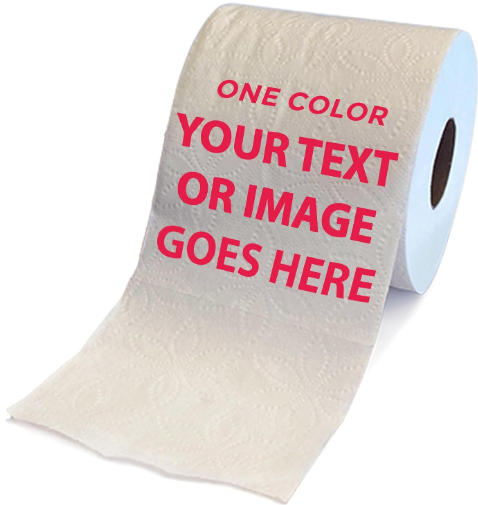
Another key point is how much creative control you really need. OEM tissue paper usually allows customization only within what the manufacturer already offers. In that case, a brand can pick from pre-made paper types, standard sizes, printing styles, and color options while still adding its own branding details.
Custom tissue paper really gives more creative control than people think. A business can craft its own artwork, choose particular paper materials, mix colors in a precise way, and add one-of-a-kind design accents. It can feel especially right for brands that need their packaging to stand out in a store, or to line up with a specific marketing campaign.
Before picking any option, companies should pause and ask if standard customization is enough, or if a fully unique packaging direction is actually required.
3. Budget and Investment Considerations
Cost matters a lot when comparing OEM tissue paper and fully custom tissue paper. OEM options usually need less upfront spending, since manufacturers already use established materials, known production methods and existing machinery. So OEM tissue paper becomes a practical solution for businesses that have a tight budget, or for teams that are still testing a new product line.
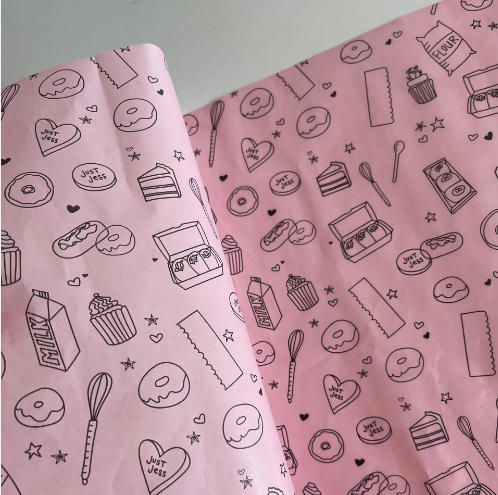
Custom tissue paper tends to cost more than plain options, not because the material itself is always that different, but due to the extra stuff around it, like design development, sample production, specialized printing, and a few additional quality control steps. Even if the first investment is higher, customized packaging often turns into better brand equity and can lead to improved customer loyalty as well .
Brands should look beyond the immediate production expense. They should also weigh the long-term promotional value that packaging can deliver, because that is usually where the real payoff shows up.
4. Order Volume and Production Requirements
How many units you expect to order matters a lot when you are picking the right tissue paper solution. OEM tissue paper is usually a good fit for organizations that need medium quantities and want quicker turnaround times. Since manufacturers work with existing processes they can often manage orders more efficiently.
Custom tissue paper may need higher minimum order quantities, because there is extra groundwork involved. When a company is aiming for a truly specific material, special inks or printing plates, or new production settings, the manufacturing requirements can go up.
Companies should estimate their packaging demand carefully. Firms that place repeat large-volume orders may discover that custom tissue paper ends up more economical in the long run, while smaller operations often like the flexibility of OEM options.
5 . Production Timeline and Delivery Speed
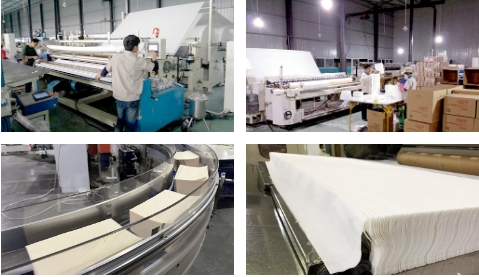
Timing can really steer the decision between OEM and custom tissue paper. If you are planning a product launch, a seasonal promotion, or you have urgent packing requirements, OEM tissue paper may be the better fit, since production can start sooner.
Custom tissue paper typically needs more preparation. The design process can include artwork approval, color matching, prototype evaluation, and production testing. Even if the final result feels more distinctive, the whole workflow usually takes longer.
Brands should look at their project deadlines first, then figure out if they have enough time for the fully customized development process.
3. Material Selection and Sustainability Goals
Material requirements are getting more important too, because consumers are paying closer attention to packaging that is environmentally responsible. So brands should ask if they really need certain paper types, recycled content, or eco-friendly production methods.
OEM tissue paper suppliers often offer greener options inside their existing ranges. That means brands can go with environmentally friendly materials , without needing a long and complex development track.
Custom tissue paper gives more control over material selection. Businesses can require recycled paper, biodegradable materials, sustainability-minded inks, or other environmentally responsible features that match their brand values.
For brands that have strong sustainability objectives, using custom tissue paper solutions can open up more chances to create packaging that actually supports their environmental message.

4. Printing and Design Complexity
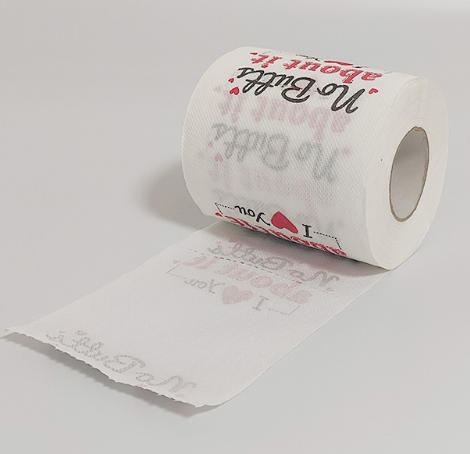
The level of detail in the design you want can decide if OEM tissue paper or custom tissue paper is the better fit. When it’s just a simple logo print, a basic pattern, and standard branding pieces, OEM production usually does the job without too many compromises.
But if the brand needs detailed illustrations, multi-color layouts, special printing effects, or a very specific visual concept, then custom tissue paper is often the better route. With customized printing, businesses can build packaging that lines up with their marketing plan, and their visual identity as well.
As the design requirements get more complex, a custom method can become more valuable, pretty quickly.
5. Supplier Capability and Manufacturing Experience
The tissue paper manufacturer experience and capabilities are also really important, and honestly it affects everything, because it determines how dependable the output is. A dependable supplier should be able to deliver steady quality, correct printing, stable production volume, and hands on support for day to day issues.
For OEM tissue paper, brands need to check if the supplier has workable standard choices and whether deliveries stay reliable. For custom tissue paper, companies should select manufacturers who bring strong design guidance, use advanced printing methods, and have practical experience with tailor made jobs, not just basic runs.
When you work with the right supplier, you can lower production risks and make sure the final packaging matches the target expectations.
6. Customer Experience and Marketing Goals
Packaging is not only a protective layer, but it is also a promotional chance. Brands should think about how tissue paper boosts buyer satisfaction while supporting brand storytelling.
OEM tissue paper gives a clean and professional look for packaging; it can help companies look more polished while not requiring a big investment. If you go for custom tissue paper instead, you can build a more memorable unboxing moment, so customers are more willing to interact with the brand and then share the experience.
Some organizations that are trying to build real emotional ties with customers might want to put money into more personalized packaging approaches.
7. Future Growth and Packaging Strategy
Future plans for the brand should also affect the choice. If a company expects quick expansion, it might start with OEM tissue paper, so costs stay lower and daily handling is easier. When the brand is more established later on, moving toward custom tissue paper can make the identity stand out in a stronger way.
For businesses running long-term branding plans, it may make sense to choose custom solutions early, in order to keep packaging consistency across multiple product categories.
The right choice should support what you need right now and also your future business goals.
Summary
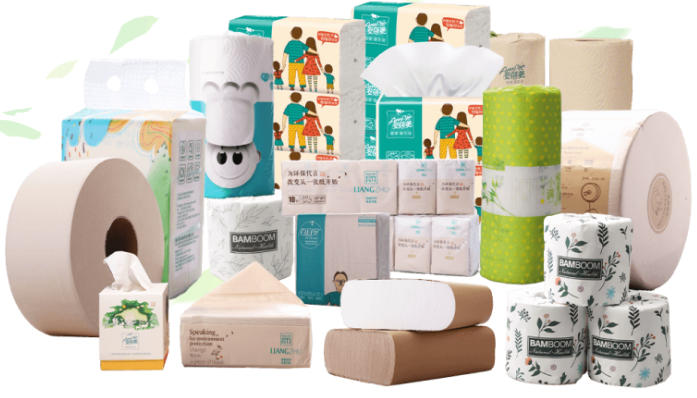
- Companies that need fast delivery, lower costs, and basic branding improvements may find OEM tissue paper to be the better option.
- Businesses that want distinctive packaging and stronger brand differentiation may benefit from custom tissue paper solutions.
Final Thoughts
OEM and custom tissue paper both deliver valuable packaging options for brands, but they work in slightly different ways , it depends on what you’re aiming for. OEM tissue paper gives brands a practical and budget-friendly path toward professional, branded packaging, while custom tissue paper gives more creative room plus sharper brand separation.
Since packaging keeps shaping customer experiences, selecting the right tissue paper solution can help a brand improve presentation, strengthen recognition, and create lasting impressions. Whether you go with OEM or custom tissue paper, the real win is balancing personalization, total cost, and overall brand objectives.