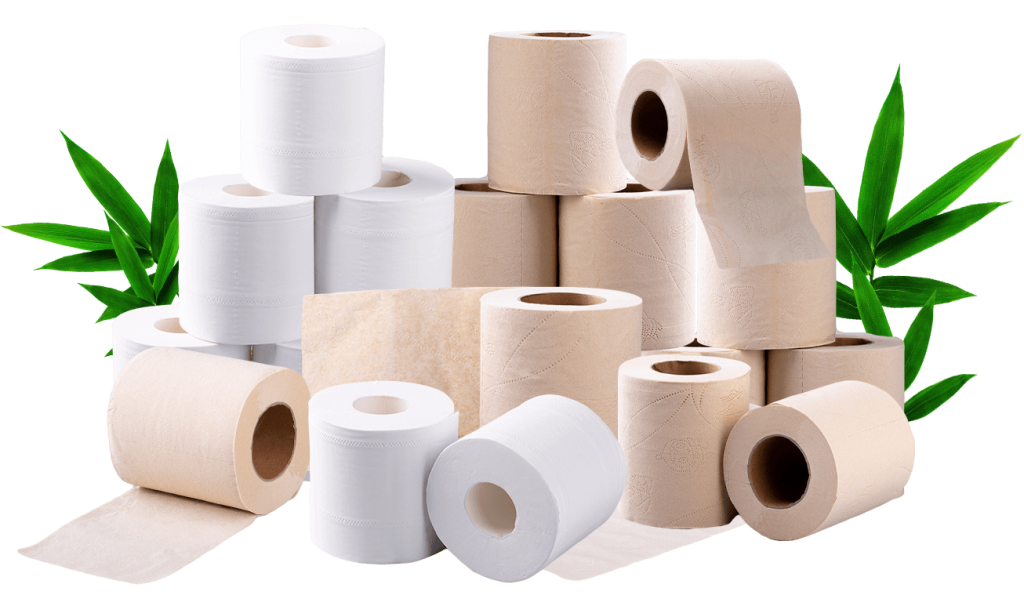
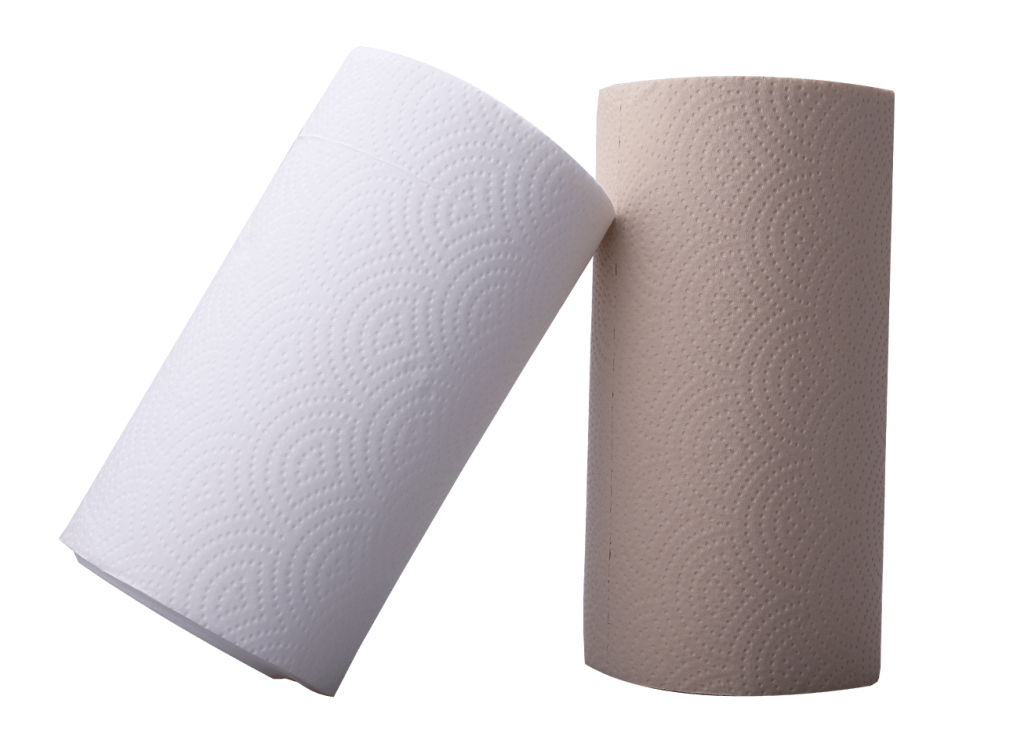
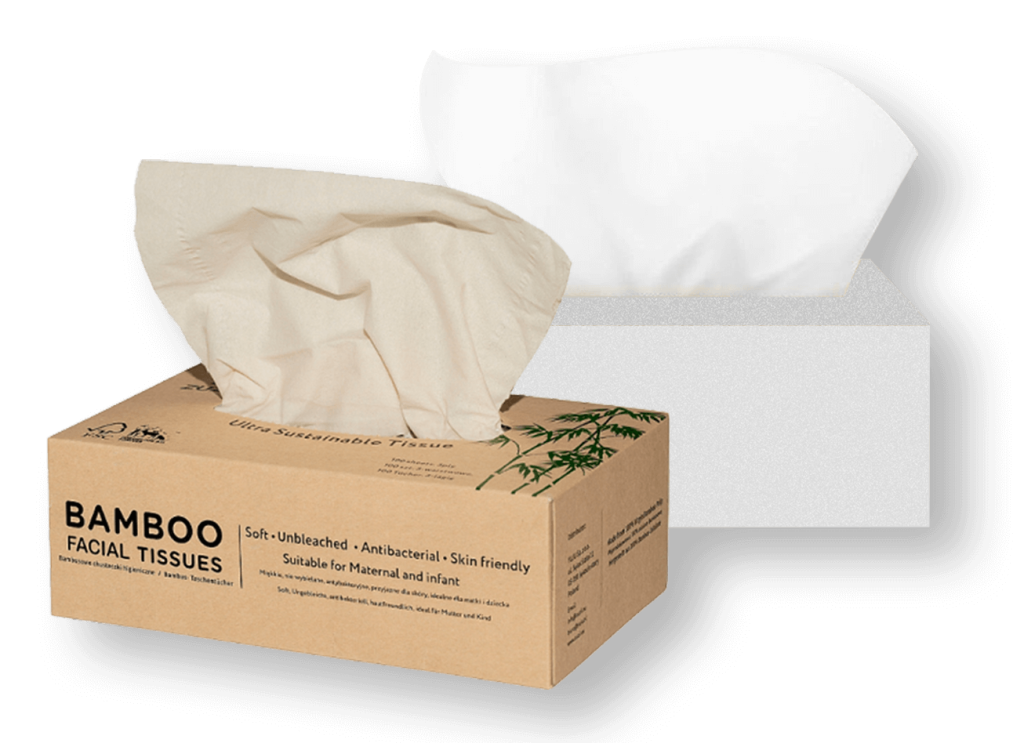
FSC Certified Bamboo Tissue: Everything Buyers Need to Know
Sustainable procurement in the fast-moving world of sustainable consumer goods has gone from a niche marketing strategy to a compliance requirement in global retail. Bamboo tissue is an FSC certified product category with high growth and high intent among many eco-friendly alternatives developing in the personal care and paper products category. For B2B buyers, brand owners and supply chain managers, sourcing or targeting FSC bamboo tissue is no longer simply about offering a green product, but about risk mitigation, regulatory compliance and meeting stringent environmental, social and governance (ESG) standards.
While broader terms like “bamboo toilet paper” face hyper-competitive search landscapes dominated by direct-to-consumer (DTC) brands, “FSC bamboo tissue” captures high-intent B2B and wholesale search volume. It attracts procurement professionals, private-label brand managers, and retail category buyers who are actively searching for verified, legally compliant, and sustainable paper solutions.
This comprehensive guide serves as the ultimate pillar resource for understanding what FSC certified bamboo tissue entails, how the supply chain verification works, the intricacies of FSC labels, and how B2B buyers can strategically vet suppliers to secure a reliable, audit-ready product line.
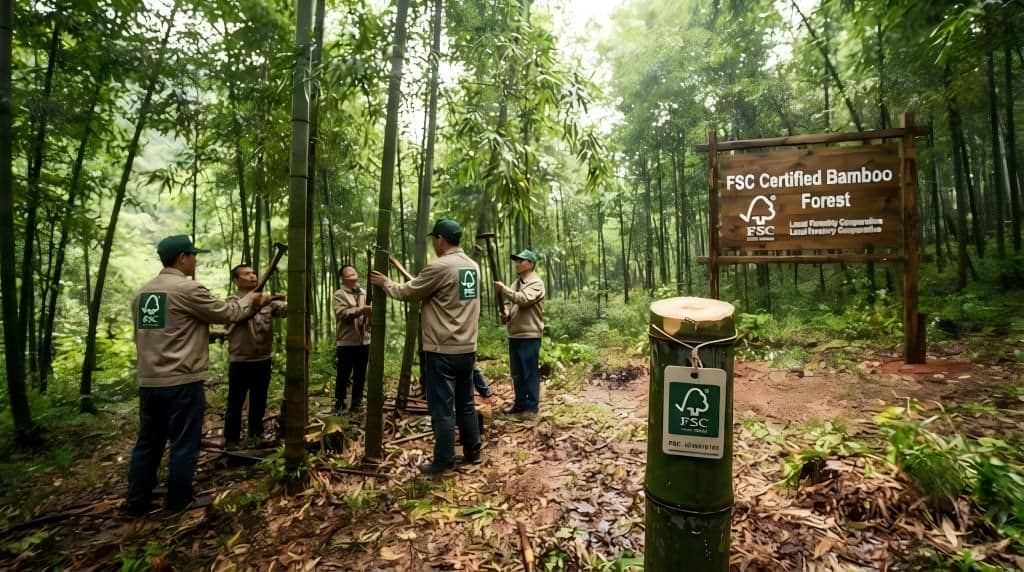
What Is FSC Certified Bamboo Tissue?
The Forest Stewardship Council (FSC) is an international, non-governmental organization established in 1993 to promote responsible management of the world’s forests. FSC sets standards based on responsible forest management, ensuring that forestry practices protect biodiversity, respect the rights of indigenous peoples, and maintain the economic viability of forest operations.
Why Bamboo Can Be FSC Certified
One misconception in the paper industry is that FSC certification is only for traditional wood-based timber. The FSC framework, however, does make explicit recognition of non-timber forest products (NTFPs) and fast-growing renewable grasses, including bamboo.
Bamboo is a grass that is woody and grows very quickly, often reaching maturity in 3 to 5 years and requiring neither chemical fertilisers nor intensive replanting. It is also an exceptional renewable resource. Bamboo fibres obtained from responsibly managed natural forests or existing plantations that comply with FSC’s environmental and social standards are fully eligible for FSC certification.
Why Brand Owners and Retailers Demand FSC
Supply chains are under great pressure from the current regulatory landscape, including the likes of the European Union Deforestation Regulation (EUDR) and strict corporate sustainability targets. Bamboo tissue requires FSC certification because brand owners and retailers demand:
- Legal Assurance: Proof that the raw materials were harvested legally, reducing the risk of greenwashing and regulatory penalties.
- Traceability: A direct line from the bamboo growing field to the finished tissue product on the store shelf.
- Consumer Trust: The internationally recognised FSC “checkmark and tree” logo provides an instant trust signal for eco-conscious end consumers.
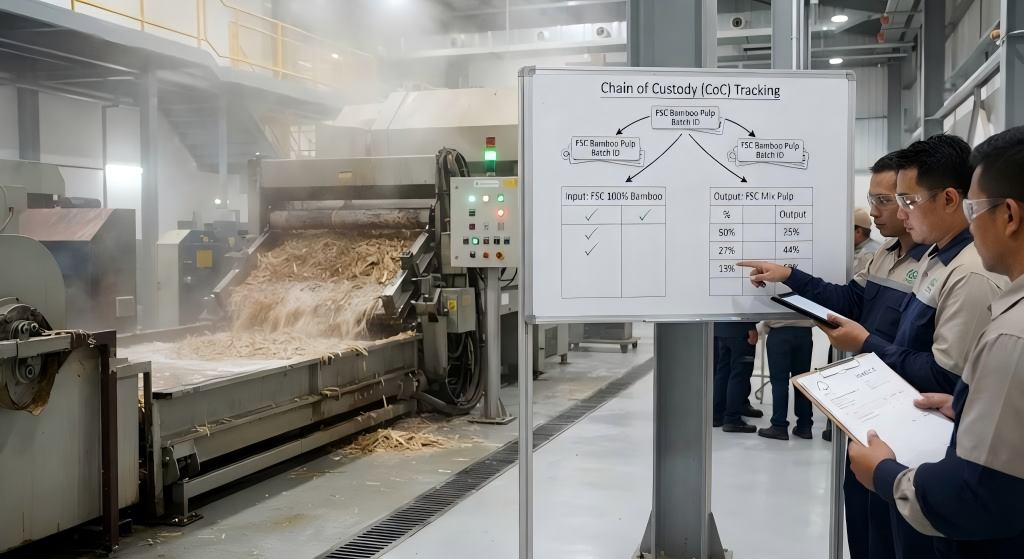
Why FSC Certification Matters for Global Retailers
For B2B manufacturers and suppliers looking to export bamboo tissue to major international markets, understanding the procurement criteria of global retail giants is essential. Major multinational retailers enforce strict sustainable sourcing policies to protect their brand equity and comply with regional environmental mandates.
- Walmart: Through its Project Gigaton and sustainable sourcing initiatives, Walmart heavily incentivizes suppliers to adopt verified certifications like FSC to eliminate deforestation from supply chains.
- Costco: Known for its rigorous private-label quality assurance (Kirkland Signature), Costco requires strict proof of sustainable origin for all paper and pulp-based commodities.
- Carrefour & European Retailers: European hypermarkets operate under strict European Union directives regarding circular economies and zero-deforestation. FSC certification is frequently a mandatory prerequisite for onboarding new paper product SKUs.
- Aldi & Lidl: As discount grocery leaders with massive volume requirements, these German-headquartered chains maintain aggressive corporate responsibility targets, prioritizing FSC-certified paper goods to satisfy both cost-efficiency and environmental stewardship.
Beyond traditional retail, corporate ESG reporting, government procurement contracts, and carbon reduction accounting frameworks increasingly mandate third-party verified certifications like FSC to substantiate claims of environmental impact reduction.
Can Bamboo Be FSC Certified? (Clearing Up Common Misconceptions)
A frequent point of confusion among procurement officers and supply chain novices is whether bamboo pulp can actually carry an FSC label, given that bamboo is technically a grass rather than a traditional tree.
The Official FSC Stance
The FSC explicitly outlines standards that encompass bamboo. The certification applies across three critical tiers:
- Bamboo Material: Harvested bamboo stems originating from certified forests or plantations.
- Paper Pulp: The processed bamboo pulp utilized in manufacturing sanitary paper products.
- Tissue Products: Finished consumer commodities, including facial tissues, kitchen paper towels, pocket tissues, and bathroom tissue rolls.
Ensuring Integrity Across the Manufacturing Process
In order for a box of facial tissues or a roll of bathroom tissue to bear an FSC label legally, all enterprises that take legal ownership of the material throughout the supply chain need to have a valid FSC Chain of Custody (CoC) certificate. If just one intermediary processor – like an uncertified pulp mill or a subcontracted converter – breaks the chain of custody, then the final product is no longer eligible to carry the FSC mark, no matter how sustainably the original bamboo was grown.
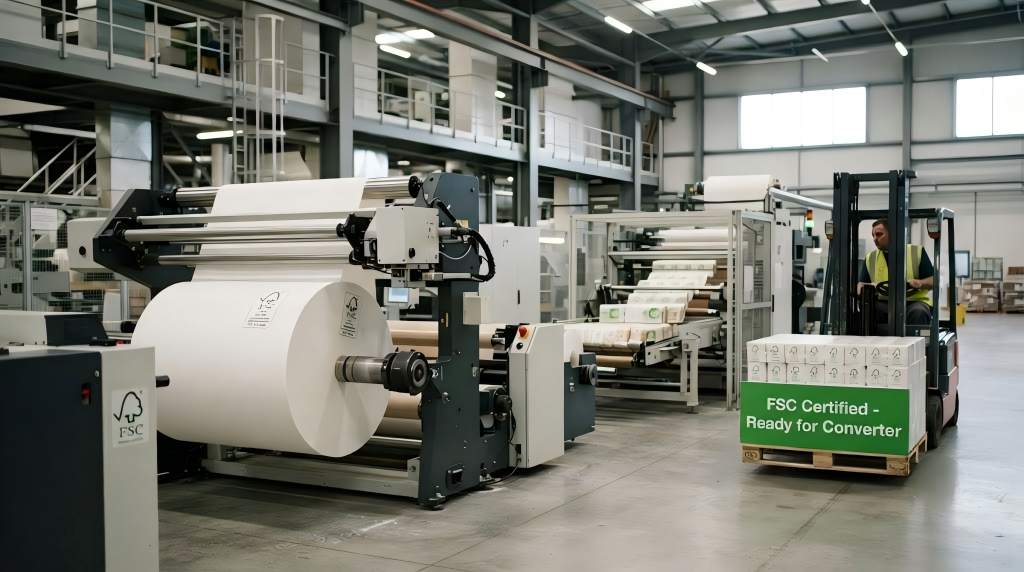
FSC Chain of Custody (CoC) Explained
To fully grasp how bamboo tissue becomes certified, one must understand the FSC Chain of Custody (CoC). CoC is the tracking path that certified material takes from the forest (or bamboo plantation) to the consumer, including every stage of processing, transformation, manufacturing, and distribution.
The FSC Bamboo Tissue Supply Chain Flow
[ FSC Certified Bamboo Forest / Plantation ]
↓
[ Bamboo Pulp Mill ]
↓
[ Paper Mill (Jumbo Rolls) ]
↓
[ Tissue Converter & Packaging ]
↓
[ Finished Tissue Product ]
↓
[ Retail Brand & Distribution ]
Key Mechanics of CoC
- Segregation & Identification: Certified bamboo fibers must be physically separated from uncertified materials throughout production, or strictly managed via controlled blending percentages.
- Record Keeping: Manufacturers must maintain meticulous inventory logs, tracking input weights versus output volumes to prevent fraudulent scaling of certified outputs.
- Invoicing: Every transaction involving FSC-certified bamboo tissue requires explicit reference to the supplier’s FSC certificate code on sales documents and invoices.
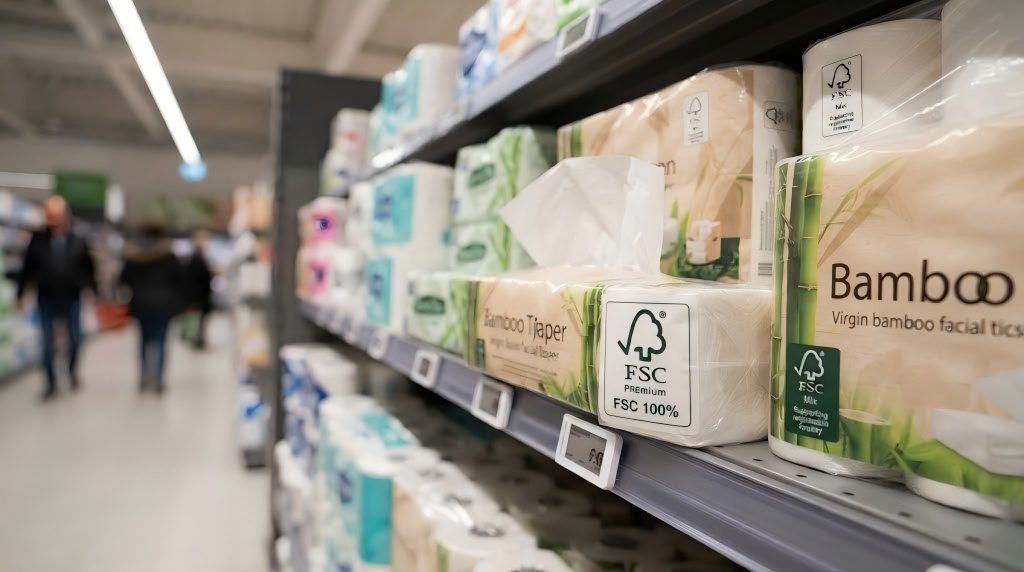
FSC Labels Explained
When sourcing or designing packaging for bamboo tissue, buyers will encounter different types of FSC labels. Selecting the correct label depends on the percentage of certified material and recycled content utilized in the production run.
| FSC Label Type | Meaning and Composition Criteria | Suitability for Bamboo Tissue |
| FSC 100% | All virgin fiber material originates strictly from FSC-certified forests or responsibly managed bamboo sources. | ✅ Best Choice (Ideal for premium, pure virgin bamboo tissue lines). |
| FSC Mix | A balanced blend comprising FSC-certified materials, recycled fibers, and/or controlled wood/bamboo sources. | ✅ Common for Consumer Products (Extremely practical for large-scale commercial manufacturing). |
| FSC Recycled | Made entirely from reclaimed or post-consumer/post-industrial recycled fiber content. | ❌ Usually Not Applicable (Virgin bamboo tissue utilizes fresh bamboo grass fibers rather than recovered paper waste). |
How to Verify an FSC Supplier
Counterfeit or expired environmental claims are a serious risk in international trade. B2B buyers should never just take a look at a visual FSC logo printed on a supplier’s marketing brochure or product packaging.
Step-by-Step Verification Protocol
- Request Credentials: Ask the supplier for their official FSC Certificate Code (typically formatted as FSC-CXXXXXX) and their unique License Code (formatted as FSC® CXXXXXX).
- Check the Official FSC Database: Navigate to the public FSC Certificate Database and input the supplier’s company name or certificate number.
- Verify Scope of Certification: Ensure that the supplier’s certificate scope explicitly covers paper manufacturing, tissue conversion, or trading of paper products, rather than just raw timber logging.
- Confirm Validity Dates: Check the issuance and expiration dates to ensure the certificate is active and has successfully passed its annual surveillance audit.
- Examine CoC Invoices: Confirm that future commercial invoices explicitly state the FSC claim status for the specific batch of bamboo tissue purchased.
Benefits of FSC Bamboo Tissue
Investing in and procuring FSC certified bamboo tissue yields profound advantages across multiple organizational dimensions:
- Environmental Excellence: Protects delicate ecosystems, prevents deforestation, optimizes water usage compared to traditional wood pulping, and protects soil integrity through sustainable harvesting.
- Enhanced Brand Image: Establishes authentic corporate social responsibility (CSR), eliminates greenwashing vulnerabilities, and builds deep brand loyalty among eco-aware consumers.
- Retail Compliance: Seamlessly satisfies stringent vendor guidelines set by global brick-and-mortar retail giants and digital marketplaces.
- Government Procurement Eligibility: Qualifies products for green public procurement (GPP) tenders, municipal contracts, and institutional supply agreements.
- ESG & Carbon Reduction Alignment: Contributes measurable data points toward corporate carbon footprint reduction goals, supporting science-based targets (SBTs).

Common Buyer Mistakes in FSC Sourcing
Procurement teams transitioning into bamboo tissue categories frequently commit avoidable errors that can jeopardize compliance and supply chain integrity:
Mistake 1: Only Checking the Logo on Packaging.
Correction: Relying on a printed logo without verifying the license number in the global database exposes the buyer to fraudulent branding and regulatory fines.
Mistake 2 Ignoring Downstream Converter Certification.
Correction: Verifying only the bamboo farmer or pulp mill is insufficient. The final tissue converting factory that cuts, folds, and packages the rolls must also possess a valid Chain of Custody certificate.
Mistake 3: Overlooking Expiration Dates and Annual Audits.
Correction: FSC certificates require annual surveillance audits. A supplier whose certificate expired last month is legally unauthorized to sell FSC-certified goods today.
Frequently Asked Questions
Is FSC bamboo tissue biodegradable?
Yes. High-quality FSC certified bamboo tissue is made from natural bamboo fibers without synthetic plastic additives, making it fully biodegradable, compostable, and safe for standard septic systems.
Is FSC bamboo tissue plastic-free?
While the tissue itself is 100% plant-based and plastic-free, buyers must also examine the secondary and tertiary packaging (such as individual wrapping films, multi-pack outer plastics, or shipping cartons) to ensure the entire SKU meets plastic-free or recyclable packaging goals.
Can bamboo pulp be FSC certified?
Yes, absolutely. The FSC framework explicitly covers non-timber forest products, allowing bamboo growth, harvesting, chipping, and pulping processes to achieve rigorous certification standards.
What is FSC Mix?
FSC Mix indicates that the product contains a combination of FSC-certified virgin fibers, controlled materials, and/or post-consumer recycled content. It is widely used in commercial tissue manufacturing to balance high environmental standards with scalable supply chain economics.
How do I verify an FSC certification?
You can independently verify any supplier by obtaining their unique FSC certificate code (e.g., FSC-C123456) and entering it into the official public search tool hosted on the official Forest Stewardship Council database website.