
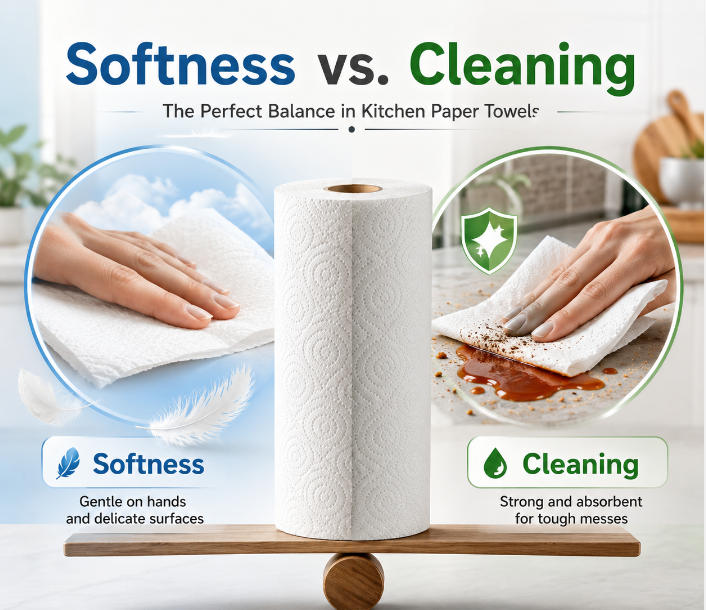
Softness vs. Cleaning Power Balance in Kitchen Paper Towels
Kitchen paper towels are essential for keeping things clean and making life easier, for wiping up spills, drying hands, tackling countertop messes, or absorbing grease from fried foods. However, not all paper towels are made the same, and honestly it matters more than people think. One of the big reasons they perform differently is the balance between softness and cleaning power. Getting that balance right is a tricky task for paper towel manufacturers, because softness and cleaning strength can sometimes end up fighting each other. When you see how those traits trade places, you can pick the right kitchen paper roll for your own routines, and manufacturers can improve the way the product behaves over time.
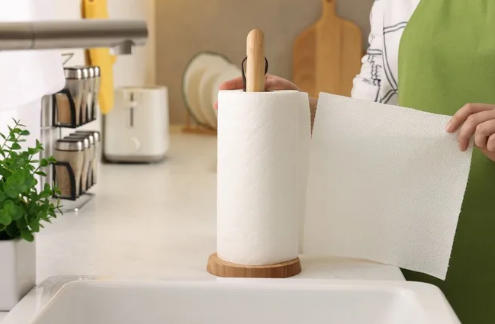
Why Softness Matters in Kitchen Paper Towels
Softness is a key quality point because paper towels often end up in contact with human skin and with more delicate surfaces. A soft paper towel gives a better, gentler feel, especially when you use it repeatedly around kitchens, dining areas, or food prep spaces.
Soft kitchen paper towels are really useful for drying hands and also for tidying up sensitive stuff, like glassware, polished countertop tops, stainless steel machines, and non-stick pots and pans. If the towels are rough or stiff, they can end up scratching delicate surfaces, and honestly they can feel unpleasant while you use them. In homes with children or elderly people, softer towels may also help reduce skin irritation from repeated wiping, even when hands get cleaned often.
How soft a paper towel feels depends on a few things, including what kind of fiber is picked, the paper density, the embossing design, plus the way it is produced. Virgin wood pulp fibers often make a softer towel than recycled fibers, because they tend to be smoother and more flexible. Newer tissue-making processes can increase softness too, by creating more bulk and a lighter, airy feel, without losing too much structure.
Consumers often tie softness to premium quality, which is why many top-tier kitchen paper towel brands push plush textures and that cloth-like comfort feel into their product designs, even if it seems a bit extra sometimes.
The Importance of Cleaning Performance in Kitchen Paper Towels
While softness enhances comfort, cleaning effectiveness remains the primary purpose of kitchen paper towels. Softness can feel pleasant, but if the towel rips too easily, or cannot pull in spills, most people will not be happy when they actually use it.
Cleaning performance usually comes down to a few core traits. absorbency matters, then wet strength, durability too, and also scrubbing ability. Kitchen paper towels have to manage liquids like water, oil, sauces, and various cleaning solutions without breaking apart. And they must keep their integrity long enough to scrub off stubborn stains, heavy grease, or stuck-on food residue from different surfaces.
Absorbency is particularly important in kitchen paper towels, because spills happen a lot more often than people think. Towels with high absorbency can soak up liquids quickly, so less material is needed and waste goes down. Manufacturers, for the most part, boost absorbency via fiber engineering, layering strategies, and embossing patterns that form small pockets for liquid capture, in a practical way.
Wet strength is also a big deal. When paper towels get wet, weaker fibers can start to separate and fall apart with use. So, producers frequently add strengthening agents or choose special fiber blends that help the towel keep its structural coherence while it’s in use.
For heavier cleaning jobs, some paper towels come with a textured surface that increases friction, and improves the scrub response. Still, raising both texture and strength can sometimes lessen softness, so you have to keep a careful equilibrium between these two traits, rather than pushing only one.
Challenges in Balancing Softness and Cleaning Power for Kitchen Paper Towels
| Challenge | How It Affects Softness and Cleaning Balance | Resulting Issue |
| Soft vs. Strong Fibers | Softer fibers improve comfort, while stronger fibers improve durability and scrubbing ability. | Excessive softness may reduce tear resistance during cleaning tasks. |
| Absorbency vs. Surface Smoothness | Highly absorbent structures often require more texture or bulk. | Increasing absorbency in kitchen towels can sometimes reduce the silky feel of the towel. |
| Wet Strength Requirements | Chemical binders improve wet durability but may stiffen the paper texture. | Stronger towels can feel rougher or less flexible. |
| Embossing Design Trade-Offs | Deep embossing improves liquid retention and cleaning efficiency. | Aggressive embossing patterns may decrease softness and comfort. |
| Multi-Ply Construction Complexity | Additional plies enhance absorbency and strength. | More layers can increase stiffness or production costs. |
| Use of Recycled Fibers | Recycled fibers support sustainability goals. | Recycled materials may feel coarser and less soft compared to virgin pulp fibers. |
| Thickness vs. Flexibility | Thicker towels hold more liquid and handle heavy cleaning better. | Increased thickness may reduce flexibility and soft touch. |
| Cost Control | Premium soft fibers and advanced technologies increase manufacturing expenses. | Balancing affordability with performance becomes difficult for manufacturers. |
| Grease Cleaning Performance | Stronger and more textured towels clean grease more effectively. | Rougher surfaces may compromise skin comfort and delicate-surface cleaning. |
| Environmental Sustainability | Eco-friendly production often limits chemical softeners or virgin fiber use. | Sustainable towels may struggle to achieve both premium softness and high cleaning strength. |
| Consumer Preference Variations | Some users prioritize softness, while others value durability and absorbency. | Manufacturers must design products that satisfy diverse market expectations. |
| Production Process Optimization | Manufacturing settings affect fiber bonding, texture, and absorbency simultaneously. | Improving one property may unintentionally weaken another performance characteristic. |
Technological Innovations in Balancing Softness and Cleaning Power for Kitchen Paper Towels
Technological innovations in materials science, fiber engineering, manufacturing processes, and product design makes the kitchen paper towels capable of combining luxurious softness with impressive absorbency and cleaning efficiency.
1. Advanced Fiber Engineering
Balancing softness along with cleaning performance depends, mostly on fiber engineering. Today’s manufacturers carefully choose and mix fibers, they want outcomes that feel right. Longer virgin wood fibers help create flexibility and that cushioned touch, so towels feel gentle on skin and also on delicate surfaces. At the same time, longer and sturdier fibers bring the structural backbone needed for scrubbing, wiping, and absorbing spills without tearing. When the ratio of fiber types is tuned well, modern paper towels manage to feel soft while still performing with real cleaning power.
Alternative fibers, including bamboo or fast-growing plant sources, are now added to stand alongside traditional wood pulp. These fibers tend to deliver a pleasing softness while still keeping enough strength. Using them supports sustainability initiatives, because it reduces reliance on virgin forest resources, that part matters.
2. Multi-Layer and Composite Construction
Innovations in multi-ply construction for paper towels have really boosted the way paper towels manage to stay soft yet still clean well . You now see towels made with layered structures more and more, where each layer is set up for a specific job. The outer parts aim for a cozy, smooth surface so it feels pleasant to hold, while the middle sections are tuned for absorbency and wet strength, handling liquids without falling apart.
With this kind of layout, makers can blend the best traits from different materials into one product. Bonding methods have gotten better too, so the layers stay joined firmly, without reducing flexibility. Because of that, multi-ply towels feel plush and comfortable, but they still bring the durability needed for tough messes
3. Embossing and Surface Texture Innovations
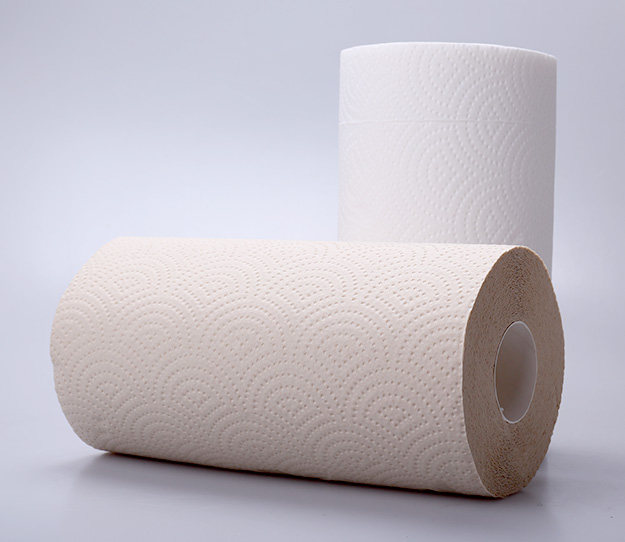
Embossing techniques in paper towels have changed from basic patterns into more engineered textures that improve both softness and cleaning efficiency, like it happens more deliberately now. Modern embossing forms tiny micro-structures and small air pockets that add bulk and cushioning, and that helps with tactile comfort. At the same time, the textures are designed to raise friction and improve liquid retention, so spills, grease, and food residues get handled more effectively during cleanup.
With digital embossing technologies, manufacturers can control depth, spacing, and pattern consistency much more precisely, which lets the product balance softness together with scrubbing power. Because of that, these newer towels work well without feeling stiff, or rough in the hand.
4. Through-Air Drying (TAD) Technology
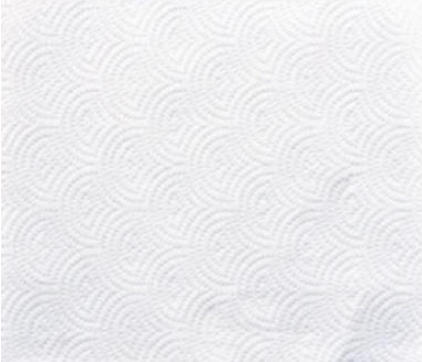
Through-air drying tech has changed kitchen paper towel making in a big way, giving thicker fluffier stuff with better softness, and higher absorbency . Unlike older pressing styles, TAD is more like it dries the paper web with warmed air, and somehow keeps the fibers in a more open arrangement, plus more loft. So the finished towels can take in more liquid, they stay in form while you use them, and they feel clearly soft when your hand touches them.
TAD works especially well for premium kitchen paper towels, and helps makers deliver high performance items that match what people want, both comfort and cleaning efficiency. Even if it costs more in production, TAD has turned into a major differentiator in this tough, competitive market.
5. Chemical Treatments and Wet Strength Upgrades
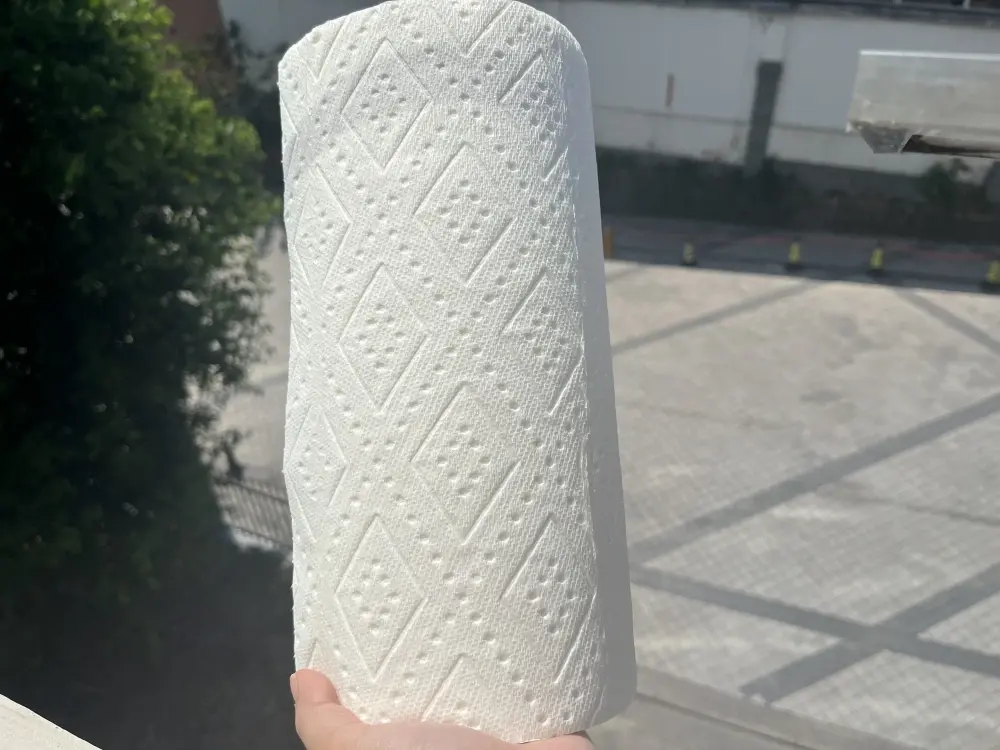
Chemical progress matters a lot for keeping that balance between gentleness and real cleaning power, because if it gets too soft the results can wobble. New softening agents add tactile comfort, while they do not overdo the trade off with structural sturdiness, and that is important in practical use. Wet strength resins help a lot especially when the towel is fully soaked, so the fabric keeps its integrity during rubbing, scouring, and when it is doing heavy liquid absorption.
The real challenge is to set up chemical treatments that raise performance but they also should not mess with food safety rules, or environmental sustainability targets. Current developments in biodegradable additives and greener formulations are making it possible for manufacturers to boost wet strength along with softness at the same time, and also to reduce the overall environmental footprint.
6. Nanotechnology and Functional Material Integration
New nanotechnology uses are starting to push kitchen paper towels into a more noticeable performance zone. Treatments at the nano-scale for the fiber surface, plus thin coatings, can boost absorbency, improve grease resistance, and also reinforce structural durability. The benefit is that the towel does not have to feel stiff, even with those upgrades. Basically these materials form capillary networks that pull liquid in faster and keep the hand feel soft and light.
A few newer towels add functional layers with antimicrobial behavior, which helps hygiene in everyday use while still keeping a pleasant touch. Even though this area is still developing, it feels like a good path toward top-tier performance overall.
7. Sustainability and Eco-Friendly Manufacturing
Sustainability considerations are increasingly steering technological innovation in paper towels, I mean in a real practical way. Manufacturers are weaving recycled fibers into the mix, using bamboo materials, and choosing low-impact production processes to chase environmental goals without giving up performance. Newer processing methods help keep recycled fibers feeling softer, which were often a bit coarser before, while still holding enough strength so cleaning stays effective.
So when you put together these more responsible materials with cutting-edge manufacturing, modern paper towels can reach demanding levels of softness, absorbency, and cleaning efficiency even as they lower environmental impact.
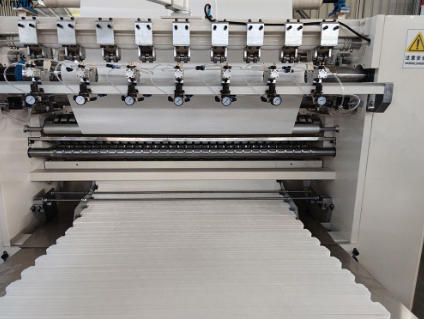
8. Automation and Quality Control Technologies
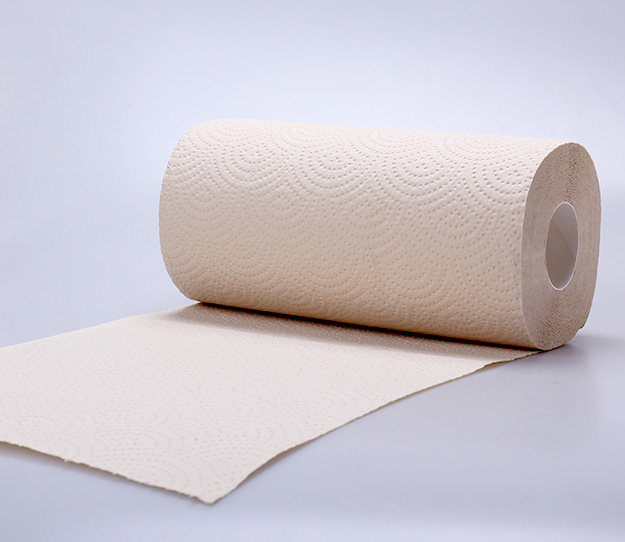
Automation together with real time quality monitoring are really critical for turning out consistent, high performance kitchen paper towels, because the process can drift. Sensors, machine learning, and digital control systems help manufacturers fine tune fiber distribution, embossing patterns, ply adhesion, and the moisture level. With this setup, the softness feeling and cleaning results stay consistent across the production lots, even when conditions shift a little.
On top of that, more advanced automation makes quick innovation cycles possible, so manufacturers can test new fiber mixes, surface textures, and chemical treatments while still keeping precise control on the finished quality. It is kind of a loop, try, check, adjust, repeat, without losing the standard.
Key Considerations for Choosing the Right Kitchen Paper Towels: Balancing Softness and Cleaning Strength
| Consideration | Importance for Softness | Importance for Cleaning Power | Selection Tip |
| Fiber Type | Virgin fibers provide a softer and smoother feel. | Strong fibers improve durability and scrubbing ability. | Choose blended fibers for balanced comfort and strength. |
| Ply Count | Multi-ply towels feel thicker and softer. | Additional plies improve absorbency and wet strength. | 2-ply or 3-ply paper towels are suitable for most kitchen tasks. |
| Absorbency | Highly absorbent towels often feel more cushioned. | Quickly absorbs spills, oil, and liquids efficiently. | Select towels with fast absorption for heavy kitchen use. |
| Wet Strength | Excessive strengthening may reduce softness. | Prevents tearing during wet cleaning and scrubbing. | Look for towels labeled with strong wet durability. |
| Embossing Texture | Soft embossing patterns improve tactile comfort. | Textured surfaces enhance wiping and grease removal. | Moderate embossing offers both softness and cleaning efficiency. |
| Thickness and Bulk | Bulkier towels generally feel softer and more premium. | Thicker towels hold more liquid and handle tougher cleaning tasks. | Balance thickness with flexibility for versatile performance. |
| Surface Smoothness | Smooth surfaces are gentler on skin and delicate kitchenware. | Slight texture improves friction for effective cleaning. | Choose towels with soft-touch textured surfaces. |
| Material Sustainability | Eco-friendly fibers may vary in softness depending on processing methods. | Sustainable materials can still provide strong cleaning performance. | Look for sustainable products such as bamboo kitchen towels, recycled paper towels, with advanced processing. |
| Chemical Additives | Softening agents improve comfort and flexibility. | Strengthening agents enhance durability and liquid resistance. | Ensure additives are food-safe and skin-friendly. |
| Intended Application | Softer towels are ideal for hand drying and delicate surfaces. | Stronger towels are better for grease, spills, and heavy-duty cleaning. | Match towel type to the primary kitchen cleaning task. |
| Cost vs. Performance | Premium soft towels often cost more. | High-performance cleaning towels may also have higher pricing. | Evaluate long-term efficiency rather than only initial price. |
| Brand and Manufacturing Quality | Advanced production technologies improve consistency and softness. | High-quality manufacturing ensures reliable absorbency and durability. | Trusted brands often offer better balance between softness and cleaning ability. |
Summary
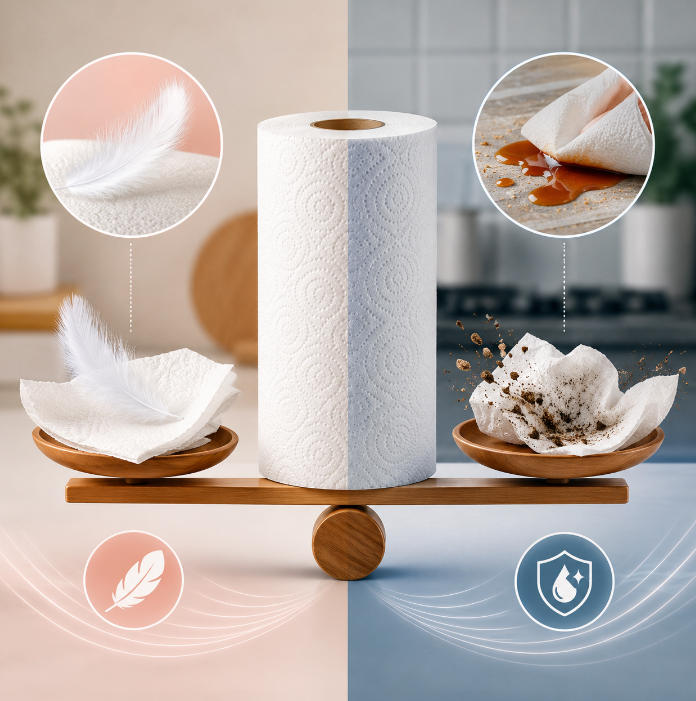
- For light household cleaning and hand drying, softer and more absorbent paper towels may provide the best experience.
- For demanding cleaning tasks involving grease, oil, or heavy spills, stronger kitchen paper towels with higher wet durability may be more suitable.
- In many cases, keeping multiple types of kitchen paper towels for different tasks can provide better efficiency and cost savings.
- Commercial kitchens, laboratories, and industrial environments often prioritize kitchen paper with durability and high absorbency because frequent cleaning requires products that withstand heavy use.
- Residential users may more need kitchen towels with comfort and softness for everyday convenience.
Final Thoughts
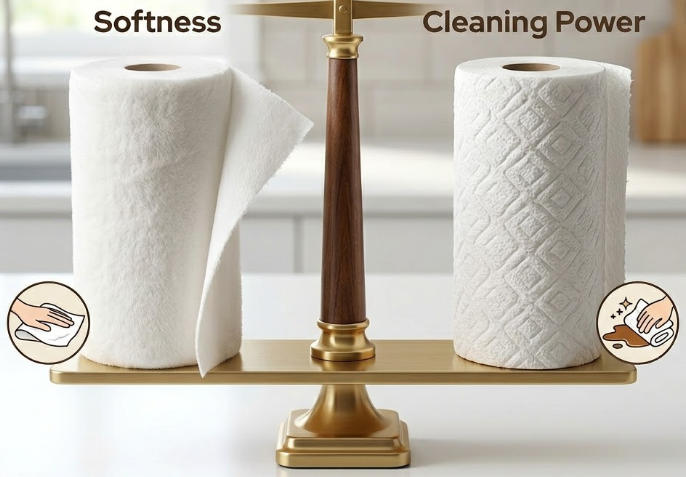
The balance between softness and cleaning power is, in most cases, one of the most important considerations in kitchen paper towel design. Softness boosts comfort, helps protect delicate surfaces, and raises user satisfaction, while cleaning power makes sure absorbency holds up and durability stays strong, and it supports better spill management.
Because these qualities can push against each other sometimes, manufacturers use newer materials, layered structures, embossing tech, and fiber engineering to land on the best possible compromise. The ideal kitchen paper towel really depends on the person using it, whether they need gentle everyday use or more demanding cleaning jobs.