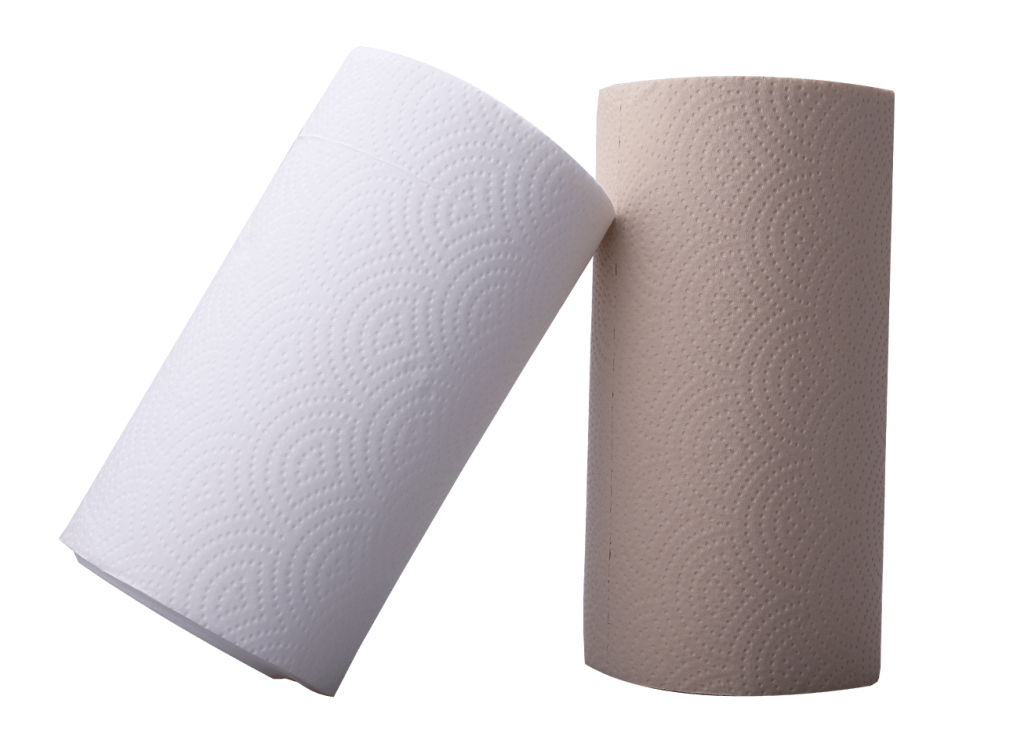
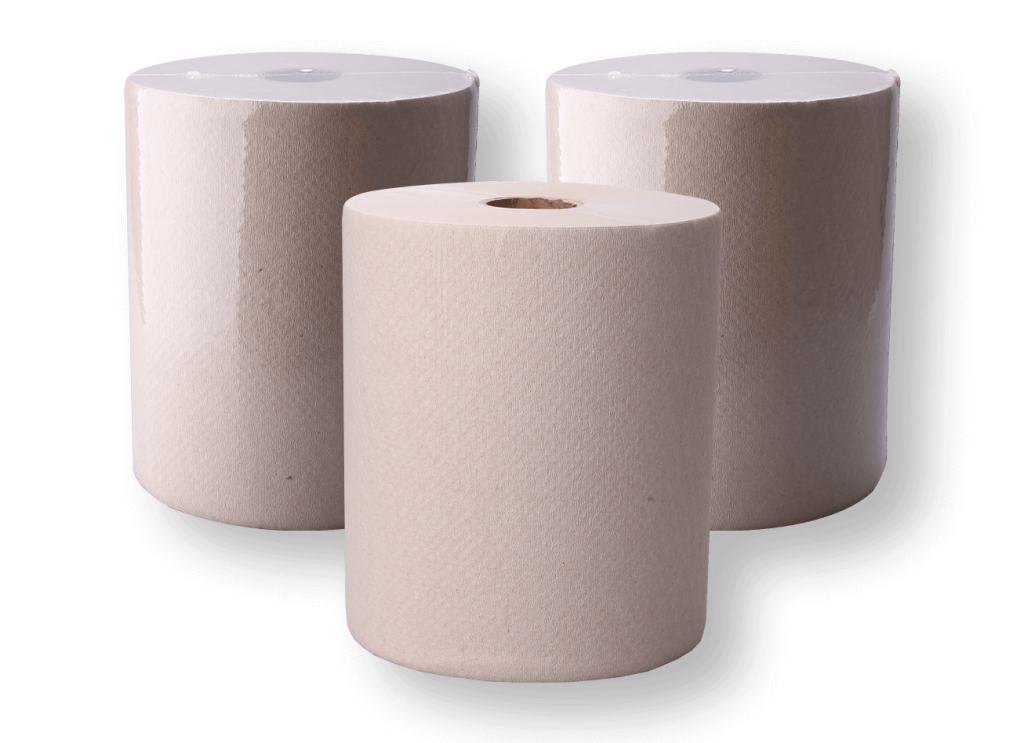
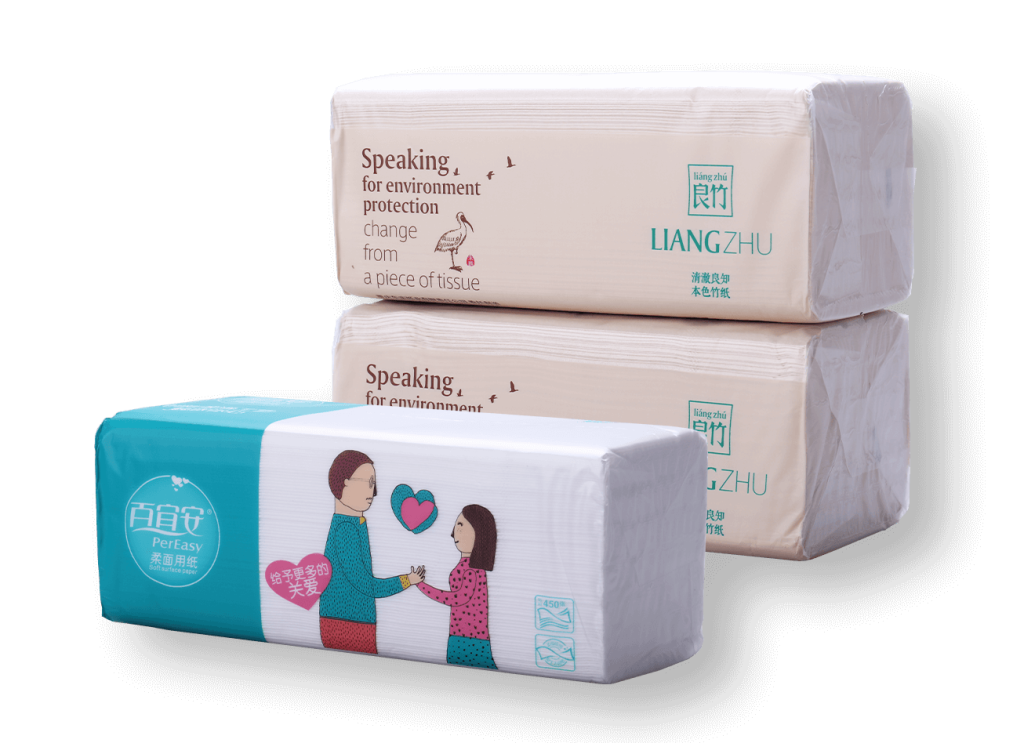
Why Bamboo Kitchen Paper Absorbency Outperforms Traditional Wood Pulp
As compared to wood pulp papers that are made from softwood or hardwood sources, the fluid absorption qualities of bamboo kitchen papers prove to be much better under laboratory test conditions. This distinction becomes important when considering high-use situations like commercial kitchens, food manufacturing units, and industrial cleaning operations.
It has been observed that the absorbency properties of paper are determined by the morphology, fiber bonding properties, and overall structure of the paper sheets. In all these aspects, bamboo cellulose possesses an optimal value, which improves absorbency rates and the capacity of the paper sheets.
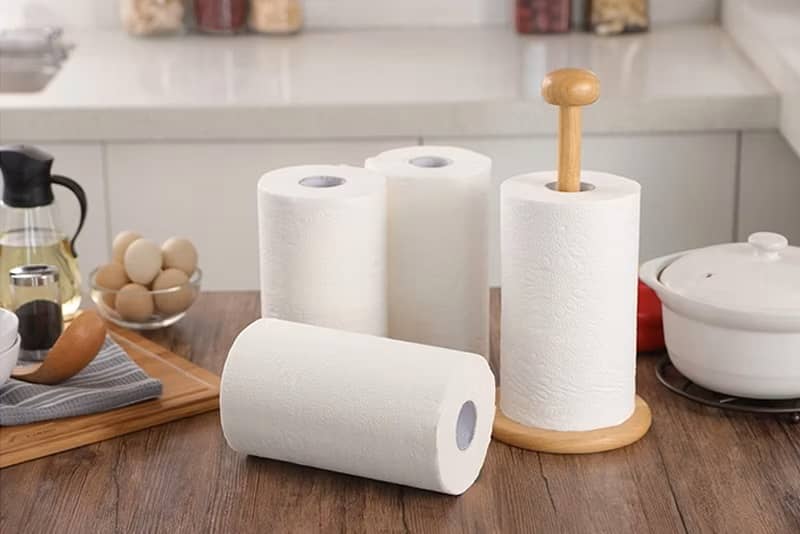
The Microscopic Anatomy of Bamboo Fiber
1. Fiber Morphology and Lumen Structure
Microscopically, the properties of bamboo fibers are very different from those of regular wood pulp fibers. The bamboo fiber, which is extracted from plants belonging to the Bambusoideae subfamily, possesses a greater lumen area compared to other fibers. The lumen is basically the empty core inside the fiber.
The lumen provides the natural ability to retain fluids. The fibers obtained from coniferous trees like pines and eucalyptus have relatively smaller lumens and denser cell walls. The greater lumen area in the case of bamboo fiber improves the process of capillarity. Upon contacting the surface of the paper, the fluid quickly moves towards the fiber network via capillary pathways.
2. Capillary Action and Liquid Transport
Capillary action in bamboo kitchen paper is driven by the combination of lumen size and fiber alignment. The interconnected network of fibers forms multiple pathways for liquid transport. These pathways allow vertical and lateral wicking, distributing moisture evenly across the sheet.
The resulting effect prevents local saturation and allows for continued functioning even when partially saturated. This is reflected in practice by requiring fewer pieces of paper to produce the same cleansing effect.
3. Surface Chemistry and Hydrogen Bonding
Bamboo fibers consist of a large amount of cellulose, and this cellulose fiber comprises many -OH groups. In the course of paper manufacturing, hydrogen bonds are formed between the -OH groups. The formation of hydrogen bonds is very important because it allows sheets to retain their integrity.
A denser hydrogen bond network within bamboo sheets gives greater wet strength. Even if completely saturated with water, bamboo kitchen paper cannot be torn apart or have fibers separated. This is especially important in tasks where rubbing is involved.
Comparative Performance Analysis: Bamboo Kitchen Roll vs. Virgin Wood Pulp
The performance analysis of bamboo kitchen roll compared to conventional virgin wood pulp paper shows some distinctions in certain aspects.
1. Absorbency Rate and Saturation Capacity
Laboratory testing indicates that bamboo-based sheets absorb liquid more quickly than traditional wood pulp products. The absorbency rate is influenced by fiber porosity and capillary efficiency.
| Metric | Bamboo Kitchen Paper | Virgin Wood Pulp Paper | Performance Difference |
| Absorbency Rate | 0.8 seconds | 1.2 seconds | 33% faster |
| Wet Strength | High | Moderate | Higher durability |
| Linting/Dusting | Minimal | Moderate | Cleaner performance |
Due to its higher absorption efficiency, bamboo tissue makes doing the work of cleaning faster. This means that in a business environment, chances of cleaning will be carried out more efficiently.
2. Wet Strength and Structural Integrity
The ability of the paper to bear the application of water without coming apart is part of its performance. The fibers in bamboo, which have a length of 2.0–3.0 mm on average, provide a fiber web with a higher strength compared to paper pulps made from wood with shorter fibers.
Since the fibers are longer in length, the load can be spread more evenly over the sample, thereby making it less likely to occur in bamboo kitchen roll tissue during utilization, even in wet conditions.
3. Linting and Surface Cleanliness
Linting refers to the release of small fiber fragments during use. Excessive linting can contaminate surfaces, particularly in food preparation or industrial environments.
Bamboo fibers exhibit lower linting due to more intense inter-fiber bonding and less fiber breakdown. This makes bamboo kitchen rolls can be used in places where severe cleanliness is of major importance.
Technical Specifications for B2B Procurement
In the case of procurement teams looking at bamboo kitchen paper, it would be necessary to confirm the performance by means of standardized testing techniques.
1. Water Absorption Time & Capacity Test (ISO 12625-8)
ISO 12625-8 is the international standard for the water absorption rate measurement test. It ensures consistency in the comparison of different types of paper materials.
Generally, bamboo fiber-based products have better performance in terms of lower water absorption rate and higher total water absorption. It is necessary to ask for the testing report, including induction time and total water absorption results.
2. Basis Weight and Bulk
Basis weight implies the mass of paper per surface unit, whereas bulk is the ratio of the paper’s thickness and weight. The presence of a stiff cell wall structure is a characteristic feature of bamboo fiber products.
With the help of higher bulk, paper acquires more air pockets that are responsible for liquid retention. Therefore, bamboo kitchen paper can contain more liquid.
3. Dispersion and Degradation Characteristics
While synthetically made cleaning agents are not eco-friendly, bamboo fibers decompose and disperse in water bodies with control. This characteristic is significant when considering possible plumbing clogs in businesses.
The paper made using bamboo remains strong enough when wet; however, after its disposal, it decomposes effectively. This feature is critical to consider in the food services and hospitality industries.
Through the examination of bamboo fiber characteristics, especially length, surface area, and cellulose content, one can be assured that this fiber possesses a superior quality compared to conventional wood pulp. The incorporation of bamboo fibers in the making of kitchen paper offers an effective alternative in terms of fluid absorption capabilities. In addition, the technical specifications of the fibers can enable the selection of the most appropriate paper product without considering any marketing aspects.
FAQ
Q1: Does bamboo kitchen paper break down faster than wood paper?
A1: While bamboo fiber is stronger and more absorbent, its natural composition allows it to break down effectively in waste systems, often faster than highly processed wood pulps.
Q2: Is bamboo kitchen roll suitable for heavy-duty cleaning?
A2: Yes, due to higher wet strength and better tensile properties, bamboo kitchen paper is highly effective for heavy-duty kitchen tasks, including grease absorption.
Q3: How does the absorbency of bamboo paper compare to standard paper towels?
A3: Bamboo fibers have a unique micro-porous structure that enables faster wicking and higher liquid retention, often outperforming standard wood-based towels in absorbency rate tests.