Why Does the Color of Bamboo Toilet Paper Vary?
As a chemical engineer who has spent over a decade on the factory floor managing pulping lines and refining giant jumbo rolls, I face a lot of questions from eco-conscious consumers. By far, the most common inquiry I get during facility tours or in my inbox is this: “Hey Chief, why is the color of this batch of bamboo toilet paper so different from the last one? And why are some brands bone-white while others look like dark cardboard?”
It is a fantastic question. The short answer—the one we talk about at our morning production briefings—is that the color of bamboo toilet paper is not determined by the species of the bamboo itself, but by the precise cooking depth and the chemical bleaching technology utilized in the paper mill.
The color variance in bamboo toilet paper is fundamentally an indicator of how much lignin remains in the final product. Let’s pull back the curtain on the manufacturing floor and look at the exact mechanics of why this happens.
The Core Reasons: Lignin Residuals and the Three Shades of Bamboo Toilet Paper
For us to understand colors, we must first look at lignin. This is the glue-like or polymer substance that binds the cell walls of plants, making the bamboo stems very stiff. Lignin, when left alone in nature without any manipulation, appears dark brown.
In the process of harvesting bamboo and grinding it up to make pulp, the pulp becomes highly loaded with this brownish polymer. It all boils down to how much of this lignin you choose to retain or remove in the mill to determine the color of your toilet paper.
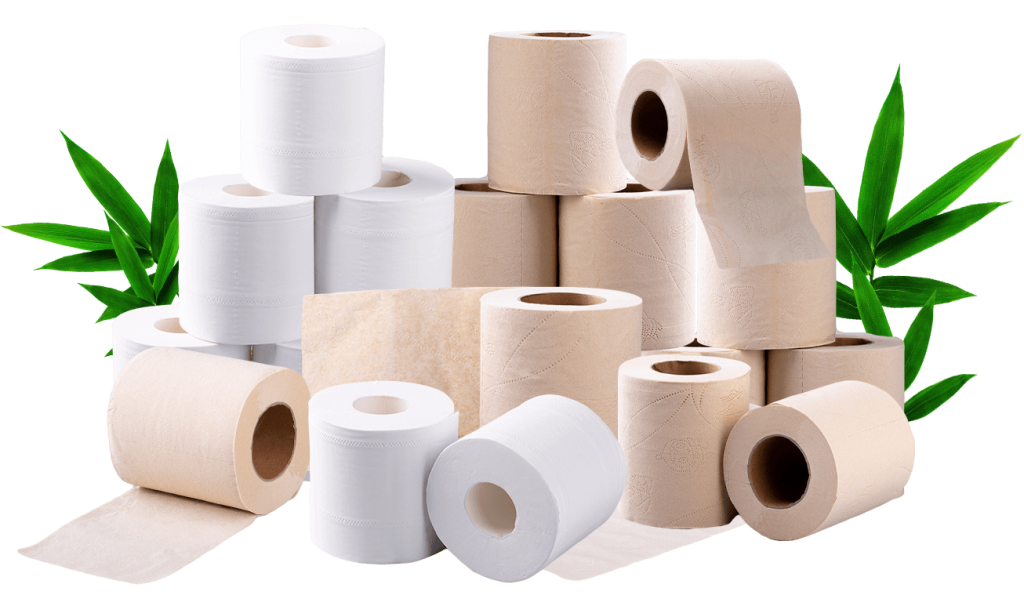
In modern tissue manufacturing, we categorize the output into three distinct color profiles based on our processing setups:
1. Unbleached Natural Brown (The “Raw” Eco-Look)
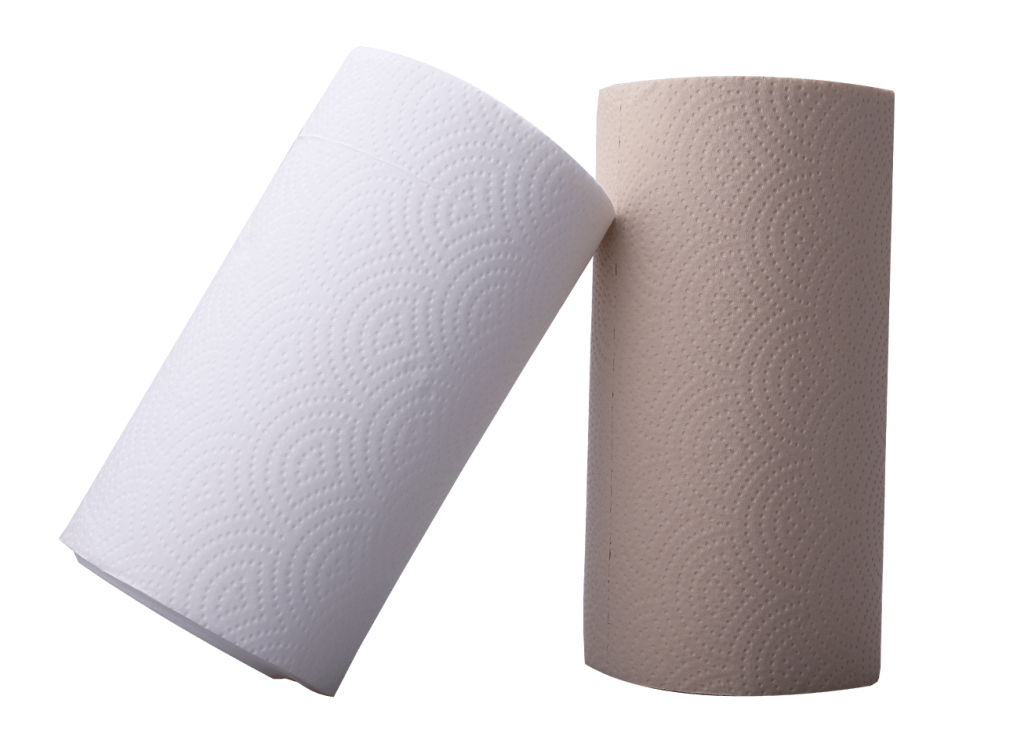
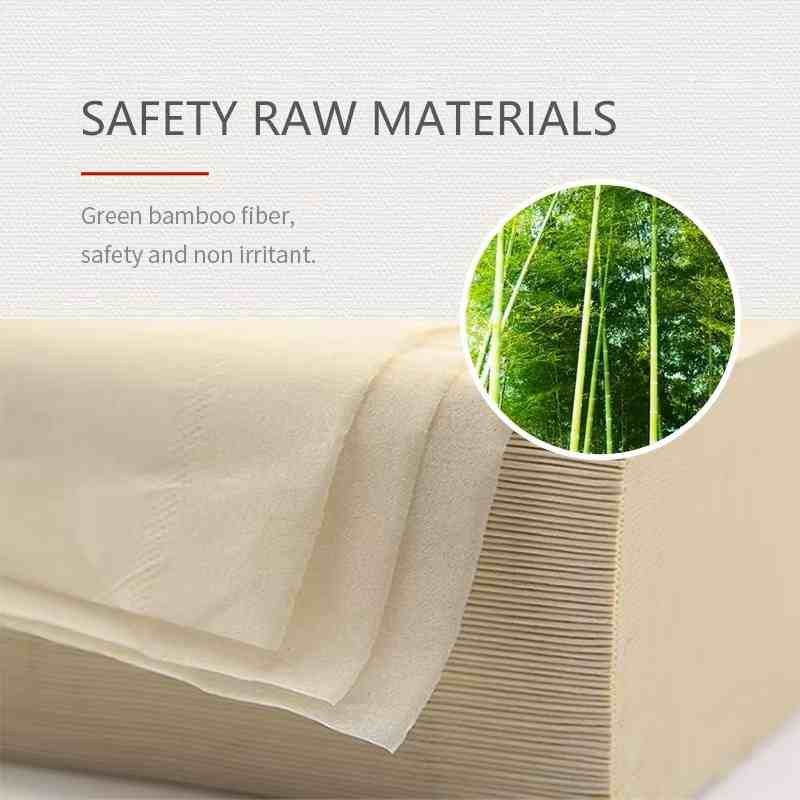
If you have ever used toilet paper made from bamboo that resembles brown grocery bags or Kraft paper, then you have seen what non-bleaching output is all about. This is because in our non-bleaching process, after cooking the bamboo chips to pulp, we skip the bleaching towers altogether.
We thoroughly wash the pulp to remove processing chemicals, but we leave the natural lignin completely intact. The benefit? Zero bleaching agents are introduced, making it a favorite for the hardcore eco-crowd. The trade-off? Lignin makes the paper fibers stiffer, meaning raw brown rolls are generally less plush than their lighter counterparts.
2. Semi-Bleached / Light Beige (The “Oatmeal” Blend)
Many users want an eco-friendly product but find unbleached brown rolls a bit too rough for their sensitive skin. To solve this, we run a “semi-bleached” or light oxygen-delignification process.
We don’t use heavy chemicals, but rather a gentle bath of hydrogen peroxide (H2O2) or ozone to treat the raw pulp. This process attacks some 40-60% of the darker lignin. It softens the physical structure of the fibers dramatically while leaving a warm, creamy, off-white or light beige tint. It’s the perfect middle ground for the modern premium market.
3. Fully Bleached White (The Classic Look)
Yes, bamboo paper can be blinding white. For this purpose, the pulp is subjected to sophisticated multi-stage bleaching sequences designed to destroy the light-absorbing chromophores in the residual lignin.
The factories used elemental chlorine, which was bad news for the environment. Today, any good mill uses ECF (Elemental Chlorine Free) or TCF (Totally Chlorine Free) systems. When the pulp reaches the drying cylinders, it is chemically stripped of every trace of brown tint. The result is a pure white sheet that can compete with the best virgin tree wood pulp in brightness and velvety softness.
Why Do Unbleached Bamboo Rolls Have Batch-to-Batch Color Shifts?
Here’s a frustration I’ve heard from insiders: Sometimes a customer will call and complain that the unbleached bamboo toilet paper they bought this month is a shade or two darker or lighter than the batch they bought last month. They think we changed the recipe.
The truth is, when you don’t bleach paper, you are at the mercy of nature and our daily digestor settings. Here are three variables we juggle every day on the factory floor that cause natural color shifts:
1. The “Fire” and Alkaline Depth of Pulp Cooking
Before bamboo becomes paper, the raw chips are fed into massive, high-pressure vessels called digestors. We cook them using a chemical cocktail of sodium hydroxide (NaOH) and sodium sulfide—what we call the Kraft cooking process.
If my team runs the digestor just 5℃ hotter or leaves the chips cooking for 10 minutes longer, we dissolve significantly more organic matter and lignin. The result? The raw pulp comes out noticeably lighter or more yellow. If we under-cook slightly to preserve maximum fiber yield, the paper retains more dark lignin and looks distinctly deep brown.
2. Bamboo Age and Harvest Moisture
We can’t control what happens in the bamboo forests before the trucks arrive at our gates.
- 1-Year-Old Moso Bamboo: The stalks are tender, containing less dense lignification and fewer minerals. Processing this young material yields a lighter, more golden-yellow unbleached sheet.
- 3-to-5-Year-Old Mature Bamboo: The cell walls are thick and packed with highly concentrated lignin. When we process older poles, the natural shade of the raw paper automatically shifts toward a deeper, earthy tea-brown.
3. The “Apple Oxidation” Effect (Alkaline Carryover)
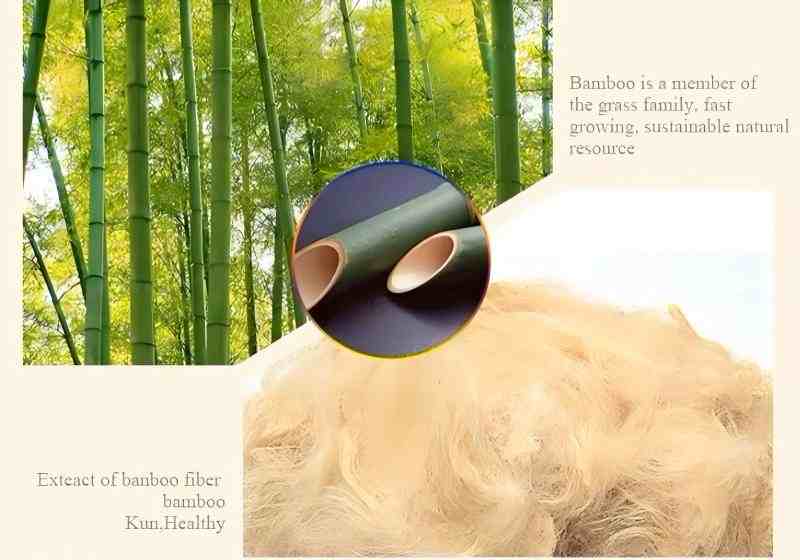
Bamboo has high levels of natural polyphenols and bamboo quinone. If there is even a microscopic change in water pressure at our washing plant, there may be traces of the alkaline cooking liquor that are too small to be seen but which are still bound to the fiber matrix. This causes the alkaline residue to react with oxygen in the air during storage, and the rolls gradually darken over time, much like an apple browns after you take a bite.
Factory Truths: Is Your “Natural” Paper Actually Natural?
Let’s talk frankly about some marketing myths vs. factory realities. As an engineer, I look at data, not ad copy.
The Illusion of “Standardized” Brown
The natural batch-to-batch color variances I mentioned above are difficult for some mills to handle, given the consumer desire for visual consistency. Some manufacturers do this by adding tiny quantities of food-grade organic dyes or mineral pigments at the wet-end of the paper machine. They do this to “standardize” the shade so every roll looks like an identical hue of “bamboo yellow.” While it’s safe, it’s an artificial adjustment to make unbleached paper look more “uniformly natural.”
The Myth of Bleached Tissue and Fluorescent Agents
On the other hand, people assume that all bright white bamboo toilet paper is poisonous. That is a stereotype of another era. The high-end white bamboo paper is colored safely with TCF (ozone and hydrogen peroxide) or ECF (chlorine dioxide). We do not add optical brightening agents (OBAs) or fluorescent whitening chemicals to premium facial or toilet tissues. The white color is simply the pure, naked shade of completely purified cellulose fibers.
The Guide to Evaluating Bamboo Toilet Paper
To make it easy for your next purchase or inventory sourcing decision, I’ve mapped out how these processing colors map directly to performance and sustainability metrics:
| Paper Category | Visual Shade | Pulp Processing Method | Fiber Texture & Tensile Strength | Best Suited For |
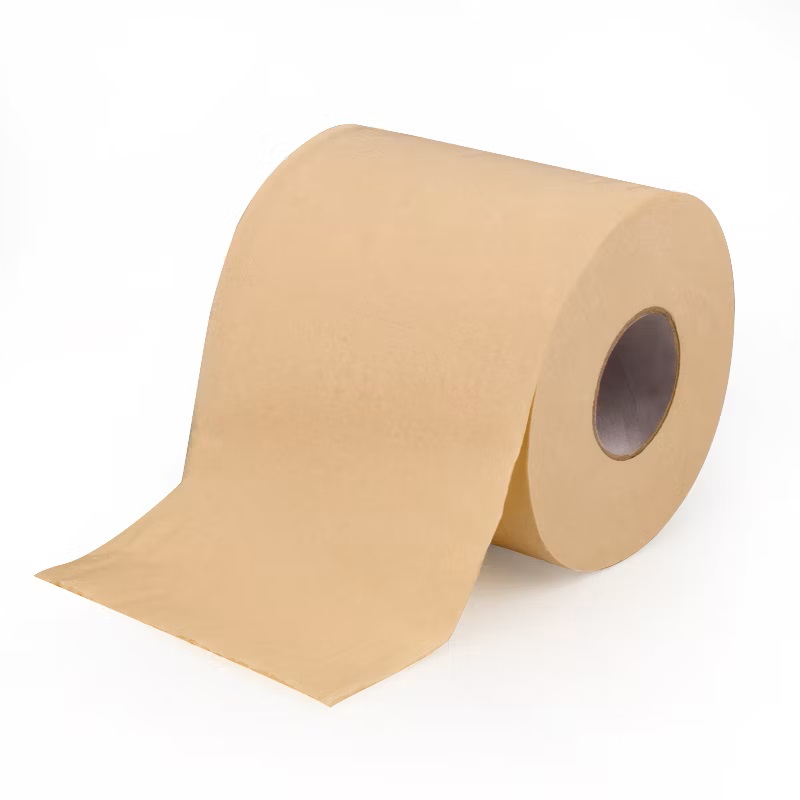
| Deep Raw Brown | Dark Earthy Tan / Kraft Color | 100% Unbleached; high natural lignin retention. | Coarser texture, very high tensile strength, less prone to tearing when wet. | Zero-chemical purists; septic systems requiring rapid breakdown. |
| Semi-Bleached | Soft Oatmeal / Pale Ivory Cream | Oxygen delignification + mild H2O2 wash. | Noticeably softer than raw brown, low structural rigidity, gentle on skin. | Eco-conscious households wanting a balance of comfort and natural aesthetics. |
| Fully Bleached White | Classic Snow White | Advanced ECF or TCF multi-stage whitening bleaching towers. | Maximum plushness, high bulk density, ultra-absorbent, velvet feel. | Consumers transitioning from traditional tree-wood paper who refuse to sacrifice softness. |
Frequently Asked Questions (FAQ)
Q1: Is darker brown bamboo toilet paper safer for sensitive skin?
A1: Yes, but it usually guarantees that no bleaching chemicals or chlorinated byproducts were used in the production. However, unbleached paper contains more rigid lignin and so has a rougher surface texture. A high-quality semi-bleached (cream colored) or TCF white roll might indeed be more comfortable if your skin is easily irritated by friction. They are totally safe.
Q2: Does the bleaching process destroy the environmental benefits of bamboo?
A2: Not if the mill uses modern protocols. The environmental footprint is incredibly low if the brand certifies its white bamboo toilet paper as TCF (Totally Chlorine Free). The sub-processes break down into oxygen and water. Avoid any brands that don’t disclose their bleaching methods, as older, non-compliant factories in unregulated areas can still cause chemical runoff. Look for reputable third-party certifications, such as the Forest Stewardship Council (FSC).