
Regional Differences and Trends in Toilet Paper
Toilet paper is one of the most widely used personal hygiene products worldwide. Its use, quality, and overall design vary significantly across different regions. People make choices based on cultural habits, economic factors and how much they care about environmental impact, plus what kind of bathroom setup they have. When you zoom in on these regional differences in toilet paper, it can show patterns in consumer behavior, manufacturing trends and the global market dynamics.
Key Differences in Toilet Paper by Regions
1. North America: Comfort and Convenience
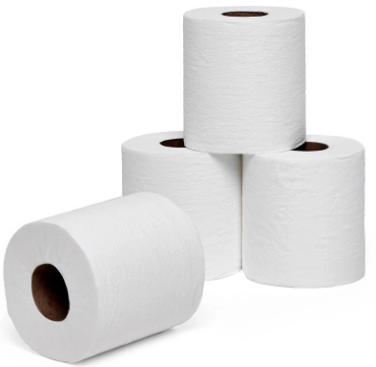
In North America, the toilet paper market is usually shaped by comfort goals, big purchases, and steady brand loyalty. Shoppers often want thicker, multi ply sheets, that feel soft and absorb quickly, which makes 2 ply and 3 ply choices pretty common. Large mega-rolls and family packs keep showing up, because they are convenient and cost effective, even when storage is a little annoying. The biggest brands compete through packaging, advertising, and extra features like lotion infused or lightly perfumed paper. Environmental concerns are moving upward, but still not the main driver, while recycled paper and bamboo-based options are slowly getting more attention.
2. Europe: Sustainability and Efficiency
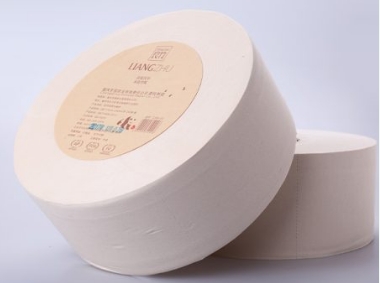
European consumers show a more planet aware mindset. In places like Germany, Sweden, and the Netherlands, recycled and eco friendly toilet paper is pushed forward, also bamboo toilet paper get highlighted. People still want the touch to feel gentle, yet effectiveness, plus a smaller ecological footprint are often pushed ahead first. Smaller rolls are pretty typical, which fits compact apartments and households that are not too large. On top of that, some countries introduce rules that favor sustainable manufacturing and eco-friendly packaging so what ends up on shelves reflects those requirements.
3. Asia-Pacific: Innovation and Hygiene
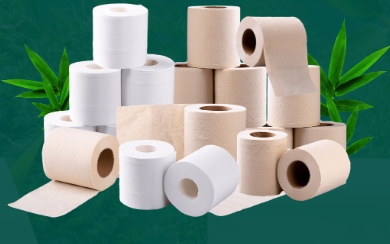
In Asia, especially Japan and South Korea, the toilet paper market looks a lot like it depends on strict hygiene habits and some serious technological integration. People commonly use ultra-soft, high-absorbency toilet paper, and lately there are more variants that are lotion infused, scented, or even water soluble. Fancy smart toilets and bidet systems end up cutting down how much paper people use, though when paper is taken, consumers still expect top tier, premium feel and performance. Meanwhile in China and India the segment is growing quickly, pushed forward by urbanization, higher earnings, and a growing understanding of hygiene items. Packaging is usually centered on convenience and sanitation too, in some cities you can even find individually wrapped rolls.
4. Latin America: Affordability and Accessibility
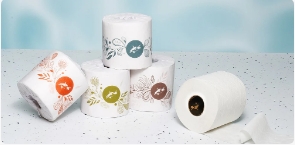
In Latin America, affordability often drives consumer decisions. People do consider softness, and also general quality, but price sensitivity tends to be stronger, so a lot of households go for basic 1-ply or 2-ply paper, sometimes without much comparison. Toilet paper roll sizes shift across the region, however cost-effective packaging stays a real priority. Market momentum is linked to rising urbanization and broader retail coverage, plus there is a noticeable push toward eco-friendly goods in places like Brazil, even when budgets feel tight.
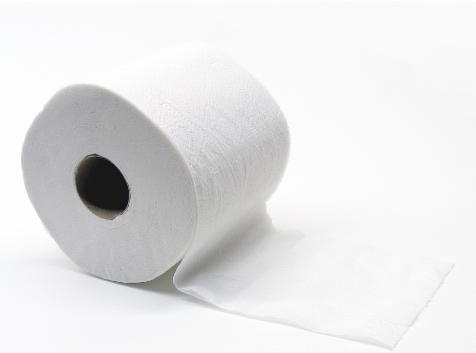
5. Middle East & Africa : Diverse Needs
In the Middle East and Africa, toilet paper demand is really varied, showing contrasts in income ranges, cultural customs, and the state of sanitation infrastructure. In bigger cities, premium options and imported brands are more likely to get attention, whereas rural areas often depend on basic, locally made paper. Some cultural routines, like water-based cleaning, can lower overall usage in specific areas, though modern urbanization continues to raise consumption. Environmental awareness is starting to show up, yet it usually does not weigh as much as affordability and access do, for now.
Summary Chart
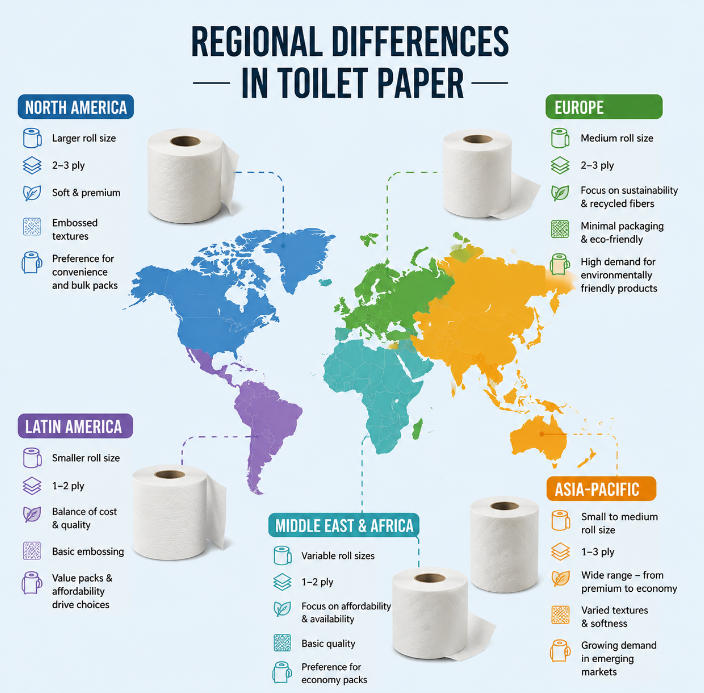
Here’s a clear and concise chart summarizing toilet paper market characteristics by region
| Region | Market Overview | Consumer Preferences | Product Features | Key Market Trends |
| North America | Mature market, high per-capita consumption | Softness, comfort, convenience, brand loyalty | 2-3 ply, mega-rolls, scented/lotion-infused | Premiumization, bulk buying, gradual adoption of recycled/bamboo paper |
| Europe | Environmentally conscious, moderate consumption | Sustainability, efficiency, quality | 1-ply or lightly layered, recycled paper, bamboo-based, minimal patterns | Eco-friendly packaging, compact roll sizes, compliance with regulations |
| Asia-Pacific | Growing, hygiene-driven, technology-integrated | Ultra-soft, highly absorbent, hygiene-conscious | Lotion/scent-infused, water-soluble, compatible with bidets | Advanced toilets, premium and luxury options, urbanization |
| Latin America | Developing, price-sensitive, expanding retail | Affordability with adequate quality | 1-2 ply, basic packaging, standard rolls | Gradual premiumization, eco-friendly awareness, urbanization |
| Middle East & Africa | Emerging, diverse, urban-rural divide | Mix of traditional/basic and premium choices | Basic local paper to imported premium products | Urbanization, modernization, improving sanitation infrastructure, rising premium demand |
Emerging Trends Across Regions in Toilet Paper
In recent years, the toilet paper industry has seen noticeable changes driven by what people want, how serious sustainability concerns feel, technological innovation, and global market trends. Even if cultural habits and regional differences still affect everyday usage, several emerging trends are reshaping the toilet paper market across different regions.
1. Sustainability Takes Center Stage
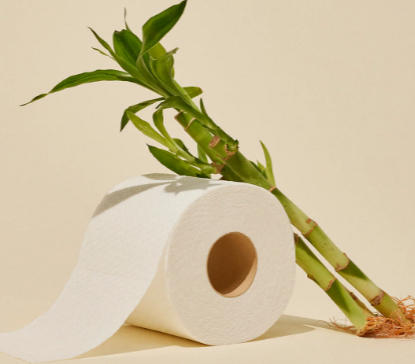
One of the most visible global trends is eco-consciousness. In Europe, North America, and some parts of Asia, customers are asking for toilet paper made from sustainable sources like bamboo, recycled fibers, or FSC-certified wood pulp. The environmental toll linked to traditional pulp based paper, especially deforestation and water demand, has pushed companies to experiment with biodegradable, and recyclable choices. In places where price stays the main factor, awareness about environmental issues is still increasing, so it starts to affect what people buy.
2. Enhanced Comfort and Premium Features
In many developed markets, consumers are looking for toilet paper that gives a more superior feel overall, like increased softness and higher ply counts, plus better absorbency. Sometimes they also want embossing, or quilted textures, you know, that extra tactile layer. Japan, South Korea, and parts of Europe are leading with ultra-soft, multi-layered toilet paper, and a lot of it is built to work smoothly with advanced toilet systems including bidets. Premium extras like lotion-infused or even scented paper are also getting more attention these days.
3. Hygiene Innovations
Across multiple regions, there’s a noticeable shift toward toilet paper that is soft but also strong, and fast-dissolving so it fits with modern plumbing setups. Some tissue paper manufacturers are experimenting with antibacterial treatments, or they are integrating water-friendly systems to improve hygiene, without raising the environmental footprint.
4. Convenience and Bulk Packaging
In North America and parts of Europe, convenience keeps pulling the strings. Mega rolls, family packs , and subscription style home delivery are turning into the default, not the exception. E-commerce platforms have made it easier for consumers to bulk buy toilet paper, so shopping trips happen less often, and it fits better with busy routines.
5. Technological Integration and Smart Toilets
In Asia, especially Japan, toilet paper is starting to appear alongside smart bathroom technology. Things like temperature controlled, antibacterial paper dispensers, plus smart bidets that help optimize water usage, are making the whole bathroom experience feel more managed. Over time this direction is spreading beyond Japan, mainly to urban zones where disposable income tends to be higher.
6. Cost-Conscious Alternatives in Developing Markets
In many parts of Africa, Latin America, and the Middle East, affordability keeps being the primary reason people choose products. Even though newer ideas like sustainability, and premium features are getting more attention, practical choices, like 1- and 2-ply paper ordered in bulk packaging, are still the most common. Yet somehow, in many of those same places, brands are also trying eco-friendly materials, and smaller more handy formats, to reach city customers.
7. Customization and Personalization
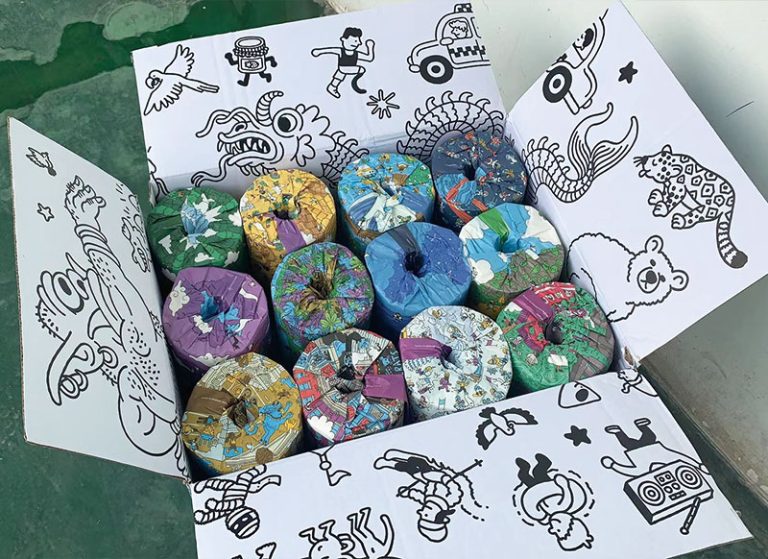
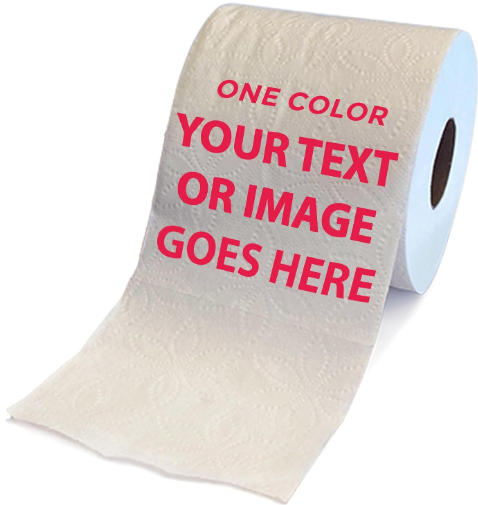
A growing niche trend is customization in toilet paper products. In some markets, people are looking at printed designs, added fragrances, or even brand tie-ins that match their daily lifestyle choices. It is still a smaller share, but this direction shows a wider move toward personal touches across household goods in general.
Final Thoughts
The toilet paper market is no longer a one-size-fits-all commodity. Regional differences in consumer preferences, environmental awareness and how quickly they adopt newer technology, push changes in product quality, in the way it is packaged, and in what it actually does. Getting the feel for these movements is essential for manufacturers and retailers who want to succeed in the more and more dynamic global toilet paper market, where needs change faster than before.