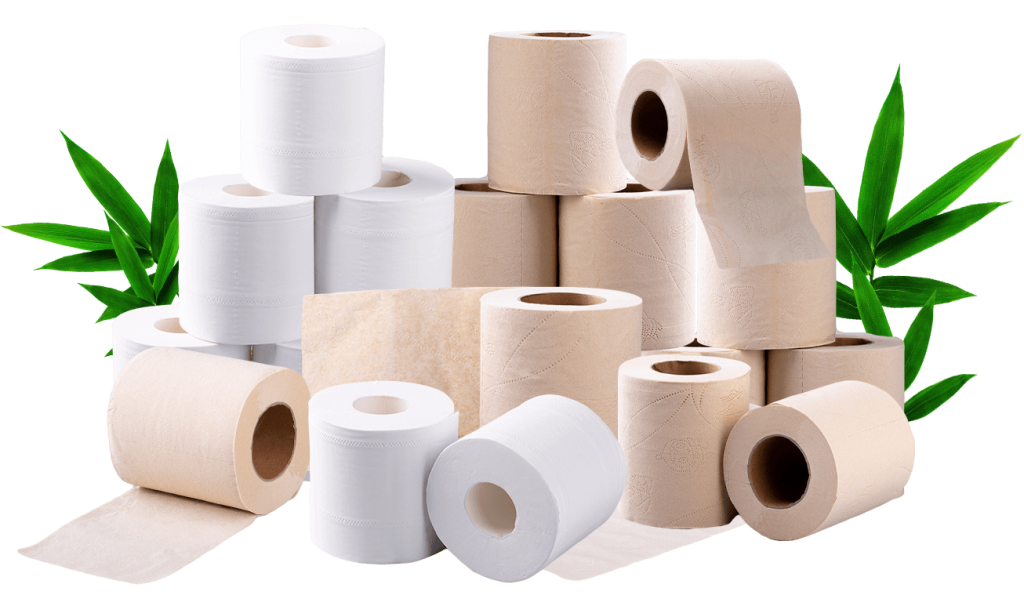
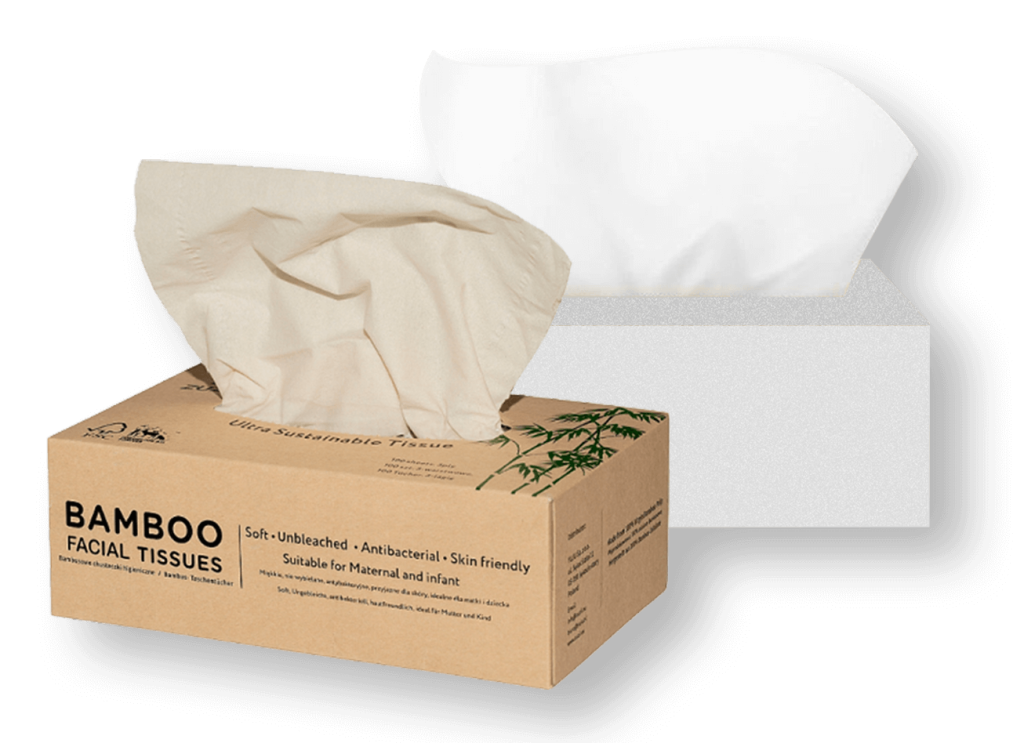
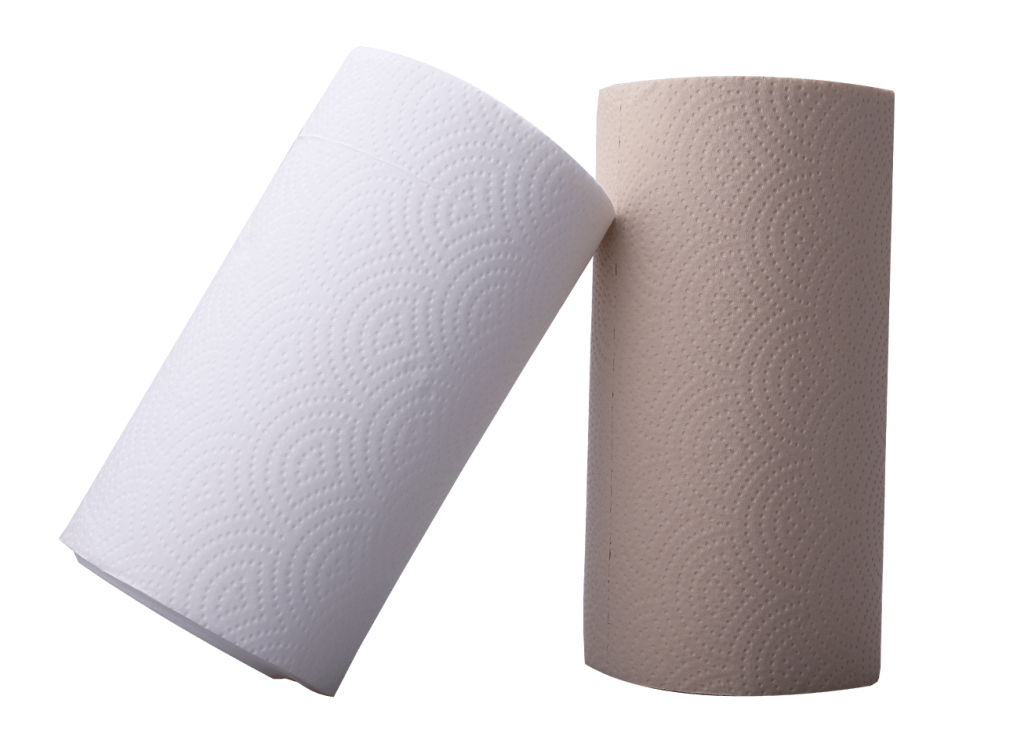
Why 3 Ply Bamboo Toilet Paper is the Superior Eco-Friendly Choice in 2026
Three issues have come to a head in the global consumer market by 2026, when it comes to products like disposable paper goods. As more and more fingers are pointed at the conventional sources of wood pulp as a source of environmental degradation and cost implications, other raw materials have replaced this source in the main supply chain. Out of these, bamboo toilet paper comes up for the reasons of fastest fiber growth and bonding gel. This piece explores processes for mechanical preparation, environmental implications, and performance of tissues made from bamboo.
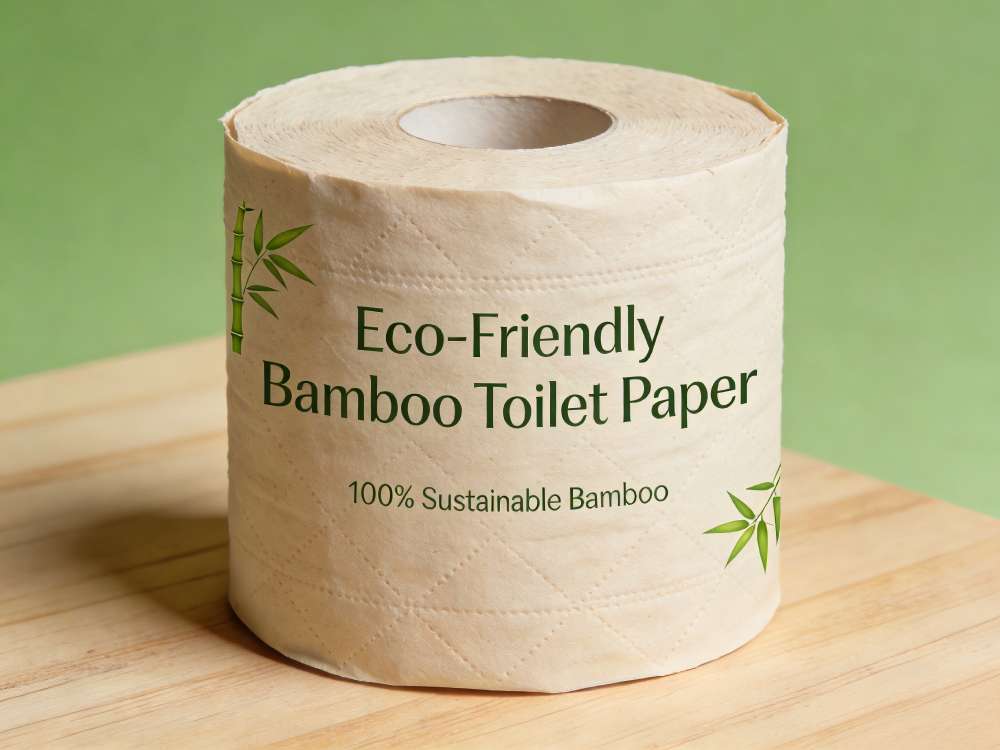
Why Toilet Paper Made From Bamboo is Outperforming Wood Pulp in 2026
One can appreciate the recent growth in the markets of eco-friendly bamboo toilet paper by examining the growth period of bamboo. Typically, bamboo grows to its full height and fiber density in 3-5 years, unlike softwoods or hardwoods that have a 20-50 year grade life till maturity.
Bamboo in its elemental makeup maintains a high percentage of silica and possesses many long vascular elements, which confer the paper a very high level of tensile strength. With sustainable forest management under FSC (Forest Stewardship Council) protocols, the plant is not destroyed when cut; the rhizome’s system is still there and prevents soil degradation, allowing for ongoing yearly carbon collection. It is this very effectiveness that underlies the use of the term “eco-friendly” in current industrial marketing.
How is Bamboo Toilet Paper Made Without Harsh Chemicals?
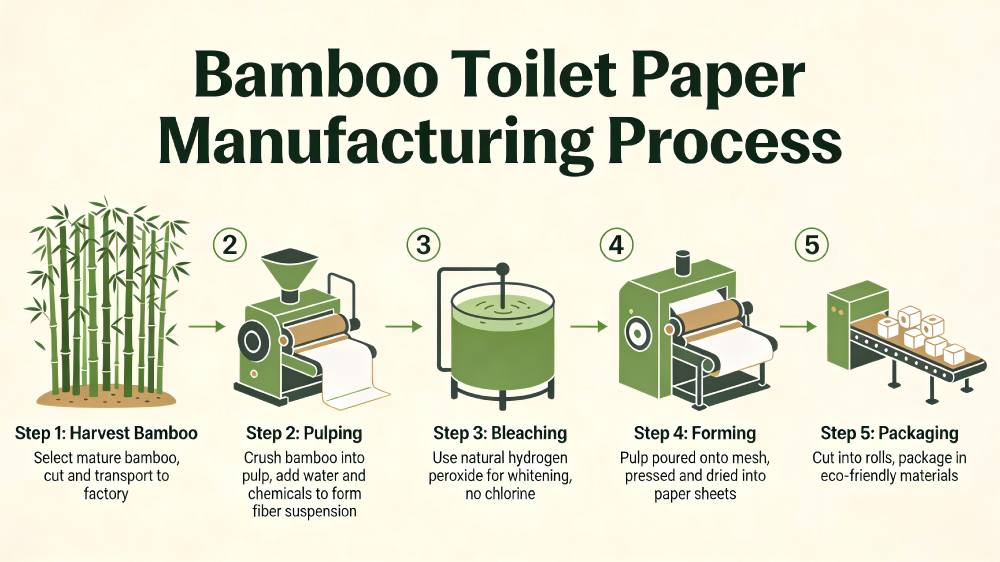
There are various processes in converting hardwood bamboo timber to the soft and absorbent bamboo toilet paper. Knowing “how is bamboo toilet paper made” involves deflating the pulping and drying process.
- Mechanical Preparation: Duly awaited bamboo culms are appropriately displaced to processing plants, where they are hammered into small particles. Subsequently, these golf stroke hands are screened to eliminate the powder and also irregular surfaces that may threaten the look of the pulp.
- Degradation and delignification: The wooden items are passed on to the pois beem, where they are immersed in water and heat (and if alkali is added) to decompose lignin—the binding agent that helps cluster plant fibers. However, in the current generation, for example, in 2026, advanced pulp mills use modern technology that has integrated closed loop systems that recover nearly all the cooking chemicals and reduce fresh water usage.
- Washing and Screening: After washing, smooth the freshly produced brown mass containing the so-called “brown stock” and wash up removes soluble lignins as well as other contaminants. At this stage, the fiber retains its natural brown color or is bleached to a pale yellow/brown color, indicating a level of brightness ranging from 90 to 95 percent.
- Refining: The pulp passes through disc refiners that mechanically “fray” the fiber ends. This increases the surface area for hydrogen bonding, which is essential for the paper’s strength and softness.
- Formation and Drying: The refined slurry is sprayed onto a high-speed moving mesh. Water is removed via vacuum and heat. The paper is then “creped”—microsurfaced with a blade—to create the texture and stretch required for sanitary use.
The Health Benefits of Switching to Unbleached Bamboo Toilet Paper
Unbleached bamboo toilet paper captures a significant portion of the market for 2026. The main drivers for the switch include the exclusion of elemental chlorine and chlorine dioxide from the making of the toilet tissue.
High gloss toilet tissue paper tends to go under a bleaching treatment for a bright finish. Even ECF bleaching may leave some amount of organic chlorine in the product. As a result, when one uses unbleached toilet paper, the toilet paper manufacturers of such paper minimize the chemical, biological oxygen demand (BOD) in their effluent discharge. This is advantageous to the end-user because they receive a product that is completely free of bleach and can therefore be widely used by persons with fragile skin health or chemical sensitivities. The brownish tone of the paper is a visible cue that the product has been processed with minimal use of chemicals.
Why 3 Ply Bamboo Toilet Paper Offers Better Value
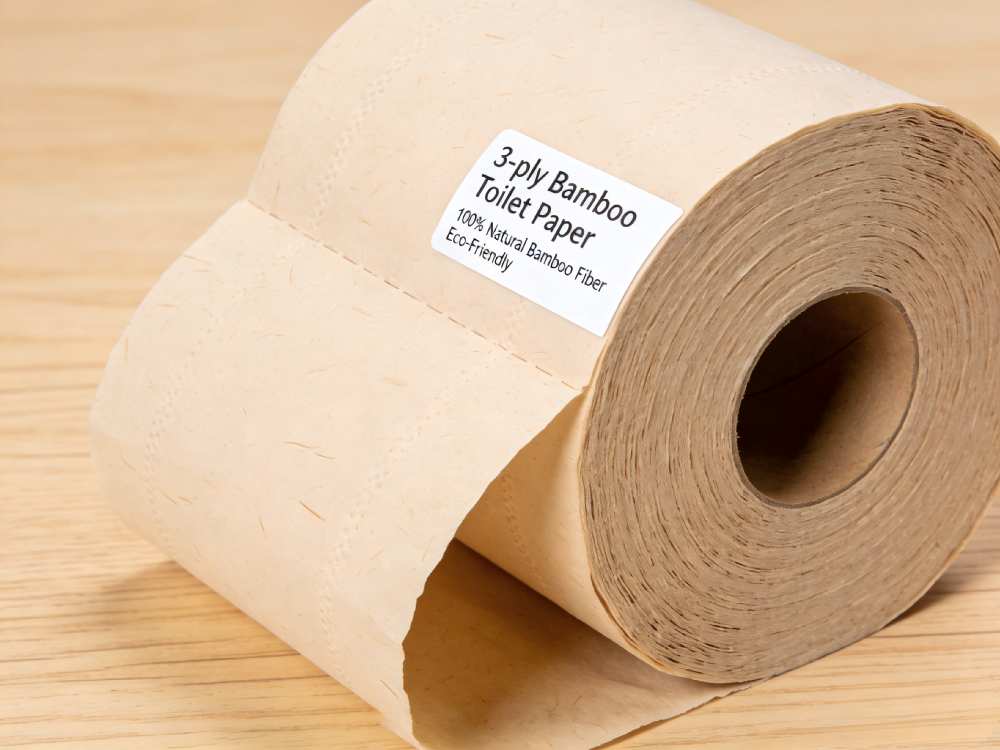
The functionality is typically the number one metric in the customer clique. 3-ply bamboo toilet paper is considered the top of the range. The term “ply” is used to represent the count of reactionary layers of paper stuck together, forming one sheet.
- Absorbency: Three layers create internal air pockets that use capillary action to wick moisture more effectively than single or double-ply alternatives.
- Tensile Strength: Bamboo fibers are naturally strong, but the multi-ply lamination process ensures the paper does not disintegrate during use. This is measured by “wet burst strength” in laboratory settings.
- Resource Efficiency: Empirical data suggests that consumers use fewer sheets per task when using a 3-ply product compared to lower-ply versions. Therefore, while the individual roll contains more mass, the total household consumption rate often decreases, aligning with sustainability goals.
The Full Life Cycle of Truly Eco-Friendly Bamboo Toilet Paper
In the case of the very popular bamboo paper, the extensive claim about “Eco-friendliness” is actually justified by lifecycle assessment (LCA) data. For the year 2026, focus has moved to the total carbon footprint, which involves transportation and end-of-life disposal.
| Feature | Virgin Wood Pulp | Recycled Paper | Bamboo Pulp |
| Growth Cycle | 20–50 Years | N/A | 3–5 Years |
| Water Usage | High | Medium | Low (Closed-loop) |
| Chemical Input | High (Bleaching) | High (De-inking) | Low (Unbleached) |
| Biodegradability | Standard | Variable | Rapid |
Furthermore, bamboo fiber is highly biodegradable. Because it consists of short-to-medium length natural fibers, it breaks down rapidly when saturated and agitated. This makes it compatible with both municipal sewage systems and septic tanks, reducing the risk of plumbing blockages that can occur with high-synthetic or overly reinforced “ultra-soft” wood-based tissues.
Market Trends and 2026 Consumer Standards
The switch to toilet paper made from bamboo is further driven by the current global initiatives to reduce the use of plastic. The majority of 2026 manufacturers have decided to do away with the polyethylene wrapper. And most of these companies are now using paper-based primary packaging or practicing bulk replenishment that comes in recycled carton boxes.
Consumers are now looking for specific certifications beyond the “eco-friendly” label. These include:
- FSC 100% Bamboo verification: which involves protecting the integrity of the bamboo fiber and ensuring that no wood pulp is combined with the bamboo fiber in the product
- ISO 14001: This ensures that the factory is committed to global environmental management systems
- PFAS-Free Certification: which proves that the production did not use chemicals forever as a means to reinforce any materials or in the machine.
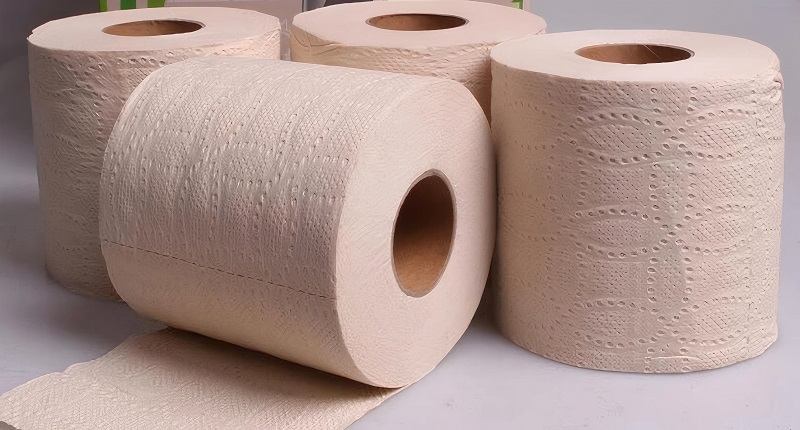
In more detail, the justification of eco-friendly bamboo toilet paper turns on increased effectiveness in fields of cultivation, reduction in the quantity of chemicals, and improved strength in mechanical terms. The manufacturing of natural bamboo paper has potential in the demand for safe personal care products. The 3-layer bamboo toilet tissue is directed at the satisfaction of the end user without harming the environment.
The industrial processes keep advancing towards “how to make bamboo toilet paper”, making its cost-to-performance ratio even more affordable and hence promising a wider usage in the management of green buildings and domestic furnishings in 2026. It can also be noticed that: advanced-yield grass fibres have ceased to be any of the accompanying developments; they are at the very core of the concept of a modern circular economy.