Why Dermatologists Are Recommending Bamboo Toilet Paper for Sensitive Skin
Sensitive skin care discussions usually include facial cleansers, moisturizers, and other skincare creams. Dozens of such products are on the market; however, there is one product that is frequently overlooked, despite its regular use and interaction with the most sensitive areas of the body: toilet paper.
It has recently become a common practice for dermatologists and pediatricians to advise people with eczema, allergies, postpartum demands, and baby skin worries to change from traditional toilet paper made of wood pulp to the more natural and soft bamboo toilet paper. However, such a policy change is due to a successful combination of many factors, including the environment, dermatology and hygiene.
What is bamboo toilet paper and what makes it different? Does it deserve the recognition as hypoallergenic toilet paper for sensitive skins?
The Hidden Problem with Traditional Toilet Paper: Paper Dust and Micro-Debris
Have you noticed that there are tiny particles floating in the air when you tear toilet paper under sunlight? It can appear not harmful, but some people who are allergic or concerned about their tissues would immediately deem it as disturbing.
1. Wood Pulp Toilet Paper
Most popular toilet tissue is a product made from short wood fibers. When manufactured, fillers like talc or binding agents are sometimes included to improve its texture and look. Sadly, these short fibers break out easily during use and form paper lint and dust particles, which can attach to the skin and can even move to delicate parts.
For those with tendencies for itching, inflammation, contact dermatitis, or any other irritations, this extract may possibly worsen the situation.
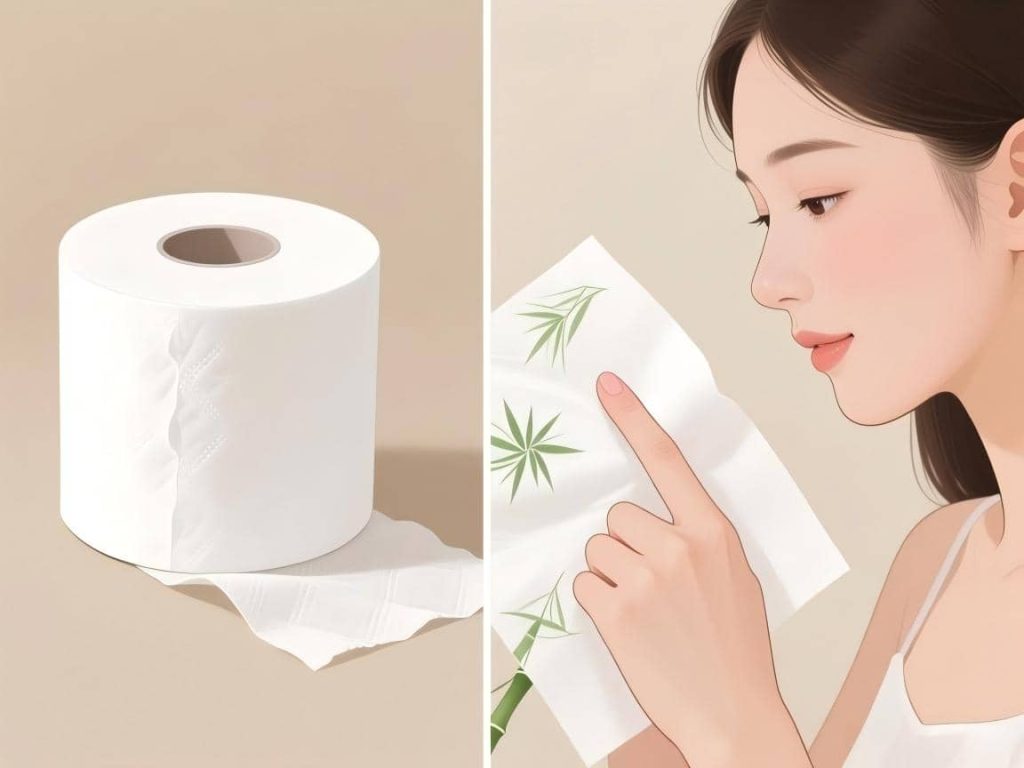
2. Bamboo Toilet Paper
Moreover, you can find the dust-free toilet paper made of bamboo pulp with longer and stronger fibers, thanks to the characteristics of bamboo. Normally, bamboo fibers are around 1.5 to 2.0 mm in length and are known to be quite strong when it comes to supporting weight.
This structural advantage means:
- Less fiber breakage
- Minimal dust or lint release
- Cleaner surface contact with sensitive skin
For people managing skin irritation, reducing mechanical debris can significantly lower friction-related inflammation.
Why Chemical-Free Matters for Sensitive Skin
Many traditional toilet papers achieve their bright white appearance through chlorine-based bleaching processes. These processes may leave behind trace amounts of harmful byproducts such as dioxins.
In addition, some toilet paper brands include:
- Artificial fragrances
- Fluorescent whitening agents
- Formaldehyde-based softeners
- PFAS (“forever chemicals”)
Dermatologists caution that regular contact with such substances—or in body parts with enhanced absorption—vastly heightens the likelihood of irritation or an allergy.
Bamboo Toilet Paper Manufacturing Standards
High-quality chemical free toilet paper made from bamboo typically follows:
- Unbleached or TCF (Totally Chlorine Free) processing
- Zero added fragrance
- No fluorescent agents
This makes bamboo toilet paper a recommended alternative for sensitive skin care of the delicate skin, covering even the baby skin, the elderly, and people with some long term skin issues.
Softness Without Sacrificing Strength
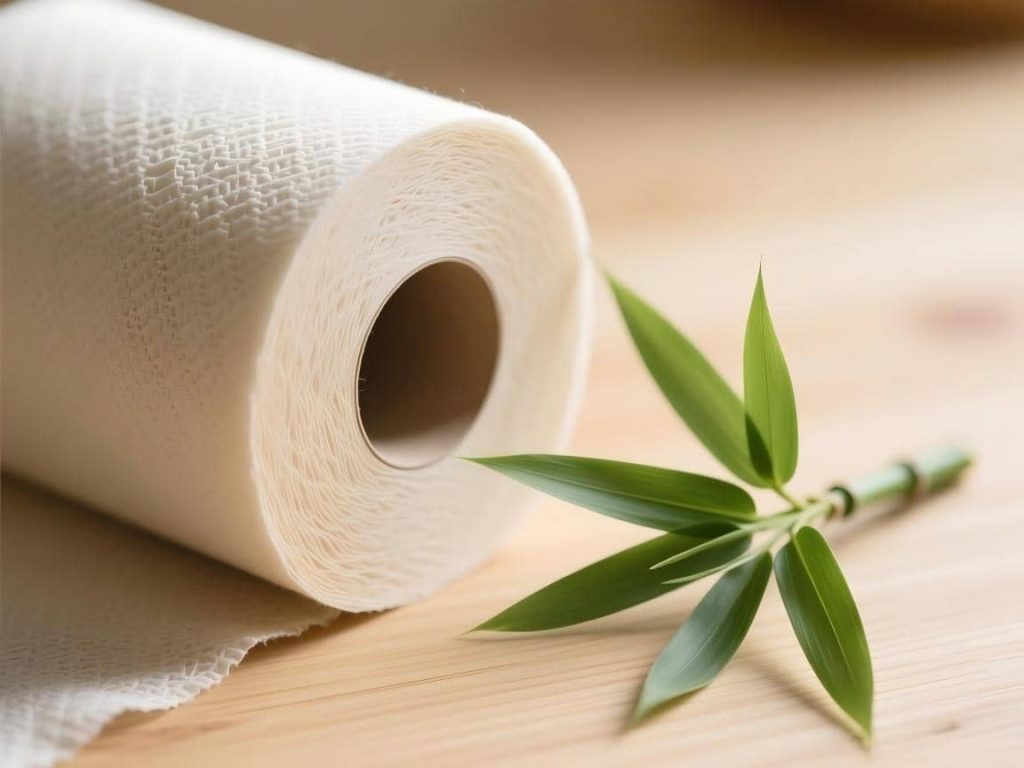
A common fallacy is that bamboo toilet paper is usually rough or stiff in texture. Early bamboo paper manufacturers used to grapple with it, though. But the latest methods have come a long way to improve bamboo paper products.
Through advanced mechanical embossing and multi-ply lamination, today’s natural bamboo toilet paper achieves a balance of:
- Gentle softness
- High wet strength
- Reduced need for repeated wiping
This is important balance for sensitive types, as using less wipes would mean that there is less friction, in turn causing less redness and irritation.
How Dermatologists Suggest Choosing Bamboo Toilet Paper
If you are considering switching to bamboo toilet paper, dermatologists recommend paying attention to the following factors:
- Choose Unbleached or Natural Color: Unbleached bamboo toilet paper is natural in color, meaning that the use of harsh chemicals has not been used that much—it is gentler on the skin of people with high sensitivity.
- Look for Safety Certifications: Asking suppliers, reps, and agents claims that their products have been tested under FDA or food contact or EU -testing standardor Safeware of the requirements of the udeliverable av all applicable laws and regulations.
- Sustainability Still Matters: Deforestation and the need for the product to be harvested consciously are the main reasons why standards such as FSC were met for bamboo production will health purposes.
Final Thoughts: A Small Change with Daily Impact
Switching to hypoallergenic toilet paper for sensitive skin may be seen as a minor change to one’s lifestyle. The individual effect, however, has the potential of adding up. In due course, daily exposure to mechanically harmful elements such as chemical irritants and paper fibers is eliminated.
For anyone struggling with unexplained itching, irritation, or recurring discomfort, dust free toilet paper made from bamboo offers a science-backed, dermatologist-supported alternative.
Sometimes, better skin care starts not with a new cream—but with a better roll of paper.
Frequently Asked Questions (FAQ)
Q1: Why is bamboo toilet paper hypoallergenic?
It is free from common irritants found in traditional paper, such as chlorine bleach, artificial fragrances, and harsh binders. By removing these additives, bamboo paper significantly reduces the risk of skin irritation and allergic reactions.
Q2: Is it truly chemical-free?
While no manufactured product is entirely “chemical-free,” premium bamboo paper avoids harmful toxins like PFAS, formaldehyde, and synthetic dyes. Look for brands using TCF (Totally Chlorine-Free) processes and third-party safety certifications to ensure the purest product.
Q3: Is it safe for babies and postpartum care?
Yes. Because it is soft, gentle, and lacks harsh chemicals, it is ideal for sensitive newborn skin and delicate healing tissue during postpartum recovery.
Q4: Does it have antibacterial properties?
Bamboo naturally contains “Bamboo Kun,” a bio-agent that resists bacteria and mites. While processing reduces its concentration, the fibers still offer a more hygienic, antimicrobial alternative to standard paper, especially in humid bathrooms.