The Rise of Toilet Paper That Doesn’t Shed: 2026 Market Insights
In 2026, the global toilet paper industry is experiencing a profound transformation, where it will transition from being one of the commodities that households mostly rely on to a high-performance, upscale, personal care product. Innovations like hypoallergenic toilet paper, high absorbency varieties, and “toilet paper that doesn’t shed” are feeding demand. Sustainability and the rise in material innovations, like bamboo, are redefining product positioning. Thus, long-term competitive strength and B2B growth depend on knowing market dynamics for these producers.
The 2026 Market Landscape: A $35.62 Billion Opportunity
Recent predictions say that the global market for bath and toilet tissue will grow to about $35.62 billion by 2026. Population growth and urbanization are no longer the only things that drive growth. As consumers expect more from hygiene, comfort, and environmental responsibility, the way people want things has changed.
Why This Matters for Toilet Paper Manufacturers
For B2B producers, this shift means:
- Upgrading standard offerings to performance-oriented products
- Introducing premium lines tailored for sensitive skin and high-usage environments
- Targeting sectors that value quality and performance over cost alone
The era of “regular toilet paper” is giving way to solutions that deliver differentiated benefits – and that’s where the major growth pockets now reside.
Consumer Demand: Moving Beyond Cost to Functional Value
1. Hypoallergenic Toilet Paper: Catering to Sensitive Skin
Consumers in 2026 are increasingly concerned about how everyday products affect their skin. This trend is especially pronounced among individuals with sensitive skin, eczema, or dermatitis. Hypoallergenic toilet paper – formulated to be free from irritants such as fragrances, dyes, and fluorescent whitening agents – now commands a premium position within the market.
For B2B manufacturers, emphasizing hypoallergenic qualities can:
- Appeal to healthcare facilities, nursing homes, and dermatology-aware purchasers
- Support premium private labels targeting wellness-focused consumers
- Provide differentiating attributes against commodity tissue products
Best practices in B2B product positioning include:
- Providing clear ingredient disclosures
- Ensuring third-party dermatological certifications
- Educating buyers on pH-balanced formulations
2. High Absorbency: Efficiency Through Advanced Technology
High absorbency is a key functional demand that continues to rise, particularly in environments such as hotels, restaurants, and institutional facilities. Thermal Air Dried (TAD) technology, long-loved in the premium paper segment, has become a standard requirement for products that need to balance strength, comfort, and reduced per-use consumption.
High absorbency yields multiple benefits:
- Lower overall usage due to improved performance
- Better user satisfaction in high-traffic environments
- Opportunity for premium pricing compared with conventional tissue
For manufacturers, integrating technologies such as TAD or equivalent enhanced drying methods signals production quality and product value.
Lint-Free Promise: A Functional Requirement With Market Momentum
What Does “Toilet Paper That Doesn’t Shed” Really Mean?
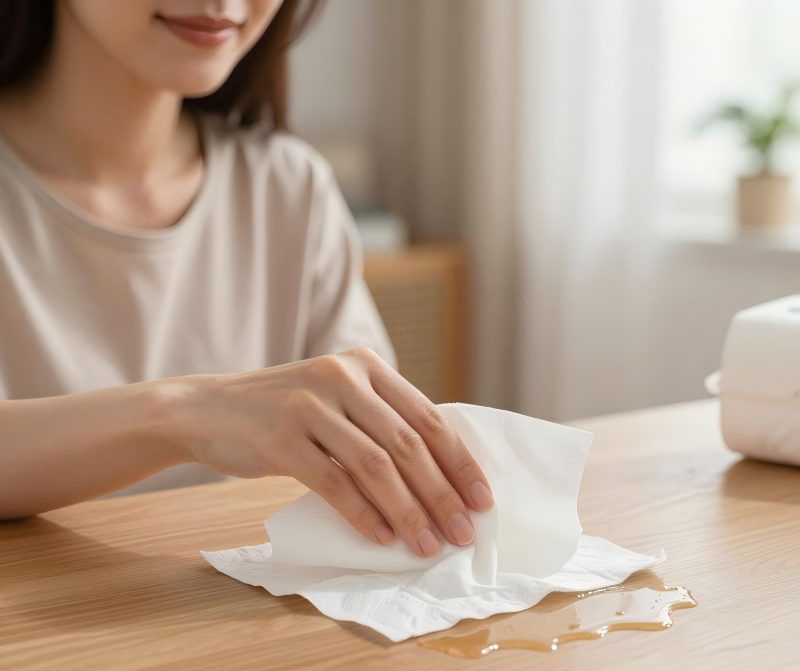
Lint – the microscopic fiber debris that separates from tissue – has long been a silent nuisance in bathrooms. In 2026, however, the proliferation of smart home devices like robot vacuums and air purifiers has made lint more visible and undesirable than ever before. Consumers increasingly discover that lint contributes to indoor dust and interferes with precise cleaning systems.
How Innovations Solve the Lint Problem
Advancements such as:
- Stronger fiber bonding
- Precision edge-cutting techniques
- Denser ply construction
have allowed manufacturers to produce lint-free toilet paper, which:
- Leaves bathrooms cleaner
- Enhances user comfort
- Supports premium positioning in both B2B and B2C channels
In high-end hotels, stores, and hospitals where cleanliness is very important, products that promise to be lint-free are especially appealing.
Material Innovation: Bamboo Fiber and Coreless Designs
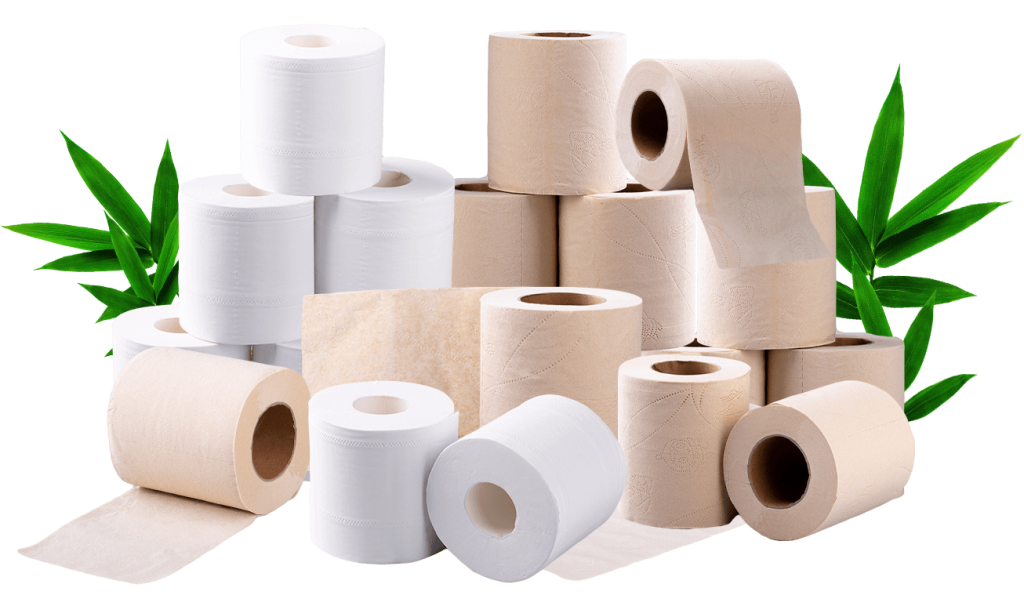
1. Bamboo – A Natural Answer to Strength and Sustainability
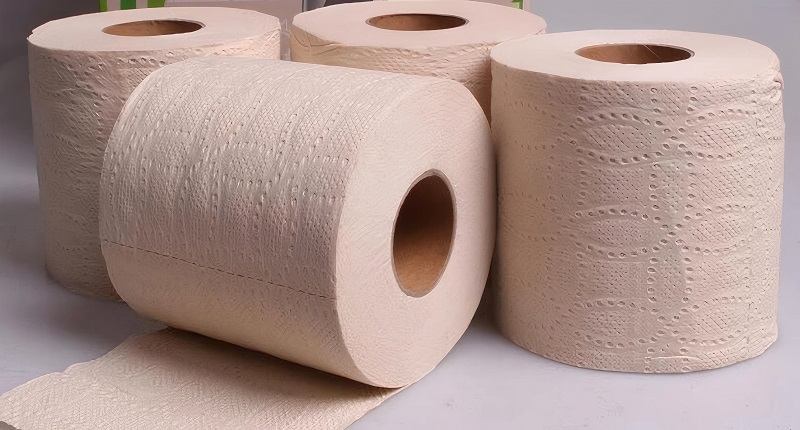
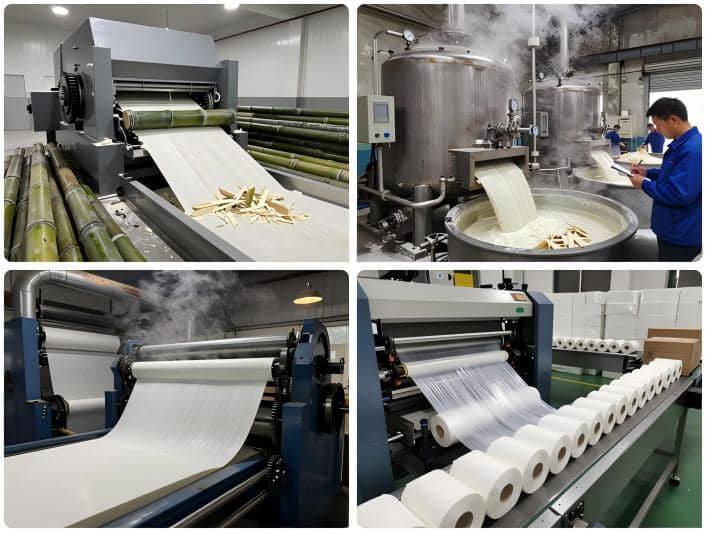
Bamboo fiber has become an important substitute for regular wood pulp. The long fiber length makes it stronger and less likely to shed. Additionally:
- Bamboo is rapidly renewable, growing to maturity far faster than wood pulp sources
- The natural fiber structure provides excellent tensile strength and absorbency
- Bamboo’s antistatic and antibacterial traits align with consumer perceptions of hygiene
For B2B manufacturers, bamboo toilet paper can serve as a bridge product – linking sustainability commitments with high-performance outcomes.
Strategic product messaging might emphasize:
- Reduced environmental footprint
- Stronger sheets with less waste
- Natural anti-shedding characteristics
2. Coreless Toilet Paper: Efficiency and Lower Waste
Coreless toilet paper designs are gaining traction as a method to reduce waste and improve logistics efficiencies. Removing the internal cardboard core yields:
- Reduced material waste
- More rolls per pallet, lowering transportation cost per unit
- Increased sheet counts per roll, enhancing cost-per-use value
Coreless design is especially appealing to institutional and hospitality buyers who care about both environmental goals and running their businesses efficiently.
Strategic Product Positioning for B2B Toilet Paper Manufacturers
To do well in the changing market of 2026, toilet paper makers need to use strategic positioning that focuses on functional value, quality assurance, and teaching customers. Some of the most important things to do are:
1. Highlight Functional Differentiators
Focus on the performance features that professional buyers care about most, like being hypoallergenic, not having lint, and being very absorbent. Make sure these features are clearly shown in:
- Product datasheets and technical specifications
- Marketing collateral and sales presentations
- Digital catalogs and e-commerce listings
Putting products in these functional categories helps manufacturers justify higher prices and stand out from other tissue options that are just as good.
2. Leverage Certifications and Third-Party Validation
Third-party endorsements build credibility and trust in B2B purchasing decisions. Consider highlighting:
- Dermatology-tested or hypoallergenic certifications
- Sustainability standards (FSC, bamboo sourcing, carbon footprint reduction)
- Manufacturing quality accreditations (ISO, CE, etc.)
These kinds of certifications are especially convincing for buyers in the hospitality, healthcare, and institutional sectors, where compliance and performance are very important.
3. Educate the Buyer with Technical Insights
Providing buyers with detailed technical information helps establish authority and facilitates informed purchasing decisions. Focus on:
- Fiber structures and their role in strength and lint control
- Manufacturing technologies such as Thermal Air Drying (TAD) or advanced ply bonding
- Material innovations, including bamboo fibers and coreless designs
By offering transparent explanations, manufacturers can build confidence among professional buyers, reduce uncertainty, and support long-term partnerships.
4. Expand Private Label and Customization Opportunities
Many B2B clients prefer private-label or customized solutions to differentiate their offerings. Manufacturers can capture this market by providing:
- Custom formulations tailored to hypoallergenic, high-absorbency, or eco-friendly requirements
- Packaging solutions that reflect client branding and operational needs
- Performance claims verified through testing and documentation
Strategically combining product differentiation, certified quality, buyer education, and private-label flexibility enables manufacturers to capture high-value B2B segments and strengthen market leadership.
Selling Points That Resonate in 2026
Below outlines how performance attributes translate into buyer value:
| Functional Attribute | Buyer Benefit | Business Impact |
| Hypoallergenic | Safe for sensitive skin | Attracts health-conscious buyers |
| Lint-Free | Cleaner bathrooms, less maintenance | Higher satisfaction, lower cleaning cost |
| High Absorbency | Less usage per visit | Lower per-use cost, premium positioning |
| Bamboo & Coreless | Sustainability leadership | Environmental purchasing decisions |
For toilet paper manufacturers, success in 2026 is defined not by price competitiveness, but by functional sophistication and sustainability credentials. Those who innovate with hypoallergenic formulas, invest in high-performance manufacturing processes, and adopt materials that deliver real value have the strongest advantage in the evolving tissue market.
Frequently Asked Questions
Q1: What defines the best hypoallergenic toilet paper?
The best hypoallergenic toilet paper avoids irritants such as fragrances and dyes while maintaining softness and absorbency suitable for sensitive skin.
Q2: How do manufacturers produce toilet paper that doesn’t shed?
Through improved fiber bonding, optimized pulp blends, and precise cutting processes that reduce fiber breakage.
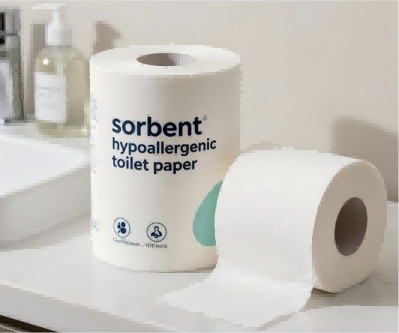
Q3: Is sorbent hypoallergenic toilet paper suitable for commercial use?
Yes. It combines skin safety with high absorbency, making it ideal for hospitality and healthcare facilities.
Q4: Why are institutional buyers shifting toward premium tissue?
Because performance, hygiene perception, and sustainability credentials now influence brand reputation and operational efficiency.
Q5: How can a toilet paper manufacturer increase competitiveness in 2026?
By integrating lint-free engineering, hypoallergenic formulations, sustainable materials, and transparent technical documentation.