Private Label vs. OEM in Tissue Paper Manufacturing
The tissue paper industry constitutes an essential part of global markets which provide hygiene and household products. The market competition has grown so intense that numerous companies use contract manufacturing solutions which include private label and OEM (Original Equipment Manufacturer) manufacturing to expand their product offerings without requiring substantial manufacturing facility investments. The two methods of private label and OEM tissue paper manufacturing use external production facilities but create different manufacturing processes because they have different approaches to product development, branding control, product design and marketing methods. The business needs to understand these distinctions between private label and OEM manufacturing methods because it will help them select the best tissue paper production method to reach their business objectives.
Understanding Private Label Tissue Paper Manufacturing
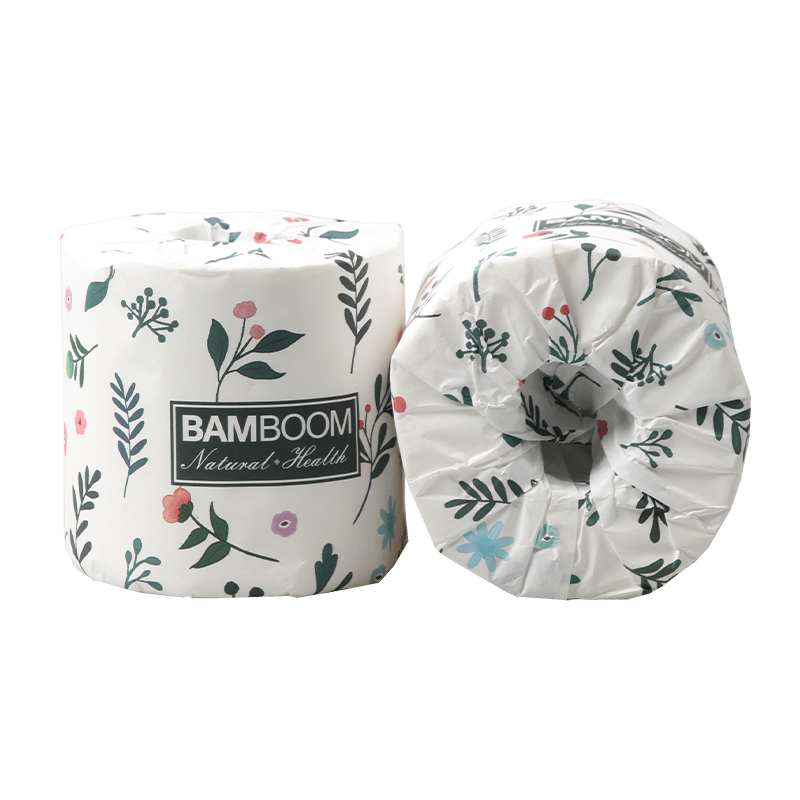
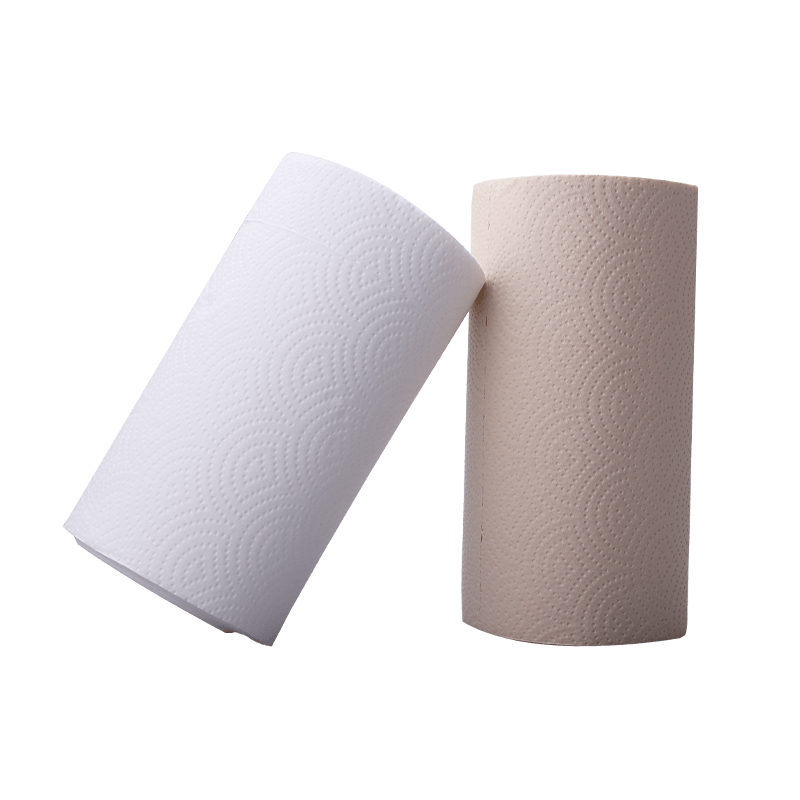
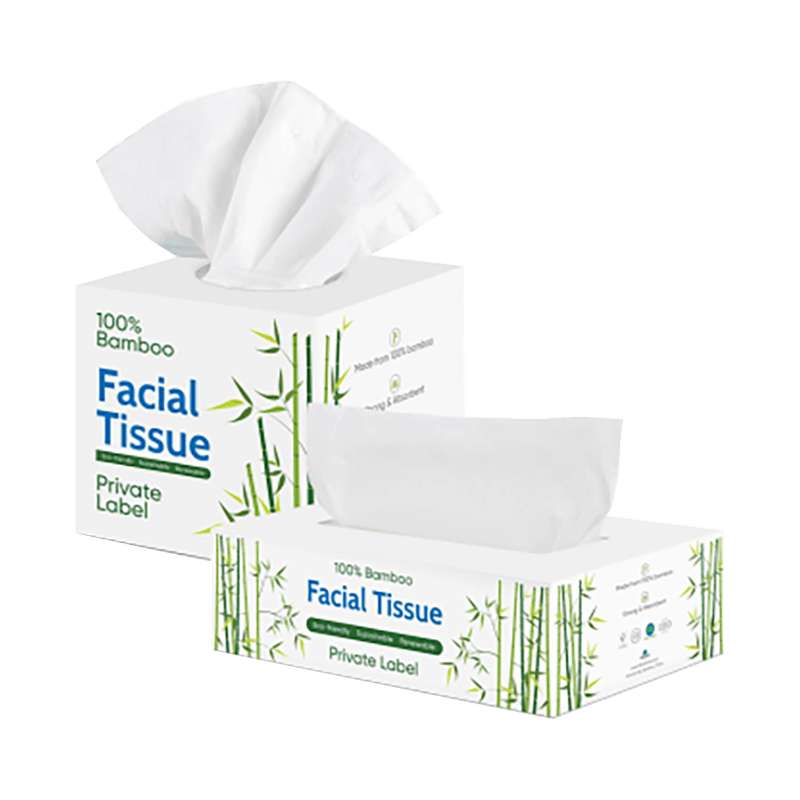
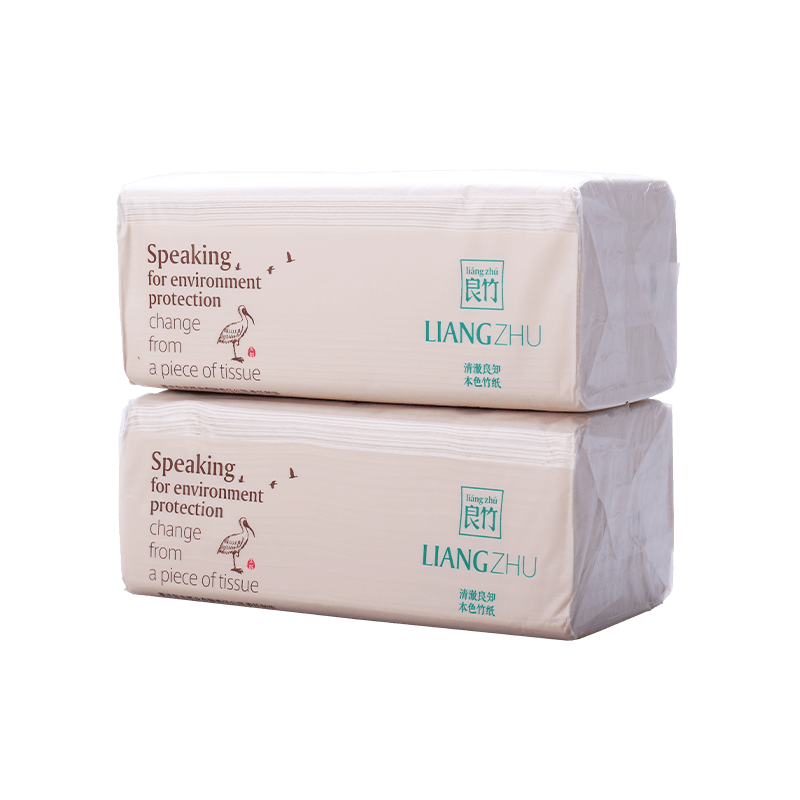
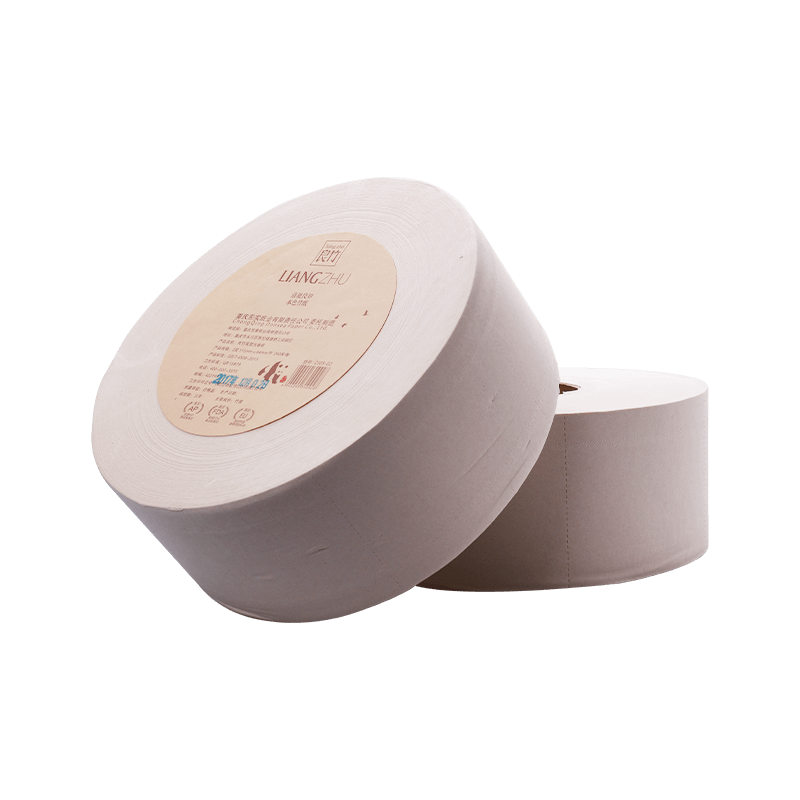
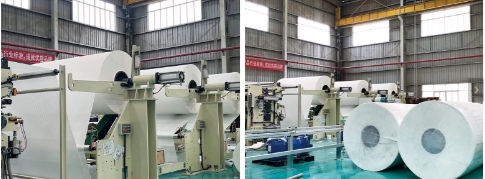
The tissue industry uses private label paper manufacturing as its standard operational method because manufacturers create tissue products which they sell under different company brand names. Retailers and wholesalers and distributors handle product distribution because they do not distribute products themselves. The main products that private label tissue companies offer to customers consist of toilet paper rolls, facial tissue paper, paper towels and napkins.
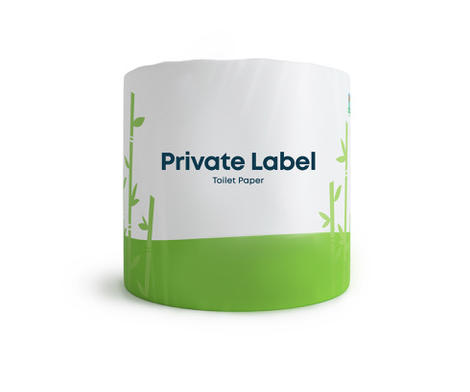
In this model, the tissue paper manufacturer usually provides pre-developed product options, including different ply structures, sheet sizes, embossing patterns, and packaging formats. The purchasing company selects from these available options and applies its own brand name, logo, and packaging design. Private label tissue products enable companies to create their own product lines because they do not need to run their own manufacturing operations.
Advantages
- Speed to Market: Private label tissue paper products can be swiftly introduced based on production plant designs and processes. This basically enables handlers and suppliers to launch their tissue-house brand without concerning themselves over product development timelines.
- Lower Initial Investment: They invest in neither paper machines nor converter machinery or factory infrastructure, but they can simply place their trust in an advanced manufacturer possessing the required technology.
- Cost Efficiency: Tissue paper manufacturers generally work from a few large-scale manufacturing centers that help them take advantage of economies of scale. These economies potentially allow retailers to offer tissue at competitive prices while maintaining a very agreeable profit margin.
- Branding Building Opportunities: Private labels give marketers an opportunity to create a future brand of their own by providing them with the possibility of marketing something exclusive while also upholding customer loyalty and building a marginal difference.
- Simplified Product Development: For the retailer, the job lies in areas of visual-tactile design, along with a detailed work on print applications, new texts, creation of additional lines of communication, and social networking exposure.

Limitations
- Limited Product Differentiation: Most of the private label tissue offerings rest in the already-established and firm print formats of the manufacturer company; hence plenty of the same products are likely to appear in different retailers, thus removing any differentiation that can be achieved by one individual product.
- Less Control Over Product Specifications: Retailers are hardly in control of technical issues like the nature of pulp, embossing-retention techniques, or advanced papers.
- Dependence on the Manufacturer: Needs in production, quality, and supply are largely met with the suppliers making the companies truly dependent upon the manufacturing partners not to cause disruptions across the whole supply chain, rendering delivery schedules as well as market-ready products vulnerable to severe disruptions.
- Competitive Market Environment: Private label tissue paper products have competition from the branded national product as well as other private labels. Allocation of funds toward market identity gives the face of the company no real awareness in the market, even when there is a majority of competition trying to swim through it.
- Limited Innovation Opportunities: Because most come from generic supplies, companies will not be able to capitalize on opportunities for greater variety or specialization in regard to unique tissue products in comparison with those established by original equipment manufacturers.
Understanding OEM Tissue Paper Manufacturing
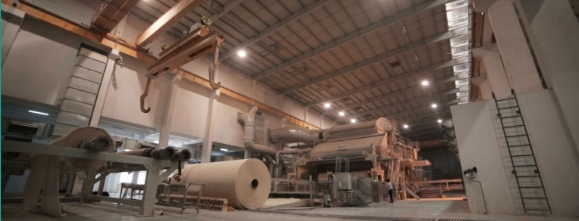
OEM tissue paper manufacturing is best described as a manufacturer producing tissue paper products primarily based on the specific requirements of another company or a brand owner. Typically, in this relationship, the brand owner provides design, technical specifications, and branding, while the manufacturer assumes the responsibility of production of tissue paper products according to those specifications.
In the tissue paper industry, OEM manufacturing is very common with products like toilet tissue paper, facial tissue, kitchen paper towel and napkins. OEMs are many brands’ choice, as setting up and running a tissue paper production plant requires substantial capital investment in machinery, raw materials, technology, and production management between others.
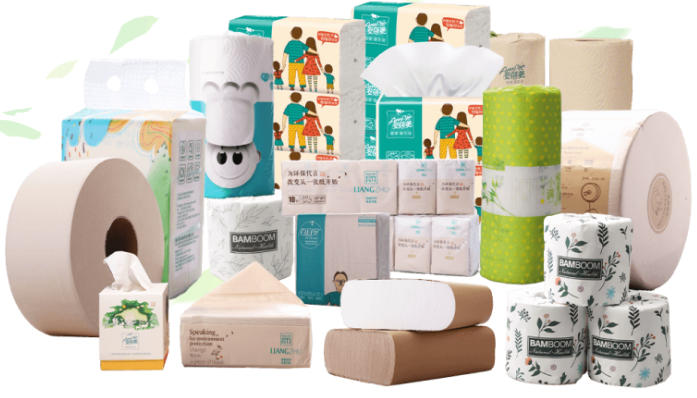
In an OEM partnership, the brand owner generally provides all the specifications for the product, which might include raw material type, construction of plies, softness level, size of the sheets, length of the roll, pattern of embossing, absorbency, design of the packaging, and environmental standards. The manufacturer will manufacture the tissues as required by these specifications, as long as they assure their quality and performance. In most cases, this cooperative process involves testing, reaching the final sample design, and arrangement of any modifications for the initial larger-scale production. The OEM model gives somewhat higher degree of technical cooperation between the brand owner and the manufacturer.
Advantages
- High Level of Product Customization: Through OEM manufacturing, brand owners can come up with tissue products that are designed with unique characteristics. For instance, some of the components that can be customized include attributes in terms of softness and thickness, absorbency, embossing designs, as well as packaging formats-in-the-market that are specific to a certain market.
- Strong Brand Identity: Because OEM products are designed according to the brand owner’s requirements, companies can create distinctive tissue products that stand out from standard market offerings.
- Access to Manufacturing Expertise: Most tissue paper makers have access to state of the art equipment, a professional technical team with considerable expertise, and thorough production processes. They get to use this expertise without having to invest in their own manufacturing facilities.
- Flexibility in Product Development: OEM partnerships allow companies to develop new tissue products tailored to different consumer segments, such as premium tissues, eco-friendly products, or specialized packaging formats.
- Efficient Use of Resources: By outsourcing production to OEM manufacturers, brand owners can focus their resources on marketing, branding, distribution, and market expansion.

Limitations
- Longer Development Time: OEM items normally necessitate custom design and tests; thus, the preparation of business operations and production may take time when compared to private labeling services.
- Higher Development Costs: The cost of developing a custom product, the design of packaging, and testing may run higher than those of a stock product from the manufacturer.
- Complex Communication and Coordination: Proper coordination and communication between the brand owner and the manufacturer build a strong relationship. A single misunderstanding in product development or production might be detrimental to the product’s final quality.
- Minimum Order Requirements: To ensure that the customization process is worth cutting into the overhead, many OEM manufacturers often require high production numbers, which can be impossible for smaller brands to fulfill.
- Dependence on Manufacturer Partners: The manufacturing quality, capability, and timely supply are a strong favor of the brand owner as long as he chooses to stay in the factory. The stability of the factory depends on an experienced cooperative manufacturer.
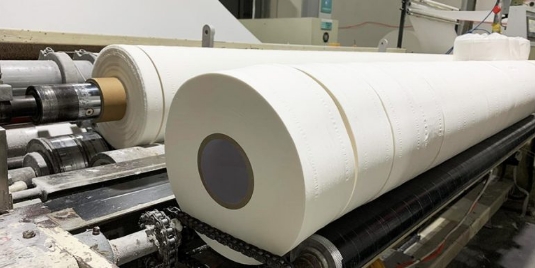
Key Differences Between Private Label and OEM in Tissue Paper Manufacturing
The differences between private label and OEM production models can be clearly illustrated through several important factors.
| Aspect | Private Label Manufacturing | OEM Manufacturing |
| Product Design | Based mainly on the manufacturer’s existing product designs and specifications | Designed according to detailed specifications provided by the brand owner |
| Level of Customization | Limited customization, mostly in packaging and branding | High level of customization including materials, ply structure, embossing, and packaging |
| Branding Ownership | Products are sold under the retailer’s or distributor’s brand | Products are sold under the brand owner’s brand |
| Product Development | Minimal development required because products already exist | Requires product design, development, and testing before production |
| Time to Market | Faster launch since products are pre-developed | Longer due to customization and development processes |
| Initial Investment | Lower development and setup costs | Higher costs due to product design, testing, and customization |
| Manufacturer–Client Collaboration | Relatively simple cooperation focused on production and packaging | Close collaboration required during product development and manufacturing |
| Product Differentiation | Limited differentiation because similar products may be offered to multiple retailers | Strong differentiation because products are uniquely designed |
| Production Flexibility | Usually limited to the manufacturer’s standard product range | More flexible to meet specific brand requirements |
| Typical Users | Supermarkets, retail chains, wholesalers, and distributors | Established brands, startups building unique products, or companies targeting premium markets |
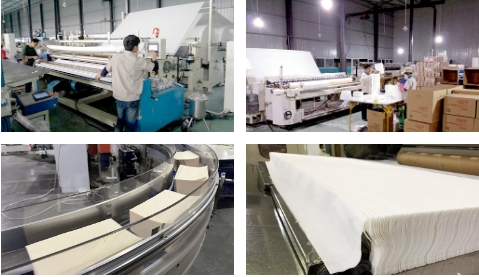
Key Considerations for Choosing Between Private Label and OEM Tissue Paper Manufacturing
Choosing between private label and OEM tissue paper manufacturing requires a thoroughly discussed determination of various business considerations.
1. Brand Positioning and Market Strategy
One of the most distinct kinds of considerations for choosing between private label and OEM manufacturing is the company’s brand positioning and general market strategy. Companies that are in favor of economies of scale than brand image usually find it convenient to go for private label manufacturing. This kind of production helps such companies to roll out relatively cheaper paper products into the market without wasting time.
By and large, private label production is performed with some basic designs. This practice saves these companies a good sum of money, while the lack of expensive product development also assists them to quickly distribute their products. Private label manufacturing for any company whose marketing thrust revolves about delivering reliable, yet cheaper, tissue products, has still been instrumental.
On the contrary, firms that wish to build a singular brand image or target the upscale market segment would often stand gainfully from OEM manufacturing. By working in close partnership with the manufacturing company, customized tissue products can be developed, incorporating unique attributes such as better softness, higher absorbency, green materials, etc. These customized features make the brand stand out in the market, thus fostering long-lasting brand awareness.
2. Product Customization Requirements
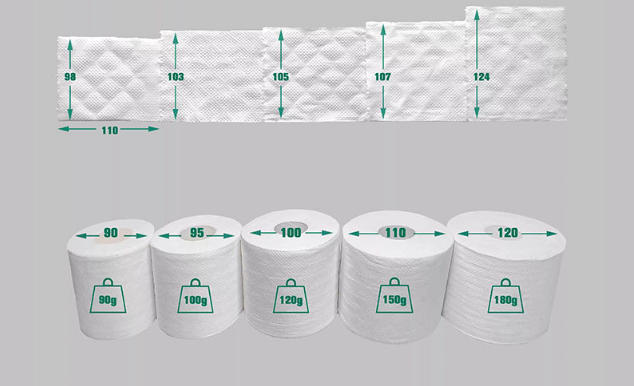
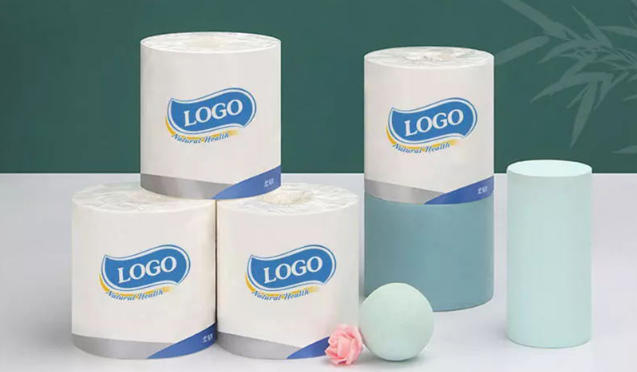
Another important question is how much customization the product must undergo. In private-label tissue manufacturing, there is relatively little customization because the proffered products are all based on the existing manufacturer specifications. Packaging design, corporate logos, and very occasionally the roll length or ply count can be customized by the company.
For most of the retailers, the customization done at that level fits the bill especially on the cheaper folded tissue rolls.
For the OEM, on the other hand, customization is demanded with a clearer vision. This could require, among other things, specific technical specifications, fiber composition, softness levels, embossing, sheet size, packaging system, and green credentialing. This type of command and control are particularly desirable for entities intending to the create products with specialties in tissueing or extraordinary innovations that satisfy specific consumer tastes.
3. Cost Structure and Investment Considerations
With cost, there rises another major decisional division between the private label and OEM manufacturing. The lower phase of the cost, often, governs a private label through the OEM manufacturing because the manufacturer having these products of him/her are much more available with all the production processes. Instead, investments in branding, package design, and marketing become a priority for companies.
It involves a higher initial investment due to substance like design, testing, and sampled products. The production facility may ask for changes in the production process, and this would have a very high development expense.
In spite of the fact that it requires a significant development, OEM manufacturing is a long-term investment that contributes to the final value of companies by facilitating the introduction of differentiated products of higher market prices.
4. Time to Market and Production Efficiency
Timely launch of products is a big consideration with regard to deciding upon the most appropriate form of manufacture. Private label tissue products are generally considered quicker to market as they often fall back on existing product designs and production processes. This allows firms to quickly respond to market opportunities, thereby adding to the portfolio continuously within a short period.
The formation of a credible array of IPs is certainly not immediate. Instead, a timeline is necessary, which is truly the standard tenet of importance laid down by the original owner of the requirements, carefully sketched out, tested on prototype(s), adjustments carried out through the entire chain to satisfy the prerequisites. This system takes more time, but that is just to ensure that the final product interprets as near as possible to the ideas of the brand owner; thus, close to contemplated standards as well.
5. Manufacturing Knowledge and Partnership Reliability
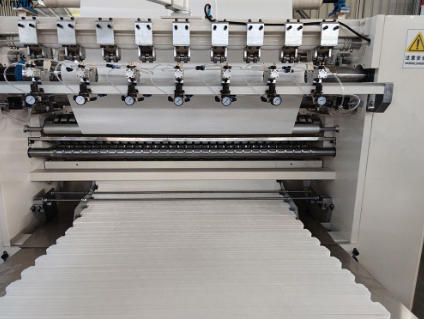
Irrespective of private label or OEM manufacture, a manufacturing partner is of necessity to choose with regards to reliability. The papermaking manufacturers must own superior manufacturing equipment, very strong quality control systems, and very reliable raw material-sourcing capabilities.
In OEM alliances, a manufacturer’s engineering stamina gets further weighted as custom product development mandates unusually close triangulation between the brand’s ownership and the manufacturing team. A considerable research and development capability on the manufacturer’s side can add value to the product design, enhance performance properties, and contribute to fine-tuning manufacturing efficiency on behalf of the brand.
In large-scale product manufacturing, reliability and ongoing quality control, albeit at much higher standards, become crucial for private label manufacturing: Retail outlets rely heavily on predictable product supply to maintain customer satisfaction.
6. Long-Term Business Growth and Scalability
When drafting the draft of the private label vs. OEM decision, keep in mind the significance of long-term business growth strategies being crafted. Private label production could be the go-to way to broadening product offerings for pragmatic retail-oriented markets.
However, the possibility of substantiation of ones own product development operation, and thereby, his patenting another tissue product line, is really another gift that law permits.
Factor of scalability plays a pivotal role. Manufacturers with a high level of capacity and accommodating converting lines will ensure growing demand and everlasting supply as the brand starts getting advanced into both newer markets.
Summary
- Private label manufacturing is a fast, cost-effective, and reliable solution for companies who seek to provide high-quality tissue paper products under their own brands.
- OEM manufacturing provide a great array of opportunities for product differentiation and innovation through customized design and development.
Future Trends in Private Label and OEM Tissue Paper Manufacturing
| Trend | Description | Impact on Private Label Manufacturing | Impact on OEM Manufacturing |
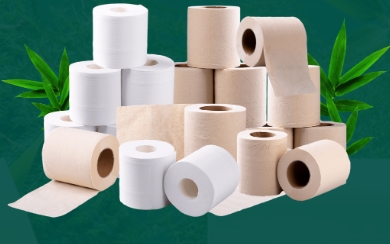
| Sustainability and Eco-Friendly Materials | Increasing use of recycled fibers, bamboo pulp, and biodegradable packaging in tissue products. | Retailers will introduce more eco-friendly private label tissue products to meet consumer demand for sustainable household goods. | OEM brands will develop specialized sustainable tissue products with unique material blends and environmental certifications. |
| Automation and Smart Manufacturing | Adoption of automated production lines, digital monitoring systems, and AI-driven quality control. | Manufacturers can produce large volumes of standard private label tissue products more efficiently and consistently. | OEM partners can leverage advanced technologies to produce customized products with higher precision and quality consistency. |
| Product Premiumization | Growing consumer demand for softer, stronger, and more absorbent tissue products. | Private label brands will gradually upgrade product quality to compete with premium national brands. | OEM manufacturing will enable the development of premium tissue products with enhanced softness, embossing, and advanced fiber technology. |
| Customization and Brand Differentiation | Increasing demand for unique packaging designs and product features. | Private label customization will mainly focus on packaging design and branding elements. | OEM manufacturers will offer deeper product customization, including special embossing patterns, materials, and packaging formats. |
| E-commerce and Direct-to-Consumer Sales | Rapid growth of online retail platforms for household products. | Private label tissue brands will expand through online marketplaces and subscription-based household supply services. | OEM brands will develop customized packaging and logistics-friendly product formats for online distribution channels. |
| Supply Chain Optimization | Improved logistics systems and localized manufacturing to reduce transportation costs and risks. | Retailers will partner with regional manufacturers to ensure stable supply and faster distribution. | OEM brands may collaborate with multiple manufacturers globally to strengthen supply chain resilience. |
| Innovation in Packaging | Development of compact packaging, recyclable materials, and consumer-friendly designs. | Private label packaging will focus on cost efficiency and environmental sustainability. | OEM manufacturing will explore innovative packaging designs that support brand identity and premium positioning. |
| Data-Driven Product Development | Use of consumer data and market analytics to guide product design and improvements. | Retailers will use sales data to adjust private label product specifications and pricing strategies. | OEM brands will use market insights to develop differentiated products targeting specific consumer segments. |
Final Thoughts
In the field of tissue paper manufacturing, the private label and OEM are two principal modes of production. The two options allow companies to leverage the expertise and infrastructure of specialized tissue manufacturers. Hence, a company will be able to choose the best tissue paper manufacturing strategy suited to fulfill its brand goals, market positioning and long-term growth plan once differences between private label and OEM manufacturing are understood.