Manufacturing Innovations in Bamboo Toilet Paper
The growing focus on sustainability in consumer behavior and business strategies has prompted the rise of bamboo toilet paper as an eco-friendly substitute for traditional toilet paper products. Bamboo is quickly renewable; it grows quickly, uses little water, and self-regenerates. In addition to its eco-friendliness, the recent advances in technology for the production of bamboo toilet paper are improving its quality and efficiency, making it more sustainable and competitive on the market.
Traditional Methods for Manufacturing Bamboo Toilet Paper
| Step | Traditional Method | Limitations |
| Harvesting | Manual or semi-mechanized cutting of mature bamboo stalks | Labor-intensive, slower; may not optimize yield |
| Pulping | Chemical pulping using strong acids or chlorine-based processes | High chemical usage, environmental pollution, possible fiber damage |
| Bleaching | Chlorine or chlorine dioxide bleaching | Produces bright paper but generates harmful effluents |
| Papermaking / Forming | Wet-laid paper formation on conventional paper machines | Inconsistent fiber bonding, less softness, lower absorbency |
| Creping / Rolling | Mechanical creping with standard rollers | May result in uneven thickness and weaker sheets |
| Ply Formation | Simple stacking for 1-2 ply rolls | Limited absorbency and durability |
| Packaging | Plastic-wrapped rolls | Non-biodegradable, contributes to environmental waste |

Key Innovative Techniques for Bamboo Toilet Paper Manufacturing
1. Advanced Pulping Techniques
The production of bamboo toilet paper begins with pulping, where raw bamboo fibers are converted into usable pulp.
Here’s a chart detailing advanced pulping techniques for bamboo toilet paper manufacturing
| Technique | Process Description | Advantages | Considerations |
| Mechanical Pulping | Bamboo stalks are physically ground into pulp using rollers or refiners | Preserves most fiber length, reduces chemical use, eco-friendly | Higher energy consumption, may produce slightly coarser fibers |
| Enzymatic Pulping | Enzymes break down bamboo fibers to form pulp | Minimizes chemical usage, improves fiber softness, eco-friendly | Enzymes can be costly, requires precise control of conditions |
| Chemical Pulping (Modified) | Uses reduced amounts of chemicals like sodium hydroxide or sulfite | Produces smoother, high-quality pulp | Still uses chemicals, requires proper effluent treatment |
| Steam or Hot Water Treatment | Bamboo is softened with heat and water before pulping | Reduces fiber damage, improves pulp flexibility | Less efficient for very dense bamboo, requires careful energy management |
| Combined Mechanical + Enzymatic | Mechanical grinding followed by enzymatic treatment | Optimizes fiber quality, strength, and softness, lower chemical use | More complex process, higher initial investment |
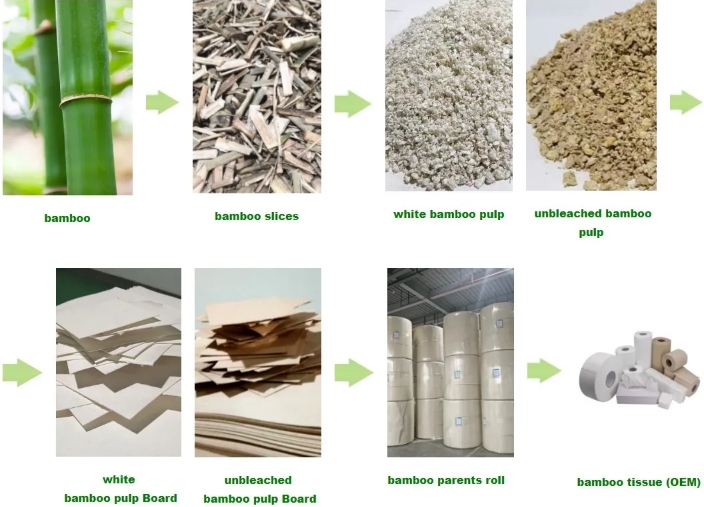
2. Eco-Friendly Bleaching and Whitening
Bleaching is one of the final steps to transform bamboo pulp into the bright and clean paper that customers demand. Traditional, chlorine-based treatments are hazardous to the environment and provide little in the way of sustainable production. Newer, more eco-friendly methods include oxygen-delivery modalities, and use of ozone and hydrogen peroxide. In addition, producers are offering more sustainably colored toilet paper by using natural dyes and other mild, eco-friendly additives.
3. High-Speed, Precision Converting
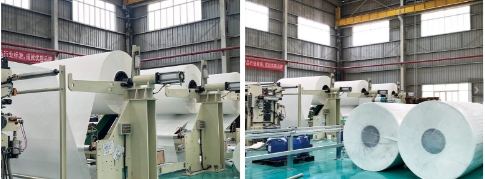
Creping, embossing, and perforating the pulp are the processes used to complete the roll. New high-speed precision converting systems and methods designed to achieve the system which means there is a consistent, strong, and soft roll achieved. New and advanced embossing systems and methods focused on the primary goal of even thickness on the soften edge. Automated quality control systems and methods reduce defects, which leads to waste. Overall, improvements to manufacturing systems and methods increase the reliability of the end products.
4. Layering and Ply Optimization
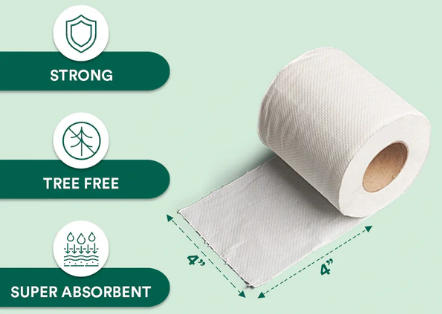
Bamboo fibers are naturally strong and soft, allowing for multi-ply configurations that are highly absorbent and gentle on the skin.
This chart provides layering and ply optimization in bamboo toilet paper production, highlighting improvements in strength, absorbency and softness.
| Aspect | Description | Benefits | Challenges |
| Single Ply | One layer of bamboo fiber sheet | Simple production, lower material usage, cost-effective | Lower absorbency, less strength, may tear easily |
| Multi-Ply (2-3 ply) | Improves uniformity, increases absorbency, and reduces material waste | Enhanced absorbency, greater strength and durability, softer texture | Requires precise bonding and alignment to avoid uneven thickness |
| Fiber Distribution Optimization | Adjusting fiber density and orientation within each ply | Improves uniformity, increases absorbency, reduces material waste | Needs advanced machinery and monitoring for consistency |
| Hybrid Ply Designs | Combining bamboo fibers with small amounts of recycled or specialty fibers | Balances softness, strength, and cost efficiency | Blending must be controlled to maintain eco-friendly claims |
| Embossed / Patterned Ply | Textured or patterned surface for each layer | Improves grip, aesthetics, and absorbency | Embossing requires precision to avoid weak spots |
5. Sustainable Packaging Solutions
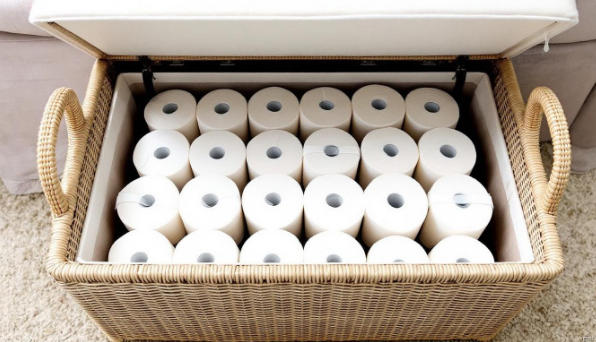
Bamboo tissue paper manufacturers have also innovated in packaging.
This chart offers sustainable packaging solutions for bamboo toilet paper rolls.
| Packaging Solution | Description | Benefits | Considerations |
| Biodegradable Wrappers | Made from plant-based or compostable materials | Fully decomposable, reduces plastic waste | May require careful handling to avoid moisture damage |
| Recyclable Paper Packaging | Uses recycled paper for wrapping or boxes | Reduces environmental impact, easily recycled | Limited moisture protection compared to plastic |
| Minimalist Packaging | Reduces packaging material to bare essentials | Cuts down material usage and cost, environmentally friendly | Less protection during transport, may affect shelf appeal |
| Bulk-Pack Formats | Multiple rolls packaged together without individual wrapping | Reduces per-unit packaging, lowers waste | Requires sturdy secondary packaging for transport |
| Reusable Packaging | Containers or boxes designed for multiple uses | Encourages reuse, reduces long-term waste | Higher initial cost, requires consumer participation |
| Water-Based Inks & Adhesives | Uses non-toxic, eco-friendly printing and gluing | Maintains recyclability and compostability | Must ensure adhesion and print durability meet standards |
6. Smart Manufacturing and Digital Integration
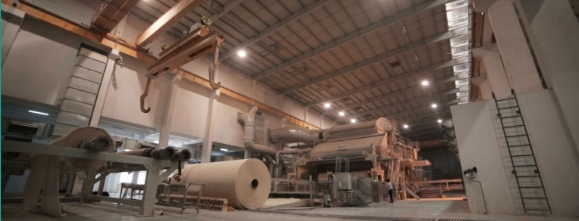
Smart manufacturing and digital surveillance technologies offer leading producers the ability to optimize production processes. Real-time monitoring of sensors and IoT devices tracking pulp quality, machine performance, and moisture content ensures product consistency and the reduction of energy use. The use of predictive maintenance strategies improves the production process by eliminating downtime and reducing waste of materials, thereby increasing the sustainability of production processes.

Advantages of Using Innovative Manufacturing Techniques for Bamboo Toilet Paper
1. Enhanced Softness and Strength
Newer pulping and fiber-processing techniques have assisted in the preservation of the natural integrity of the bamboo fibers. The combination of enzymatic and mechanical pulping, along with innovation in the design of the plies, allows for the production of toilet paper that achieves the dual qualities of softness and strength. This translates to high performance and durability to the consumers, while providing comfort, to the product that is copious in comparison to traditional paper.
2. Improved Absorbency
Sufficient absorbency of moisture by bamboo toilet paper is possible with advances in the layering and ply optimization techniques. Increased ply counts that have been designed with aligned fibers result in enhanced absorbency that is more efficient while material usage is minimized, increasing the product’s effectiveness and economy.
3. Reduced Environmental Impact
New manufacturing processes that reduce environmental impact achieve this through the reduction of water and chemical usage. The reduction of harmful effluents occurs through the use of environmentally safe bleaching methods, such as oxygen or ozone. This is further improve with the use of sustainable packaging materials, such as biodegradable and recyclable wrappers.
4. Consistent Quality
Advanced automation and real-time monitoring systems guarantee uniform rolls of consistent thickness, embossing, and perforation. Increased monitoring leads to reduced defects and higher reliability to satisfy consumers’ higher expectations of quality.
5. Resource Efficiency and Cost Savings
Smart manufacturing and digital integration improve efficiency by monitoring the quality of the pulp, machine performance, and energy expenditure, thus reducing waste and costs. This makes bamboo tissue more affordable while maintaining quality.
6. Innovation-Driven Product Differentiation
The use of advanced techniques allows the offer of highly sought after specialized products, for example, scented, colored, and ultra-soft products. This increased value with product offer helps with product differentiation and strengthens competitiveness in the market.
Summary
Innovations in the manufacturing processes of bamboo toilet paper respond to the rise in consumer demand for high quality, eco-friendly bamboo paper products. Enhanced pulping, ply structure optimization, reduced chemical use, and the adoption of smart manufacturing techniques simultaneously address quality and environmental concerns. Technology adoption will facilitate the accessibility of bamboo toilet paper to consumers who value product sustainability.