Kitchen Paper Towels vs. Reusable Cleaning Cloths: Which Option to Choose for Kitchen Cleaning
In the modern day household, efficiency and cleanliness are essential. Kitchen paper towels and reusable cleaning cloths are most used tools for kitchen cleaning. While both perform the major function of engaging hygiene and tidiness, their differences in cost, environmental suitability, comfort and performance rate have a huge significance. Understanding these distinctions aids proper selection for your household or business.

Understanding Kitchen Paper Towels
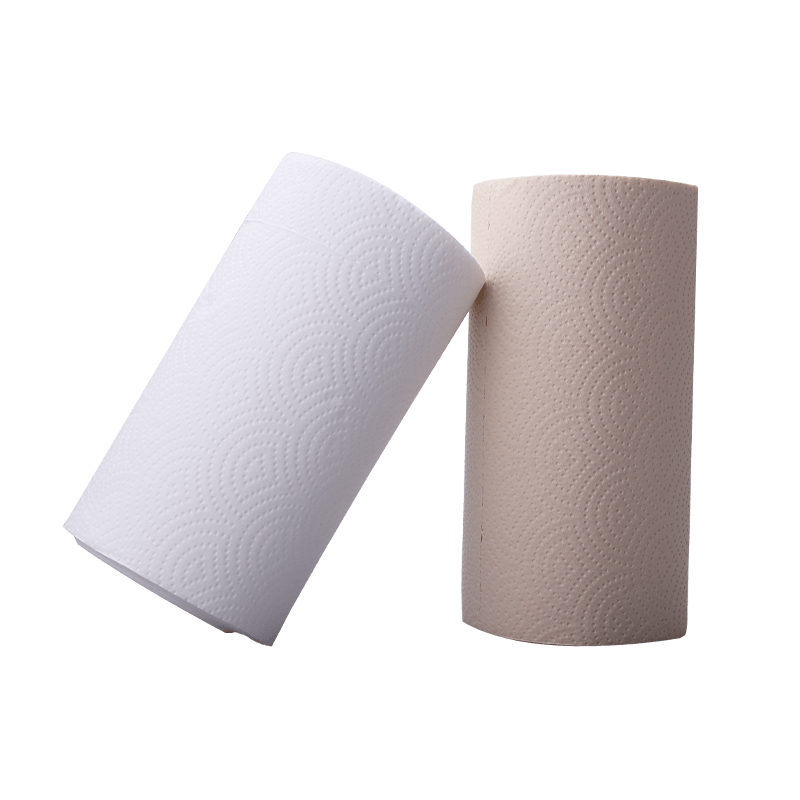
Most typically made of wood pulp fibers processed and formed to dry in sheets, disposable if need be, kitchen paper towels serve as cleaning materials. Their multitude of settings, resulting from hygienic and market value, serve households, professional kitchens, and food-processing locales alike. While meant for one-time use only, kitchen paper towels are very handy when wiping away spills, wiping surfaces, and soaking up oils or liquids.

Paper towels are constructed with several layers that are intended to increase their absorption and strength. Some advanced techniques are included in the process to enhance their absorbency as well, usually embossed threading techniques, which keep the liquid absorbed through the pulp layers from soaking through to the outer sheet. These ensure liquid saturation as the water will trickle through and touch the backing of the product. The most important factor that has resulted in paper towels being extensively used in many fields is that these wipers are single-use products, so they can help reduce contamination across places like kitchens and labs.
Advantages
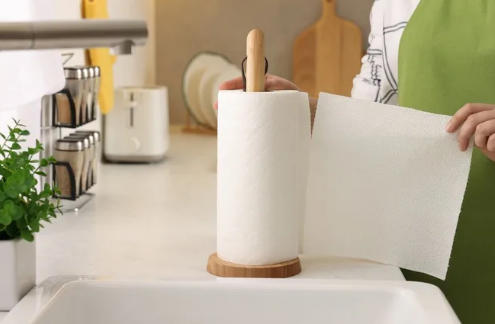
- High Convenience and Ease of Use: Kitchen paper towels are ready to use at any time and require no cleaning or maintenance. Their disposable nature makes them ideal for quick tasks, especially in fast-paced environments.
- Excellent Hygiene Control: Since each sheet is used once and then discarded, the risk of bacterial transfer between surfaces is significantly reduced. This is particularly important when handling raw meat, grease, or other contaminants.
- Strong Absorbency: Paper towels are designed to absorb liquids efficiently, including water, oil, and other kitchen spills. Multi-ply designs enhance their ability to hold and retain moisture without breaking apart easily.
- Versatility in Applications: They can be used for a wide range of tasks, including cleaning countertops, drying hands, wiping utensils, and even covering food during microwave heating.
- No Maintenance Required: Unlike reusable cloths, paper towels do not need washing, drying, or storage management after use, saving time and effort.
Limitations
- Environmental Impact: The production of paper towels involves the consumption of natural resources such as trees, water, and energy. Additionally, their single-use nature contributes to solid waste generation and landfill accumulation.
- Higher Long-Term Cost: Although inexpensive per roll, continuous repurchasing can result in higher cumulative costs over time, especially in high-usage settings.
- Limited Durability: Paper towels can tear when used on rough surfaces or when scrubbing stubborn stains, making them less suitable for heavy-duty cleaning tasks.
- Not Ideal for Repetitive Cleaning: For tasks that require frequent wiping or scrubbing, paper towels may be inefficient compared to reusable alternatives, as multiple sheets may be needed.
- Potential Supply Dependency: In situations such as supply shortages or increased demand, reliance on disposable products can become a disadvantage.
Understanding Reusable Cleaning Cloths
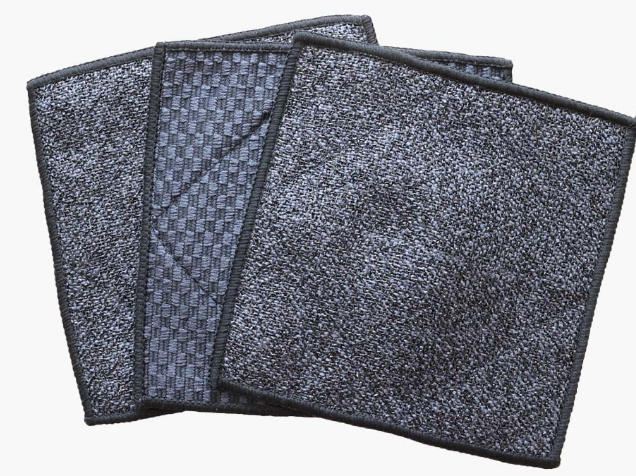
Reusable cleaning cloths are material cleaning tools from materials such as cotton, microfiber, or bamboo; durable materials. Being laundered and reused a number of times render these cloths a practical option for home and business cleaning.
Effectiveness always depends on the material properties. Cotton cloths are impeccably soft and absorbent, hence drying and wiping are perfect uses for them. Microfiber cloths are designed with ultrasensitive synthetic fibers that trap dust, grease, and microorganisms in the pores of the fabric, often minimizing the use of chemical cleaners. Bamboo cloths (also gaining repute for being naturally antibacterial and even giving the material added eco-friendliness) are the newer kid on the block.
Advantages
- Cost-Effectiveness Over Time: Reusable cleaning cloths can be reused multiple times, reducing the total costs of their use. Although the cost of purchase on reusable cloths exceeds that of disposable items, buyers benefit from long-term savings.
- Environmental Sustainability: Because of their contribution to waste minimization and decreased dependence on single-use modes, reusable cloths have been environmentally friendly. Lesser resources shall be invested over time compared to disposable paper-fiber products.
- High Cleaning Efficiency: Microfiber cloths are particularly great for capturing dust, soil, and grease. At the same time, their microscale structure allows for cleaning without cleaning chemicals, hence the ecological nature of saving energy and cleaning well.
- Durability and Strength: Their solidity is evident; hence, they can withstand leverage in washing, thereby upholding their durability in tugs and pulls.
- Versatility in Use: The cloths figure in an assortment of functions complete from dry affection to wet cleaning and dry polishing, across a variety of platforms.
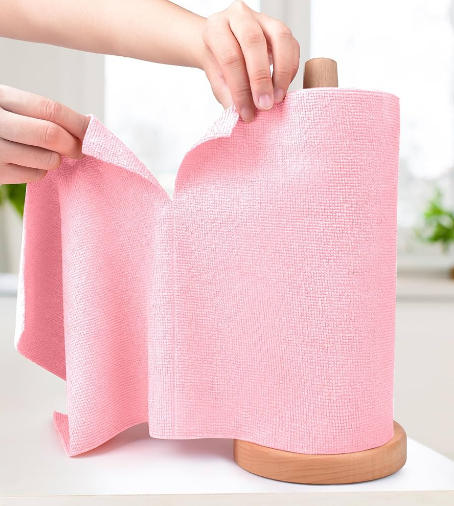
Limitations
- Maintenance Requirements: Most reusable cleaning cloths have to be washed regularly to keep them clean and in good working condition. This requires time, water, energy, and appropriate hygiene practices.
- Risk of Bacterial Growth: If the cloths are not cleaned properly and are not properly dried, they can get stinky, harbor bacteria, and attract contaminants, all of which can lead to a possible cross-contamination.
- Initial Cost: Initially, good quality reusable cleaning cloths cost more than one pack of paper towels.
- Performance Degradation Over Time: Sometimes, good and expensive reusable cleaning cloths can lose their absorbent qualities, texture, or cleaning ability because of incorrect washing or similar reasons.
- Less Convenience: Reusable cleaning cloths may not be as convenient for certain cleaning tasks like very greasy, very contaminated, or highly sanitized areas as they may necessitate subsequent washing or cleaning rather than immediate disposal.
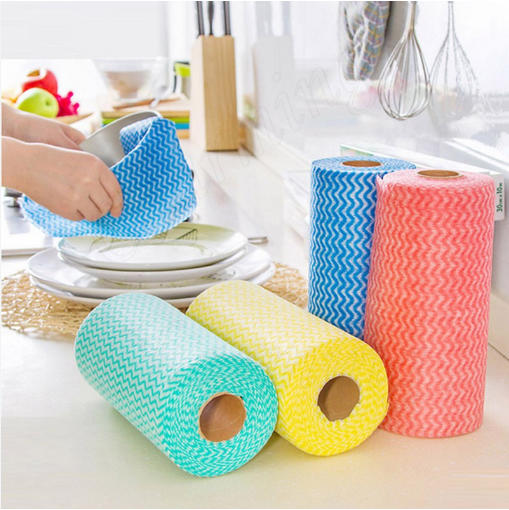
Key Differences Between Kitchen Paper Towels and Reusable Cleaning Cloths
This chart provides that kitchen paper towels excel in convenience and hygiene for single-use tasks, while reusable cleaning cloths provide better long-term value and sustainability.
| Aspect | Kitchen Paper Towels | Reusable Cleaning Cloths |
| Usage Type | Single-use, disposable | Multi-use, washable |
| Material | Wood pulp fibers | Cotton, microfiber, bamboo fibers |
| Convenience | Very high, no maintenance required | Moderate, requires washing and drying |
| Hygiene Control | Excellent (no reuse, minimal cross-contamination) | Depends on proper cleaning and maintenance |
| Absorbency | High for liquids and grease | High, especially microfiber (better for dust and dirt trapping) |
| Durability | Low, tears easily under heavy use | High, designed for repeated use |
| Cost Over Time | Higher due to continuous purchasing | Lower due to reusability |
| Environmental Impact | High (waste generation, resource consumption) | Lower (reduced waste, reusable nature) |
| Maintenance | None required | Requires regular washing and care |
| Best Use Cases | Quick spills, grease, raw food handling | General cleaning, polishing, repeated tasks |
| Performance Longevity | One-time use | Long-term use (with gradual wear over time) |
| Resource Consumption | Continuous consumption of materials | Initial production + ongoing washing resources |
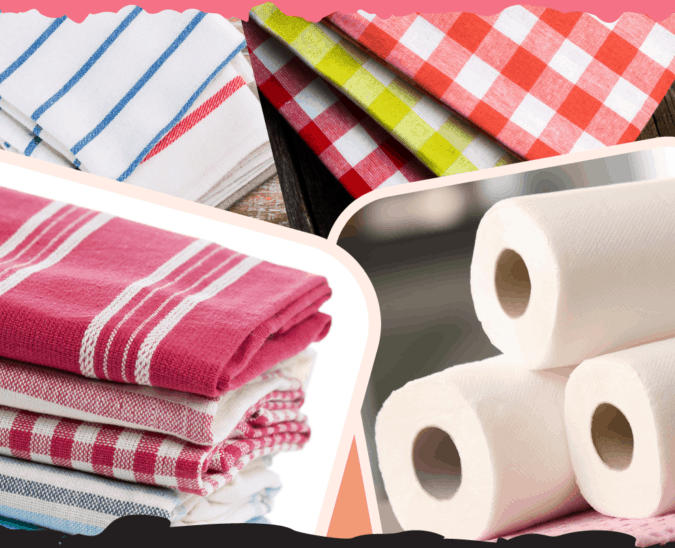
Key Factors to Consider for Choosing Between Kitchen Paper Towels and Reusable Cleaning Cloths
1. Purpose and Application Scenarios
The first factor to consider is how and where the cleaning tool will be used. The kitchen paper towels are perfect for one-off jobs, for example, for sponging off spills of oil, cleaning off remaining residues, or soaking up a sudden spill that should be cleaned up without delay.
On the other side, reusable cleaning clothswill suit nicely for routine cleaning duties- wiping down countertops, cleaning kitchen appliances, polishing to a shine, etc. Trying to match tools to tasks will guarantee work efficiency and safety.
2. Hygiene and Safety Requirements
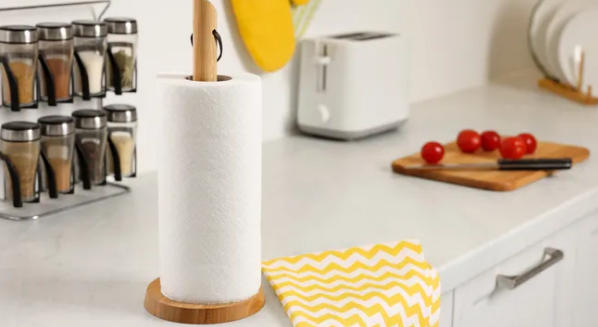
Hygiene is very important in the context of food preparation. The usage of kitchen paper towels is quite helpful when it comes to ensuring hygienic conditions since they are thrown away after use thereby reducing the chances of cross-contamination. Notably, that feature is quite useful in managing any raw meat or some potentially harmful substance. Reusable cleaning cloths can also be quite hygienic if washed frequently and clean; otherwise, if not properly cleaned, it can be soiled with bacterial and odors, and would be injurious to cleanliness.
3. Environmental Impact and Sustainability
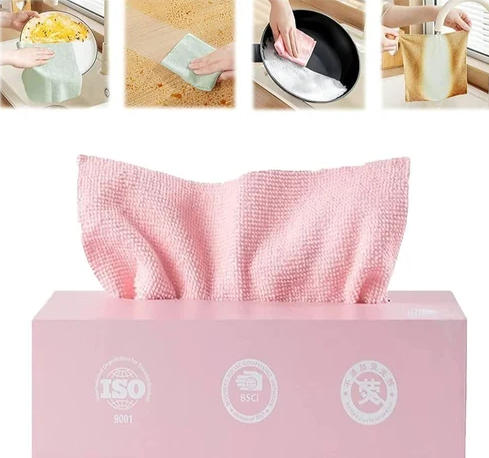
Environmental effect is a part of the decision-making process to decide between paper towels and reusable cleaning cloths. Traditional kitchen paper towels, frequently made from virgin wood pulp, have taken a large toll on deforestation, water, and energy consumption, while sole use throws up high waste for landfilling. The ‘green’ side of the story exists with the reusable cleaning cloths as they have a shorter life span, thus saving more resources and generating less waste in terms of size compared to their single-use variety. But they definitely need water, energy, detergents, and so on, all in laundry settings.
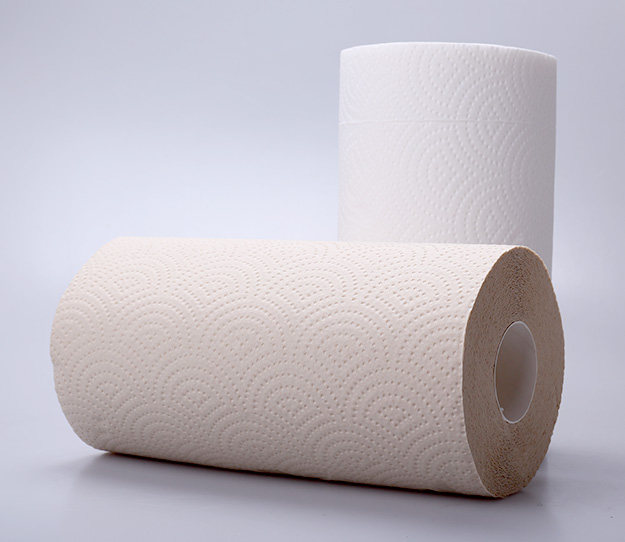
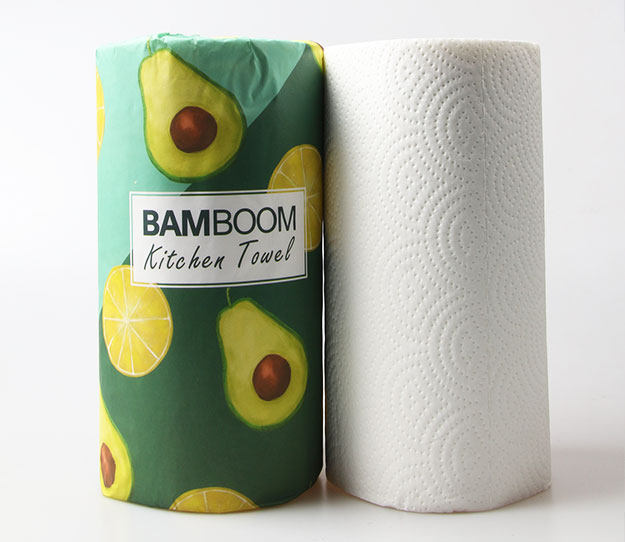
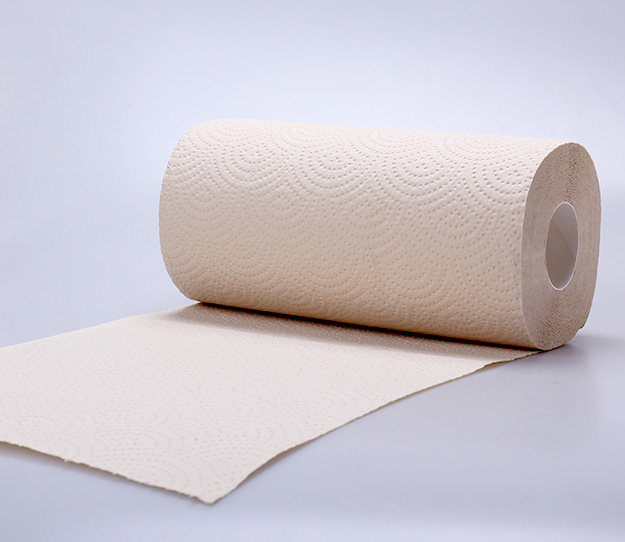
A potential future competitor on the scene is bamboo kitchen paper towels, manufactured from fast-growing bamboo fibers. Bamboo stands among the handful of renewable resources and very much grows naturally again without replanting and with the least amount of chemicals employed in keeping the plants alive. Hence bamboo-based paper towels could be the better bet as far as sustainability, when compared to your traditional set of paper towels. Moreover, certain products are developed to hold up and function as reusable cleaning cloths, providing several uses before being tossed.
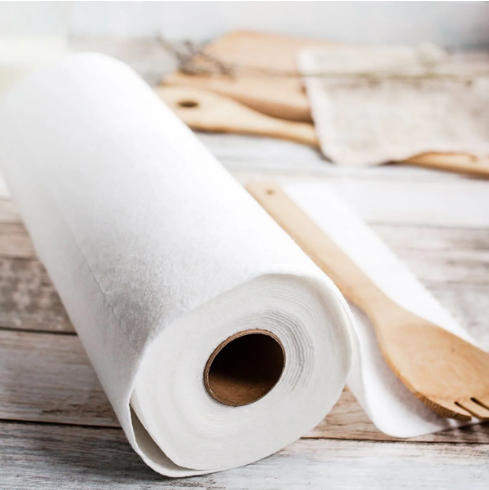
In most cases, sustainability involves both material consumption and usage habits, so in comparison to their traditional counterparts, bamboo kitchen paper towels contribute to reduced levels of environmental impact. Combining bamboo paper towels meant for the kitchen with reusable cleaning cloths will further enhance the probably most eco-friendly practices of utilizing cleaning materials.
4. Cost and Long-Term Value
In their long-term value perspective, reusable cleaning cloths certainly win the show on the cost front. These cleaning cloths require a huge initial outlay but can be used again and again sparing one from buying the cloths repeatedly. This is in contrast to paper towels in the kitchen, a practice which may be cheap in the first instance but cumulatively very expensive over time, particularly where the usage levels are high, whether for household or other commercial purposes.
5. Convenience and Time Efficiency
Convenience is another huge factor being considered by the customer. They are super easy to use; put them in the dust-bin when you’re done. This makes them suitable for faster and sometimes emergency cleaning activities. Reusable cleaning cloths, on the other hand, need to be washed, dried, and stored properly, which can be a little inconvenient for active households. Copying needs to be viewed in terms of how much effort one can put into maintaining.
6. Cleaning Performance and Versatility
Reusable cleaning cloths, especially those made of microfiber, may perform extremely well for cleaning. They can collect dust, dirt, and microorganisms effectively, and occasionally remove harmful substances without the use of chemical cleaners. In contrast, kitchen paper towels rise above in absorbing liquids and grease but are probably not good enough to survive the more aggressive use and scrubbing. Hence, the type of cleaning is an important consideration to determining the right material to use.
7. Frequency of Use and Consumption Patterns
Frequency of cleaning chores also comes into play. For facilities or homes which generally tend to do heavy and frequent cleaning, rags are the better choice as they turn out to be more practical and cost-effective. In contrast, for light or occasional cleaning, kitchen paper towels can be preferred for convenience. Knowing your pattern of use lets you optimize for cost and effect.
8. Type of Contaminants
Different cleaning situations come with different types of contaminants. Areas normally found with greasy, dangerous or extra dirty environments should be cleaned with disposable paper towels to some level to avoid intensive “clean-ups.” For more general dirt and less hazardous cleaning needs where there is little scope for safe, washed-and-reused materials are preferred.
9. Storage and Maintenance Considerations
Reusable cleaning cloths demand systematized storage and maintenance. This involves separating clean cloths from used ones and ensuring their washed properly. Paper towels are much easier to deal with because they require less space for storage and no time for handling post use. So for some users, space could be a factor.
10. Lifestyle and Personal Preferences
Ultimately, personal preferences and lifestyle choices have a major impact on a decision. Some users are looking for convenience and hygiene; some are thinking about greening and saving costs. Typically, the best practice would mean having a balance. One offers paper towels for tasks of high risk and reusable cloths for routine purposes.
Summary
- Kitchen paper towels are a reliable option when high standards of convenience and hygiene are top priorities.
- Reusable cleaning cloths are a better choice for environmental impact and long-term costs.
- In many cases, combining both solutions, kitchen paper towels and reusable cleaning cloths, provide the most balanced and practical approach for kitchen cleaning necessity.

Final Thoughts
Both kitchen paper towels and reusable cleaning cloths have their place in modern kitchens. Choosing between kitchen paper towels and reusable cleaning cloths involves consideration of evaluating multiple factors, including hygiene, environment impact, cost, efficiency, convenience, etc.