Jumbo vs. Regular Toilet Rolls: Choosing the Right Type for Your Needs
Toilet paper rolls are ubiquitous products of hygiene, found in homes, offices and public restrooms, etc. In most cases, regular toilet paper rolls are used in homes while jumbo toilet paper rolls are used in businesses or places with heavy traffic. Knowing the distinctions between jumbo and regular toilet rolls can assist users and managers of facilities in optimally selecting the most practical and affordable option in their respective situations.

Understanding Jumbo Toilet Rolls
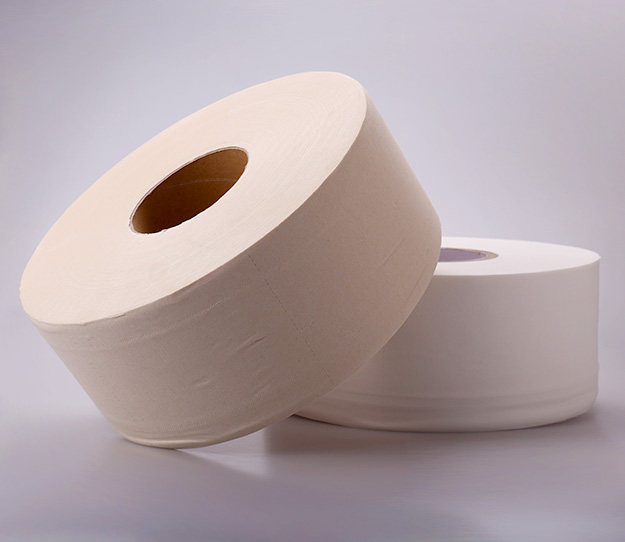
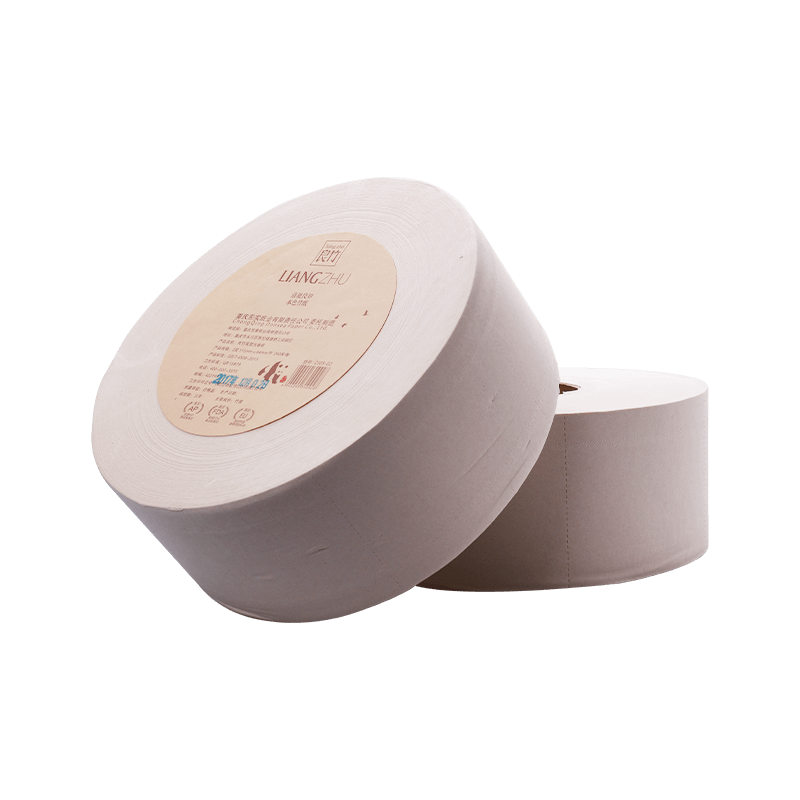
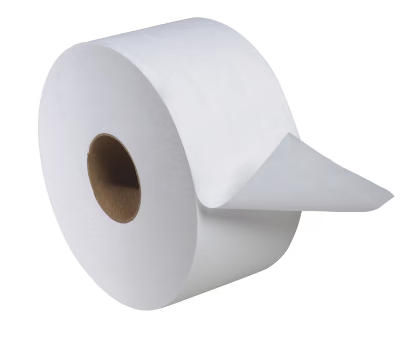
Jumbo toilet rolls are designed to last longer than standard toilet paper rolls and are significantly larger in size. The number of sheets per roll can vary based on the paper ply and thickness, but the range is usually between 1000 and 2000 sheets; thus, the size and specific thickness of the paper determine how many sheets are on the roll. Due to their size, these rolls are used with specially designed jumbo dispensers, which are often mounted on walls in public restrooms.
Advantages
- Extended Usage Time: Jumbo toilet paper rolls significantly extend the amount of time between each servicing, which is essential for facilities in heavy traffic areas such as shopping malls or airports, schools and office buildings.
- Cost Efficiency: jumbo toilet paper rolls are economically advantageous as they reduce overall costs. The rolls themselves, and in bulk, reduce packaging, transportation, and storage costs, resulting in long-term savings for facility managers.
- Reduced Maintenance Effort: The reduction in roll replacements means that maintenance staff spend considerably less time monitoring and replacing paper products. This enhances restroom upkeep overall and allows staff to focus on ensuring that toilet paper remains available.
- Environmentally Friendly: Jumbo rolls typically use less packaging material per unit of paper. Because of their bulk design, fewer transport trips will be made, contributing to a reduction in greenhouse gas emissions and waste.
- Continuous Supply for Users: In public restrooms, running out of toilet paper can be a major inconvenience. Jumbo rolls reduce the likelihood of this situation arising, thus, improving the overall restroom experience.
Limitations
- Compatibility with Dispensers: Jumbo toilet rolls need specific oversized dispensers that may incur extra costs which can be a deterrent in small or home bathrooms.
- Initial Bulk and Storage Requirements: Because of their size, jumbo toilet rolls can be bulky to manage. This would require facilities to designate a proper storage area to minimize organized chaos.
- Less Suitable for Home Use: Jumbo toilet rolls are not practical for home bathrooms which is a stark contrast to public and commercial restrooms. This is because home bathrooms are equipped with standard toilet paper rolls which are made to be smaller in size.
- Limited Aesthetic Appeal: Jumbo dispensers tend to prioritize utilitarian functionality over aesthetics. In more upscale or decorative settings, they may clash with the desired aesthetics of the restroom.
Common Applications
- Public Restrooms: Jumbo rolls are used in restrooms at airports, train stations, shopping malls, and cinemas. Their easily maintained and reliably constant availability to users assists in minimizing maintenance frequency.
- Office Buildings and Schools: Restrooms in workplaces and educational institutions support the rest supply management to multiple facilities as the economical and efficient answer.
- Hospitals and Healthcare Facilities: These settings benefit from the hygienic and constant supply of jumbo rolls to help sustain cleanliness and limit cross-contamination.
- Industrial and Manufacturing Sites: Factories and warehouses use jumbo rolls to manage very high operationally low daily usage.
- Hospitality and Event Venues: Jumbo rolls are used in the back-of-house or high-traffic restrooms of large hotels, convention centers, and event spaces to help sustain supply during peak hours.
Understanding Regular Toilet Rolls
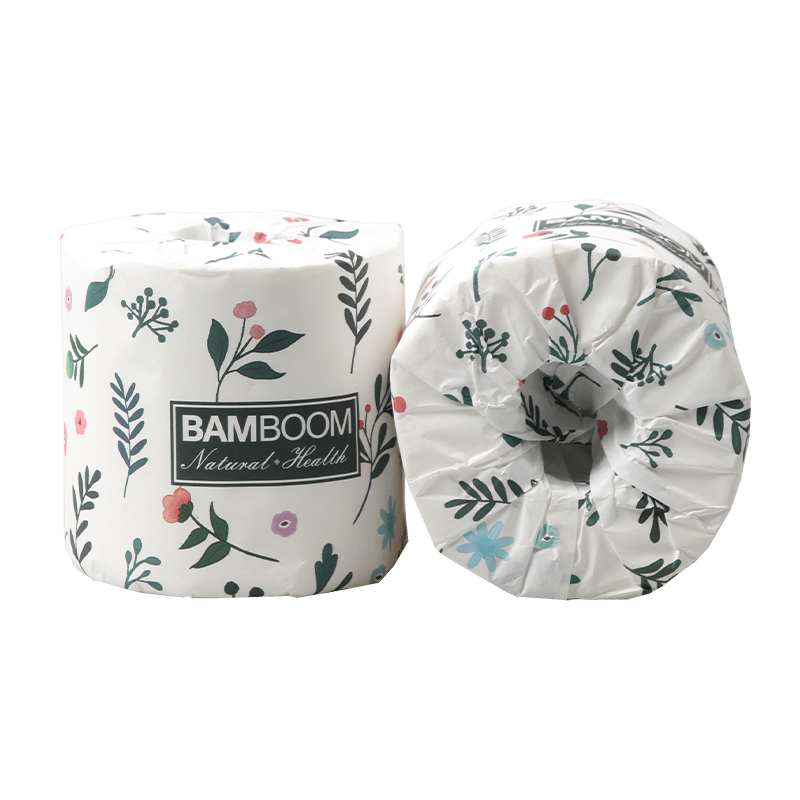
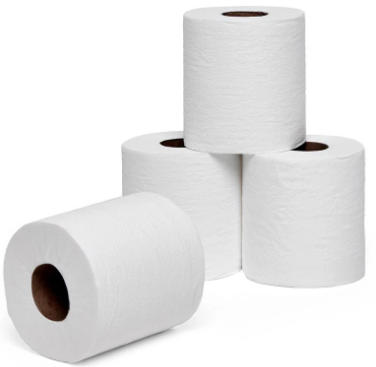
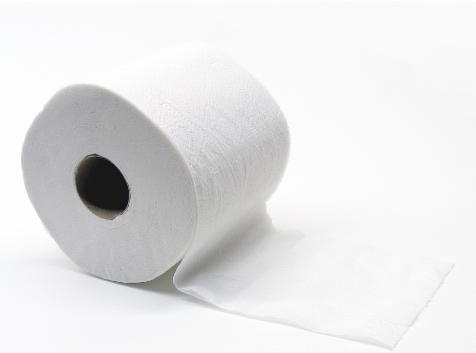
Regular toilet rolls, or standard toilet paper rolls, are compact rolls of tissue that contain 200 to 300 sheets. Intended for household use, they fit most standard toilet paper holders without any special dispensers. They come in different plies, one, two or three, providing different degrees of softness, strength, absorbency, and varying including softness and varying absorbent to individual preferences.
Advantages
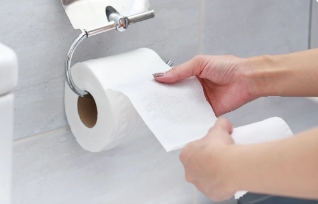
- Easy Compatibility: Regular toilet rolls are universally compatible with most household and small restroom dispensers. They do not require specialized fixtures or equipment. This makes them simple and convenient to use.
- Comfort and Softness: Many regular toilet rolls are generally made prioritizing user comfort, providing multiple layers (plies) of softness. This makes them ideal for domestic bathrooms where user experience is a priority.
- Compact Size: Their smaller size makes regular rolls easy to handle, store, and replace. They also fit perfectly in compact bathrooms where space is limited.
- Aesthetic Appeal: Regular rolls come in a variety of packaging and wrapping styles that fit upscale bathroom designs, adding a touch of neatness and luxury.
- Readily Available and Affordable: All types of toilet paper rolls can be purchased comfortably from supermarkets and online retailers. Toilet paper rolls also come in a variety of pack sizes so consumers can choose depending on their budget and consumption.
Limitations
- Frequent Replacement Needed: Regular rolls of toilet paper contain a limited number of sheets which results in their needing replacement more frequently, especially in shared and high traffic rest rooms. This can act as a hindrance during maintenance as time and labor costs in commercial settings will obviously increase.
- Higher Cost per Use in High-Traffic Areas: Although regular toilet rolls of toilet paper can be purchased for a low variable cost, in high usage environments, such as restrooms where several rolls are used in a single day, the cost of toilet paper rolls starts becoming a liability.
- Packaging Waste: Regular toilet paper rolls can also have progressive levels of excessive packaging waste. Jumbo rolls not only reduce the used packaging waste, but also reduce the need for waste to be processed.
- Inconsistent Availability in Large Quantities: Restrooms which are in an institution or office are specifically designed to take large quantities of toilet rolls. In this situation, the installation of commercial bulk rolls is more efficient than regular toilet rolls.
Common Applications
- Residential Homes: Regular toilet rolls are the standard choice for households due to their comfort, accessibility, and easy compatibility with typical bathroom fixtures.
- Small Offices and Retail Shops: Regular toilet paper rolls can also be used in small offices, clinics and shops where the rest rooms are not frequently used.
- Hotels and Guesthouses: Regular toilet rolls are less expensive than boutique toilet rolls and the appearance of tuck-in toilet rolls are more aesthetically pleasing than decorative toilet rolls. Guest comfort is of utmost importance as to guest perception and experience.
- Private Healthcare Facilities: Smaller clinics and private practices have limited restroom traffic by which rolls can be used for patient restrooms where comfort and hygiene is most critical and of utmost importance.
- Small Cafe and Restaurants: Regular toilet rolls are aesthetically pleasing and cost-effective for smaller hospitality environments. As such, they are most suitable for customer restrooms.
Key Differences Between Jumbo and Regular Toilet Rolls
This chart highlights that jumbo toilet rolls prioritize efficiency and economy, while regular toilet rolls focus on comfort and convenience, each serving distinct usage environments effectively.
| Category | Jumbo Toilet Rolls | Regular Toilet Rolls |
| Size and Capacity | Large rolls with 1000–2000+ sheets per roll | Smaller rolls with 200–300 sheets per roll |
| Usage Frequency | Require infrequent replacement due to higher capacity | Require frequent replacement, especially in shared restrooms |
| Best Suited For | High-traffic commercial and public restrooms | Homes, small offices, and low-traffic restrooms |
| Dispenser Requirement | Needs special jumbo roll dispensers | Fits standard household holders |
| Maintenance Needs | Low maintenance–fewer roll changes needed | Higher maintenance – frequent replacements required |
| Cost Efficiency | More cost-effective in the long term for large facilities | More economical for small-scale or domestic use |
| Storage and Handling | Bulkier, requires larger storage space | Compact and easy to store |
| Environmental Impact | Less packaging waste and fewer deliveries | More packaging waste per unit of paper |
| User Experience | Focused on practicality and efficiency | Emphasizes comfort, softness, and aesthetic appeal |
Key Factors to Consider for Choosing Between Jumbo and Regular Toilet Rolls
The different types of toilet rolls available can have a significant impact on hygiene upkeep and overall costs. Whether for a commercial facility or for a household, this understanding helps choose the right type, ensuring it corresponds with the intended environment and intended purpose.
1. Volume of Restroom Traffic
The first thing to consider is how often the restroom is used. In high-use scenarios, such as airports, shopping centers, schools, or office buildings, jumbo rolls make the most sense due to their size and decreased replacement frequency. On the other hand, in areas with less traffic, such as private residences or small offices, the normal rolls are the most appropriate in terms convenience and aesthetics.
2. Maintenance Efficiency
Restroom upkeep is another important factor to consider in toilet roll selection. January toilet rolls offer less complicated planning and less predictable workloads, mainly due to their replacement intervals. In small settings where maintenance cannot be an issue, regular rolls are designed for ease of use, in terms of dispensing simplicity, instead of specialized dispensers.
3. Cost Considerations
Cost considerations are crucial for decision making. For businesses with heavy usage, jumbo rolls are more economical in the long run as they reduce the frequency of transportation and packaging waste. They tend to have a lower per-sheet cost as well. For lower usage domestic use and with limited storage space, regular toilet rolls are more cost-effective. The decision in this case rests on both the expected initial costs and subsequent variable costs.
4. Dispenser Compatibility
Each business should evaluate the type of dispensers they have. Jumbo rolls require specific jumbo dispensers, which may be associated with additional costs for the business. In contrast, regular rolls fit standard holders, making them ideal for homes, small businesses, and places without the infrastructure to support larger dispensers.
5. Storage Space and Logistics
The choice between jumbo and regular rolls might also be determined by storage capacity. Jumbo rolls are bulkier and thus require more storage space, which can be an issue for facilities with limited stock areas. On the other hand, they reduce the frequency with which customers need to be restocked. Regular rolls are compact, easy to handle, and simple to use for small bathrooms or facilities with limited storage capacity.
6. Environmental Impact
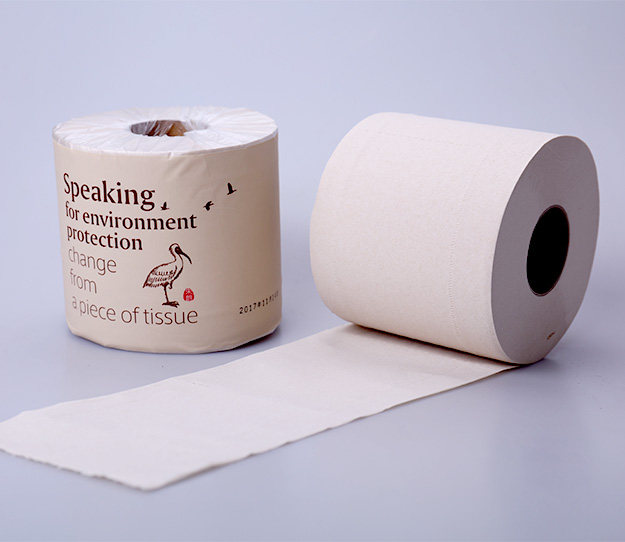
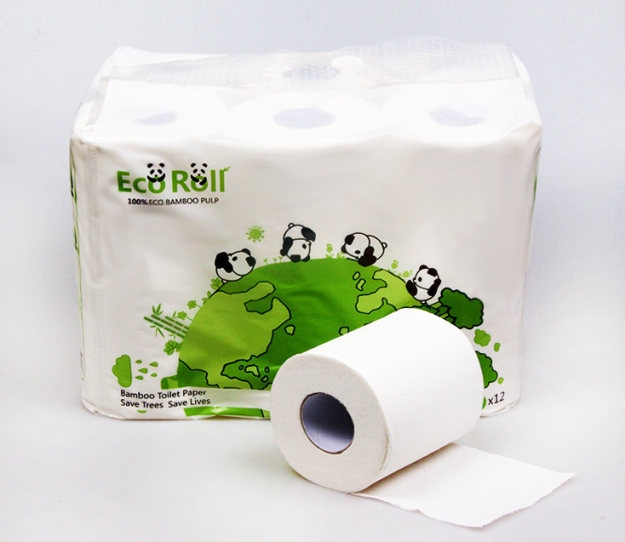
Concerns about the environmental impact of business operations continue to gain traction. With respect to environmental impact, jumbo rolls hold an advantage, as they require less packaging per meter of paper, and fewer deliveries are needed per volume of paper, thereby reducing the carbon footprint. Nevertheless, both jumbo and regular toilet rolls can be made from recycled or eco-friendly materials, such as bamboo toilet paper, recycled toilet paper , etc, and therefore, can be aligned with sustainable business operations.

7. Aesthetic and Design Preferences
The design consideration also impacts the decision. Regular rolls and holders are aesthetically more pleasing, and are often found in more elegant and high-end washrooms. In contrast, both in functionality and size, jumbo dispensers are more suited to public and utility spaces, as they are designed in an more coarse and industrial style, which detracts from, rather than adds to, decorative washrooms.
Summary
- Jumbo toilet rolls are better for economic, maintenance, and eco-friendly sustainable option in high-traffic commercial environments.
- Smaller spaces, residential settings and facilities are better suited with regular toilet rolls for ease of use, comfort and aesthetic purposes.
Final Thoughts
Jumbo vs. regular toilet rolls is, to an extent, determined by the volume and context of use. Jumbo rolls are designed for more efficient and economical use, while regular toilet rolls are more about ease and comfort for the user. Each type of toilet roll is designed to meet the hygiene needs and satisfaction of the user, with comfort.