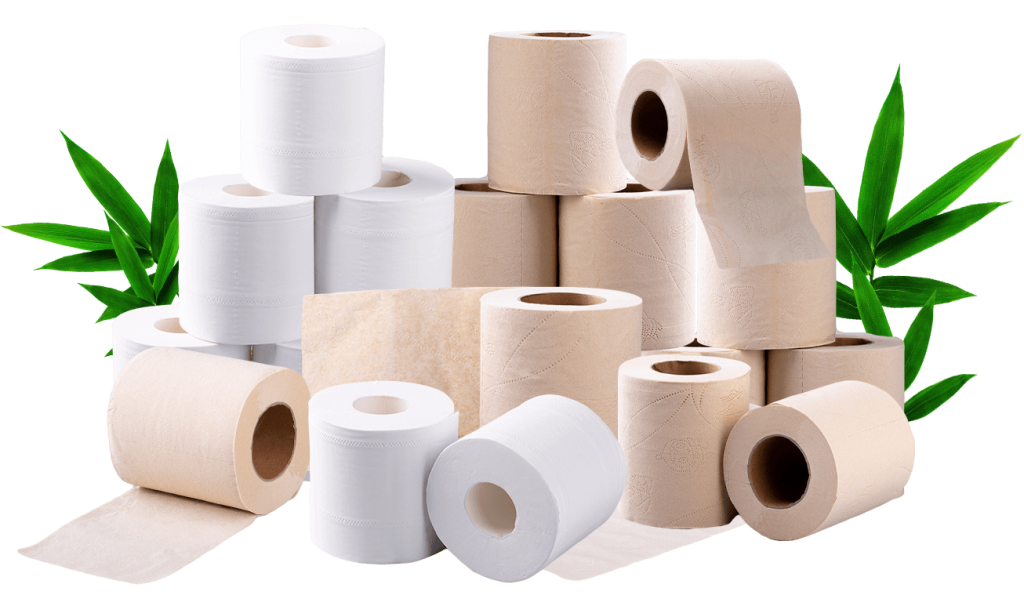
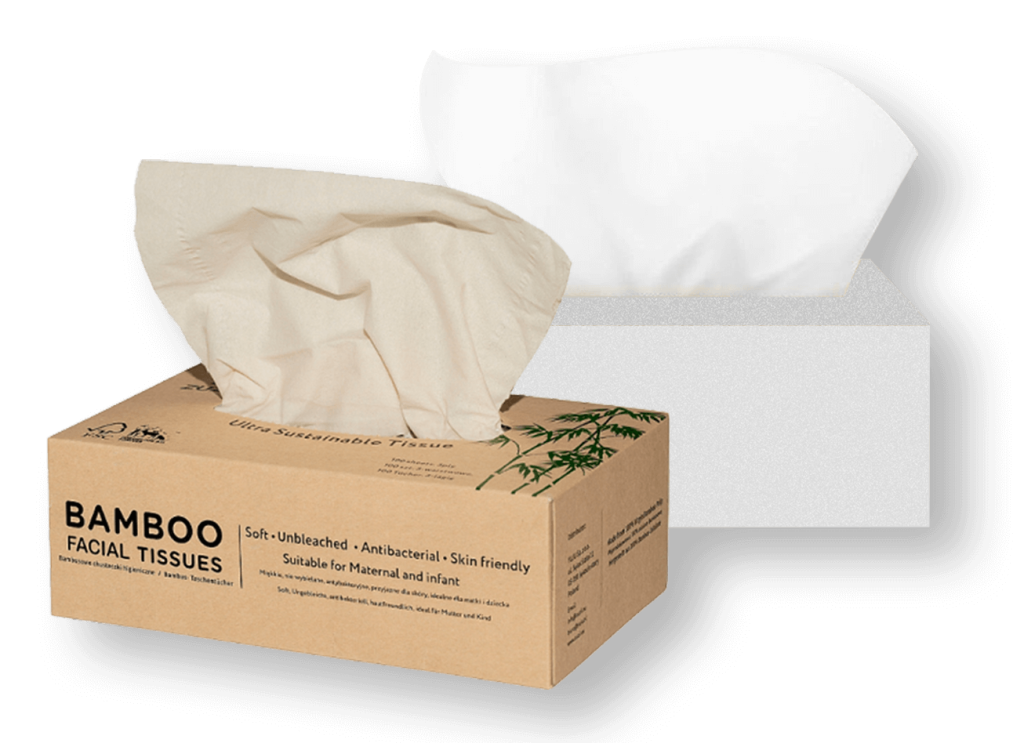
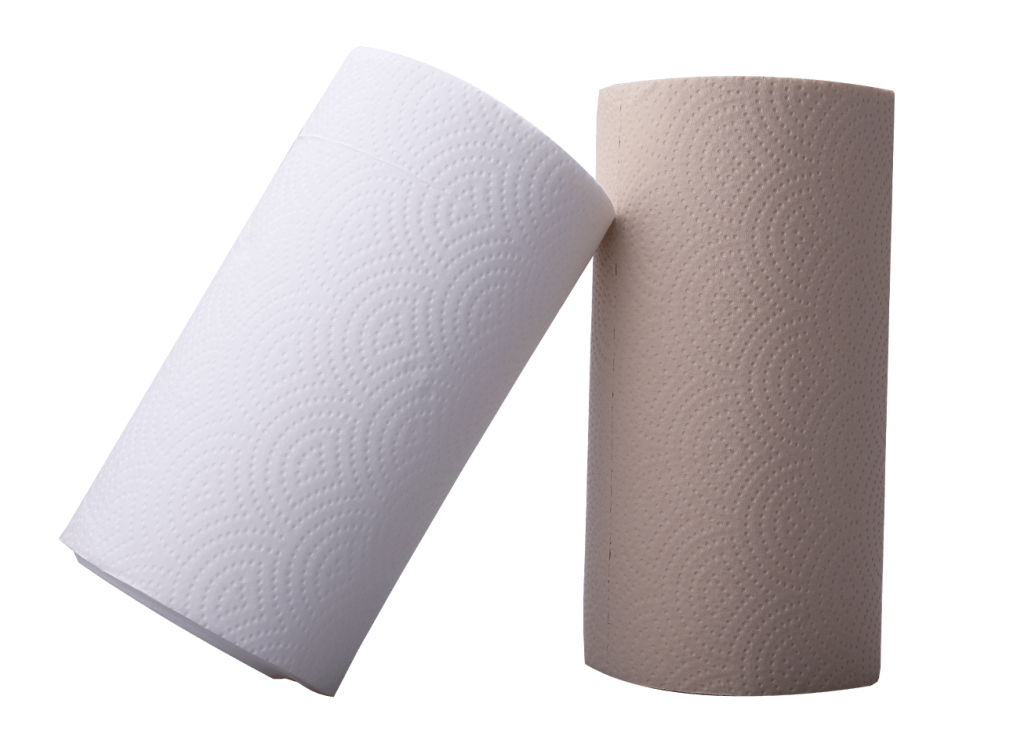
Is Bamboo Toilet Paper Better for the Environment?
In today’s world, sustainability has become more than just a trend—it’s a responsibility. From reducing single-use plastics to choosing eco-friendly products, every choice matters. One often-overlooked product in daily life is toilet paper. You may have asked yourself: “Is bamboo toilet paper better for the environment?”
Bamboo toilet paper is increasingly popular among environmentally conscious consumers. It promises fast renewability, lower water usage, and reduced chemical impact compared to traditional wood-pulp options. But is it truly the greener choice? Let’s explore its benefits, limitations, and what you should consider when choosing toilet paper.
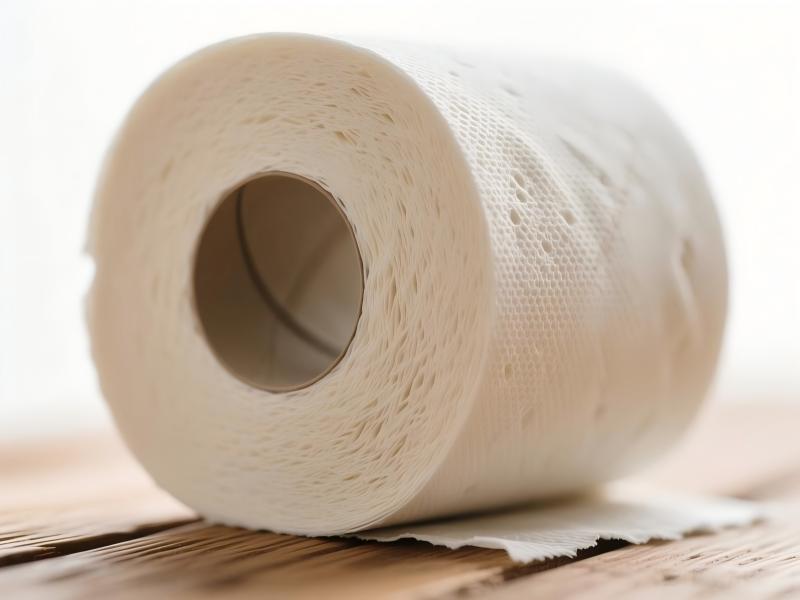
Understanding Bamboo Toilet Paper
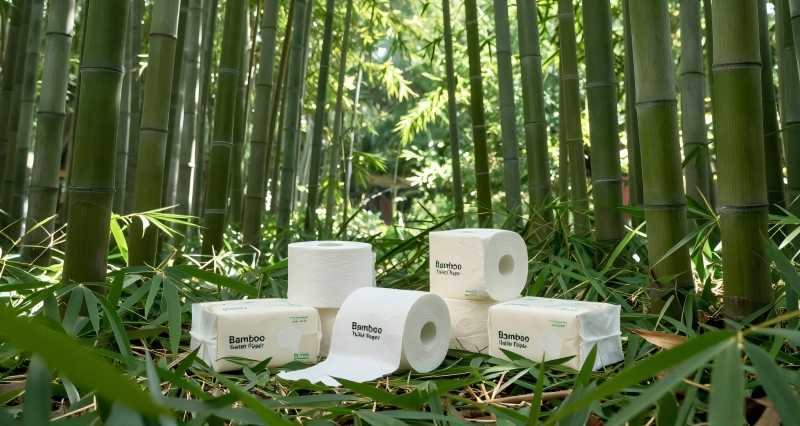
The production of bamboo toilet paper is based on the use of bamboo pulp, which is a type of grass that grows at an extremely fast pace and can take 3-5 years for it to mature compared to trees that usually require 20-30 years.
There are two main types:
Unbleached bamboo toilet papers are minimally treated and do not contain chlorine or any other strong chemicals.
Bleached bamboo toilet papers are softer and whiter in color, but because of containing chemicals that may have effects on the environment.
Key Facts:
- Bamboo grows rapidly, making it a highly renewable resource.
- It can be cultivated without pesticides or fertilizers in many regions.
- Producing bamboo paper generally requires less energy, water, and chemicals than traditional wood pulp paper.
Expert Insight: According to the World Wildlife Fund (WWF), a certain portion of traditional paper may either be replaced or be accompanied by bamboo in order to prevent deforestation.
Environmental Benefits of Bamboo Toilet Paper
1. Rapid Growth and Renewable Resources
Bamboo matures within a few years, while most trees used for toilet paper take decades. This fast growth allows sustainable harvesting without depleting forests, protecting biodiversity and reducing deforestation.
2. Lower Water and Chemical Usage
Traditional paper production consumes thousands of liters of water per kilogram of paper and often involves chlorine-based bleaching. Bamboo paper requires significantly less water and can be processed using eco-friendly bleaching methods.
3. Reduced Carbon Footprint
Bamboo is a carbon-sequestering plant. It absorbs CO₂ rapidly during its growth, helping mitigate climate change. Additionally, producing bamboo toilet paper generally emits fewer greenhouse gases compared to wood-pulp alternatives.
4. Biodegradability and Compostability
Bamboo toilet paper is fully biodegradable, meaning it breaks down quickly in compost or wastewater systems. This reduces landfill waste and environmental pollution.
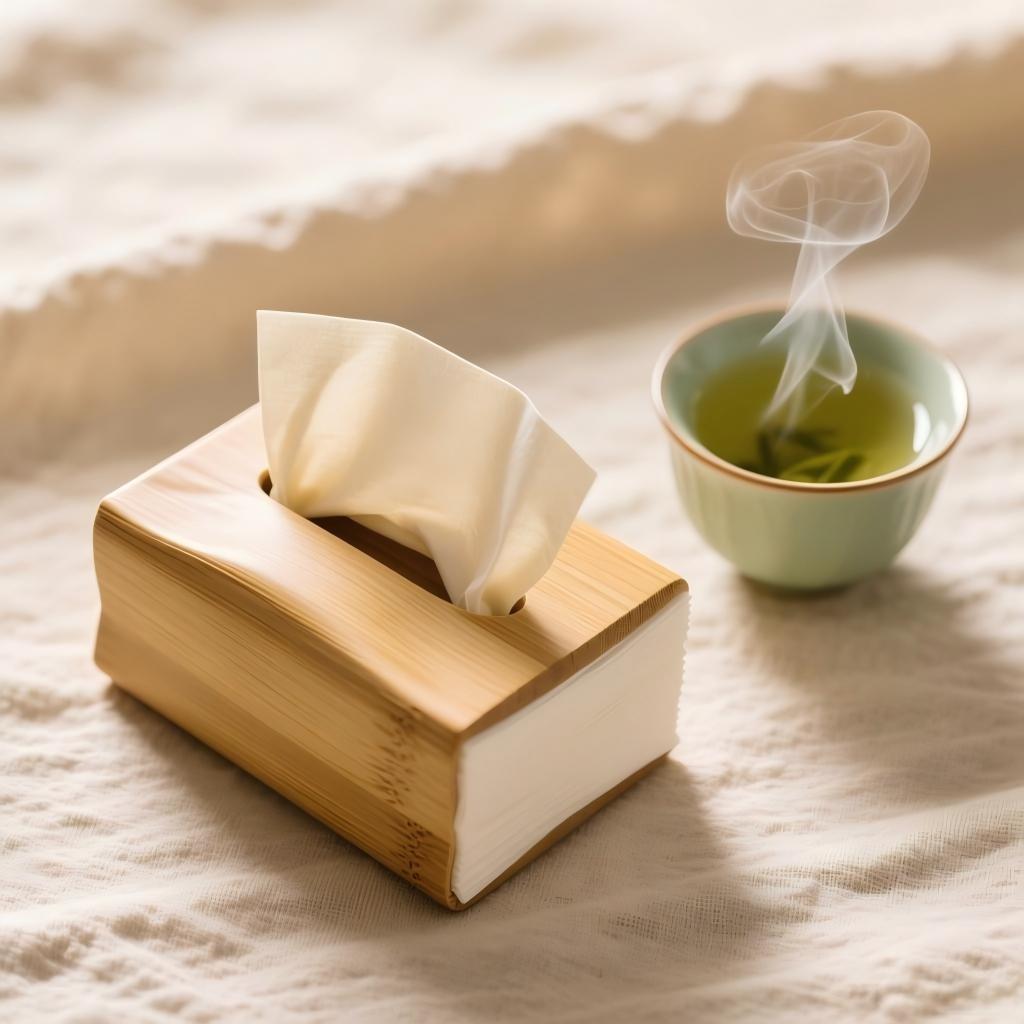
Comparing Bamboo Toilet Paper with Traditional Toilet Paper
When deciding if bamboo toilet paper is the right choice, consider these factors:
- Sustainability: Bamboo regenerates faster and requires fewer resources.
- Environmental Impact: Lower water usage and fewer chemicals make bamboo better for ecosystems.
- Softness and Durability: Some bamboo products match or exceed the softness of traditional toilet paper.
- Cost and Availability: Bamboo toilet paper can be slightly more expensive and less available locally, depending on your region.
| Feature | Bamboo Toilet Paper | Traditional Wood-Pulp Toilet Paper |
| Growth Time | 3–5 years | 20–30 years |
| Water Usage (per kg) | Low | High |
| Chemical Bleaching | Minimal/Optional | High |
| Carbon Absorption | High | Low |
| Biodegradability | Excellent | Moderate |
Considerations and Limitations
While bamboo toilet paper offers clear environmental advantages, it is not inherently eco-friendly in all cases.
1. Sustainability of Sourcing:
Some bamboo toilet paper products are bleached or sourced from non-certified plantations, which diminishes their environmental benefits. Always check the product label and look for sustainability certifications.
2. Transportation and Carbon Emissions:
Many bamboo toilet papers are imported from Asia, which can increase their carbon footprint due to long-distance shipping. Local alternatives or mixed recycled options may sometimes have a lower overall environmental impact.
3. Certifications to Look For:
To ensure you’re choosing responsibly, verify certifications such as:
- FSC (Forest Stewardship Council)
- PEFC (Programme for the Endorsement of Forest Certification)
- OEKO-TEX (ensures low chemical content and safety)
Being aware of these limitations helps consumers make informed decisions that maximize the environmental benefits of bamboo toilet paper.
Tips for Choosing Truly Sustainable Toilet Paper
Selecting genuinely eco-friendly toilet paper requires more than just choosing bamboo. Here are practical tips:
1. Choose Unbleached Options:
Unbleached bamboo toilet paper avoids chlorine and other harsh chemicals, reducing pollution during production.
2. Check Certifications and Supply Chain Transparency:
Look for FSC, PEFC, or OEKO-TEX labels to confirm sustainable sourcing and safe production processes.
3. Consider Local and Regional Alternatives:
If possible, select toilet paper produced closer to home. This reduces transportation emissions and often supports more sustainable production practices.
4. Complement with Other Sustainable Practices:
Pair bamboo toilet paper with other eco-friendly habits, such as using recycled paper products and minimizing waste, to maximize your overall environmental impact.
By following these guidelines, you can make a meaningful difference in reducing deforestation, water usage, and chemical pollution—all while maintaining comfort and usability.
Bamboo toilet paper can be better for the environment compared to traditional wood-pulp options, thanks to its rapid growth, lower water and chemical usage, and high carbon absorption. However, to fully realize these benefits, it is essential to choose sustainably sourced, unbleached bamboo products with credible certifications.
FAQs
Q1: Is bamboo toilet paper biodegradable?
Yes, bamboo toilet paper is fully biodegradable and breaks down quickly in compost or wastewater systems.
Q2: Does bamboo toilet paper use less water than regular toilet paper?
Yes, producing bamboo toilet paper typically requires significantly less water than wood-pulp toilet paper.
Q3: Is bamboo toilet paper softer than traditional toilet paper?
High-quality bamboo toilet paper is often as soft, if not softer, than traditional paper, depending on processing and ply.
Q4: Can bamboo toilet paper help save forests?
Yes, using bamboo as an alternative to wood pulp can reduce the demand for tree-based toilet paper and help protect forests.
Q5: Are all bamboo toilet papers eco-friendly?
Not necessarily. Only bamboo toilet paper that is sustainably sourced and minimally processed can be considered eco-friendly.