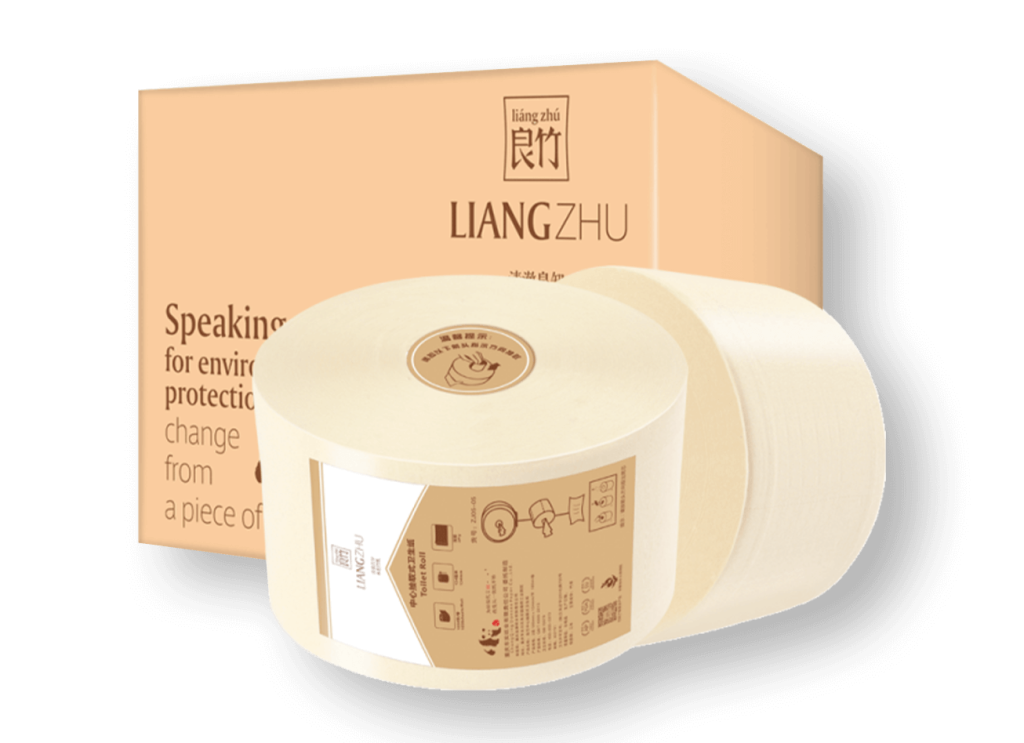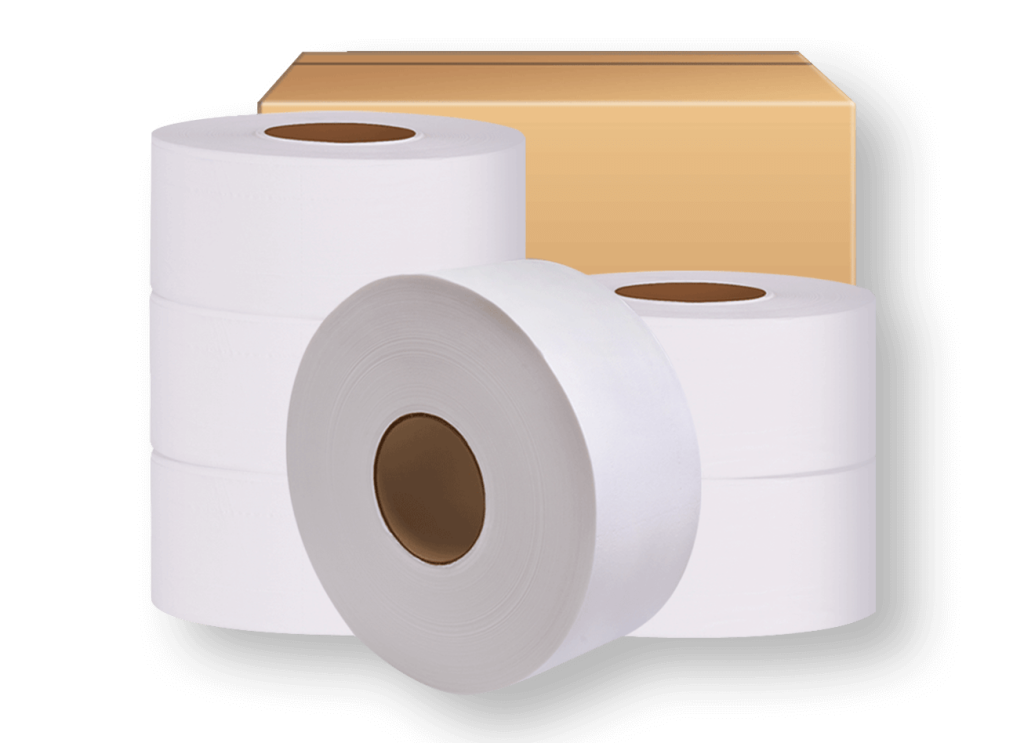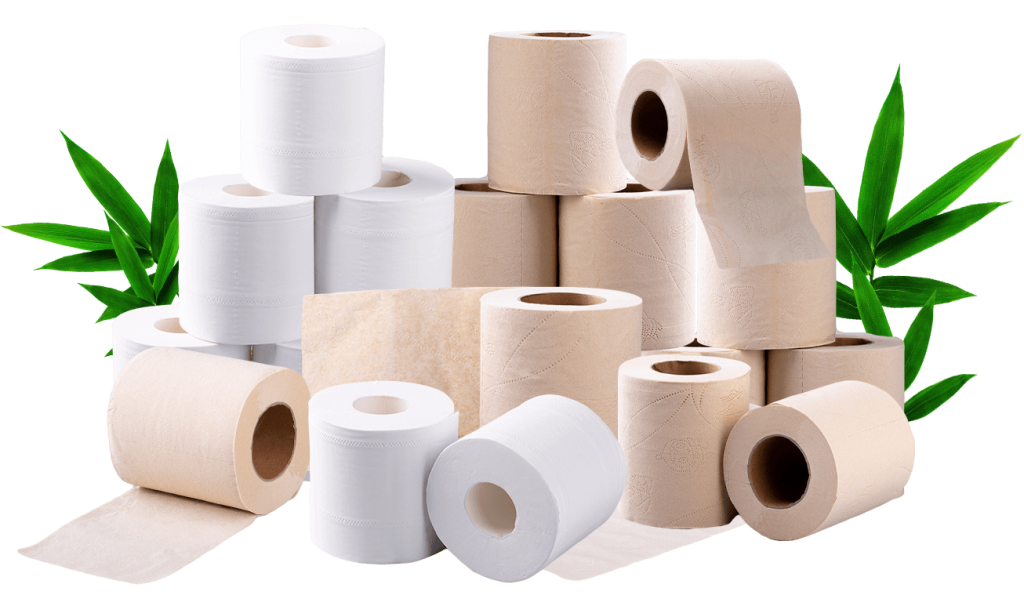
How to Choose the Right Central Pull Paper Roll for High-Traffic Facilities
For procurement managers, the task of sourcing consumables like paper towels is often undervalued by external observers but recognized internally as a critical lever for cost control and operational efficiency. In high-traffic environments—such as international airports, sprawling manufacturing hubs, university campuses, or Tier-1 commercial office buildings—the choice of a central pull paper roll (often referred to as centerfeed towels) transcends simple hygiene. It is a decision that impacts labor costs, user satisfaction, and the organization’s environmental footprint.
This guide explores the strategic variables involved in selecting the right commercial centerfeed towels, moving beyond the price-per-case to evaluate the “total cost in use.”
Maximizing ROI: The Economic Benefits of One-at-a-Time Centerfeed Hand Towels
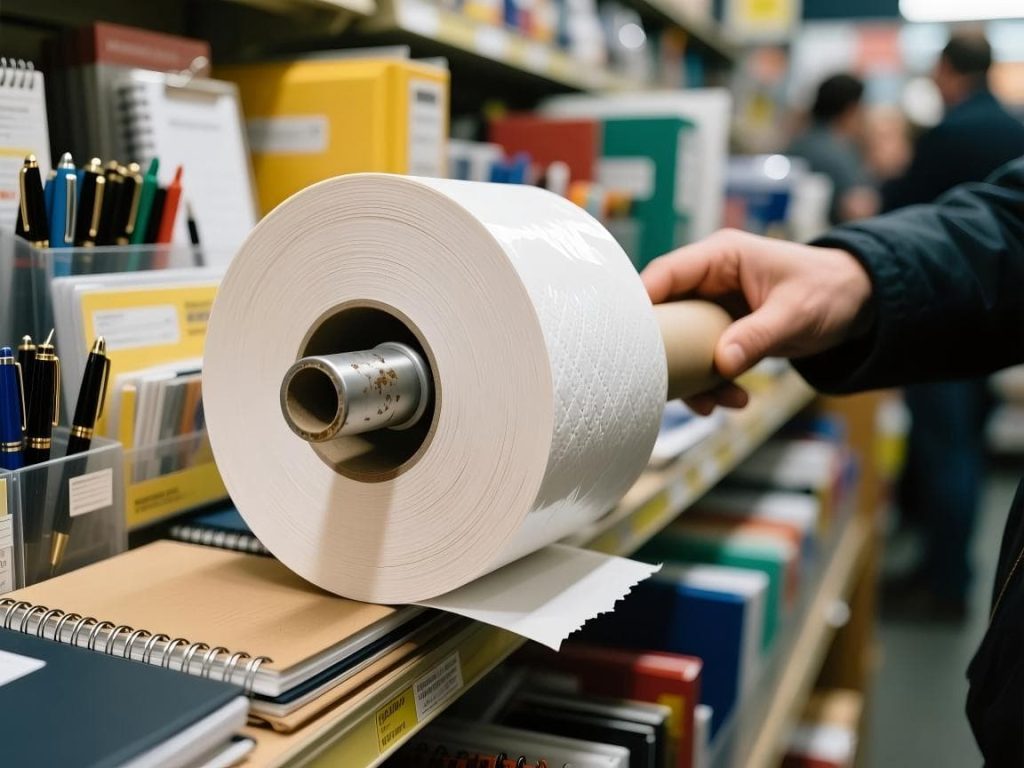
The primary advantage of central pull paper towels lies in their delivery system. Unlike traditional multifold towels that users often grab in handfuls, the centerfeed system is designed for controlled consumption.
The “One-at-a-Time” Advantage
In high-traffic facilities, waste is the enemy of the budget. When a centerfeed hand towel system is properly calibrated, the user pulls a single sheet from the center of the roll, which then breaks off at a perforation. This “single-sheet” mechanism discourages the “handful grab” behavior common with stack-fed dispensers. For a procurement manager, this translates to a quantifiable reduction in consumption—often between 25% and 40%—directly extending the life of each roll and reducing the frequency of purchase orders for bulk central pull tissue.
Key Specifications for Commercial Centerfeed Towels: Ply, Absorbency, and Tensile Strength
When reviewing bids or RFP responses, a procurement manager must look past the marketing fluff to the technical core of the central pull paper roll.
1. Ply and Absorbency
1-Ply: Best for industrial settings or high-volume restrooms where cost-per-sheet is the dominant metric. However, if the paper is too thin, users may pull more sheets to compensate, negating the cost savings.
2-Ply: The gold standard for commercial offices and healthcare. It offers a balance of soft “hand-feel” and superior absorbency. 2-ply centerfeed hand towels utilize capillary action to wick moisture faster, meaning one sheet is usually sufficient to dry hands completely.
2. GSM and Tensile Strength
Grams Per Square Meter (or GSM) refers to the weight of paper. For tasks that demand large-scale implications for society, a high wet-strength is appreciated. If you’re in a profession that entails chemicals or moisture, you need a paper towel that’s also not going to tear after a single wipe down.
3. Core Size and Compatibility
A common trap for procurement is “System Lock-in.” Some manufacturers design central pull paper rolls with proprietary core shapes or sizes that only fit their specific dispensers. While these dispensers are often provided “free” on contract, the long-term cost of the proprietary refills can be 20% higher than universal alternatives. Ensure your chosen paper towel is either universal or that your contract includes a fixed-price protection for proprietary refills.
Reducing Maintenance Labor with High-Capacity Central Pull Paper Towels
In the world of facility management, labor is almost always more expensive than supplies. Every time a janitorial staff member has to walk to a restroom to check or refill a dispenser, it costs the company money.
1. High-Capacity Rolls vs. Maintenance Intervals
A high-volume central pull tissue dispenser may hold between 600 to 1,000 sheets in one unit. When picked up, these high-thickness rolls constitute fewer ‘touch-points’ for the maintenance crew. In such high-traffic facilities as a stadium or a transport station, increasing the capacity of the roll can consequently reduce the man-hours on restroom care workload.
2. Ease of Loading
Time-motion studies reveal that it takes the minimum time to stock up centerfeed dispensers. Stacking is not complicated; all that has to be done is pull the core out, pull the sheet through the hole, and shut. These extra seconds would amount to substantial labor cost savings per year for managers who are in charge of 500 dispensers.
Sustainability in Bulk Central Pull Tissue Sourcing: FSC Certified and Plastic-Free Options
Sustainability is no longer a “nice-to-have” in 2026; it is a requirement for reporting. Corporate ESG (Environmental, Social, and Governance) goals often require that a specific percentage of supplies for a facility be eco-friendly.
1. FSC Certification and Recycled Content
To purchase case quantities of central pull tissue, you should seek products with the ForeStar Certification seal, also known as the Forest Stewardship Council (FSC). Not only are you guaranteed responsible forestry practices, but you can also achieve a reduced carbon footprint at your facility by considering products with high post-consumer recycled (PCR) content.
2. Reducing Plastic Waste
Look at the packaging. Are the rolls packaged in plastic film, individually packaged, or “naked” within a recyclable master case? Implementing a non-plastic packaging approach can eliminate tens of thousands of pounds of non-recyclable waste materials a year for a large volume business.

Vendor Evaluation Strategies for Bulk Commercial Centerfeed Supply Chains
When selecting a vendor for commercial centerfeed towels, you are choosing a supply chain partner.
- Consistency of Quality: Nothing triggers more tenant complaints than a sudden drop in paper quality. Ensure your vendor can guarantee consistent GSM and perforation strength across every batch.
- Inventory Resilience: High-traffic facilities cannot afford “Stock Outs.” Ask potential vendors about their safety stock levels and their lead times for emergency deliveries.
- Dispenser Programs: Many manufacturers have “Dispenser Placement Agreements” wherein they install the hardware for free in return for a multi-year paper supply contract. Make sure that the “Total Cost of Ownership” (including the price of the paper for 36 months) is lower than buying the dispensers and procuring universal paper.
Frequently Asked Questions (FAQ)
Q1: Can central pull dispensers replace my existing multifold units?
A1: Generally, yes. Most units use a universal mounting footprint. However, because centerfeed dispensers are deeper to accommodate the roll diameter, ensure they do not obstruct narrow walkways or violate ADA protrusion limits.
Q2: How do I stop users from pulling “snakes” of continuous paper?
A2: This is usually a tension issue. Ensure you are using the correct aperture (nozzle) size for your paper thickness. The dispenser must provide enough resistance to break the perforation and force a single-sheet release.
Q3: Does recycled centerfeed paper perform as well as 100% virgin pulp?
A3: For drying hands and general cleaning, yes. While 100% virgin pulp is whiter and softer, high-quality recycled bulk central pull tissue offers comparable absorbency and strength at a lower price point and with a smaller environmental footprint.