
How Innovative Embossing Revolutionizes Facial Tissue Paper Manufacturing
From a mere hygiene accessory, facial tissue paper has transformed into a sophisticated combination of softness, strength, and beauty. Embossing, which is the addition of patterns, texture, and other features to more functional tissues, is one of the most defining processes of quality. The latest advances in embossing technology have transformed the facial tissue paper industry, allowing manufacturers to improve production efficiency along with comfort and sustainability.
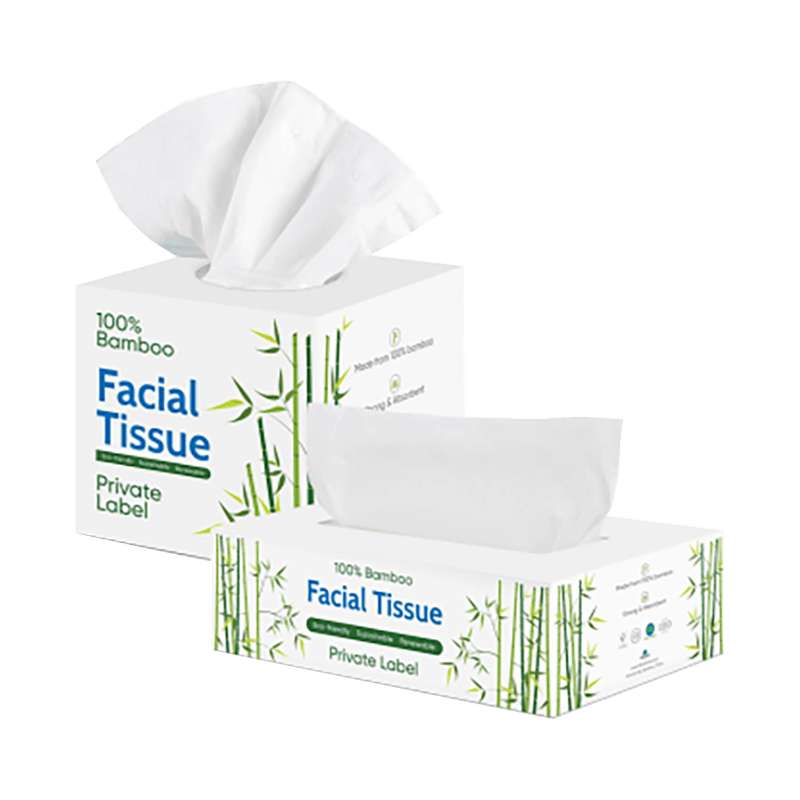
The Core Functions of Embossing in Facial Tissue Paper
Rather than simply a cosmetic value, the importance of embossing rests in both performance and consumer experience, and thus, is a necessity in facial tissue paper production.
1. Enhancing Absorbency
One of the most pronounced purposes of embossing is promoting absorbency. The tissue has a greater chance of capturing and retaining moisture with the indentations and patterns created by embossing. Active use of tissues ensures quick and effective absorption for the user.
2. Improving Softness and Comfort
The comfort of the user is of the utmost importance. Everyone has awkward moments, and tissues are the silent companions. The ease with which one can take off the wrap, the micro- or light- embossing, the augmented fiber structure with the contouring and layering, are all mastered to guarantee a seamless transition of thick elastic steel for tissues remains.
3. Creating Bulk and Thickness Perception
Embroidered tissues are often perceived thinner than untitled tissues so more embossing is required to retain that dense perceived feel and add value. With more value, added costs on raw materials do not impact to bottom line considering the difference between old methods and new ones. These raw materials include adhesive fibers, forty micron fibers, and other lightweight materials all rationalized by minimalistic production parameter folds on zen. Titled patterns trap breath gas and produce dense constellations that do not float away.
4. Strengthening Multi-ply Bonding
Most facial tissue papers are made of multi-plies with added value due to intermolecular bonding with embossing. Nested or point to point embossing shifts patterns across layers. This shifts the plane of all visible fibers, creating surfaces of both disorder and order. This helps retain stretched surfaces due to stretch and oppose collapse due to electromagnetic coil influences. This ensures the tissues do not dissolve away.
5. Adding Aesthetic Appeal
Aside from practicality, embossing improves the finesse and grace of tissues with added adhesive and point fibers. Premium brands have better decorative patterns and higher priced products, which helps them rise above many products in the similar range. This has added with value perception lessens risk of being seen as substandard tissue. People’s satisfaction comes from trust that the brand will not let them truly down.
6. Supporting Sustainable Practices
Most modern embossing methods have lessened the consumption of raw material used tissue making. Peak hours of energy can also be saved by controlling peak loads with modern crest methods of powering production zen folds. Your zen folds are value added and industry bottom line cost on purpose folded.
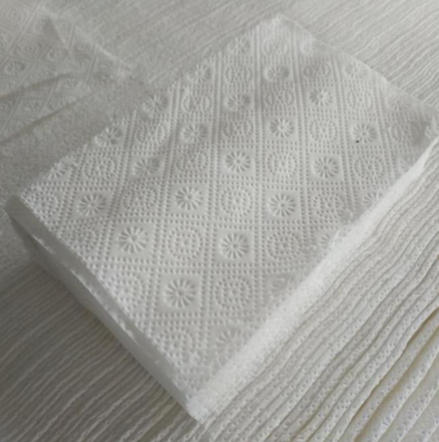
Traditional Techniques for Embossing in Facial Tissue Paper
| Technique | Description | Advantages | Limitations |
| Point-to-Point Embossing | Embossing where raised points on one roll press into matching recesses on the other roll. | Strong ply bonding, improved durability, consistent performance. | Can reduce softness if pressure is too high; limited decorative options. |
| Random (Deco) Embossing | Uses irregular decorative patterns to create texture and visual appeal. | Enhances aesthetics, improves bulk perception, provides marketing differentiation. | Weaker ply bonding compared to point-to-point; mainly decorative. |
| Nested Embossing | Embossed points from one ply nest into gaps of another ply. | Increases bulk, enhances cushioning effect, reduces fiber usage. | Bonding strength lower than point-to-point; process alignment is complex. |
| Pin-to-Flat Embossing | One roll has raised pins, pressing into a flat surface on the other roll. | Simple method, adds texture and bulk, relatively cost-effective. | Limited pattern precision; weaker bonding than modern methods. |
| Combination Embossing | Mix of point-to-point and decorative embossing. | Balances strength and visual appeal, versatile for product differentiation. | Higher tool wear, more complex setup and maintenance. |
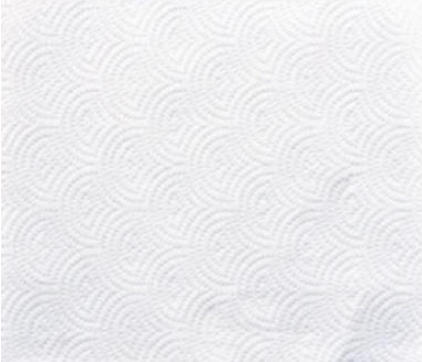
Key Innovations in Embossing of Facial Tissue Paper
Improvements in comfort, durability, sustainability, and design flexibility of tissues has made embossing one of the most advanced fields in the facial tissue paper manufacturing.
1. 3D or Deep-Embossing Technology
Deep embossing is perhaps one of the most advanced and significant developments. Unlike vintage embossing, where the pattern formed was shallow, with the modern technique of 3D embossing, users are able to achieve a pronounced, pillowy texture with the use of deeply engraved rollers. This texture captures air between fibers, thus enabling the tissue to have a softer and bulkier feel without the excess addition of paper. In the consumer’s eyes, the product is seen and felt to be luxurious whereas from the producer’s point of view, they are able to achieve the desired softness with a lesser amount of fibers which is a win for sustainability.
2. Combination Embossing
The innovation focus now is on merging different embossing techniques onto one sheet. One of the most popular ones is this:
- Micro-Embossing: An individual ply is first lightly covered and a pattern is added. This process carefully breaks the stiffness of the paper to a fiber level and in doing so offers the first level of softness.
- Macro-Embossing: This is the last step, and softer at this point. A more powerful and deeper pattern is applied to the multi-ply stack that holds the layers together.
The combination of micro and macro embossing creates a tissue that has a unique soft to touch, yet durably thick texture.
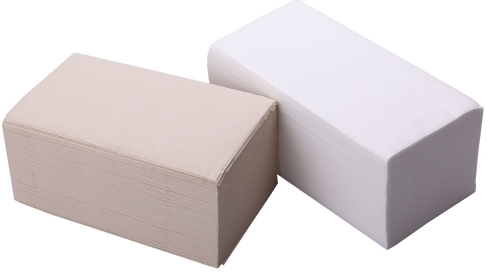
3. Innovative Pattern Designs
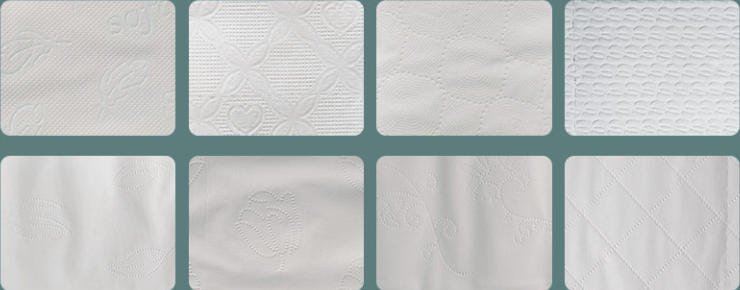
The pattern embossing design has become increasingly sophisticated. Various computer programs simulate the effects of different patterns on strength and absorbency. They are starting to move away from simple dots to more complex and even asymmetric geometric shapes. They are designed to:
- Maximize Tissue Strength: Patterns can be placed to reinforce the tissue against tearing, especially when wet.
- Optimize Absorbency: Certain shapes are designed to draw and spread moisture from the surface of the sheet, preventing a soggy center.
4. Laser-Engraved Embossing Rolls
The invention of tools that can emboss roller patterns has advanced tremendously. Although the old method of using chemicals to etch is still in use, laser engraving has taken a great step in the finishing of roller embossing. The intricate and detailed designs on the hardened steel rollers are done with precise laser engraving. The tissue and moisture is evenly distributed with every tissue box, and each batch is of the same quality and soft. The use of lasers encourages the creative designs that have not been achieved to be possible now.
5. Embossing for Sustainability
Let’s consider a more innovative aspect: How does embossing contribute to sustainability? In an environment where eco-friendly products are more in demand than ever, tissue paper manufacturers are being pressured to cut down on fibre use. Advanced embossing meets their needs. It enables them to:
- Achieve superior feel and strength by engineering, not simply by adding more pulp.
- Successfully soft emboss tissues made from stiff recycled or alternative fibers without loss in performance.
- Support tethered systems by aligning the overall basis weight and reducing the box weight, thus fewer materials used and less emissions in transportation.
Future Trends in Embossing of Facial Tissue Paper
Advanced design capabilities, digital technologies, eco-friendly practices and smart manufacturing will shape the future of embossing in tissue paper production.
Integration with Sustainable Manufacturing Practices
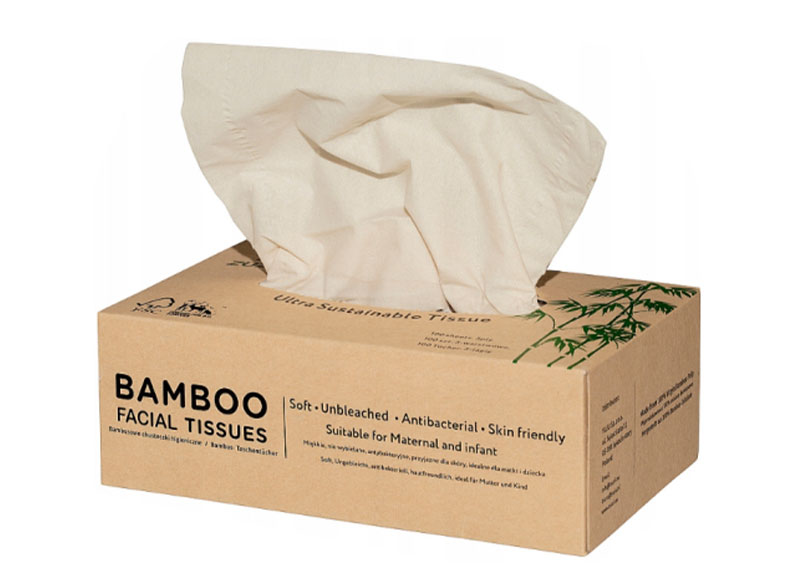
Innovations in embossing them will remain aligned with sustainability. Emphasis on eco-friendly practices, such as bamboo facial tissue paper, will keep driving the design focus on lower-pressure embossing rolls and systems to reduce energy needed and avoid stressing the fibers. Sustainable practices will focus on waste minimization and the mitigation of circular economy barriers.
Hybrid and Multifunctional Embossing
The need for tissue paper products that combine certain functionalities with aesthetic appeal will drive hybrid embossing approaches. Merging point-to-point bonding with decorative and functionality patterning can allow manufacturers to produce tissue products that are both multifunctional and visually captivating. Future hybrid approaches may incorporate design elements that aid in hygiene, or even provide certain tactile features for different blotter tissue categories.
Smart Embossing with Industry 4.0 Integration
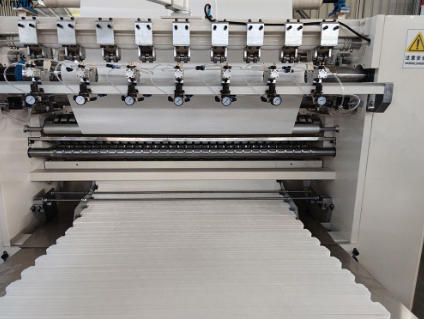
Technologies of smart manufacturing will further change embossing. The use of sensors, automation, and real-time observation will let each machine produce quality hermetic seals while predicting and reducing downtime with maintenance lines. With focused, high-volume production, seamless, and cross-fabric embossing systems, manufacturers can be driven to embossing data systems.
Personalization and Consumer-focused Designs
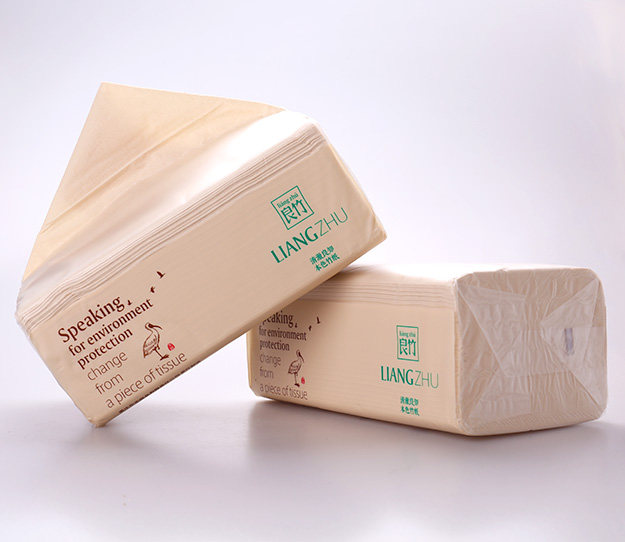
Developing a more defining trend on consumer embossing will result to more differentiation at the brand level. Fast rise optimization for future embossing technologies will allow swift customization of brand registered seasonal motifs and even consumer-driven design options with the absence of bespoke embossing.
Bottom Line
Advancements in embossing methods have converted facial tissue paper usage from a mere sanitary paper to a consumer premium product. Modern embossing methods assist tissue paper manufacturers in remaining competitive in an overcrowded marketplace. This is achieved through the balance of artistic appeal, comfort, strength, and sustainability. Considering the future, more incorporation of digital design, smart automation, and green business practices will further shape eco-friendly innovation in facial tissue embossing.