Bleached vs Unbleached Toilet Paper: What’s the Real Difference?
In the last few years, shoppers who pay attention have noticed a quiet revolution happening in the toilet paper aisle. Along with the usual brilliant white rolls, may be seen more unbleached toilet paper, often labeled as natural, bamboo, or chemical-free—usually a tad pricier than the others and aimed at health- and eco-conscious buyers.
This raises an important question: Is unbleached toilet paper truly more advantageous for health and the environment, or is it clever marketing? Some people, on the other hand, are wondering about the legitimacy of standard bleached toilet paper when it comes to everyday use.
Clarifying things, this guide bundles the genuine differences between the two alternatives, bleached vs unbleached toilet paper, as pertains to health, comfort, sustainability, and long-term value to assist homeowners in figuring out what makes the most sense as the final purchase for their properties.
What Is Bleached Toilet Paper and How Is It Made?
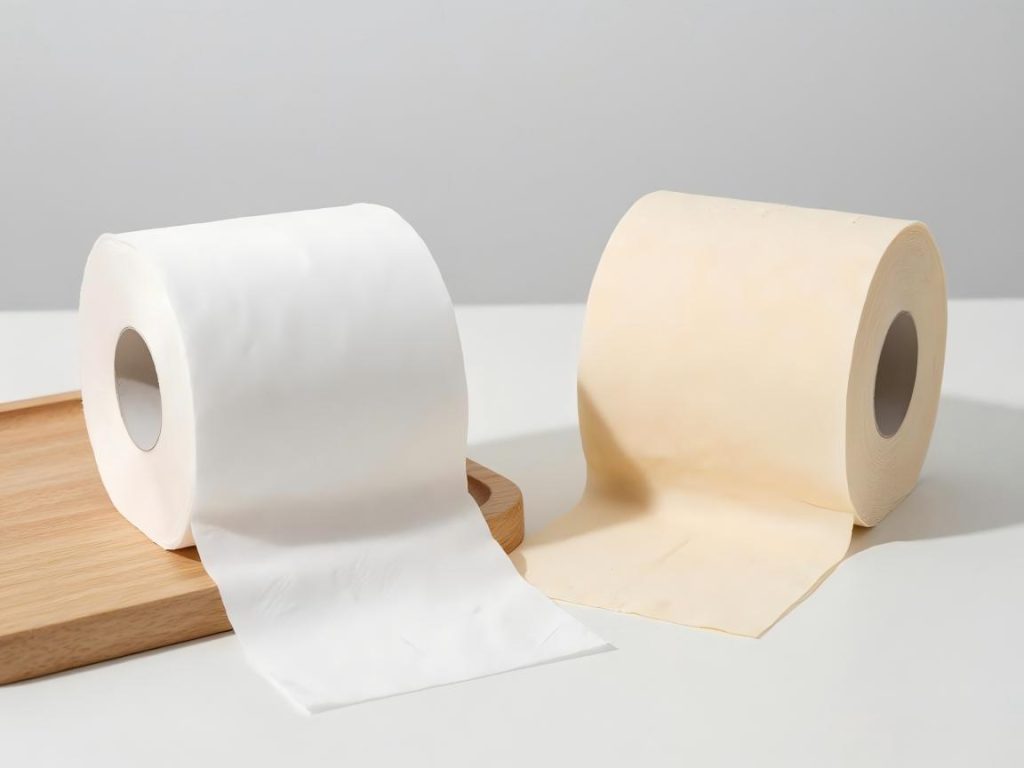
Bleached toilet paper is typically made from wood pulp. During production, manufacturers remove lignin, the natural compound that gives wood its brown color. This step is what creates the bright white look most people associate with “clean” or “premium” toilet paper.
Common Bleaching Methods
Modern paper mills no longer rely on harsh, outdated techniques. Instead, they usually use one of these processes:
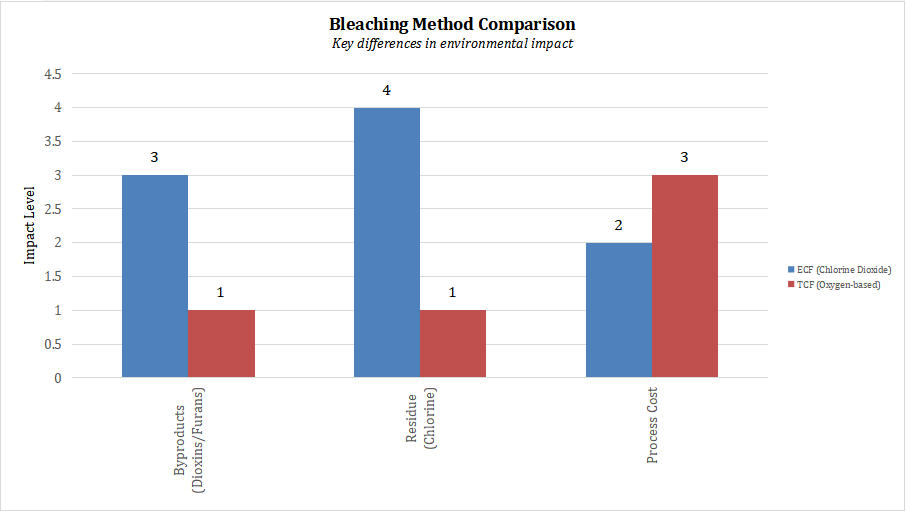
- ECF (Elemental Chlorine Free): Uses chlorine dioxide instead of elemental chlorine, significantly reducing harmful byproducts.
- TCF (Totally Chlorine Free): Avoids chlorine compounds entirely, relying on oxygen-based agents.
Both methods meet safety regulations in the U.S. and other developed markets and are far safer than older bleaching technologies.
Why Toilet Paper Is Bleached
Bleaching isn’t just about appearance. It also:
- Improves softness and fluffiness
- Enhances visual cleanliness
- Creates a uniform appearance
However, even with advanced processes, bleaching may leave trace chemical residues, and some products also include fluorescent whitening agents to enhance brightness under light.
What Is Unbleached Toilet Paper?
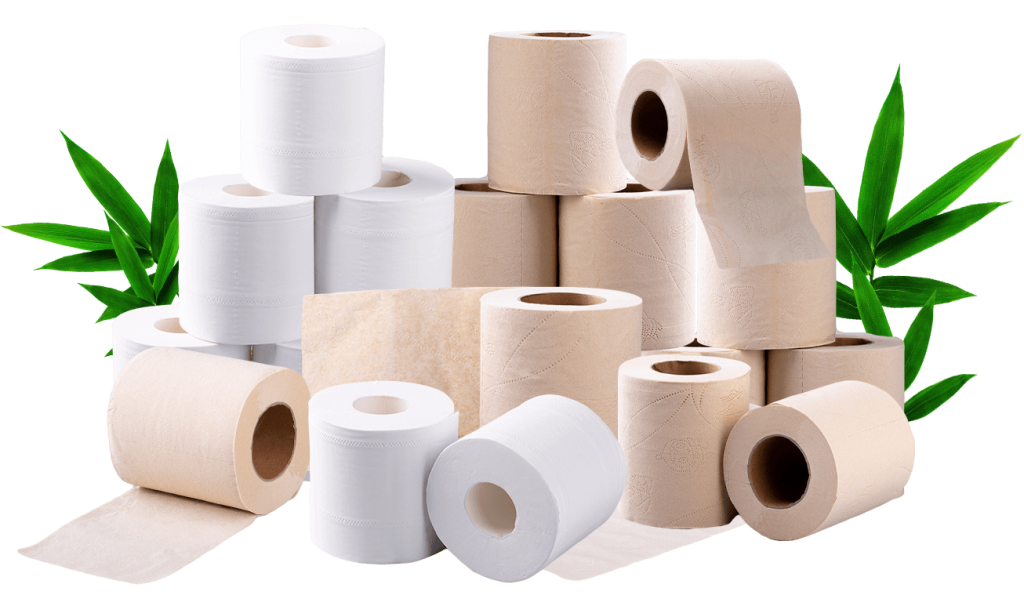
Unbleached toilet paper skips the chemical bleaching stage entirely. Its natural beige or light brown color comes directly from the plant fibers used in production.
Common Materials
- Bamboo pulp (most popular)
- Recycled paper fibers
- Unbleached wood pulp
Key Characteristics
- Minimal chemical processing
- No fluorescent whitening agents
- Natural fiber color retained
- Often marketed as eco-friendly or skin-safe
Because the fibers are not chemically broken down during bleaching, unbleached toilet paper tends to preserve more of its original structural strength.
Bleached vs Unbleached Toilet Paper: A Detailed Comparison
Toilet paper might seem like a small choice—but it’s something you use every day on sensitive skin, so the differences can actually matter.
1. Health and Skin Safety
The skin—especially in intimate areas—is semi-permeable and highly sensitive. For most people, bleached toilet paper causes no immediate issues. However, for certain groups, long-term exposure to trace residues may increase the risk of irritation.
Potential concerns with bleached toilet paper include:
- Microscopic chemical residues from bleaching
- Fluorescent whitening agents in lower-quality products
- Increased irritation for sensitive users
Unbleached toilet paper follows a “less is more” approach. With fewer chemicals involved, it’s often preferred by:
- Babies and toddlers
- People with sensitive skin or allergies
- Women during menstruation
- Individuals prone to itching or recurring irritation
While unbleached toilet paper isn’t a medical product, it may help reduce unnecessary chemical exposure in daily hygiene.
2. Softness, Strength, and Daily Comfort
One clear advantage of bleached toilet paper is softness. Bleaching breaks down fibers, creating that fluffy, cloud-like feel many people love.
Unbleached toilet paper feels different:
- Slightly firmer texture
- Stronger fiber integrity
- Less lint and dust
- Better wet strength
For people with allergies or sinus sensitivity, lower paper dust can be a big plus. Bamboo-based unbleached toilet paper is especially popular because it balances strength and smoothness, offering a clean wipe without tearing or residue.
3. Environmental Impact and Sustainability
The environmental footprint of toilet paper is increasingly important to modern consumers.
Bleached Toilet Paper
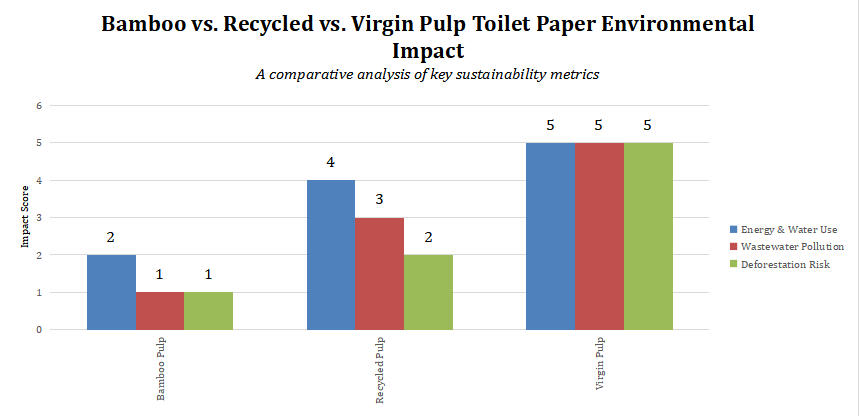
- Requires additional energy for bleaching
- Uses more water
- Generates wastewater containing chemical byproducts
- Skips the most polluting stage of paper production
- Often made from bamboo, which grows rapidly (3–5 years)
- Requires no pesticides or replanting
- Lower carbon and water footprint overall
Choosing unbleached bamboo toilet paper supports sustainable forestry practices and reduces demand for slow-growing trees.
4. Price and Long-Term Value
At first glance, unbleached toilet paper typically costs 15–30% more per roll than standard white options. This price difference reflects:
- Higher raw material costs (bamboo pulp)
- Environmental certifications
- Smaller-scale production
Over time, though, the value equation changes. Fewer skin issues, reduced irritation, and a lower environmental impact all add up. For many households, unbleached toilet paper becomes less of a luxury and more of a long-term lifestyle choice.
Common Myths About Unbleached Toilet Paper (FAQ)
Q1: Is darker unbleached toilet paper always better?
No. Natural color variation is normal, but extremely dark paper may indicate artificial dyes. Always check product descriptions for “unbleached” rather than “colored.”
Q2: Is bleached toilet paper dangerous or carcinogenic?
Modern ECF and TCF processes are considered safe and regulated. Bleached toilet paper is not inherently dangerous, but individuals with sensitive skin may prefer unbleached alternatives for peace of mind.
Q3: Why does unbleached toilet paper sometimes feel rougher?
Unbleached paper retains intact plant fibers, which provide strength but slightly less fluffiness. Many users adapt quickly and come to prefer the cleaner, sturdier feel.