Biodegradable vs. Traditional Toilet Paper: How to Choose the Right Type
Toilet paper stands as a basic requirement for daily life, but people now examine its ecological impact and its ability to maintain environmental balance over time. The ongoing search for sustainable products among both consumers and manufacturers has increased the importance of comparing biodegradable and traditional toilet paper. Both of them perform the same essential function, but they use different materials and create different environmental effects and demonstrate different levels of performance and sustainability. Understanding the differences between biodegradable and traditional toilet paper can help both households and businesses make informed decisions.
What is Biodegradable Toilet Paper
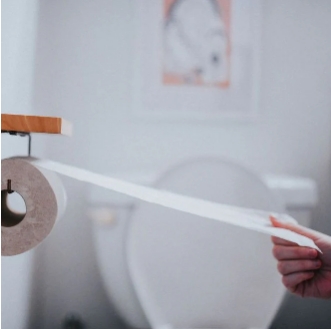
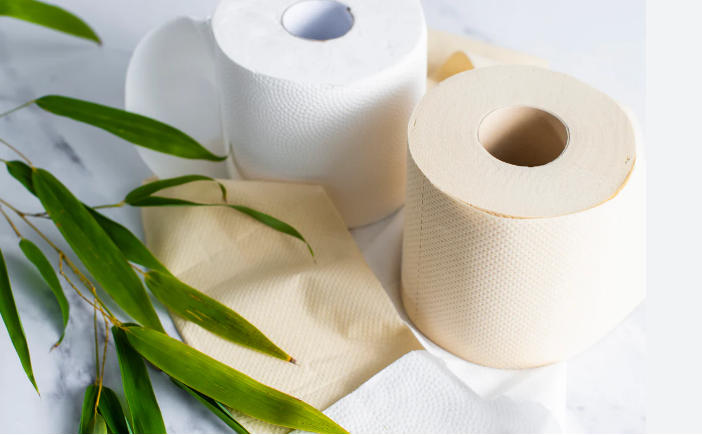
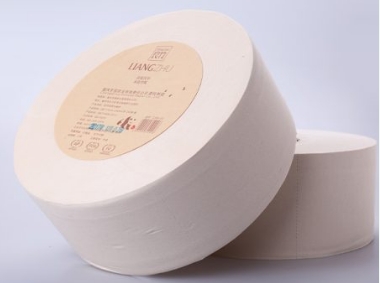
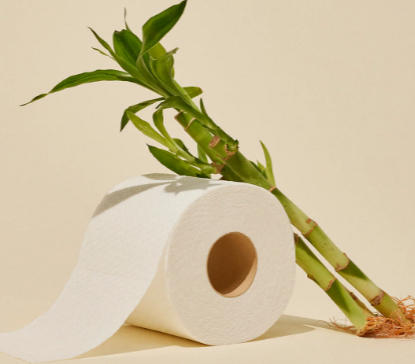
Biodegradable toilet paper can disintegrate by itself rapidly, naturally after refusal. It is preferably made up of renewable resources such as bamboo, bagasse, or recycled paper pulp, in contrast to conventional wood pulp-based toilet paper. Manufactured with less felting and no bleaching, the toilet paper can bear the softness, toughness, and sanitary characteristics while enabling it to biodegradealbeit at an appreciable burstiness and lower perplexity.
Directly, the main idea behind biodegradable toilet paper rolls is to reduce its effect on the environment as well as to foster softness, strength, and hygiene.
Benefits
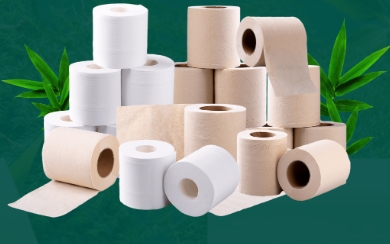
- Environmentally Friendly Materials: Many biodegradable toilet papers use rapidly renewable resources like bamboo, which grows significantly faster than traditional timber. Others rely on recycled fibers, reducing the demand for virgin trees and helping to conserve forests.
- Faster Decomposition: Quickly pasteurized tollate feet, fast ingredient reduction, less formalization time. Although in some ways the available cellulose alternatives reduce the midst of Yesenin
- Lower Environmental Footprint: Less intensive chemical parameters versus minor usage of chlorine-free or elemental chlorine-free bleach is required. This way, pollution and water waste release during production can be lessened.
- Reduced Risk of Plumbing Clogs: Since biodegradable toilet paper dissolves fast, there is less blocking probability in pipes, septic tanks, and holding systems.
- Attraction for Eco-Conscious Consumers: With increasing concern about sustainable practice and reducing carbon footprints, at least consumer is recognizing biodegradable toilet paper as an environmentally responsible choice.
Limitations
- Higher Initial Cost: A biodegradable toilet paper may come with a higher initial cost compared to conventional TP, owing to lower production scales or more specialized materials.
- Variations in Softness and Strength: Although many of the modern biodegradable options do provide a soft feel, lower-cost materials may be thin or offer less strength as compared to the finer quality of traditional toilet paper.
- Limited Availability in Some Regions: Even locally the viability of biodegradable toilet paper is limited, as the demand is higher internationally one may have a hard time finding it in some regions.
- Packaging Considerations: There have also been scenarios when the wrap on the new biodegradable toilet papers was dual-coated in plastic; therefore the result is counterproductive to the environment.
- Performance Trade-Off in Rapid Dissolution: Biodegradable toilet paper sometimes dissolves way too easily than usual, which might not be appealing to some consumers for being not sturdy enough when wiping compared to the thicker quality of the multi-ply commericals.
Types
| Type | Main Material Source | Key Features | Best Use Cases |
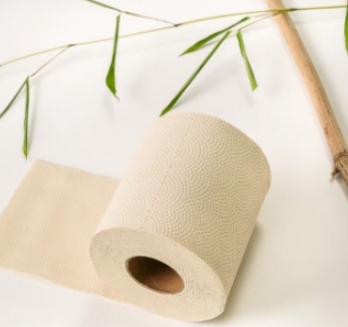
| Bamboo Toilet Paper | Fast-growing bamboo fiber | • Rapidly renewable • Naturally strong • Often soft to touch • Chemical-free bleaching options | • Eco-conscious homes • Septic systems • RVs & boats |
| Recycled Toilet Paper | Post-consumer paper fibers | • Reduces waste • Uses reclaimed materials • Less demand on forests | •Commercial restrooms • Schools • Green households |
| Sugarcane Bagasse Toilet Paper | Sugarcane processing residue | • Makes use of agricultural by-products • Reasonably strong • Biodegradable | • Sustainable households• Eco resorts • Farmstay properties |
| Hemp Toilet Paper | Hemp plant fiber | • Biodegradable • Strong natural fibers • Low water use crop | • Sustainable lifestyle users • Green businesses |
| Unbleached or Chlorine-Free Biodegradable Paper | Any biodegradable pulp without chemical whitening | • Gentler processing • Lower chemical impact • Natural beige/off-white appearance | • Sensitive skin users • Environmentally mindful households |
| Compostable Toilet Paper | Plant-based fibers (bamboo/recycled/hemp) designed for compost systems | • Breaks down quickly • Suitable for compost toilets • No glues or additives | • Composting toilets • Off-grid cabins • Eco-villages |
| Septic-Safe Biodegradable Toilet Paper | Fast-dissolving plant or recycled fibers | • Dissolves rapidly in water • Less strain on septic tanks | • Septic homes • RV sanitation systems |
| Fragrance-Free Biodegradable Toilet Paper | Bamboo, recycled, or other plant fibers without added scent | • No artificial fragrance • Gentler for skin | • Allergy-sensitive users • Families |
Understanding Traditional Toilet Paper
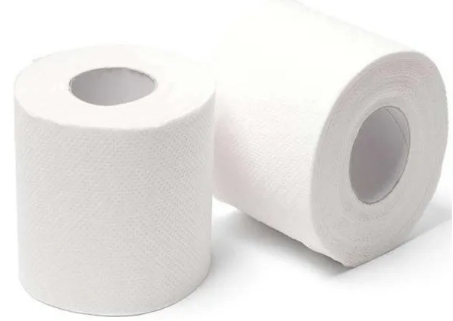
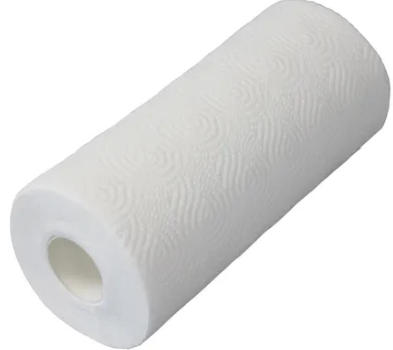
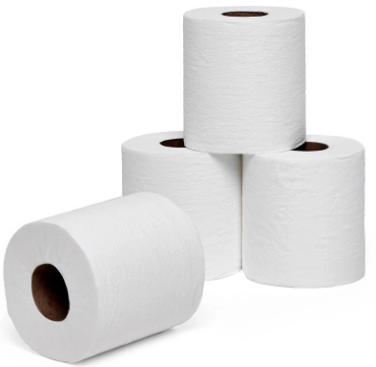
Traditional toilet paper remains the most-used global hygiene product that is mostly made from virgin wood pulp obtained from both softwood and hardwood trees. This pulp undergoes processing steps, pressing, drying, and thin-sheeting that are layered in many plys, ranging in softness and strength. Most traditional toilet paper rolls are bleached to brightness and often one may notice embossed patterns on the sheets to increase texture and absorption.
Advantages
- High Softness and Comfort: One of the main advantages of traditional tissue is its incredibly soft plysheets, especially in the case of those that are thicker-which is quite the opposite with modern variants. This high softness is enhanced by sophisticated fiber processing and embossing technologies, making them most suited for normal household use.
- Strength: Because of the high structural content of the virgin wood pulp fiber structure, such embossed tissue can endure the pull unaffected and keeps functioning well, allowing it to tear less.
- High Absorbency: The natural fiber composition allows for effective moisture absorption, reducing the amount needed per use.
- Wide Availability: Traditional toilet paper is produced at large scale worldwide, making it easily accessible in supermarkets, wholesale suppliers, and commercial distribution channels.
- Cost-Effective: Due to mass production and established supply chains, traditional toilet paper is often competitively priced, particularly in bulk purchasing for institutions and businesses.
- Variety of Options: Available in multiple ply levels, roll sizes, and packaging formats, traditional toilet paper meets diverse consumer preferences and operational requirements.
Limitations
- Environmental Impact: Traditional toilet paper production depends largely on virgin wood pulp, which contributes to tree harvesting. Although many tissue paper manufacturers use sustainably managed forests, resource consumption remains a concern.
- Water and Energy Usage: The pulp and paper manufacturing process requires large effluents of water and energy, increasing what is actually given life to the process.
- Chemical Processing: The bleaching and processing are involved with certain chemicals going in. Though it would make a good case if the modern traders’ most responsible behaviour, there are few environmentally sensitive consumers who prefer least additive products instead.
- Slower Decomposition in Some Cases: Some decadent toilet paper types in terms of thick multi-ply they may take a bit of time before they break down, especially when placed aside industrially manufactured paper which is specifically biodegradable or safe for septic systems. This better shifts the disintegration potential of certain plumbing systems.
- Carbon Footprint: Emitting greenhouse gases could play a role every time materials are produced that long-scale transportation adds another dimension, especially when transported from distant forest regions.
Types
| Type | Material Composition | Key Characteristics | Common Applications |
| Virgin Wood Pulp Toilet Paper | 100% virgin softwood and hardwood pulp | Very soft, strong fibers, bright white appearance | Residential homes, hotels, premium restrooms |
| Single-Ply Toilet Paper | Virgin wood pulp | Thinner sheet, lower cost, faster dissolving | Public restrooms, schools, offices |
| Double-Ply Toilet Paper | Virgin wood pulp (two bonded layers) | Softer, stronger, more absorbent | Household use, hospitality industry |
| Triple-Ply (Multi-Ply) Toilet Paper | Virgin wood pulp (three or more layers) | Extra thickness, premium softness, high durability | Luxury hotels, high-end residential use |
| Embossed Toilet Paper | Virgin pulp with textured pattern | Improved absorbency, enhanced softness feel | Homes, commercial facilities |
| Scented Toilet Paper | Virgin pulp with fragrance additives | Light fragrance, aesthetic appeal | Residential and hospitality settings |
| Colored Toilet Paper | Dyed virgin pulp | Decorative appearance, less common today | Specialty or decorative bathroom settings |
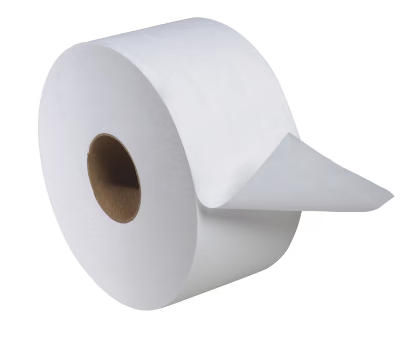
| Jumbo Roll Toilet Paper | Virgin pulp, large roll format | High-capacity, reduces replacement frequency | Airports, shopping malls, industrial facilities |
| Coreless Toilet Paper | Virgin pulp without cardboard core | Less packaging waste, compact storage | Commercial buildings, environmentally aware businesses |
| Flushable Wipes (Traditional Paper-Based) | Wood pulp blended with synthetic fibers | Moist, durable, enhanced cleaning feel | Household and personal hygiene markets |
The Comparison Between Biodegradable and Traditional Toilet Paper
| Comparison Factor | Biodegradable Toilet Paper | Traditional Toilet Paper |
| Primary Materials | Bamboo, sugarcane bagasse, hemp, or recycled paper fibers | Primarily virgin wood pulp from trees |
| Resource Renewability | Often made from rapidly renewable or recycled materials | Relies largely on timber resources (may be sustainably managed) |
| Environmental Impact | Lower environmental footprint; reduced deforestation impact | Higher resource consumption in pulp production |
| Manufacturing Process | Frequently chlorine-free or minimally processed | Often bleached for bright white appearance |
| Decomposition Speed | Breaks down quickly in water and soil | Dissolves adequately but may break down more slowly (especially multi-ply) |
| Septic System Compatibility | Generally highly septic-safe due to rapid disintegration | Usually safe, but thicker types may decompose more slowly |
| Softness and Comfort | Improved significantly; varies by brand and material | Typically very soft, especially multi-ply premium options |
| Strength and Durability | Moderate to high depending on fiber type | High strength, especially in double- and triple-ply versions |
| Heat and Chemical Exposure During Production | Often reduced chemical treatment | May involve bleaching and more intensive processing |
| Carbon Footprint | Generally lower due to renewable/recycled inputs | Higher due to wood harvesting and large-scale processing |
| Cost | Often slightly higher upfront | Widely available and often lower cost due to mass production |
| Packaging | Frequently eco-friendly or plastic-free options | Commonly packaged in plastic (varies by brand) |
| Availability | Increasingly available but may vary by region | Widely available worldwide |
| Typical Applications | Septic homes, RVs, boats, eco-conscious households | Residential homes, commercial buildings, hospitality industry |
Key Considerations for Choosing Between Biodegradable and Traditional Toilet Paper
Choosing between biodegradable and traditional toilet paper is not just a question of price or softness. It involves selecting one above the other on the basis of environmental priorities, plumbing infrastructure health and safety implications, user beliefs, and long-range financial considerations. With sustainability quickly taking over as a major concern for consumers’ buying decisions, then understanding these numerous considerations will help households, offices, or institutional entities choose the right one.
1. Environmental Influence and Sustainability Intent
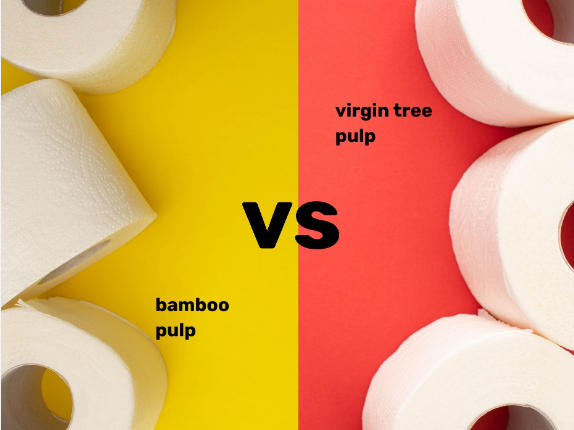
However, one thing that sets both apart is their ecological footprint. Biodegradable toilet papers are often made from renewable resources such as bamboo or recycled fibers. This leads to a major advantage over virgin tree-pulp-based toilet papers: lesser natural resources are consumed—and mats eaten, in chemical processes.
Regular toilet paper, usually made from virgin wood pulp, can be a concrete factor that has deforestation pressures and heavy water and energy consumption on manufacturing. Some manufacturers are accepting good quality responsibilities with improved bleaching rays. However, such an overall environmental impact is higher than that of renewable or recycled alternatives.
For individuals or organizations looking for sustainable certifications, environmental manufacturing procedures, and anything that adheres to usual green marketing, the biodegradable options may be more in symbolizing the environment’s interests.
2. Plumbing and Septic System Compatibility
You must consider the type of plumbing, septic system, and infrastructure you will use when deciding on a product. Biodegradable toilet paper is designed to break down rapidly in water, thus making it perfect for septic systems, RV sanitation systems, marine holding tanks, and off-grid composting toilets.
Traditional toilet paper also disintegrates but the thicker multi-ply kind may disintegrate more slowly. This difference might not matter in most big sewer systems, but for small private septic or limited-space systems, fast decay can be important for decreasing the risk of blockages and the frequency of maintenance.
It is advisable to match toilet paper to the waste management system for both efficient performance and long-term reliability.
3. Expectations Regarding Comfort and Performance
The comfort factor is an underlying consideration for many buyers. Traditional toilet paper is still famous with respect to its softness, strength, and absorbency, especially if it comes folded in pampering double- or triple-ply. The refinement of the product over the years has made it more or less consistently good in practical use.
Biodegradable toilet paper has come a long way in quality, with the major bamboo and recycled toilet paper options offering exceptional softness and high (moisture) retention. Take it as parable; distinct make-offs will appear in the industry. Inexpensive biodegradables might be a shady job-a new company would have cheap quality.
Much depends on the extra comfort that one wants. Top-notch, plush, and high-quality products can spoil a very comfort-specific customer or hotel settings. But Eco-warriors have modern biodegradables to consider which are catching up fast with any alternative.
4. Cost and Long-term Value
Different observation of monetary issues can have an integral bearing on the choice made. There are TPs that are large-scale produced plus dispersed heavily, while various work on the scaled presented, thus making them the cheapest one dies buy. Biodegradable toilet paper proves very costly as materialization and patterns of scale have made the prices pretty expensive.
Nonetheless, long-term value does not solely depend on unit price. Reduced plumbing problems, environmentally friendly attributes, and consistent sustainability goals can cover higher initial costs. In addition, increased corporate values arise by rewarding eco-conscious product selection through green recognition certifications and marketing advantages.
Value analysis from a short-run cost standpoint and assessment for the big picture costs should hereby envelop an integrated costing system.
5. Chemical Processing and Health Sensitivities
Inside the conventional processes, very often, the whiteness of toilet paper comes from bleaching. Though the modern bleach systems are well established to be non-hazardous, some wish to escape exposure from this treatment.
Biodegradable toilet paper often uses chlorine-free or unbleached processes are much safer for the environment with fewer additives such as dyes and fragrances. Those with sensitive skin or allergy concerns may need to be mindful of fewer chemical additives.
Assessing product constituent is needed as to mesh with any health preferences.
6. Availability and Supply Stability
Prestigious emptarily staged on the global scene, traditional toilet paper turns out to be a sure bet for large institutions. Whereas biodegradable supplies are a bit more risky, their availabilities are known to vary correspondingly in accordance to regions and marketing channels.
Supply stability of resources also forms a crucial part that must be highly addressed before they are incurred for those organizations aiming at procuring, in bulk, such kind of products.
Summary
- Biodegradable toilet paper chows down on critical environmental concerns by using renewable or recycled material and thereby fastening the process of disintegration. It is appealing to septic system users, RV enthusiasts, and environmentally focused consumers.
- The traditional toilet paper is known for its extreme softness, strength, durability, and cost efficiency, making it the most widely used option in homes and commercial facilities.
Final Thoughts
Choosing between biodegradable and traditional toilet paper necessitates taking into consideration the environment, system compatibility, comfort needs, costs, and reliability of supply.
With technology advancements and the increasing emphasis on sustainability as a major procurement criterion, the central thing when considering for selecting between biodegradable and traditional toilet paper, consumers and manufacturers is sourcing transparency, production methods, and overall lifecycle impact rather than focusing solely on the label.