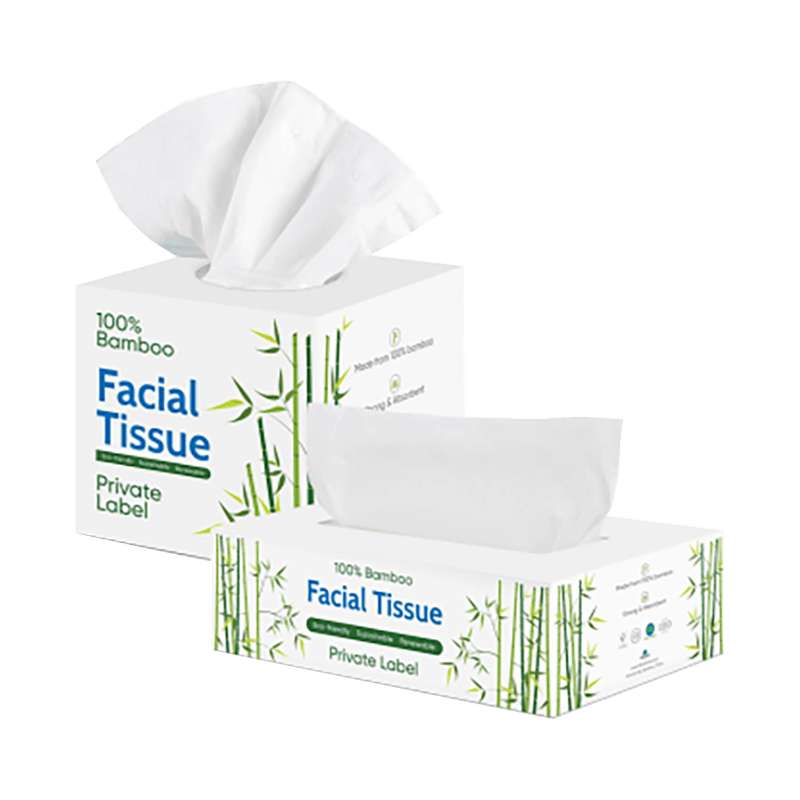
Bamboo vs. Wood Pulp in Facial Tissue Manufacturing
Wood pulp has always formed the primary raw material for the facial tissue manufacturing. However, an increasing concern over environmental damage in contemporary culture and advances in material technology has now set up bamboo as an eco-friendly and increasingly popular substitute. A critical analysis may inform of important differences between the two materials’ sustainability, performance, cost, and manufacturing aspects.
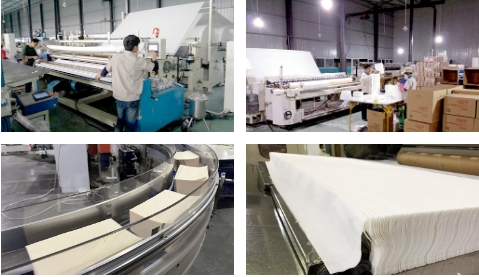
Understanding Bamboo Material in Facial Tissue Manufacturing
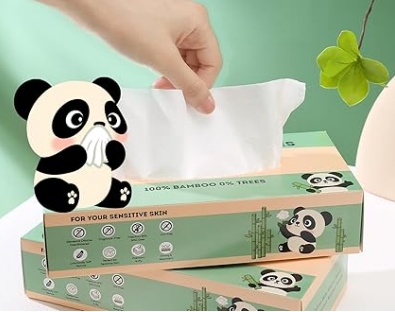
In facial tissue manufacturing, bamboo is starting to take over as a sustainable alternative to wood pulp. Its quick renewability, natural attributes, and an increasing interest from consumers all make it an attractive material to manufacturers who wish to combine efficiency and a degree of environmental care together.
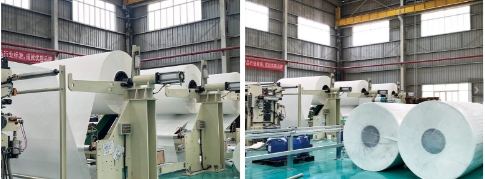
Why Use Bamboo in Facial Tissue Manufacturing
Bamboo is a grass species that grows quickly with a fiber-like structure that can be processed into pulp for the creation of tissue products. Its fibers are relatively long and strong, providing tissue with necessary strength. Moreover, it requires less agricultural input. So, it is more efficient than conventional timber sources.
However, with the advent of modern pulping technologies, hence the markets should develop around softened, absorbency bamboo facial tissue that will fulfill even the wildest expectations posed by the consumer. Still, an additional stage of improvement is required to achieve that impeccable softness.
Advantages
- High Renewability and Fast Growth: Another fastest-growing plant on the earth’s surface, bamboo reaches maturity in three to five years. It regenerates without replanting after cutting down, which gives us raw material for an innumerable time in a sustainable way.
- Lower Environmental Impact: Compared to other plants, bamboo stands out in its requirement of less water and fewer chemicals in its cultivation. It is essentially pest-free while being one of the best carbon-absorption plants, thereby lowering the immediate environmental impact.
- Strong and Durable Fibers: The natural strength of bamboo fibers enhances the tensile strength of facial tissues. This can result in products that are less prone to tearing during use.
- Hypoallergenic and Natural Appeal: As far as consumers are concerned, bamboo facial tissues come accented with a belief in the kind consideration for sensitive skin. This gives a solid coupling with the current trend of consumer demand for environmentally friendly and health-oriented products.
- Market Differentiation: In view of all the advantages of being ecological, any manufacturer shifting to bamboo is gaining sustainability and benchmarks of good innovation for all customers concerned.
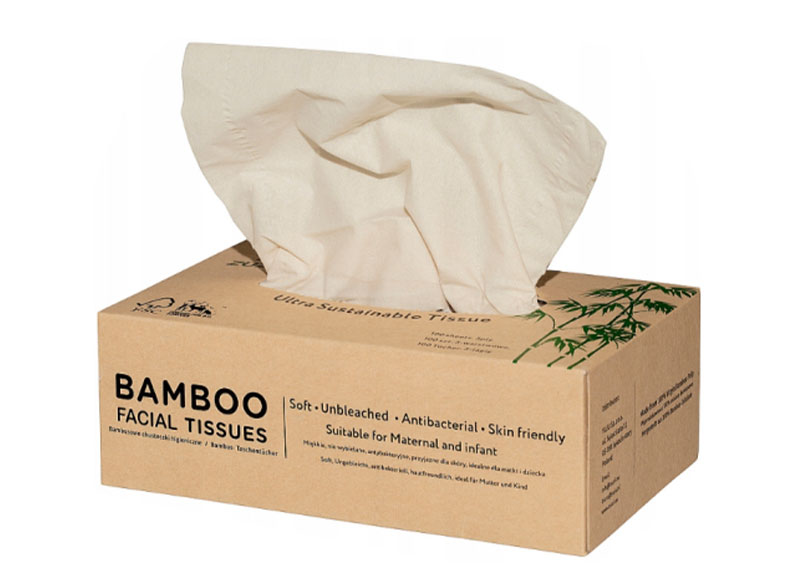
Limitations
- Processing Complexity: This is because silica in the bamboo would translate into extra efficiency demands on machines or, during processing, to make wear and tear pretty ubiquitous. Specialized processes may be needed for pulping and refining, making the manufacturing process more complex.
- Softness Challenges: Such bamboo fibers, potent on paper, might, however, make excellent softness a very hard thing to achieve. Often the fiber of bamboo needs a lot of processing or blending with some fibers for perfection.
- High Production Cost: And of course, bamboo facial tissue manufacturing could run up in terms of cost due to factors like nebulous supply chains, processing requirements like varied pulping, and transportation logistics. As a result, the retail price will naturally go higher.
- Limited Infrastructure: Another factor hindering the growth of the bamboo-based market is the overall production capacity induced by organic facets like constrains in the raw material sustainability.
- Variability in Raw Material Quality: Nature has an increased ability to tweak around the output of bamboo fibers depending upon the species’s, the growth, and the method of harvesting: such variation may have a powerful influence on the consistency of the ultimate product when left unabated.
Understanding Wood Pulp Material in Facial Tissue Manufacturing
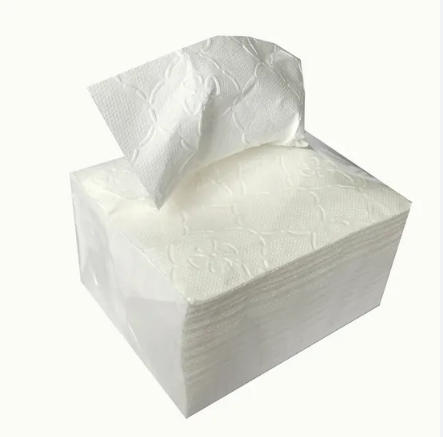
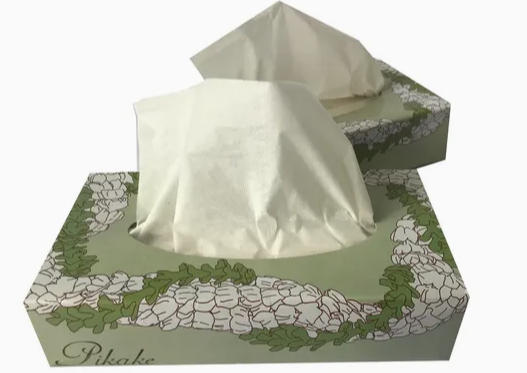
Currently, the prime raw material in the production of facial tissue paper is wood pulp and has been the backbone of the global tissue paper industry. Its extended application is supported by well-established processing techniques, consistent grades of fiber, and reliable supply chains.
How Wood Pulp is Used for Facial Tissue Manufacturing
The way wood pulp is derived involves the mechanical grinding of wood into cellulose fibers through chemical processing. The commonest sources are softwood; e.g., pine, and hardwood; e.g., eucalyptus. The strength is endowed by softer, usually long, wood fibers, while the hardwood fibers are soft enough to give them a really nice feel.
In the production of facial tissues, the fiber blends are combined to come up with the perfect balance of softness, strength, and absorbability. Very sophisticated pulping of the fiber and bleaching processes are carried out to achieve all standards of hygiene and aesthetics.
Advantages
- Proven Performance and Consistency: Wood pulp offers a well-balanced combination of softness, strength, and absorbency. The consistency in product quality is warranted due to several decades of optimization in processing and formulation with a track record of extensive production volumes.
- Established Supply Chain: The global industry of wood pulp enjoys established infrastructure with sustainable forestry practices, extensive processing facilities, and efficient logistical infrastructure in place. This ensures the steady supply of wood pulp in view of price efficiency.
- Cost-Effectiveness: Due to the enormous scale of production and production improvements, wood pulp is generally cheaper in comparison with many other alternative fibers and is good for premium tissue products as well as for tissues in budget.
- Versatility of Fiber Blending: Furnish with a blend of softwood and hardwood fibers, creating various product qualities. This flexibility allows us to choose the mixture that will give us the best characteristics in areas like softness, strength, and absorbency.
- Compatibility with Existing Technologies: Processing wood pulp is compatible with present tissue manufacturing equipment and technologies; this requires the least amounts of further investment and process adjustments.
Limitations
- Environmental Concerns: If pulp production is uncontrolled, it will lead to deforestation because long-standing trees are harvested. Issues like environmental concerns for plantations cover a major deficit in regard to wood production from trees. Certification of the sustainable forest under FSC/PEFC confer as good forest management practice.
- Long Growth Cycle of Raw Materials: Trees take a long time to mature, from many years to some decades. This natural property may prove to be a potential challenge. Bamboo production is much faster as it outcompetes wood pulp in sustainable raw material.
- High Resource Consumption: The processing of wood bleaching pulp is resource and energy intensive. Lots of water, energy, and chemicals are needed to run the pulp, and this comes with heavy environmental costs.
- Consumer Perception Challenges: With the increasing consciousness about the environment, some consumers prefer products that are regarded as environmentally friendly. Those products made with wood fibers may have to come under severe public intolerance unless their source was certified as sustainable by agencies such as FSC (Forest Stewardship Council).
- Dependence on Forestry Practices: Wood pulp’s sustainability and quality are closely linked to how forests are managed. An area with poor forestry practices can set in ecological collapse, thus resulting in a lack of biodiversity and poor soil health.

The Comparison Between Bamboo vs. Wood Pulp in Facial Tissue Manufacturing
| Aspect | Bamboo | Wood Pulp |
| Raw Material Type | Fast-growing grass | Trees (softwood and hardwood) |
| Renewability | Highly renewable (3–5 years growth cycle) | Slower renewability (years to decades) |
| Environmental Impact | Lower impact, less water and pesticide use | Higher impact if not sustainably managed |
| Carbon Footprint | High carbon absorption capacity | Moderate carbon absorption |
| Fiber Strength | Strong, long fibers | Balanced strength (softwood) and softness (hardwood) |
| Softness | Moderate, may require processing | Naturally soft with proper fiber blending |
| Absorbency | Good absorbency | Excellent absorbency |
| Processing Complexity | More complex due to silica content | Well-established and optimized processes |
| Manufacturing Infrastructure | Developing, less mature | Highly developed global infrastructure |
| Cost | Generally higher | More cost-effective |
| Product Consistency | May vary depending on source | Highly consistent |
| Consumer Perception | Eco-friendly, sustainable | Traditional, reliable |
| Sustainability Certifications | Emerging | Widely available (e.g., FSC) |
| Market Adoption | Growing rapidly | Dominant and widely used |
Key Considerations for Selecting Materials Between Bamboo and Wood Pulp in Facial Tissue Manufacturing
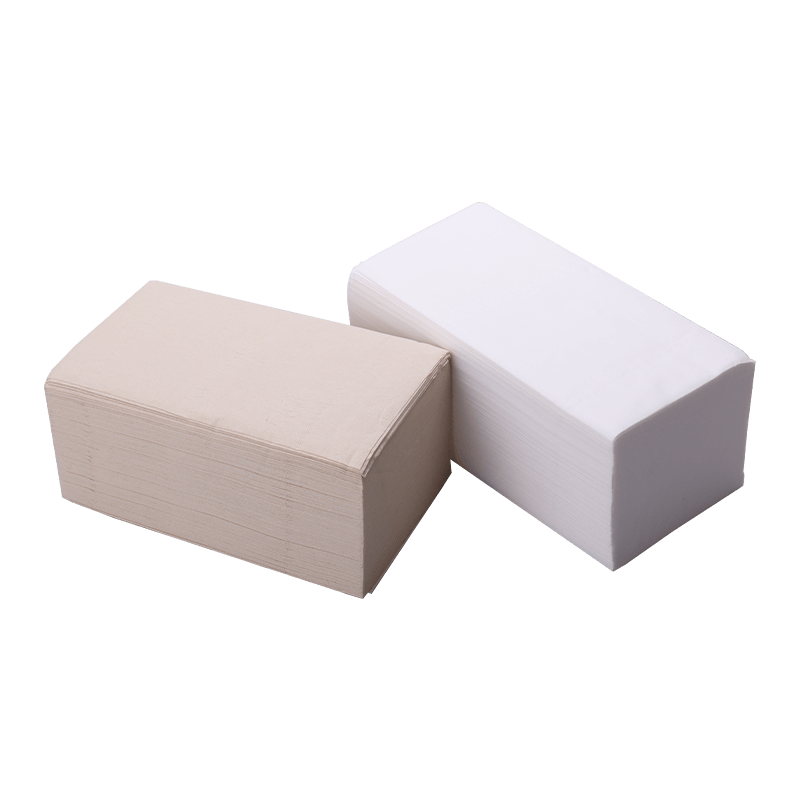
With all the improvements in sustainability and performance waiting in everything bleeding into facial tissue paper manufacturing, decision makers must also decide. Do we use bamboo, wood pulp, or do we have a mix again, each one has its own set of capacities and drawbacks, really determined by what kind of outlet is desired or what state regulations dictate.
1. Performance Requirements: Softness, Strength, and Absorbency
Among the aforementioned concerns, explicitly, product performance is of very high importance. To this end, a tissue manufacturer has to satisfy the triple barometer of softness, strength, and absorbency to be in a solid position with consumer opinion.
Wood pulp has managed to strike a good balance between these characteristics, particularly when softwood and hardwood fibers are combined. Strong bamboo fibers can enhance durability while they may require a few extra steps in processing or the addition of softeners to match the desired softness-in other words, performance and comfort are the main issues for tissue paper manufacturers when deciding if their goals can be met by either an entire-based mix or a hybrid one.
2. Sustainability Goals and Environmental Impact
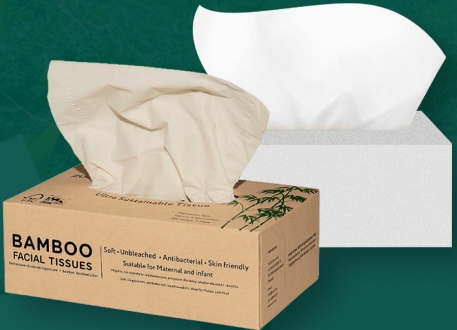
Material selection is increasingly considering environmental issues. In practice, bamboo scores mostly due fast renewability, reduced water needs, and minimal or no pesticide use. Fast regeneration makes bamboo look a best candidate for sustainable production.
Not only is bamboo inherently sustainable to grow, but wood pulp is as well, being renewable, but again this calls upon the practice of responsible forestry management. Environmental consequences can dramatically decrease through sustainable considerations and proper certification. As manufacturers decide on their sustainable aspirations, they need to weigh between bamboo, certified wood pulp, or both, to see what best aligns with their green commitments.
3. Cost and Supply Chain Stability
Cost-efficiency and supply chain reliability are two critical main factors for massive manufacturing. Wood pulp is testament to a mature global supply chain, vast infrastructure, and economies of scale and is, as such, more cost-effective and available generally.
Though bamboo is becoming less expensive, the proceses required to put it into eco-friendly products, like papermaking, still tend to make it costlier than similar options due to production complexity and less developed networks of logistics. Beyond raw material costs, manufacturers need to look at the embodied carbon costs of transport, production operations, and finished product supply stability prospect.
4. Manufacturing Compatibility and Processing Requirements
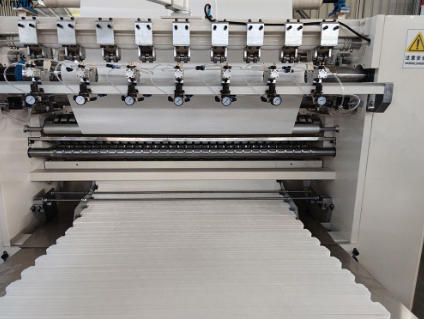
The compatibility of raw materials with existing manufacturing systems stands as a major point of concern. While wood pulp processing technologies are very well optimized and widely accepted, this can make for highly efficient large-scale production.
There may be unique challenges associated with the bamboo, such as they have higher silica content which can damage equipment or require adjustments of the process. Moving into bamboo might require investing in new technologies or modifying existing system. It is therefore important to evaluate all these technical requirements before the material actually makes its changeover.
5. Product Positioning and Consumer Expectation
Material decisions should jibe with the market segment and brand positioning. Bamboo facial tissues are often marketed as eco-friendly premium products, targeting environmentally conscious customers who may be inclined to pay a higher price.
Still, tissue paper from wood pulp was well-appreciated for specific quality and the price one can hardly argue, thus perfectly fitting for massive enrichment of the market. Learning more about buyers’ preferences and price sensitivity will allow all players to formulate a strategy for appropriate material use.
6. Regulatory Compliance and Certification
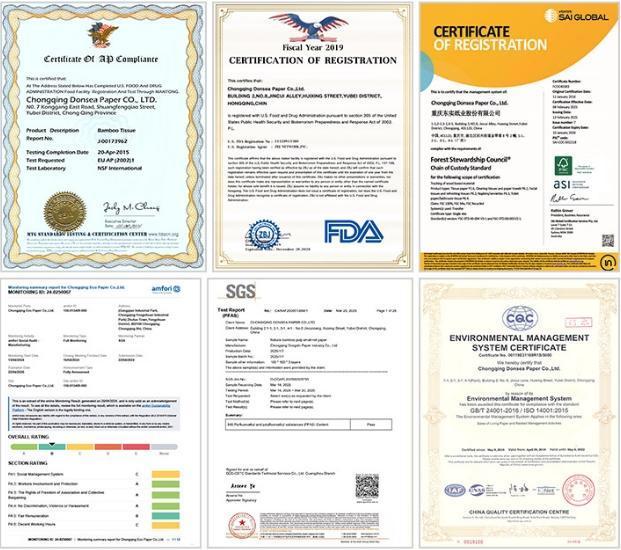
Compliance with environmental and safety regulations is a fundamental consideration. Below items must meet all the strict guidelines in relation to hygiene and wellbeing, the use of chemicals, and product safety, whether one discussed bamboo or wood pulp inadvertently.
Wood pulp supplies are typically blessed with institutional certifications such as FSC indicating responsible indulgence. Standards for bamboo tissues are also emerging, though possibly to a certain extent, because of diversification from one locale to the other. Manufacturers shall need to condition that their materials are fully compliant with applicable regulations and back up all claims with transparent verifiable conduct.
7. Opportunities for Material Blending
Often the vehicle to success, groundbreaking innovations sometimes emerge from a single advanced individual working out their frustrations future prospects and adopted practices. That is how this new composite natural polymer for bamboo and wood Council of Green-Bamboo alone, Bamboo Sustainability.for example is the meme-to-meme collaboration of the two members within the Gold Mine to improve how holds up to the other-resistance of toxicity and lesser biodegradability.
Blended materials allow manufacturers to enhance softness, improve strength, and reduce environmental impact while controlling costs. This flexible approach is increasingly seen as a practical solution in modern tissue manufacturing.
8. Long-Term Strategy and Market Trends
Future prospects lie at some other emerging materials for the purpose of composite fibers to improve their accessibility-minded corporate performance. Application advancements revolve a lot around the subject of materials in one fiber for the environmentally friendly in technologically upgrading processes.
Nowadays more and more corporations are teaming up with academy partners with an on-off Cooperation relationship-Smithsonian and some formal universities, private manufactures and R&D or technology-related authorities. All members are ghostwriting or involved in world testing.
Summary
- Wood pulp remains the industry standard for facial tissue manufacturing due to its established performance and cost efficiency.
- Bamboo presents a compelling sustainable alternative with strong growth potential in facial tissue manufacturing.
- Blending bamboo and wood pulp fibers can optimize both performance and sustainability in facial tissue manufacturing.
Final Thoughts
Each raw material has its specific utilities in making facial tissues. Performance together with the cost and environmental concerns help in deciding which raw material is to be used. This, in turn, helps them make proper decisions on materials to directly contradict market requirements and the green targets and initiatives.
Ongoing research into alternative fibers, improved pulping technologies and environmentally friendly processing methods will continue to shape the paper manufacturing industry, In the following years, bamboo will, as expected, become highly notable as tissue paper manufacturers seek to reduce their environmental impact.