
Bamboo vs. Wood Pulp Facial Tissues: Which Type is Better
The materials used to manufacture facial tissues that are consumed and discarded in large quantities in households and workplaces have an impact on the environment. Most facial tissues are made from wood pulp, a raw material that, when used on a large scale, raises concerns about deforestation and resource depletion. For these reasons, the use of bamboo as a wood substitute is a more sustainable option. This study focuses on some of the most important differences and relative impacts of bamboo and wood pulp facial tissues regarding their environmental impact, their softness and durability and other important issues, to assist consumers in making informed decisions.
Understanding Bamboo Facial Tissues
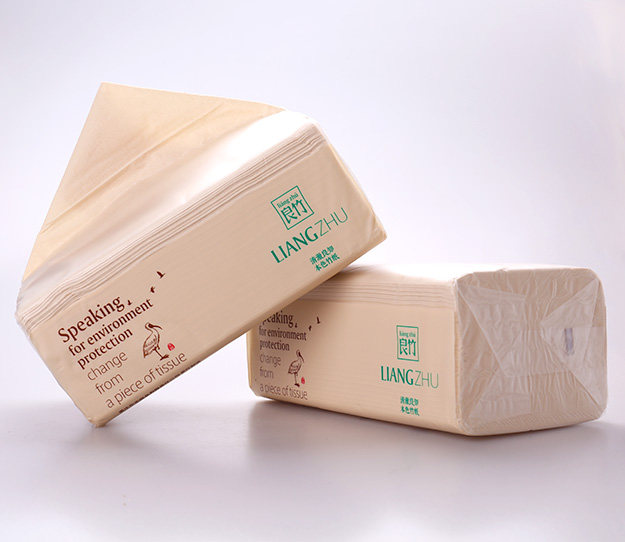
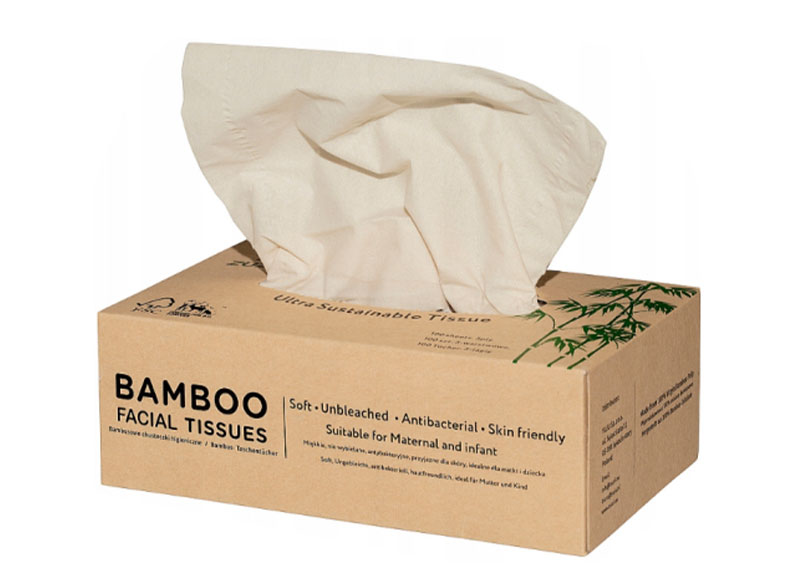
Bamboo facial tissues have become one of the most sought-after products by eco- and environmentally proactive consumers looking for an alternative to facial tissues made of wood pulp. As a fast-growing, renewable, and environmentally friendly bamboo resource, it has gained the attention of consumers and the public.
Advantages
1. Eco-Friendly and Sustainable
- Rapid Regrowth: Bamboo is, in fact, one of the fastest-growing plants. It can grow up to just over a foot in about a day in direct sunlight. This kind of rapid regrowth over the short span of a few years without replanting makes bamboo a much more sustainable option compared to trees.
- Less Environmental Impact: Bamboo cultivation uses significantly less water, pesticides, and fertilisers than traditional wood pulp, and it thrives in varied climates and soils that are unsuitable for other crops. There’s also the added benefit of helping to reduce soil erosion and sustain biodiversity. Additionally, bamboo is less carbon positive in that it absorbs and helps to sequester large amounts of carbon dioxide that would otherwise be in the atmosphere.
- Biodegradable and Compostable: Bamboo is also the biodegradable and compostable alternative to wood pulp, which takes years to break down in landfills, making bamboo products, especially tissues, the more environmentally responsible choice for consumers trying to consciously minimise their waste footprint.
2. Soft and Gentle on Skin
Bamboo facial tissues are soft, smooth, and comforting. More specifically, bamboo fibres are silky and smooth when used. This is particularly comforting to those with skin sensitivities and allergens, and a significant reason traditional tissues are so soft.

Several brands of bamboo tissue are marketed as being hypoallergenic and free of chemicals used in conventional tissues, making bamboo facial tissues gentler on the skin and more environmentally friendly.
3. Minimal Chemical Processing
Bamboo tissues are not as heavily processed as conventional wood pulp tissues, which are often subjected to chlorine and other hazardous bleaches. Many manufacturers use more environmentally responsible alternative bleaches such as oxygen and hydrogen peroxide, thereby lessening the ecological footprint of the product. Users of the product are also less likely to become sensitised to the product if there are fewer synthetic materials incorporated.
4. Sustainability Certifications
Bamboo tissue paper products are often certified as sustainably produced (e.g., by the Forest Stewardship Council, or other eco-labels), which assures consumers that the bamboo incorporated into the product is responsibly sourced. This allows consumers to feel that they are not only making a sustainable choice but also that they are making a choice that supports ethically responsible supply chains.
Limitations
1. Cost
Bamboo facial tissues have a cost limitation. The processing and manufacturing of bamboo is more expensive than traditional wood pulp. This is why bamboo tissues tend to be more expensive than wood pulp tissues. Because bamboo is processed with more advanced technology and on a smaller scale than wood pulp, which is more abundantly produced, the processing and manufacturing of bamboo tissues costs more.
The narrow price difference between bamboo and wood pulp is a limitation for many consumers, even if the price difference is smaller than it used to be.
2. Availability
Bamboo tissue products are becoming more and more popular, but they are available in the market to a lesser extent than traditional tissues that are made from wood pulp. The availability of tissues made out of bamboo in some areas is more limited, which can make it more difficult for consumers in those areas to find bamboo tissues in physical store locations. However, some consumers have more availability to tissues made out of bamboo in a wider region than their own because of the increase in online shopping.
3. Texture Differences
Bamboo tissues are soft and gentle. However, in comparison to premium wood pulp tissues, their fluffiness and absorbency may not be as good. Depending on the brand and processing method of the tissues, there can be differences in texture and absorbency. Some users may feel the difference in the tissue, and in some cases, the users may feel the difference more than others, especially people who are used to the plush and quilted wood pulp tissues. That said, a lot of consumers believe that bamboo tissues can be soft enough to get used to for everyday use.
4. Limited Brand Options
Bamboo facial tissues are a fairly new product in the market. This results in fewer brand options for bamboo tissues as compared to the numerous wood pulp tissues available. This may upset consumers who want to take their time and shop for different brands, scents, or tissue shapes. However, more brands are expected to join the market and offer varied options as the demand for bamboo products continues to increase.
5. Impact of Bamboo Harvesting
While bamboo is seen as more renewable than wood pulp, extensive bamboo farming is still detrimental to the environment. Poorly managed bamboo farms, particularly in fragile areas, can cause soil erosion and loss of plant and animal species. Still, in comparison to the forestry industry, and especially with the implementation of sustainable farming, the growing of bamboo has a more positive impact on the environment.
Understanding Wood Pulp Facial Tissues
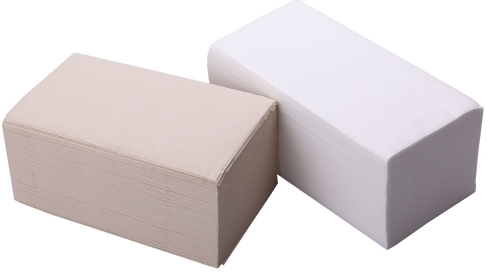
Facial tissues made with wood pulp are very absorbent and soft, as well as easy to use. But the impact on the environment due to the use of wood pulp, with its associated deforestation, degradation of resources, and waste of resources is becoming a rising problem.

Advantages
1. Softness and Comfort
- Smooth Texture: The wood pulp fibres are processed to manufacture the tissues with a soft and smooth surface. The tissues are extremely gentle on the skin due to the fibrous structure of the wood pulp. The softness and plushness of the tissues make them ideal for use on the face, hands, and nose without causing any irritation.
- Comfort for Sensitive Skin: Different companies make tissues from wood pulp and improve their softness by incorporating lotions and aloe vera which make the tissue even softer and more soothing, especially in cold and allergy seasons when tissues are used more frequently.
2. Absorbency
- High Absorbency: Wood pulp tissues are notoriously known for their absorbent qualities. The wood pulp, for its cellulose fibres, is effective in soaking up liquid which is relevant in situations such as wiping up spillages, especially during allergy or cold season. This high absorbency also acts as a barrier in which moisture is prevented from soaking and escaping out of the tissue keeping hands and faces dry.
- Quick Drying: Wood pulp tissues, along with the absorbency factor, dry quickly as well, which guarantees that users will not need to deal with a wet or limp tissue when needed for cleaning up a mess.
3. Wide Availability and Variety
- Readily Available: Wood pulp tissues are for the most part readily available and come in a variety of box tissues, pocket packs, and travel-sized packs. This item can be found in most supermarkets and pharmacies which makes them easily accessible for most users.
- Variety of Options: Wood pulp facial tissues come in a variety of options in the marketplace. These options include simple and basic tissues, and a more premium version that has features such as added lotion, and fragrance, as well as extra and thicker layers of tissues that are more durable and comfortable. These options are catered for different consumers and their needs.
4. Cost-Effectiveness
- Affordable: Wood pulp facial tissues are more affordable in the market compared to other eco-friendly alternatives such as tissues made out of bamboo. Wood pulp facial tissues, unlike bamboo tissues, are produced at a large volume, owing to economies of scale, making it a more affordable option for consumers.
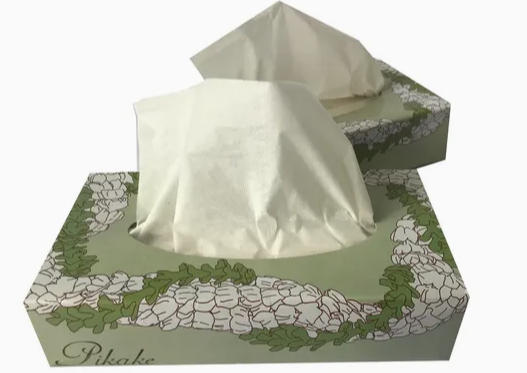
Limitations
1. Environmental Impact
- Deforestation and Resource Depletion: Deforestation and Resource Depletion: Wood pulp tissues’ primary raw material is trees. Although some tissue brands claim to use paper obtained from responsibly managed forests, the overall negative environmental impacts of wood pulp production are alarming. Deforestation contributes to the extinction of different species and ecosystem fragmentation. Even such forests which are considered to be managed sustainably, the scale of wood pulp production from such forests can inflict considerable pressure on the environment.
- Chemical Processing: During the production of wood pulp, tissue papers also utilise whitening and strengtheners such as chlorine bleach and other chemicals. These chemicals benefit neither the environment nor the pulp and tissue end products where they can irritate the skin of some end users of the tissue products.
- Non-Biodegradable Waste: Still problematic is the information that wood pulp products decompose faster than other synthetics. They take time ranging from a few years to some months to decompose in some landfills. Unlike bamboo tissues, which are compostable, in most wood pulp tissues the biodegradables are still gases and other products, which add to toxic dump sites.
2. Not Always Hypoallergenic
- Chemical Additives: Many wood pulp tissues are treated with fragrances, dyes, or softening agents that can cause skin irritation for individuals with sensitive skin or allergies. While some brands offer fragrance-free or hypoallergenic options, the widespread use of chemicals in production means that not all wood pulp tissues are suitable for people with sensitivities.
3. Limited Sustainability
- Single-Use Product: Waste is generated by used wood pulp tissues where, unlike other reusable tissues, a higher volume has been created in waste by not having a replacement. Other wood pulp papers also contribute to the volume of waste; wood pulp tissues are also created for one-time use..
- Recycling Challenges: Not all wood pulp tissues are made of “natural” wood fibre. Because of the smell masking chemicals like lotions or perfumes, or the bleach, these tissues become more complicated to recycle.
4. Impact of Bleaching and Softening Agents
- Chemical Bleaching: Wood pulp bleaches contain or trace back to the environmental toxicity of the chemical by-products of bleach. While chlorine-free bleaching has become more widely adopted, the traditional methods of bleaching remain problematic.
- Softening and Fragrance Additives: These wood pulp tissues contain added softeners or fragrances which, while these chemicals can make the tissue more pleasing to use, unfortunately, these chemicals can also cause sensitivity or allergic skin reactions in some users.
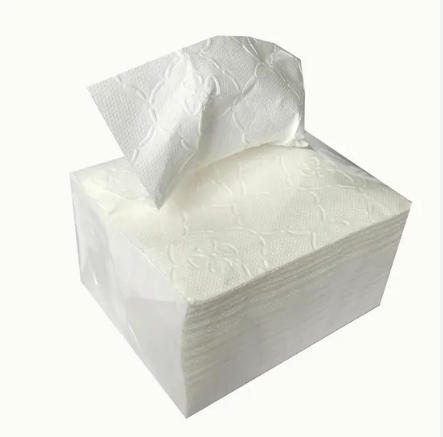
Comparative Analysis of Bamboo vs. Wood Pulp Facial Tissues
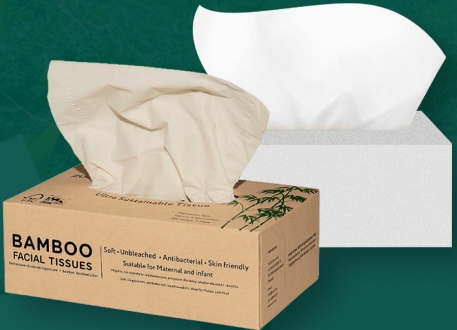
This chart provides a side-by-side comparison of bamboo and wood pulp facial tissues.
| Criteria | Bamboo Facial Tissues | Wood Pulp Facial Tissues |
| Biodegradability | Fully biodegradable and compostable. | Biodegradable, but may take longer and often not compostable due to chemicals. |
| Resource Regrowth | Rapid regrowth – Bamboo grows quickly and can be harvested in 3-5 years. | Slow regrowth – Trees take decades to mature for pulp production. |
| Production Process | Requires minimal chemicals for bleaching; eco-friendly methods. | Often uses chlorine bleach and other chemicals for whitening and softening. |
| Hypoallergenic | Hypoallergenic, free from synthetic fragrances and harsh chemicals. | Can cause irritation due to fragrances, dyes, and chemical treatments. |
| Cost | Higher cost due to sustainable sourcing and newer production methods. | Lower cost due to mass production and well-established processes. |
| Waste Generation | Lower waste impact, fully biodegradable, reducing landfill contribution. | Higher waste impact, as they take longer to decompose and are not compostable. |
| Texture | Silky and soft, ideal for sensitive skin. | Typically softer, but may vary based on brand and additives. |
| Fragrance/Ingredients | Typically fragrance-free and natural. | Often contains fragrances, lotions, or additives that may cause irritation. |
| Common Applications | Ideal for everyday hygiene, makeup removal, baby care, and eco-conscious users. | Used for everyday hygiene, baby care, general cleaning, and office use. |
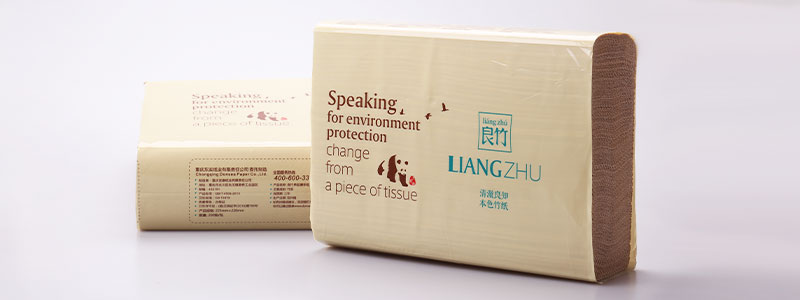
Key Factors to Consider for Choosing Between Bamboo and Wood Pulp Facial Tissues
When selecting facial tissues and considering bamboo and wood pulp options, the trade-offs come down to the environmental costs, comfort, and value. All paper tissues primarily serve the same function; there are notable differences pertaining to the manufacturing process, sustainability, and comfort.
1. Environmental Impact
A cardinal factor to take into account is the ecological footprint of producing the tissue. Wood pulp facial tissues have been the traditional and leading eco paper choices for a long time. But there are environmental considerations revolving around the wood harvest for pulp, and the substantial energy costs of bleaching and processing the fibres. Deficient resource restoration and unsustainable paper production contribute to forest ecosystems and the traditional wood pulp industry habitat. Loss is a substantial source of Climate Change. Even “Sustainable” forest certification does little to stem the net resource loss. Wood pulp remains a leading source of eco paper tissues.
Unlike trees, bamboo grows back in a matter of years and represents a rapidly renewable resource. It matures in 3-5 years and is considered a more sustainable option. Bamboo also has a lower need for pesticides and fertilizers compared to trees in addition to absorbing large amounts of atmospheric carbon dioxide, offsetting some carbon emissions released in processing. It also helps lower deforestation, and environmental pressure, and helps improve overall eco-conscious consumerism. Thus, bamboo tissue helps consumer eco-friendly design.
2. Softness and Comfort
Many customers prioritize softness in tissue unlike trees. With skin allergies and sensitivities becoming more common, facial tissue made from bamboo is a better alternative. It is softer and less chemically processed to achieve a silky smooth texture. For some nasal congestion, irritation, and a softer tissue, bamboo fibre is a better alternative. It also helps relieve some pressure from harsher chemical processed materials. Aging tissues helps improve overall eco-conscious consumerism. Thus, tissue made from bamboo helps consumer eco-design.
The popularity of wood pulp facial tissues is also attributed to the softness that the product has. Tissue made of wood pulp is made softer when the wood pulp is processed and treated with softening agents. Unlike some competitors who make wood pulp tissues that are hypoallergenic with no added chemicals, many wood pulp tissues contain fragrances and lotions and may cause some irritation to sensitive skin. Thus, while some people may prefer the softness of wood pulp tissues to the tissues made from bamboo, many consider tissues made from bamboo to be more natural and skin-friendly.
3. Absorbency
Given the frequency of use, the absorbency of the tissues is also an important factor. If tissues are wood pulp, the tissues will be very absorbent due to the cellulose fibres that are present in the wood pulp. This is especially important when you have a runny nose and also helps with cleaning spills. The purpose of wood pulp facial tissues is to be able to absorb moisture quickly which makes them a good option for everyday uses.
No matter the case, bamboo facial tissues, although able to absorb moisture like other tissues, differ in the ability to absorb moisture like wood-pulp tissues. This is attributed to the naturally thinner fibres found in bamboo as opposed to wood-pulp tissues. While bamboo tissues, however, absorb moisture to a relatively acceptable degree for everyday tasks, bamboo tissues perform even better for more general purposes, especially when the need for maximum absorbency is not necessary and environmental concerns together with softness are prioritized.
4. Cost Considerations
As mentioned, facial tissues made from bamboo are more expensive than wood-pulp tissues. This is in consideration of the environmental comfort benefits bamboo tissues offer. Bamboo tissues are more expensive than wood-pulp tissues and this is because the farming practices used to cultivate the bamboo are better for the environment. While farming bamboo is more sustainable, the tissue paper industry’s farming practices are still considered unsustainable and are widely more used. This is because the tissue farming industry’s production is considered on a larger scale in comparison to the bamboo tissue farming production which is more sustainable.
For those who are more conservative with their budgeting, products made with wood pulp facial tissues are more economical. Wood-pulp products are tissues and products made with bamboo are at times more expensive. For more people, as there is a higher cost associated with products made with bamboo, there is a willingness to pay this higher cost for more sustainable products. This is primarily because the increased cost associated with products made with bamboo is an investment in sustainability.
5. Sustainability Certifications
Sustainability certifications are also an important element in making your decision. Eco certifications are often claimed by bamboo facial tissue brands, like Forest Stewardship Council (FSC) and organic certifications that indicate that the bamboo has been ethically sourced and processed. These certifications bring reassurance to the consumers that along with purchasing these products, they are aiding in the support of eco-friendly companies and practices.
Brands that produce wood pulp facial tissue products also hold some of these certifications; however, the scope of these certifications varies considerably. For some companies, the pulp comes from forests managed under the ‘responsibly managed’ paradigm and for others, that has little to no control. With certification labeling, such as FSC, consumers are able to pinpoint products that have been sourced ethically. Still, because the production of wood pulp has to clear forestation (even if it’s managed sustainably), bamboo tissue products often hold the strongest position in their overall sustainability profile.
6. Waste and End-of-Life Considerations
Following the use of a product, the environmental impact of a product continues. Concerning waste, it is bamboo facial tissues that are the most environmentally friendly option as they are fully biodegradable and compostable. There is less long-term waste build-up since they break down much quicker in landfills. Therefore, bamboo tissues fit into a zero-waste or sustainable lifestyle, as they are able to be composted.
On the other hand, wood pulp facial tissues are biodegradable but take a much longer time to break down in a landfill. Additionally, various wood pulp tissues have chemicals like fragrances, lotions, or bleaching agents that could potentially interfere with the decomposition process and the breakdown of these chemicals. Though some wood pulp tissues are made with environmentally friendly methods (i.e. chlorine-free bleaching), they are, in most cases, less compostable than bamboo tissues, which are less chemically processed.
7. Availability
Although bamboo facial tissues are gaining popularity, wood pulp tissues are still much more common, as wood pulp tissues can be found in every supermarket, pharmacy, and on every online selling platform. This makes it more difficult for some bamboo tissue customers to find tissues, as they are often looking for something in a convenience store. However, even though fully bamboo tissues are not in most convenience stores, they are available in most eco-friendly stores and online eco-friendly stores.
On the other hand, because wood pulp facial tissues are the traditional option, they are found in every retail store, which pleases consumers who aren’t as passionate about pulping to the same depth and who just want something quick.
Summary
- Bamboo has a much faster regrowth rate, is much more biodegradable, and uses far fewer chemicals, making bamboo facial tissues the superior option for anyone who is passionate about minimal environmental impact.
- However, if the buyer is looking for the best cost-effective and absorbent, then wood pulp facial tissues are much better for the buyer at a lower price point.
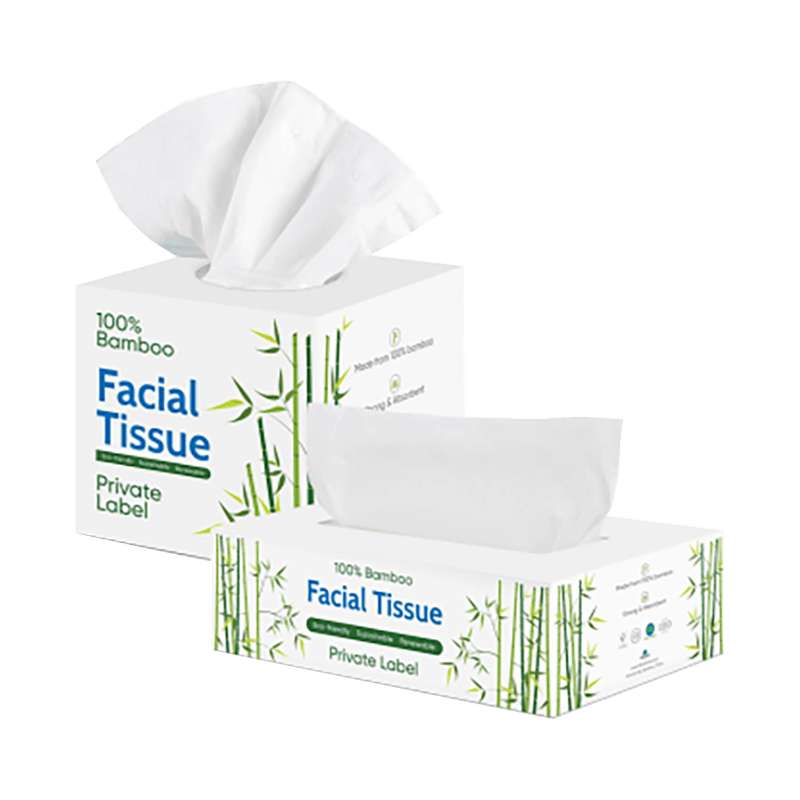
Final Thoughts
Choosing between bamboo and wood pulp facial tissues ultimately reflects the compromises one is prepared to make regarding sustainability, comfort, expense, ethical concerns and personal philosophy. With the increasing consumer demand for sustainable alternatives, the availability and affordability of bamboo facial tissues should improve, ultimately benefiting eco-conscious consumers.