Bamboo Tissue Paper Market Outlook 2026-2030: Growth & Trends
As global consumers shift toward eco-friendly, healthy daily necessities and carbon neutrality policies tighten worldwide, bamboo tissue paper has emerged as a game-changer in the tissue paper industry. Outpacing traditional wood pulp tissue in both growth rate and market penetration, bamboo-based products are no longer a niche choice but a mainstream contender.
Bamboo tissue paper is made from 100% renewable bamboo raw material, which grows rapidly and possesses natural antibacterial properties. Its rising popularity in both domestic and international markets reflects a fundamental shift in consumer values. According to industry data, the global market size for bamboo tissue was approximately $18 billion in 2024, with projections reaching $23.5 billion by 2026, representing a compound annual growth rate (CAGR) of 12.3%. In China alone, the market CAGR is an impressive 22.5%, with penetration expected to exceed 25% by 2026.
Bamboo Tissue Paper Market Overview
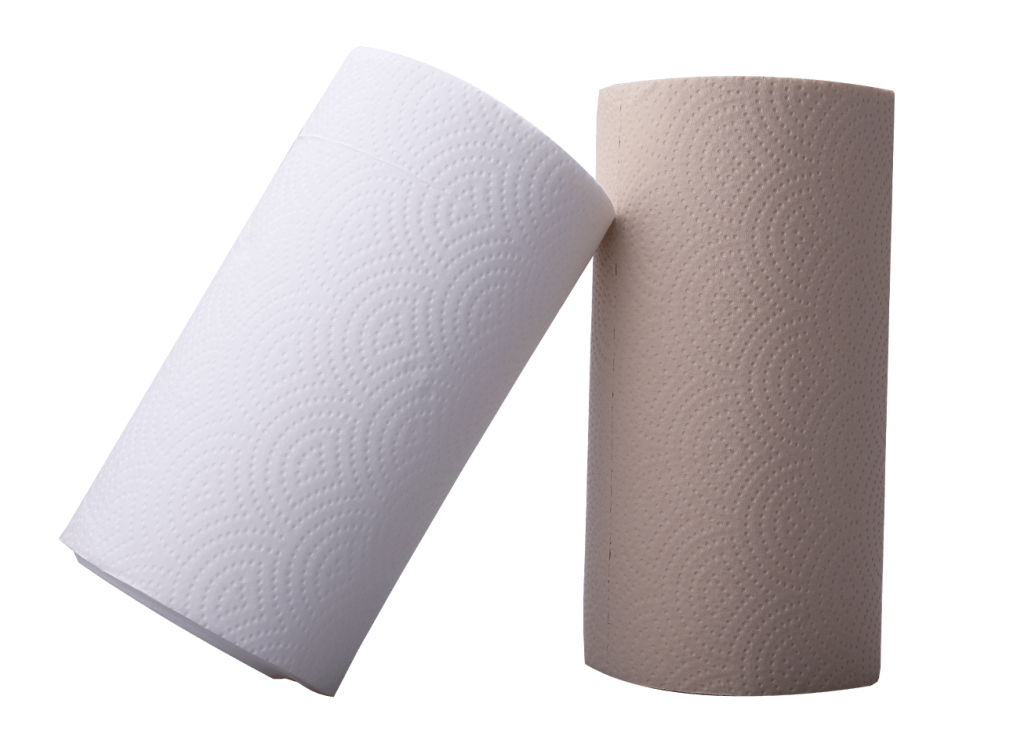
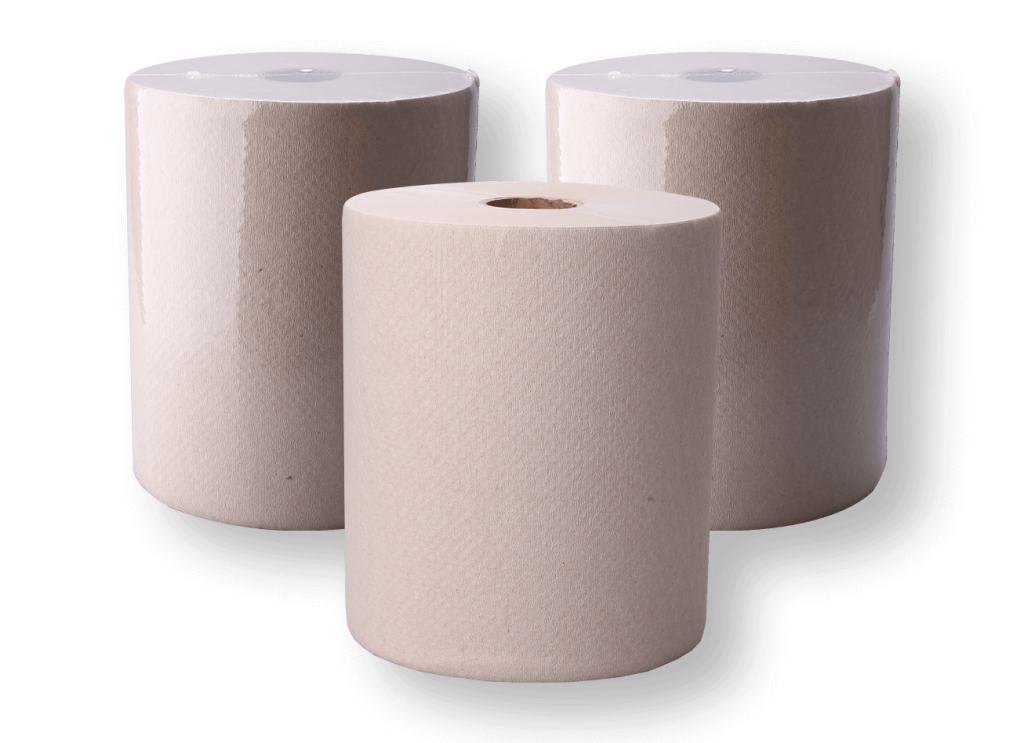
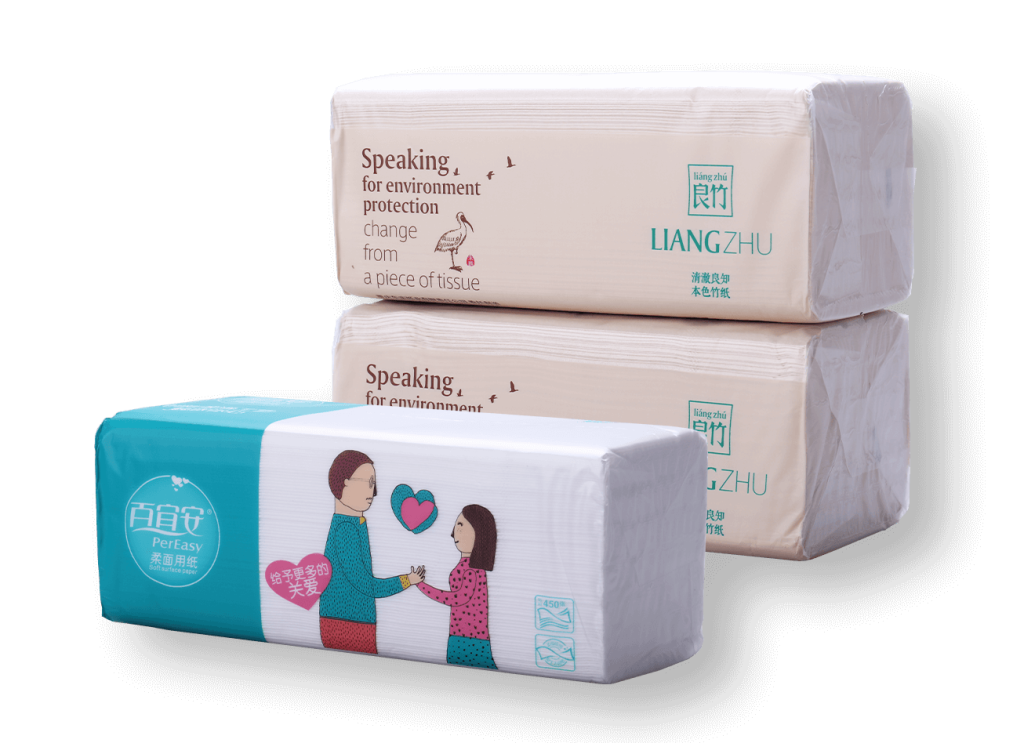
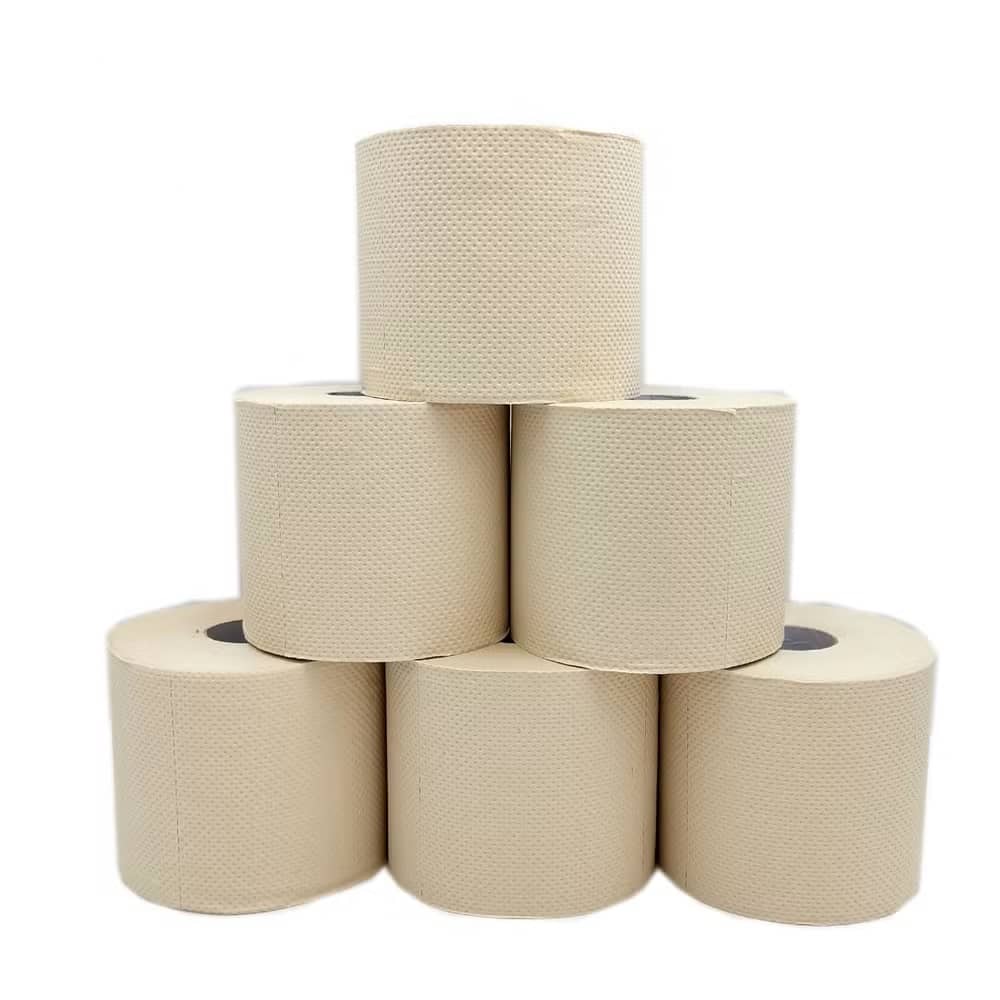
Bamboo tissue paper refers to sanitary paper products made from 100% bamboo pulp without chemical additives or recycled materials. Common classifications include bamboo toilet paper, facial tissue, kitchen paper, hand towels, and mini jumbo rolls. These product types align closely with the diversified portfolios of leading manufacturers.
Global and Regional Market Size (2024–2030)
Regionally, Asia-Pacific dominates the market, with China holding a strategic advantage due to its possession of one-quarter of the world’s bamboo forest area. North America and Europe are rapidly growing markets, driven by environmental awareness and supportive policies. Southeast Asia and Latin America are emerging as high-potential regions due to rising disposable incomes and low current penetration rates.
Penetration rates for bamboo tissue have climbed from less than 3% in 2020 to approximately 18–20% in 2024. By 2026, penetration is expected to surpass 25%, and by 2030, it could exceed 35%, signaling sustained long-term growth.
Key Growth Drivers of the Bamboo Tissue Paper Market
1. Environmental and Resource Advantages
Bamboo’s environmental credentials are unmatched. It matures in just 3–5 years, compared to 10–20 years for typical wood sources, and can be harvested sustainably without replanting. Bamboo forests release 30% more oxygen, require 30% less water, and absorb 12 tonnes of CO₂ per hectare annually. These characteristics make eco-friendly bamboo tissue a preferred choice for environmentally conscious consumers and businesses.
With respect to carbon footprint, the carbon content of bamboo tissue is 65% less than that of normal wood pulp tissue. One ton of carbon is saved for every 4,500 rolls. This is in line with global carbon neutrality regulations such as the EU Carbon Border Adjustment Mechanism(CBAM), which requires increasingly exported products with FSC and FDA certificates.
2. Policy Support and Industrial Chain Advantages
National policies, including China’s “double carbon” strategy and the “bamboo instead of plastic” action plan, provide strong tailwinds. The integrated “forest-pulp-paper-processing-shipping” closed-loop model—exemplified by manufacturer like Donsea Paper—reduces transportation costs and ensures supply chain stability. Direct cooperation with shipping companies further lowers export costs, making bamboo tissue more price-competitive globally.
3. Consumer Demand Upgrade
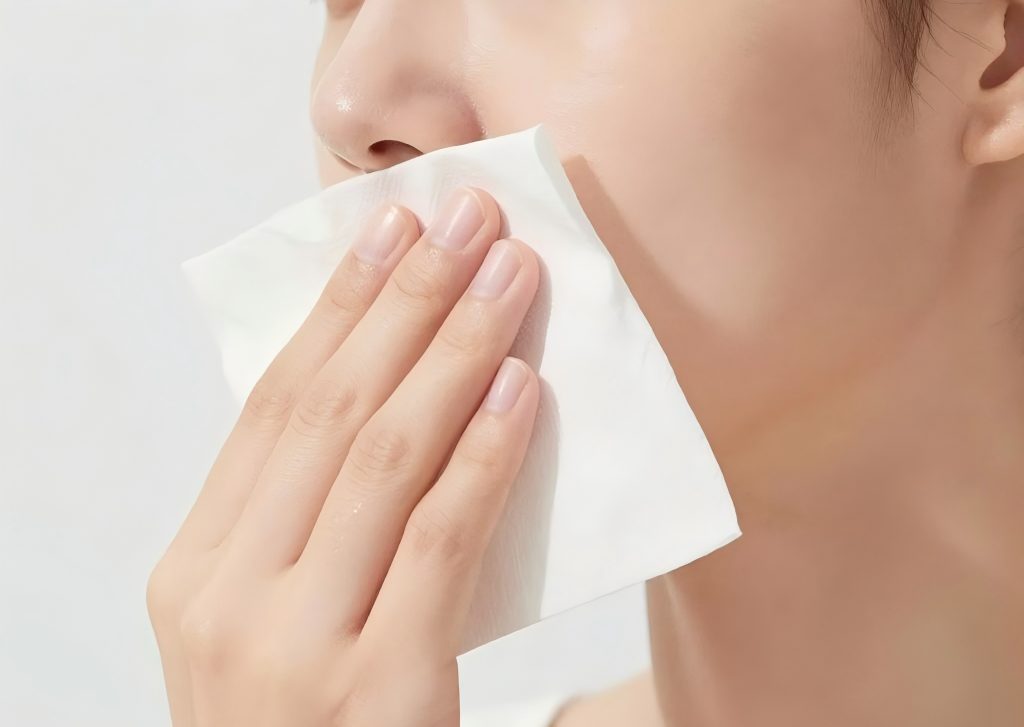
The self-care of consumers in the market of bamboo tissue for sensitive skin. Bamboo also contains an element called bamboo quinone, which is a natural antibacterial. Additionally, the products are free of any fluorochemicals and are in the range of pH 5.5-6.5, and are quite safe for use in babies, the elderly, and even for those with hypersensitive skin.
Moreover, premium consumption is on the rise. Bamboo tissue commands a 15–20% price premium over wood pulp tissue, and this is increasingly accepted by Gen Z and the new middle class. Usage scenarios have expanded from homes to hotels, offices, and catering, broadening the market significantly.
4. Global Export Opportunities
The bamboo tissue export market has seen remarkable growth. In 2025, China’s tissue paper exports rose by over 20%, with bamboo tissue accounting for 60% of that increase. Popular destinations include Europe, North America, Southeast Asia, and Latin America. In emerging markets, penetration remains below 5%, indicating enormous growth potential. Certifications such as FSC, FDA, and EU standards help manufacturers meet international market access requirements, giving experienced exporters a distinct advantage.
2026–2030 Bamboo Tissue Paper Market Trends
Trend 1: High-Level Customization
The demand for customized OEM bamboo tissue is growing fast. Buyers now look for OEM / ODM products that can provide customized layer numbers, sheet sizes, emboss designs, and packaging. Premium tissue, like creamy and moisturized tissue, can bring gross margins of more than 30%. Hence, manufacturers are inclined to offer their products in a unique manner.
Trend 2: Smart Factories and Quality Traceability
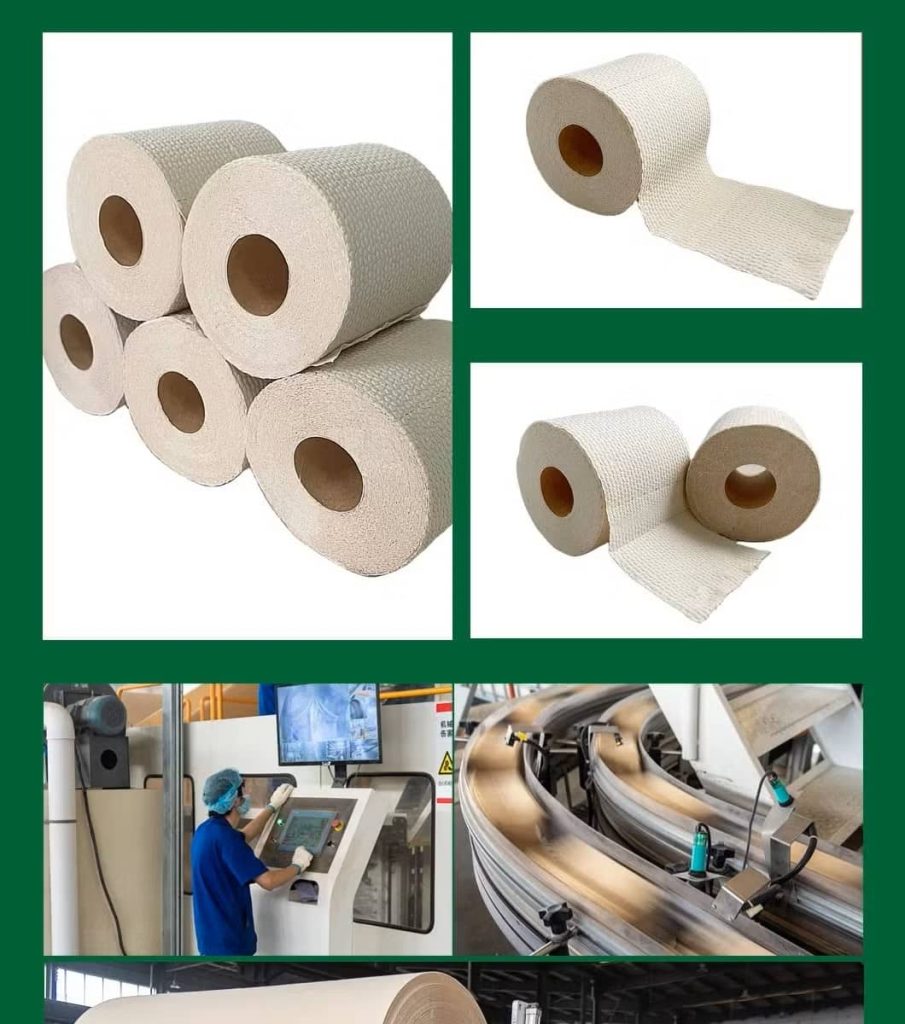
Intelligent manufacturing, with AI-based production lines and batch-level quality traceability, is now a common practice for manufacturers exporting to EU countries, where strict factory inspections are conducted before business begins.
Trend 3: Fully Degradable Packing
As a reaction against worldwide policies on plastic limitations, fully degradable packaging without any plastics and completely biodegradable materials are becoming competitive products for brand names. Adopters of such a simple style in packaging get appreciated by regulatory bodies as well as consumers.
Trend 4: Scene Segmentation
Increasing commercial use and growth in sales of bamboo kitchen paper, hand towels, and mini jumbo rolls are among the current trends. There is an increasing market share for B-end customers like hotels, restaurants, and office buildings.
Trend 5: Market Consolidation Boosting
Market consolidation trend, with the CR5 surpassing 60% share in the market, is anticipated to be seen before 2030. Unfavorable conditions are expected for small and medium factories without vertical integration and certification advantage, whereas large organizations have the upper hand.
Current Challenges in the Bamboo Tissue Paper Market
- Cost Issue: Bamboo fiber preprocessing cost is 5-8% more expensive than that of wood pulp in SMEs. Nonetheless, vertically integrated enterprises with forest-pulp-paper operations can overcome this issue.
- Issue of Awareness: In secondary markets, consumers’ awareness of the benefits of bamboo tissues is lacking. Promotions should be made by stressing its environmentally friendly characteristics as well as its health benefits.
- Quality Issues: Due to the shorter length of bamboo fibers, poor softness of the product at the entry level could occur. Quality improvements have been made by employing new technology, such as 6D embossing and fiber blend.
- Competition Issue: Large players, including Vinda and C&S, as well as new competitors, have joined the bamboo tissue business. Differentiation by offering bamboo tissue OEM customization, green message, and export abilities is crucial for survival.
Competitive Landscape of the Bamboo Tissue Paper Market
1. Global Leading Brands
- Bambooee and Who Gives A Crap focus on high-end, ESG-driven narratives.
- Oji Holdings specializes in high-end bamboo-wood blended pulp products.
2. Chinese Leading Enterprises
- Donsea Paper stands out with over 24 years of experience, an integrated forest-pulp-paper model, strong OEM/ODM capabilities, and a presence in more than 52 countries.
- Banbu and Quanjude focus primarily on the domestic Chinese market.
3. Competitive Advantages of Leaders
Key differentiators include vertical integration, international certifications (FSC, FDA, EU), export experience, and customization capabilities. These factors allow leading firms to capture premium pricing and build long-term buyer relationships.
Frequently Asked Questions (FAQ)
Q1: Is bamboo tissue paper better than wood pulp tissue?
A: Bamboo tissue offers advantages in sustainability, carbon footprint, and health (natural antibacterial properties, no chemical additives). However, wood pulp tissue remains less expensive in some low-end markets.
Q2: Is bamboo tissue made from 100% virgin bamboo pulp?
A: Reputable manufacturers use 100% FSC-certified virgin bamboo pulp, with no recycled or wood pulp added.
Q3: Can bamboo tissue be customized for OEM/ODM?
A: Yes. Leading manufacturers offer customization of specifications, embossing, and packaging based on buyer requirements.
Q4: Is bamboo tissue suitable for sensitive skin?
A: Yes. It contains no fluorescent agents or bleaches, has a pH of 5.5–6.5, and retains natural bamboo quinone’s antibacterial properties.
Q5: Where are the main export markets for bamboo tissue?
A: Europe and North America are mature markets; Southeast Asia, Latin America, and the Middle East are high-growth emerging markets.