The Science of the Bamboo Kitchen Roll: Applications in Food Safety and Preservation
The modern consumer, at any level of the supply chain, seeks out the greenest alternative in their formulation. Bamboo has made it as a practical alternative to traditional wood pulp paper-based products. Particularly in the hygiene and kitchen paper sector, bamboo kitchen towels have made noticeable progress due to their unique biological and mechanical properties. This study is aimed at encompassing the material, technological, and functional aspects of these items and elucidating their application in professional and household kitchens.
Material Science and Structural Composition
The performance of a bamboo kitchen roll is dependent mostly on the biological properties of the raw materials used. Raw bamboo is not a wood; it’s a grass, and its primary vascular bundles consist of fibers, which are about ten times longer and more adaptable than those that external most conventional paper mills made from hardwoods.
- Fiber Morphology: Typically, Bamboo fibers are between 1.5 and 2.5 mm long, which is considered a medium to long fiber, providing a higher tensile strength-to-weight ratio compared to short-fiber deciduous wood pulp.
- Porous Microstructure: It can be seen under a microscope that the fibers of bamboo have an extremely porous surface. This particular physical attribute raises the total surface area available for capillary action, which has a direct impact on the liquid absorption capacity of the final paper sheet.
- Natural Antimicrobial Agents: Bamboo has fibers known to have “Bamboo Kun”; this bio-agent can be found in Bamboo fiber. As a lignin-related material, it has the capacity to harbor the development of fungi and even bacteria in an eco-friendly way. Lab studies confirm that bamboo has a natural potential for inhibiting both bacteria and fungi by the inlay of bamboo fiber without the involvement of any preservatives.
Manufacturing Processes and Compliance
A professional bamboo kitchen paper towel manufacturer must adhere to specific industrial processes to ensure the product is safe for food contact and environmentally compliant.
1. The Unbleached Pulping Process
The manufacturing of high-quality bamboo tissues often utilizes an unbleached pulping method. Chlorine-free white paper removes lignin with a bleaching agent that is free of chlorine. The chlorine-free method does not produce dioxins. The paper will be more appealing for those customers who appreciate the natural color of white paper: off-white or eggshell. Besides, this paper will look great even when it is moist since the pigment is baked into the entire thickness of the paper.
2. Embossing and Lamination Technology
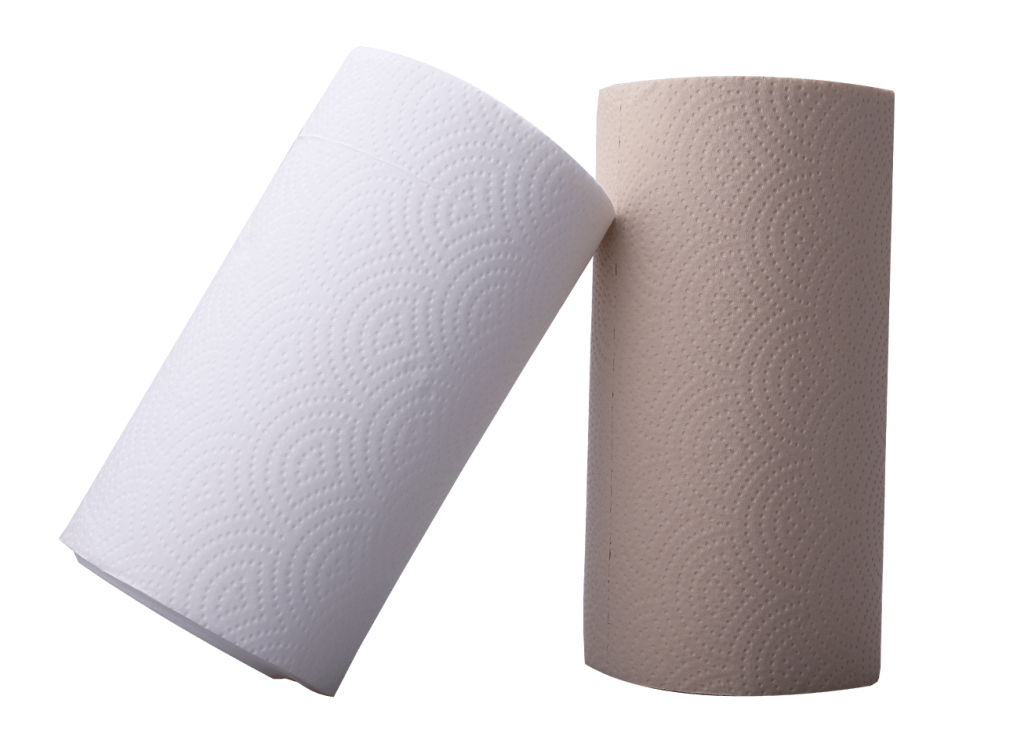
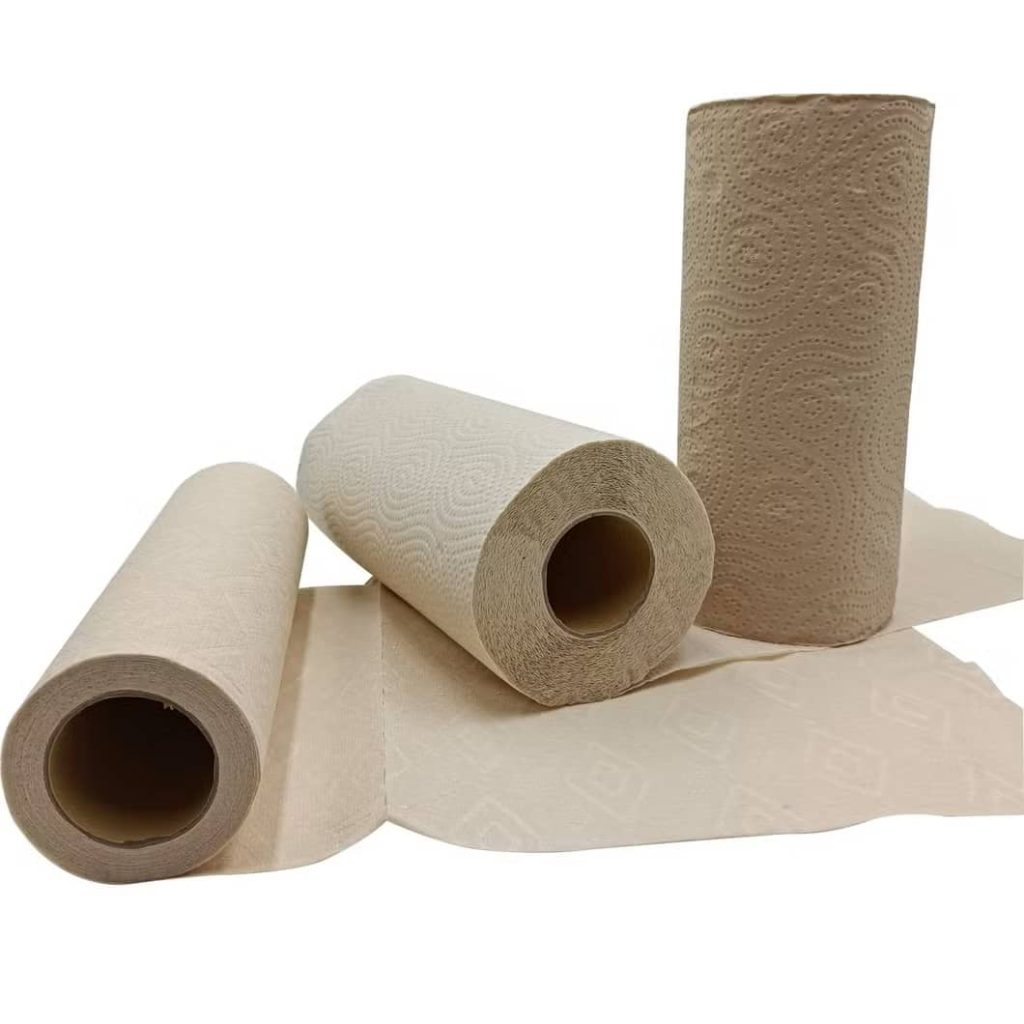
In creating a bamboo kitchen roll, ensuring that they get the most out of one product, they use mechanical embossing. In the first case, this process involves the use of high-pressure rolls to force the tissue to form certain patterns, such as hexagonal or diamond shapes.
- Air Pockets: Embossing creates small air pockets between the two layers of the tissue. This orientation holds more liquids and oils than Spar paper in the market.
- Structural Integrity: The design spikes rigidity in the paper and stops the saturating effect of water and oil on the paper.
- 3-Ply and 4-Ply Construction: Multi-ply lamination involves bonding several thin layers of bamboo paper together. This construction ensures that even when the outer layer is fully saturated, the inner layers provide the mechanical strength required for heavy-duty wiping.
Practical Application Scenarios
The integration of bamboo kitchen tissues into kitchen workflows provides measurable benefits in hygiene and efficiency.
1. Pre-Cooking Meat and Seafood Preparation
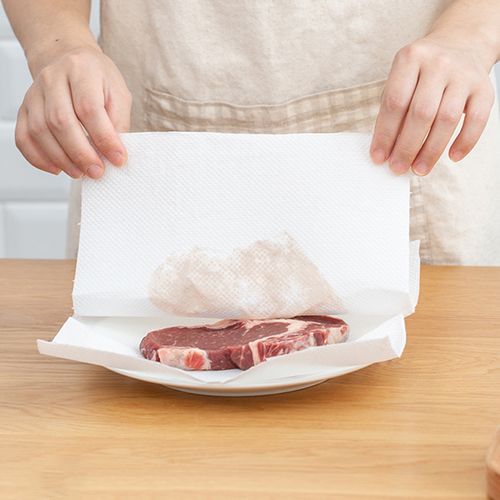
Drying out any superficial moisture from the proteins is necessary prior to the onset of the Maillard reaction. If proteins with moist surfaces are put in a hot pan, first the water must evaporate before the temperature can exceed 100℃, which produces less searing and more steaming.
- Absorbency: Bamboo paper absorbs moisture rapidly from the uneven surfaces of beef, poultry, and fish.
- Non-Adherence: Due to the long fiber structure, bamboo tissues are less likely to leave lint or fiber fragments on the meat, which is a common failure point for low-quality wood-pulp tissues.
2. Lipid Management and Surface Maintenance
Professional kitchens generate significant quantities of waste oil and grease.
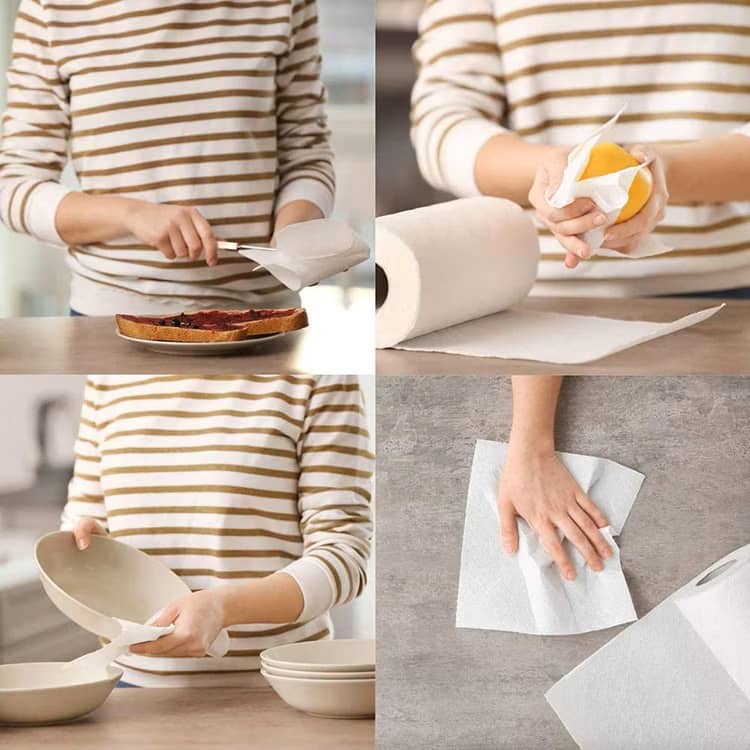
- Dry Wiping: The reduction of detergent up to 50% can be reached after using a bamboo kitchen roll to clean greasy pans and plates before washing.
- Oil Filtration: Bamboo paper plays an important role in some cooking methods as the main means of filtration, which is used for removing the char from the frying oil and retaining oil fit for purpose.
- Sump Protection: Either tackling the root cause of the grease issue or ensuring oil never makes its way to the wastewater plays a major role in alleviating both instances.
3. High-Temperature Environments (Microwave Use)
Bamboo tissues are stable under the thermal conditions of a microwave oven.
- Moisture Regulation: To prevent bread or other starchy foods from drying out when they undergo microwave heating, place a damp bamboo tissue over them. With the aid of this paper, the steam is retained while allowing the unnecessary heat buildup to leak out easily.
- Splatter Prevention: The thickness of 3-ply bamboo paper is sufficient to contain oil splatters from high-fat foods like bacon, keeping the interior of the appliance clean.
4. Botanical Preservation and Storage
The tissues made from these plants have some properties that make them useful in preventing food spoilage.
- Respiration Management: Leafy greens and herbs continue to respire after harvest, releasing moisture. If this moisture is trapped in a plastic bag, it promotes bacterial rot.
- Application: Dampening a bamboo paper towel before use as a wrap for refrigerating leafy greens provides a favourable so-called moisture state. An inclusion of “Bamboo Kun” helps to reduce the formation of mold and film, hence prolonging the shelf life of the goods as opposed to unwrapping.
Sustainability and Industrial Scale
From a macroeconomic and environmental perspective, the shift to bamboo is driven by the plant’s rapid growth cycle.
| Feature | Bamboo | Hardwood Trees |
| Maturity Period | 3 to 5 Years | 10 to 30 Years |
| Regeneration | Self-regenerating from roots | Requires replanting |
| Carbon Sequestration | Higher per hectare | Lower per hectare |
| Pesticide Requirement | Minimal to none | Variable |
For a bamboo kitchen paper towel manufacturer, the use of sustainable raw materials is seen as a critical aspect of the Environmental, Social, and Governance (ESG) obligations. Since bamboo forests grow yearly without uprooting or destroying the general landscape, while deforestation of hardwood forests for the sake of making paper endangers soil and habitats’ sustenance.
The shift to using bamboo kitchen roll can be viewed as a move towards materials incorporation, demanding resources that fit within the bounds of industry. The superb quality of bamboo fibers in terms of their length, wet strength, and antiseptic properties results in products made of this material being superior to traditional wooden ones. There is no doubt that the technology of how these fibers are separated and combined will be enhanced in due course, and the bamboo kitchen paper will play a significant role in the quest for sustainable and effective sanitary solutions.